Starting a Successful Front Yard Garden and Avoiding Legal Trouble: Interview with Linda Jackson of Natures Harvest Urban Permaculture Farm

Dana's avatarThe Druid's Garden

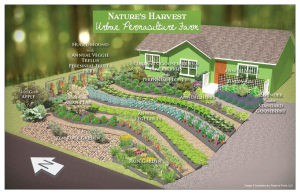
Original design for Nature’s Harvest Urban Permaculture Farm

Six years ago, I shared about Natures Harvest Urban Permaculture Farm, a front-yard garden located in the Detroit metro area. When I shared this post, Linda was in her first year of gardening in this new location, and was regularly selling her produce at a local farmer’s market and engaging with her community.  Here are links to my first two posts about her incredible garden that discusses the original process, design: Nature’s Harvest Urban Permaculture Farm and Return to Nature’s Harvest Urban Permaculture Farm.

A few weeks ago, when I was visiting Linda, I shared some photos of her garden to my social media, and many people responded by saying “she must not have a homeowners association”, “ how did she not get in legal trouble?”, or “my township would make me tear that down!” The questions and comments of…

View original post 3,138 more words

Trap Garden: One man’s vision for food secure communities in Nashville and beyond

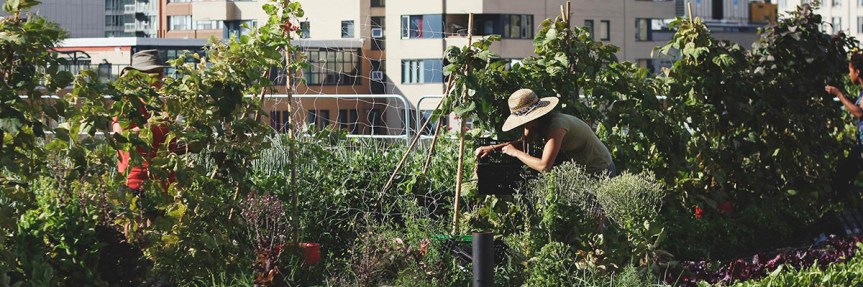
Ryerson Urban Farm: Student-led rooftop farm creating opportunities to learn about growing food

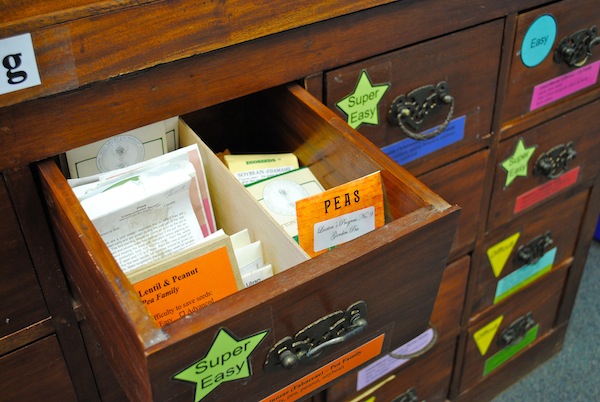
Seed Libraries where library members can “borrow” fruit and veg seeds for free

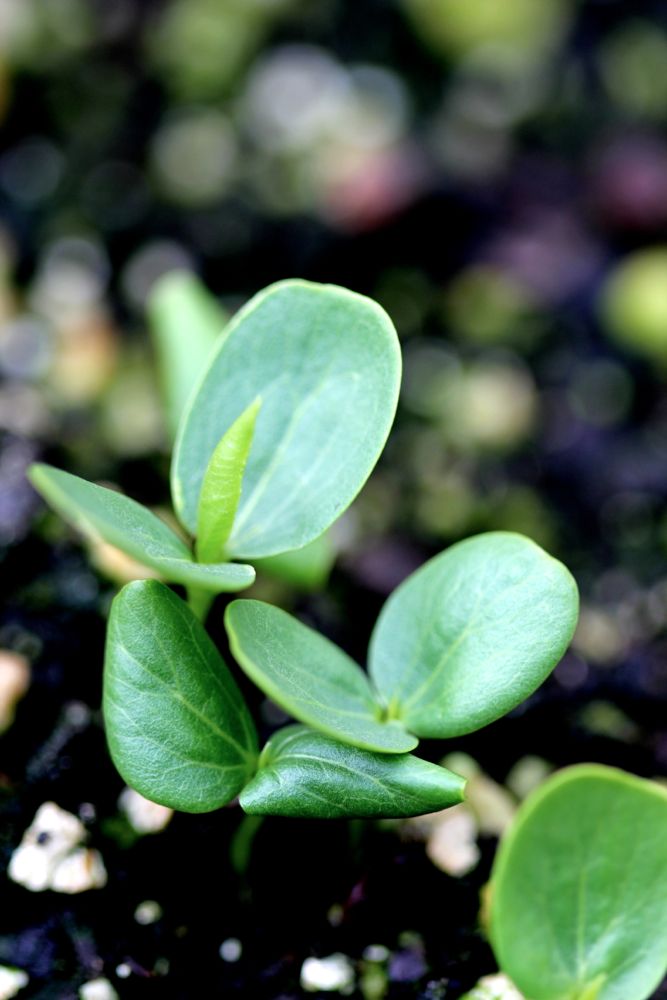
Starting Plants: Grow Your Own Vegetable Garden Transplants

Crooked Bear Creek Organic Herbs's avatarCrooked Bear Creek Organic Herbs

Some plants can be started indoors early in the season, before soil and air temperatures are warm enough to plant outdoors. From a seed-starting perspective, most of our common vegetable plants fall into one of three categories.

  • Don’t do well direct-seeded outdoors – these plants seem to do better if they are started in a controlled environment. The reasons may include poor germination rates or too short of a growing season. Plants that fall into this category include tomatoes, peppers, eggplant, pumpkins, winter squash, onions, Brussels sprouts, gourds, and melons.
  • Do okay either started indoors or direct-seeded – these plants could be done either way. Some plants have a short enough growing season that even though they can be started indoors, the economics of doing it don’t justify the time and expense. Plants that fall into this category are peas, beans, corn, cabbage, broccoli, cauliflower, summer squash, spinach, Swiss chard…

View original post 569 more words

Starting Your Seeds Indoors This Winter

Crooked Bear Creek Organic Herbs's avatarCrooked Bear Creek Organic Herbs

Expert answers to your herb-growing questions.

Q.  This year I want to grow some of my herb plants from seeds. What are the steps to starting seeds over the winter?

A.  Seed starting is like baking bread- you need the right mix of ingredients, the right temperature, and viable yeast. In the case of seed starting, the ingredient list includes a lightweight growing medium and containers for planting. Provide the right temperature with a warm greenhouse or sunny window; and seeds, of course, are the viable catalyst.

Use a commercial potting mix or seedling mix for the growing medium. Choose from egg cartons, yogurt cups, flats of six-cell packs or small pots when it comes to containers. {Note: Fiber- or peat-based pots should be soaked well before adding soil.} Like yeast, seeds have a limited life, be sure the seeds are fresh or packaged for the upcoming growing season for…

View original post 630 more words

Urbalive Worm Farm: Making worm composting indoors a simple process

Life & Soul Magazine's avatarLife & Soul Magazine

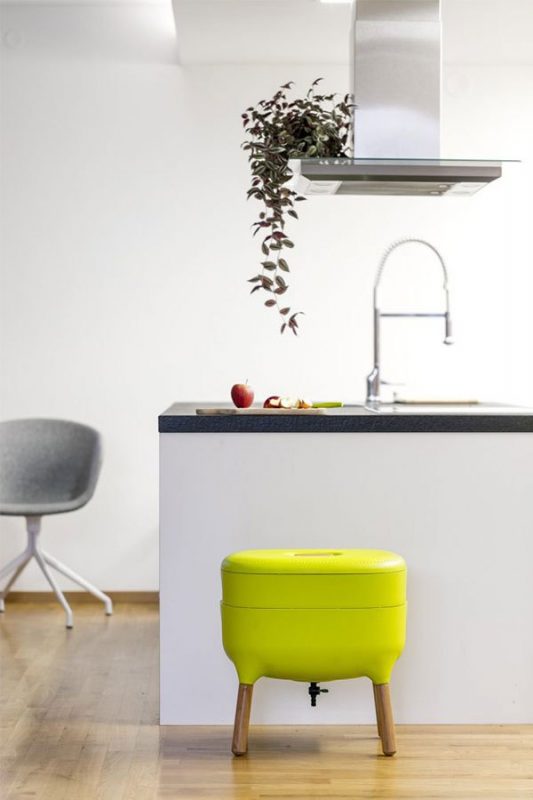
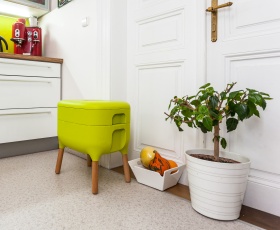
There’s a myriad of choices when it comes to composting, and if you live in a small space with no access to a garden, worm composting, in particular, is still an option. Urbalive Worm Farm is an indoor kit for composting kitchen bio waste with red worms.

Designed by Czech designer Jan Pelcl, the Urbalive Worm Farm is a stylish container which stands on wooden stilts, like a stool. Its modern design is made up of composting layers where worms help create vermicompost leading to a container where the worm tea collects.
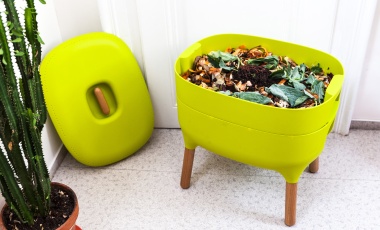
Vermicompost contains essential enzymes and natural growth hormones that are great for soil fertility and feeding gardens. Worm tea is rich in natural nutrients and enzymes that help plants grow strong and healthy. The tea can be mixed with water and added to soil in flower pots and plants for use as food.

By following a few simple basic rules,
View original post 78 more words

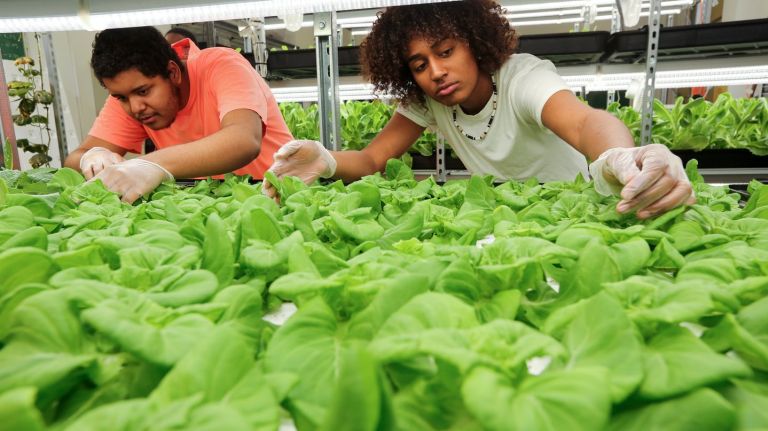
NYC’s largest student-built hydroponic farm leading students and Bronx community to healthier futures

Thinking About Planting a Dye Garden?

Crooked Bear Creek Organic Herbs's avatarGood Witches Homestead

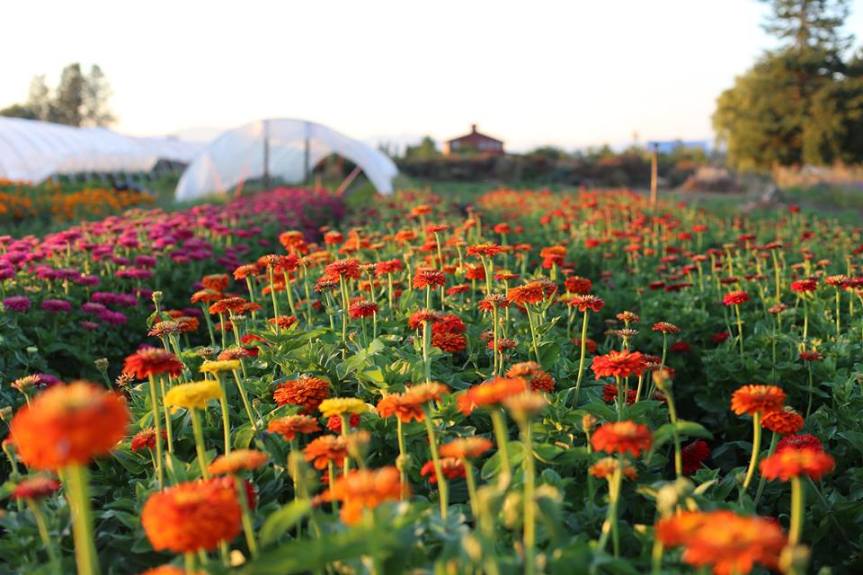
Traditional dye plants offer intriguing materials for the gardener who is also a spinner or weaver, or who just wants to experiment with the vast usefulness of the natural world. Nature has its own subtle palette of colors and this little garden represents a few of the dozens of plant dye possibilities, which even include some nuts, fruits, vegetables, and other common foods.

And even if you’re more inclined to pick up some easy powdered dye at the corner store than to make a dye bath from the plants in your garden, you still might appreciate this connection to history and tradition. All of these plants are desirable garden plants.

About Dye Plants

A separate garden isn’t necessary to grow dye plants, as you can incorporate them into an existing flower border or bed (and you might unknowingly be growing dye plants already), but this small corner bed can give…

View original post 901 more words

A Passion For Herbs

Crooked Bear Creek Organic Herbs's avatarGood Witches Homestead

Herbs are a fascinating group of plants with a history of cultivation stretching back to the dawn of civilization. Once the herb garden was a practical project, necessary for supplying flavorings for the kitchen and medicines for the family. Today, gardeners are growing herbs for medicinal purposes and for their attractive looks, pleasing fragrances, and tasty flavors. Whether your interest is kindled by taste, aroma, beauty, or history, you’ll find herbs a satisfying addition to your garden.

What is a Herb?

Traditionally, herbs have been defined as plants that are useful to people. The oregano and thyme on your pizza are herbs just as the ornamental foxglove, from which we once extracted the medicine digitalis, is a herb. The insecticide pyrethrin is derived from the painted daisy, making it a herb as well. The list goes on and on; we use herbs and herb products every day.

Choosing Herbs:

In…

View original post 1,672 more words