Spellbinding Sweet Woodruff Cake: Prosperity Magic — gather

In my tiny wildish garden, nestling at the foot of a tall tree, is sweet woodruff. Her glossy leaves and small white blossoms may be hidden by a profusion of taller plants, but it is her scent that perfumes the air. Fresh, her fragrance (like rain, earth, fresh air and green grass all condensed into…

via Spellbinding Sweet Woodruff Cake: Prosperity Magic — gather

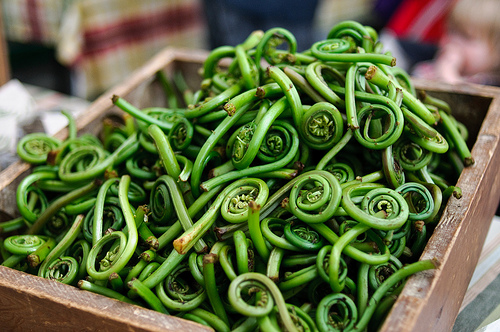
Foraging for Fiddleheads {Well, Sort Of}

by Good Witches Homestead

Crooked Bear Creek Organic Herbs's avatarGood Witches Homestead

After a long winter, we delight in those emerging specks of green that mark the start of the growing season. The air might still carry a chill, but that doesn’t deter us from heading to the farmer’s market to catch the first glimpses of fresh, local produce. Among the baskets of root vegetables and early spring herbs, you’ll often find fiddleheads, the coiled fronds of the ostrich fern {Matteuccia struthiopteris}. In the ground, these deep-green curled stems will later unfurl into tall ferns ranging from two to even six feet in height, but in this early stage, they resemble the neck of their namesake; the fiddle.

For Our Body

As with many spring greens, fiddleheads offer much-needed nutrients after a long winter. To start, they’re a great source of vitamins A and C {4,052 IU and 2.6 mg per half cup, raw, respectively}. They also contain potassium and manganese, which…

View original post 454 more words

Mexican Mint Marigold

By Crooked Bear Creek Organic Herbs

Crooked Bear Creek Organic Herbs's avatarCrooked Bear Creek Organic Herbs

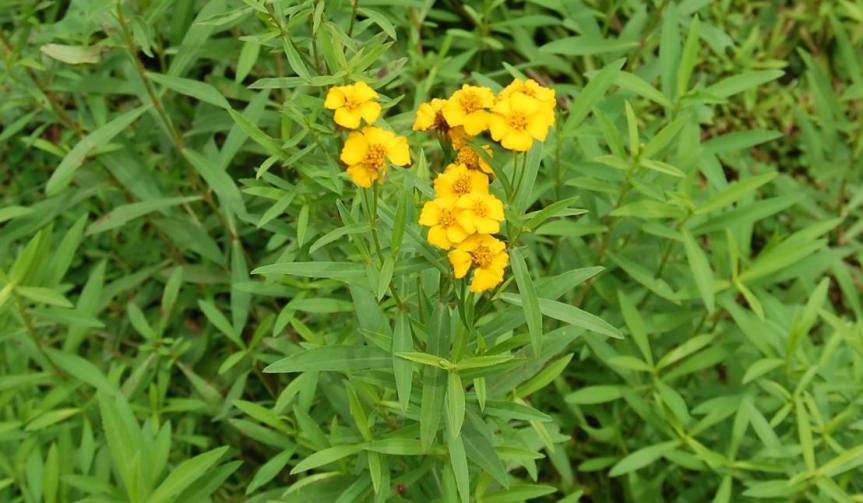
This very ancient herb goes by a variety of common, but somewhat confusing names. ‘Mexican mint’ marigold is the most common, but you’ll also find it listed as ‘Texas’ tarragon, ‘Mexican’ tarragon, cloud plant, Coronilla, winter tarragon, sweet mace, sweet marigold and ‘Spanish’ tarragon. It isn’t, however, related to ‘French’ tarragon (Artemisia dracunculus ‘Sativa’) at all.

Don’t confuse ‘French’ tarragon, which is used for cooking, with false or ‘Russian’ tarragon, A. dracunculoides, because it is somewhat invasive, grows well in hotter climates, and is grown from seed.

The Latin name, Tagetes Lucida, refers to its other Tagetes relatives, the marigolds. ‘Mint’ marigold is a perennial, native to Central and South America and has been used as a seasoning herb, tea plant and medicinal in native cultures for more than a thousand years.

The flavor is anise-like, a bit sweeter than ‘French’ tarragon, but used in some of…
View original post 609 more words

What to Harvest: March

Cabin Fever: You Get What You Ask For

That Funny Little Spring Weed: Lamb’s Quarter

Crooked Bear Creek Organic Herbs's avatarCrooked Bear Creek Organic Herbs

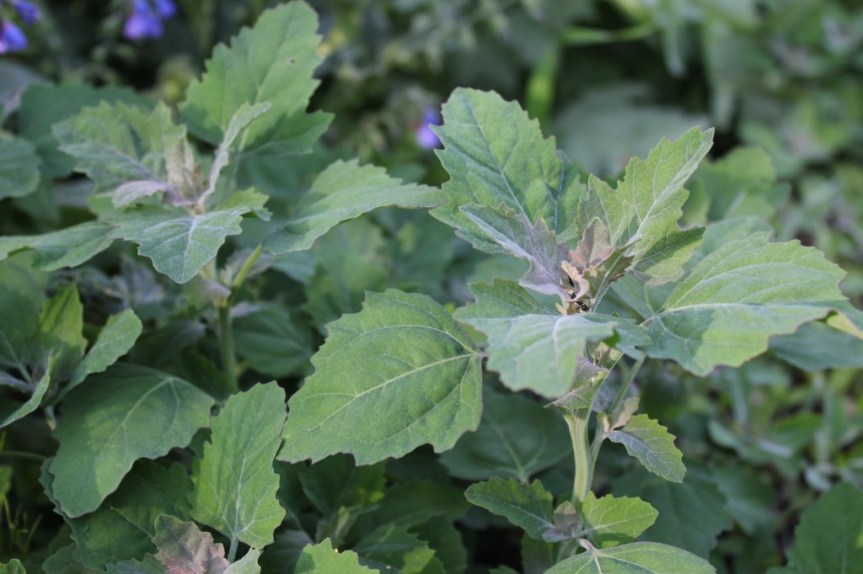
Lambs quarter is one of the most common weeds in gardens, backyards, and fallow fields, following human habitation closely. If you add horse or cow manure to your garden you will have a steady supply of these tasty wild greens for most of spring and summer. Easy to recognize with its alternate, triangle-to-diamond shaped leaves which are coated on the underside with a whitish grey powdery meal resembling flour. This coating may sometimes possess a coppery-fuchsia sheen and is sold as a cultivar called “magenta spreen” in some garden catalogs. The coating is a natural part of the leaf and is fine to eat. Put a leaf under water and the meal will cause the water to bead up in a beautiful iridescent fashion. Lamb’s quarter grows to 3-5 feet and is a branching annual with a grooved stem which is often tinged with red, especially at the node, or…

View original post 805 more words

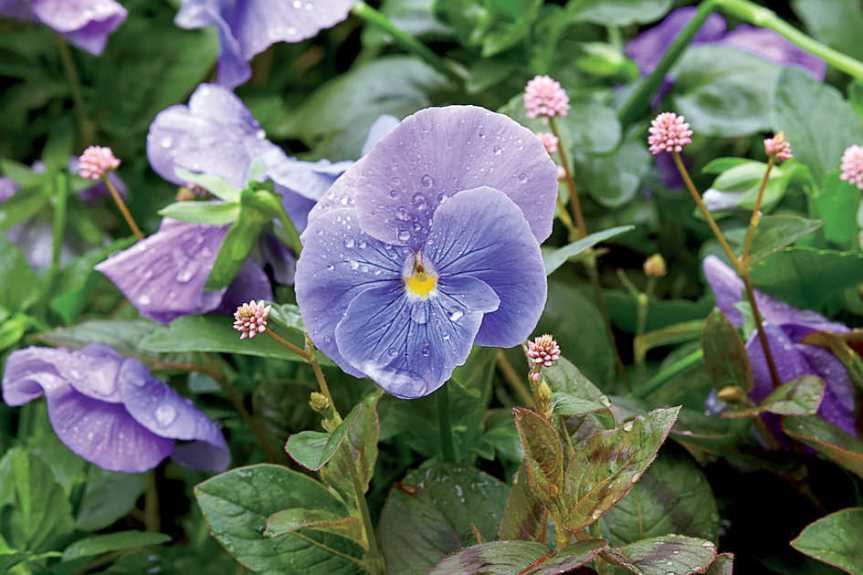
Symbolism of Violet: February Birth Flower

Crooked Bear Creek Organic Herbs's avatarGood Witches Homestead

The violet has a charming and long history of mythology. Greek myth states that Zeus fell in love with Io. Zeus was afraid that Hera, his wife, would discover him and Io, so he made Io into a white heifer. Zeus created the sweet-scented flower that we know as the violet for Io to eat while she was a heifer. Hera placed an insect pest on Io as the white heifer, so she roamed all over the land trying to free herself from the pest.  Zeus finally caught the heifer and put his hand on her, and she turned back into Io. She gave birth to their child, who founded many nations.

Another Greek myth states that Persephone, a young lady, was walking in a field of violets when Hades saw her and fell in love with her. Hades took her to his kingdom of death and the world became…

View original post 857 more words

Taking up the Path of the Bard III: Practice makes Perfect

Dana's avatarThe Druid's Garden

“You have so much talent” or “I’m talented enough” are powerful statements, statements I hear on a regular basis from those who long for a creative practice. The idea of talent can cause an incredible amount of inaction, of people not feeling they are “good enough” to even try.  I see this, in particular, with the visual arts. But the first time you put pen to paper, if you aren’t Picasso or Monet, you might as well forget about it. This larger cultural ideal, of course, seems at odds with the druid tradition where Eisteddfod and the channeling of Awen are central to our spiritual life. In the druid tradition, creativity isn’t about producing something of commercial value or high quality, its about the channeling of creativity for spiritual purposes. But for those coming out of mainstream Western culture with all of the cultural baggage, this can be difficult to…

View original post 2,416 more words

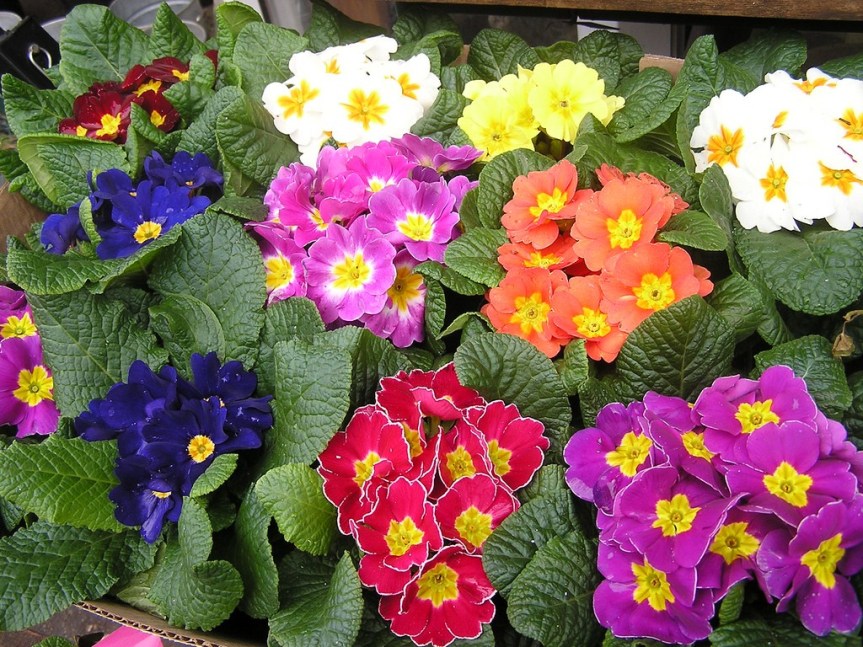
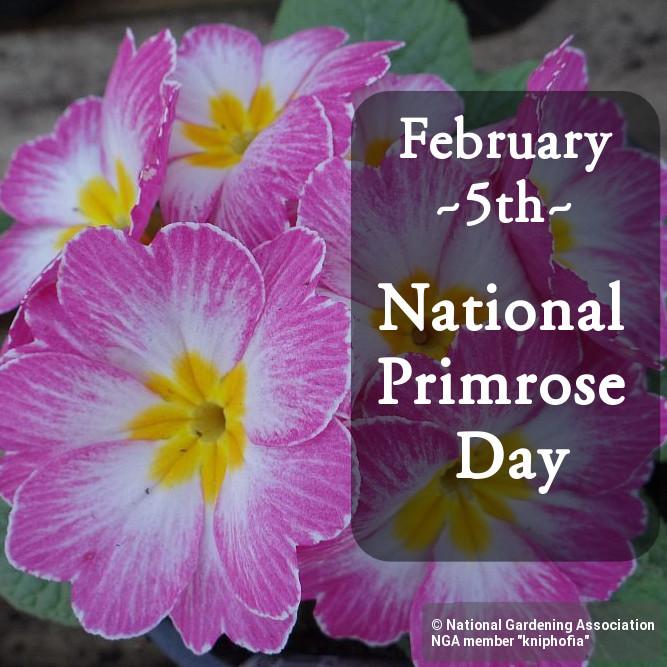
Primrose: The Flower of February

Crooked Bear Creek Organic Herbs's avatarGood Witches Homestead

COMMON NAME:  primrose
GENUS:  Primula
SPECIES, HYBRIDS, CULTIVARS:
P. denticulata-lavender, purple, or white flowers; grows to 12 inches. P. japonica ‘Millar Crimson’-flowers whorled around 24-inch stem; blooms May-June. P. polyanthus-best known; colors are red, pink, blue, gold, and white, all with small yellow eyes.
FAMILY:  Primulaceae
BLOOMS:  spring
TYPE:  perennial
DESCRIPTION:  Primroses form an attractive rosette of crinkly, light green leaves. The flowers are generally brightly colored and occur in tight bundles on individual stems above the leaves.
CULTIVATION:  Needing partial shade, primroses thrive in well-drained, rich soil. They are indigenous to cool, moist meadows and woodland environments  Duplicating these conditions as closely as possible will create the best growing conditions for primroses. The soil should not be allowed to dry completely. To retain vigorously blooming plants, divide clumps every four to five years. Seeds should be sown in midsummer for bloom the following spring.

primrose day

Primrose is beloved…

View original post 706 more words

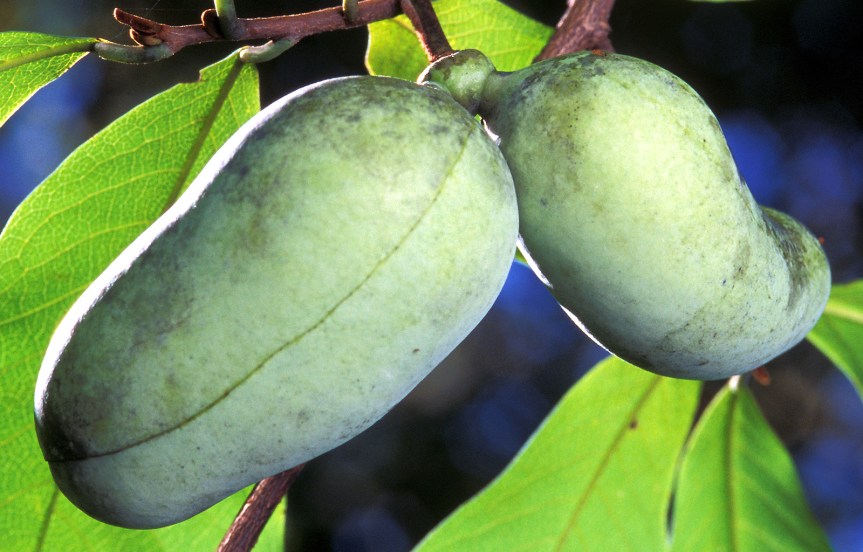
Ozark Encyclopedia – P – Pawpaw