Aromatic Culinary Herb Called the Savory

By Crooked Bear Creek Organics

Crooked Bear Creek Organic Herbs's avatarCrooked Bear Creek Organic Herbs

Savory

Satureja hortensis / Satureja montana

Also, Known As:

  • Mountain Savory
  • Savory
  • Summer Savory
  • Winter Savory

Ancient herbal texts frequently mention about two types of savories – summer savory comprising the dense parts of the herb Satureja hortensis L., and the winter savory, which is acquired from the herb Satureja Montana L. While the summer savory is an annual plant, the winter savory is perennial and is used to add essence to foods. Both these aromatic species belong to the mint (Lamiaceae) plant family. They are small plants that are cultivated extensively as garden plants. These plants produce slender leaves and flowers whose color varies from pale lavender to pink to white. Of the two Satureja species, the summer savory is valued highly and has been used widely in folk medicine in comparison to the winter savory. Both these herbs have been valued as sex medicines for several centuries. It…

View original post 1,608 more words

Aromatic Culinary Herb Called the Tarragon

By Crooked Bear Creek Organics

Crooked Bear Creek Organic Herbs's avatarCrooked Bear Creek Organic Herbs

Tarragon

Artemisia dracunculus

Also, Known As:

  • Dragon’s Mugwort
  • Estragon
  • French Tarragon
  • German Tarragon
  • Tarragon
  • True Tarragon

Tarragon is a green perennial shrub that is smooth and lacking in hairs and bristles. The shrub is native to the sunny and dry regions of the northern hemisphere, especially the United States, Asia, and Siberia. The plant derives its English name from the French estrange denoting ‘little dragon’. People in Europe grow this shrub commercially for it perfumed leaves that pass on a licorice-anise essence to salads, sauces, and foods prepared with vinegar. Normally, the tarragon plant, having slender stalks, grows up to a height of two feet and bears glossy green, elongated and slender leaves that are undivided. This shrub is intimately related to wormwood. Tarragon has fibrous roots that are long and extend to all areas where they are grown by means of runners. The shrub bears small flowers that are…

View original post 3,305 more words

Aromatic Culinary Herb Called the Dill

By Crooked Bear Creek Organics

Crooked Bear Creek Organic Herbs's avatarCrooked Bear Creek Organic Herbs

Dill

Anethum graveolens syn. Peucedanum graveolens

Also, Known As:

  • American Dill
  • Common Dill
  • Danish Dill
  • Dill
  • Dillseed
  • Dilly
  • Dillweed
  • European Dill
  • Garden Dill

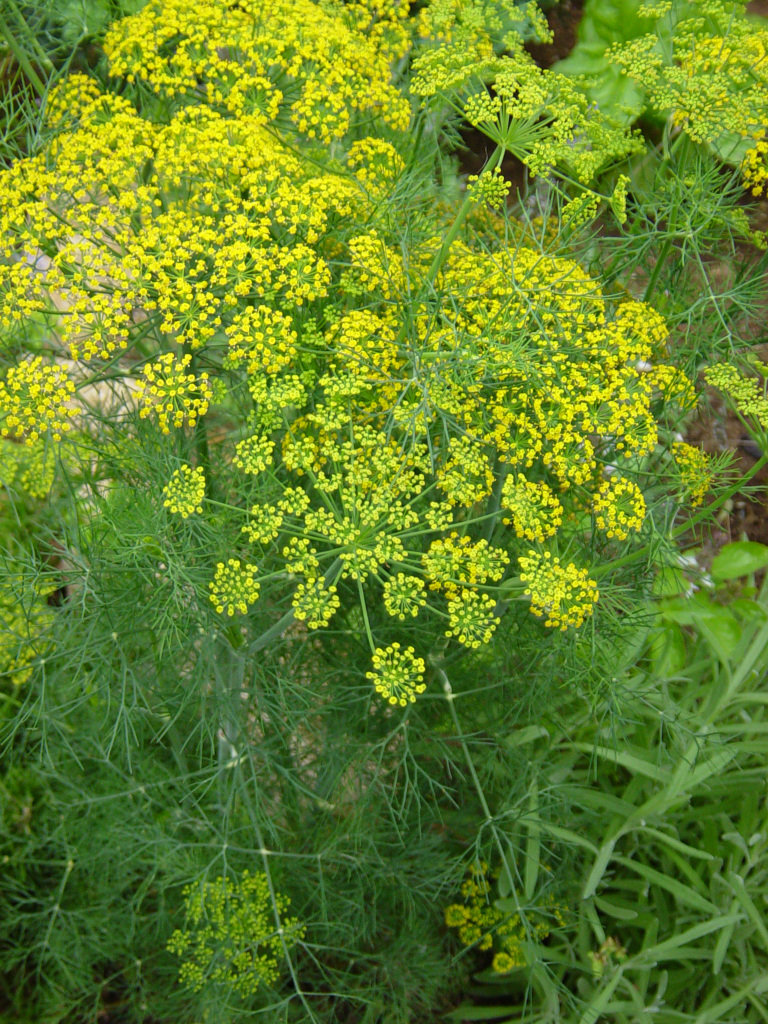
The familiar culinary plant known as the dill is an annual aromatic herb, which is about thirty inches tall – seventy-five centimeters in height. The herb bears feathery leaves on an erect stem that is hollow inside. When in bloom, the herb bears a large number of yellow colored flowers in umbels on the stem.

The dill has been traditionally associated with superstitious beliefs in Europe, and hanging a bunch of dill herbs over the door was supposed to protect one against witches and sorcery in the olden days. While the herb is no longer associated with such superstitious beliefs these days, it is still used to a great degree in the manufacture of herbal medications and in culinary dishes in many cuisines around the world.

The…

View original post 2,611 more words

June Herb of the Month: Capers

By Crooked Bear Creek Organics

Crooked Bear Creek Organic Herbs's avatarCrooked Bear Creek Organic Herbs

Did you know:

Capers – Capparis spinosa
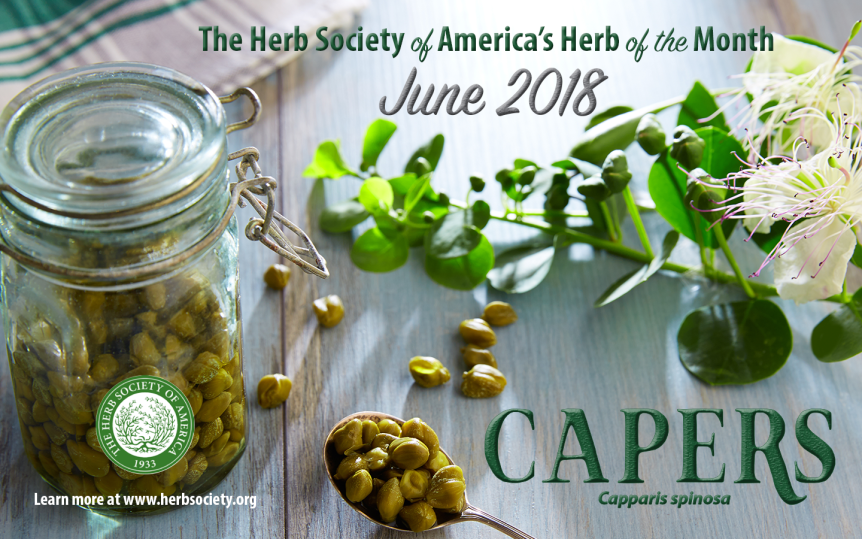
• Capers are the flower buds of the Flinders rose (or caper bush) Capparis spinosa
• This thorny shrub is native to the Mediterranean and hardy to USDA zone 9
• Capers thrive in hot dry climates
• Grows as a mounding shrub with a sprawling habit
• The flower buds are hand-picked then either pickled, brined or packed in salt to preserve
• The bitter flavor is mellowed by pickling, resulting in a salty, slightly sweet taste
• Buds that bloom produce a white flower with purple stamens which then will form a small fruit
called a caperberry.
• Caperberries are also pickled and are often served on antipasto platters or used as a garnish for
martinis
• The smaller the caper, the better the quality, flavor and commercial value, and are also called
nonpareilles or surfines; larger ones are known as…

View original post 347 more words

Fragrant Linden Blossom Sun Cake: A Magical Midsummer Treat ~ Gather Victoria

Delicately perfumed with the GORGEOUS scent of linden blossoms, this moist, crumbly cake truly is delicious. I couldn’t stop eating it – so now I have to bake a whole new one for solstice! But that’s okay, it takes no time to whip up and I’ll get to enjoy even more of it! In Latvia,…

via Fragrant Linden Blossom Sun Cake: A Magical Midsummer Treat — Gather Victoria