Building Soil Fertility with Fall Gardening at the Equinox

Dana's avatarThe Druid's Garden

Leaves - nutrients AND enjoyment! Leaves – nutrients AND enjoyment!

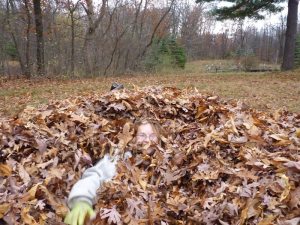
In the druid wheel of the year, we have three “harvest” festivals.  Lughnasadh, the first harvest.  So much of the garden produce starts to be ready at this time–and also at this time, the garden is still at its peak, but quickly waning. In the weeks after , our pumpkin patch died back with beautiful orange pumpkins and said “ok, I’m done for the year!” Then we have the Fall Equinox, where things are continuing to be harvesting, but many of the plants are in serious decline. By Samhain, everything is dead, the hard frosts have come and the land goes to sleep. It seems then, on the surface, that what we should be doing in the fall is primarily harvesting and sitting on our laurels and watching fall and winter come.

However, as a gardener and homesteader, my busiest time, by far, is the…

View original post 2,163 more words

BACOPA MONNIERA: Brain Health and Nervous System Restorer

Crooked Bear Creek Organic Herbs's avatarCrooked Bear Creek Organic Herbs

The Bacopa monniera herb, also known as Brahmi, has been used as a traditional Ayurvedic treatment for mental issues, epilepsy, and asthma. In fact, its documented medicinal uses can be traced back to the 6th century A.D.

A classic brain and nerve tonic, Bacopa is a medicinal herb that has been used effectively for several thousand years as a brain and nervous system restorer. The herb is known to increase mental clarity and promote improved memory and intelligence. It also assists in heightening mental acuity and supports the physiological processes involved in relaxation. In other words, it can keep you feeling relaxed while also boosting mental clarity, your focus, and mood. In fact, Bacopa is thought to help nourish neurons as it restores depleted synaptic activity.

Bacopa Monniera for Improved Memory

A 2006 double-blind, randomized study published in the Indian Journal of Psychiatry showed that the control group taking 125…

View original post 495 more words

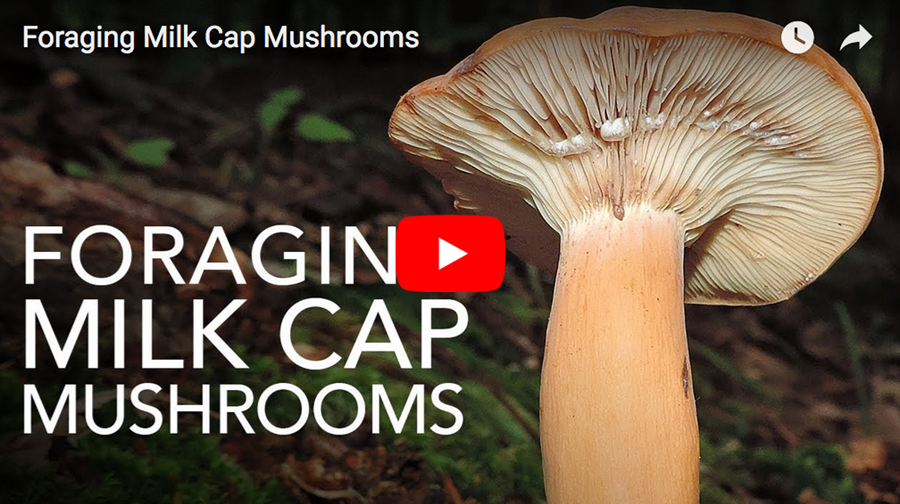
Have You Ever Eaten Milk Cap Mushrooms?

Greetings!

I’d like to tell you about wild mushrooms that ooze latex.

Known as “milk cap mushrooms,” these fungi may not seem worthy of anyone’s appetite, though they are certainly a group worth learning!

Milk cap mushrooms form important associations with various trees, and the value of these mushrooms to wildlife (specifically to animals and insects) is high.  Additionally, many milk cap mushrooms have been shown to be sources of naturally occurring rubber.

Perhaps the most exciting feature of milk cap mushrooms (at least from the mycophagist’s perspective) is that some of them are edible… and quite delicious!  Featured in this new video is a milk cap mushroom that perhaps you’ve been overlooking all these years.  If you’re interested in adding a new species to your list, check it out!

Mushrooms grow on all kinds of substrates, including trees, leaves, insects, soil… and hickory husks!  This time of year, a yellowish-orange mushroom can be seen fruiting from hickory and walnut debris.  Have you seen it?  Check out this recent Instagram post to learn more!

Thanks for reading and watching, and as always, thank you for your support!

-Adam Haritan

The Plant Spirit Oracle Project

Dana's avatarThe Druid's Garden

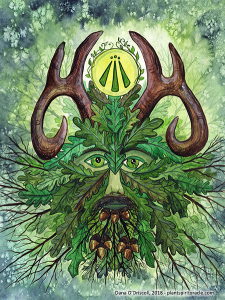
Spirit of the Oak! Spirit of the Oak from the Plant Spirit oracle!
As we’ve been exploring over the last few weeks, plant spirit communication can take many forms.  The rustle of leaves outside of your window, the inner knowing, or the song a plant sings to you as you honor it for the harvest. These simple messages weave a complex landscape beyond what we can sense with our fives senses, and invite us deeper into the mysteries of the earth and all living beings. And as we’ve explored, the voices of the plants, the spirits of the plants, take a number of forms and can appear to each of us uniquely. What is clear is that the more that we open ourselves up to understanding them, honoring them, and working with them, the more connection we have with the living earth in her many forms.

Part of the reason I’ve been sharing so…

View original post 1,559 more words

Food as Medicine: Stinging Nettle (Urtica dioica, Urticaceae)

Crooked Bear Creek Organic Herbs's avatarCrooked Bear Creek Organic Herbs

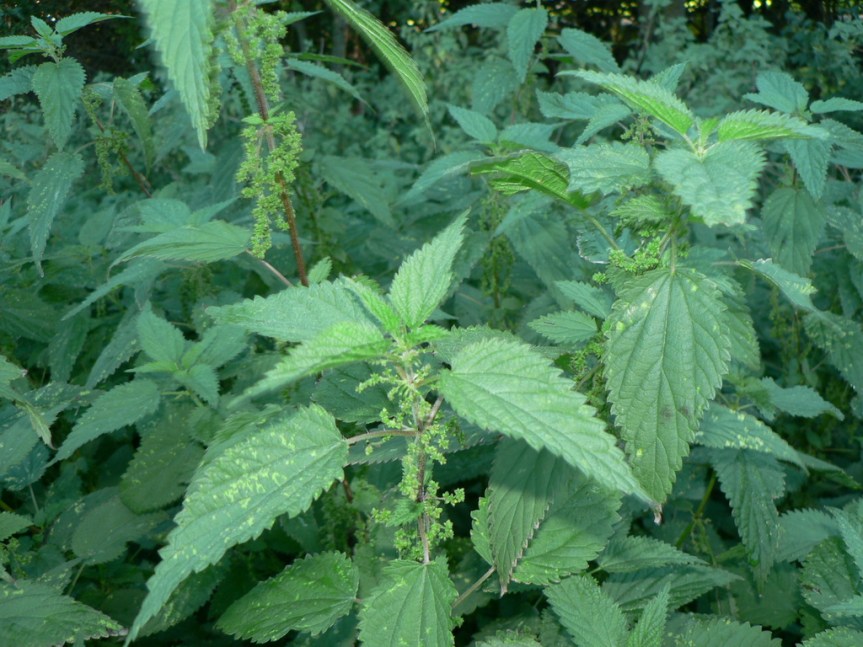
Urtica dioica (Urticaceae) is commonly known as nettle, common nettle, or stinging nettle. The species is an herbaceous perennial with a spreading growth habit. Growing 4-6 feet tall, stinging nettle produces numerous erect and wiry stems that hold up its opposite, roughly textured, serrated leaves.1-4 It produces small, inconspicuous greenish-brownish flowers that emerge as axillary inflorescences.2 The stems and undersides of leaves are covered with hairs called trichomes. When touched, these stinging trichomes inject a chemical cocktail that typically causes localized skin irritation as well as a painful, tingling sting from which the species has derived its most common name, stinging nettle.1,5

The Urticaceae family contains about 500 known species, distributed mainly in tropical areas.1 The genus Urtica, whose name comes from the Latin uro (to burn) and urere (to sting), consists of both annual and perennial herbaceous plants known for the burning properties of the…

View original post 3,981 more words

Plant Spirit Communication Part IV: Medicine for the Body and the Soul

Dana's avatarThe Druid's Garden

In the last few weeks, we’ve considered various ways in which we might communicate with plant spirits, work with them, and engage in spirit journeys with them. In this post, I am beginning to make the transition to talk about plant medicine and herbalism for a few weeks–both medicine of the body and medicine of the soul. I think that herbal medicine is something incredibly powerful to add to any earth-based spiritual based practice, both to keep you in good health and to create inter-dependency between you and the living earth. In order to do that, I wanted to talk today about plant spirits and the connection between medicine for the body and medicine for the soul. To do this, we’ll delve into animism and an animistic worldview as well as consider deepening plant relationships.

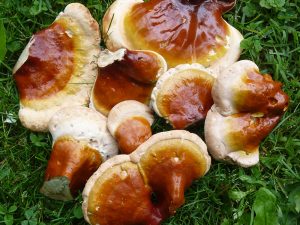
Amazing reishi! Amazing reishi!

Medicine of the Body

Plants have physical bodies and various…

View original post 2,377 more words

Plant Spirit Communication, Part II: Communication in Many Forms

Dana's avatarThe Druid's Garden

I remember taking a drive with some friends and friends-of-friends some years ago. As we were driving through a really nice forest preserve with some old trees, one of my friends in the car said, “There’s so much money there in the trees, some of them would be worth more than $1500.” He went on to talk about how his family had recently logged their property and earned over $25,000. Other people in the car jumped in and talked about the forest’s beauty and argued against him; and I just listened. Finally, I responded and said, “Every living being has a spirit. I hope that forest stands forever. They deserve to live as much as you or I.” Before this conversation had started, I was listening to the singing of that forest, so happy, so safe to be preserved. This experience stayed with me, and was a good reminder about…

View original post 2,288 more words

Our Pantry Profile: Rosemary

Crooked Bear Creek Organic Herbs's avatarCrooked Bear Creek Organic Herbs

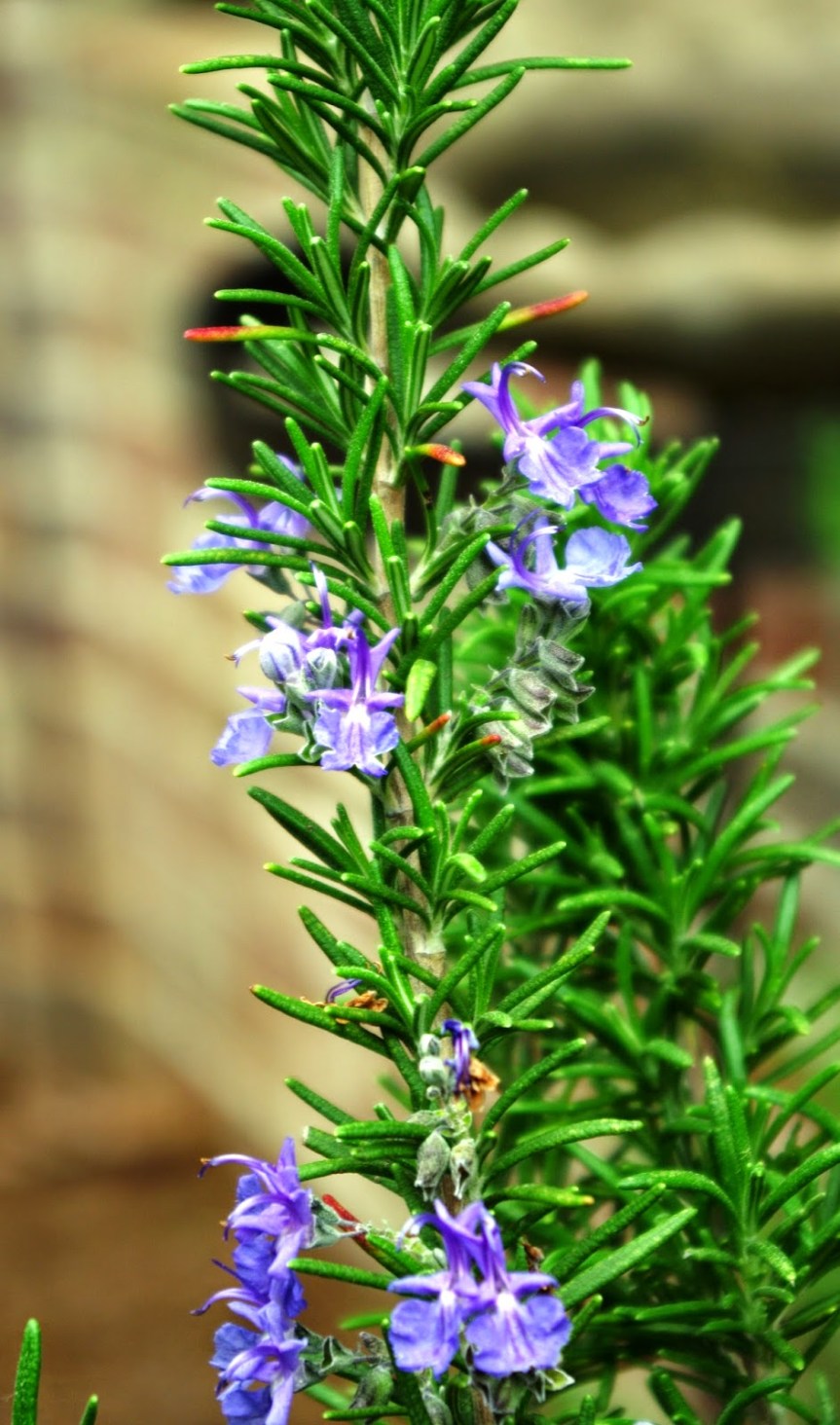
Rosemary {Rosmarinus officinalis}

The name Rosmarinus loosely translates to “dew of the sea,” given to rosemary because of its affinity for the wind-swept cliffs of the Mediterranean coast, where it originates. Beloved for centuries for its aroma and health benefits, this strongly aromatic member of the mint family is now cultivated worldwide.

Greek scholars wore garlands of rosemary to improve their memory and concentration, and many ancient herbalists recommended rosemary for failing mental acuity. During the Middle Ages, some would wear it around the neck to protect from the plague. Thirteenth-century Queen Elisabeth of Hungary claimed at 72 years of age, crippled with gout and rheumatism, that she had regained her beauty and strength by using “Hungary Water” {largely rosemary-infused}, compelling the King of Poland to propose marriage to her. Along with juniper, rosemary was frequently burned by the tub-full to disinfect the air from disease, from ancient times through…

View original post 827 more words

Plant Spirit Communication, Part I: Your Native Langauge

Dana's avatarThe Druid's Garden

When I was  new to my first job, a colleague had given two of us both who had been recently hired an elephant ear plant seedling for our offices. Our offices were next to each other, both with the same window. Each plant was planted in an identical pot and in identical soil. My elephant ear plant grew quite large and beautiful, while my colleague’s plant kept sending up small shoots and dying back. Finally, she said to me, “Why is your plant doing so much better than mine?” And I responded as a druid, totally without thinking, “I just talk to the plant and it tells me what it needs.” She rolled her eyes at me, let out an exasperated sigh, and walked away. She was never a very pleasant person, but she was particularly nasty to me for some time after that. Perhaps she thought I was mocking…

View original post 1,837 more words

Useful Links and Resources

Crooked Bear Creek Organic Herbs's avatarCrooked Bear Creek Organic Herbs

For more information and updates on the work of the three partner organizations of the ABC-AHP-NCNPR Botanical Adulterants Program, please visit ABC at www.herbalgram.org, AHP at www.herbal-ahp.org, and NCNPR at www.pharmacy.olemiss.edu/ncnpr/.

Other Helpful Resources and Links: 

AHPA’s Botanical Identity References Compendium:
http://www.botanicalauthentication.org/index.php/Main_Page

AHPA’s Keep Supplements Clean Website:
http://www.keepsupplementsclean.org/intl_enforcement.html

Botanical Nomenclature Resource – Royal Gardens-Kew:
http://mpns.kew.org/mpns-portal/

Chinese Medicinal Plants Authentication Centre:
http://www.kew.org/science/ecbot/ecbot-cmpac.html

European Commission’s Rapid Alert System for Food and Feed:
https://webgate.ec.europa.eu/rasff-window/consumers/

Food and Drug Administration’s Center for Drug Evaluation and Research (CDER) List of Tainted Products Marketed as Dietary Supplements
http://www.accessdata.fda.gov/scripts/sda/sdNavigation.cfm?sd=tainted_supplements_cder

Safety Alerts and Products Recalls: Products found to contain undeclared medicines. Drug Office, Department of Health, The Government of the Hong Kong Special Administrative Region:
http://www.drugoffice.gov.hk/eps/do/en/consumer/safety_alerts_and_medical_recalls/undeclared_medicines.html

US Botanical Safety Laboratory:
http://www.botanical-safety.com/us-botanical-safety-laboratory/85-botanical-identity-testing

USP Food Fraud Database:
http://www.foodfraud.org/

View original post