Saving Trees with Tree-Eating Mushrooms (new video!)

Greetings!

If you could imagine for one moment a mushroom-less world, you’d probably agree that this fantasy land would certainly not resemble the one we inhabit today.

In almost every ecosystem, fungi thrive and engage in countless roles indispensable to the health of every resident organism.

Perplexingly, many fungi also have the ability to shift roles in an ecosystem and instead undermine the health of resident organisms, ultimately contributing to their demise.

One model group of fungi with the ability to perform multiple (and seemingly contradictory) roles in forests is the Armillaria genus of fungi.

Armillaria fungi produce honey mushrooms, and while mycophagists celebrate the appearance of these early autumn treasures, honey mushrooms spell trouble for many foresters and homeowners.

As it turns out, mycelia of honey mushrooms can infect living trees and eventually destroy their roots and lower trunks.  This disease is known as “Armillaria root rot” and it occurs throughout the temperate and tropical regions of the world.

I recently received a great question from an arborist who was interested in combatting Armillaria infection particularly by using other fungi as a means of control.

Interestingly, there are numerous studies on the ability of mushrooms to treat and prevent Armillaria infection, and this fascinating topic is one that I explore thoroughly in the following video.

If you are interested in learning how tree-eating mushrooms can paradoxically save trees infected with fungi, check out the brand new video!


Speaking of trees, the time in which we can analyze and appreciate their winter buds is slowly dwindling.  Pictured here are four different broad-leaved species.  Do you recognize any of them?  Check out this recent Instagram post to learn more!

Thanks for reading and watching… and as always, thank you for your support!

-Adam Haritan

Spread the Love: Herbal Recipes to Treat Yourself & Others – Traditional Medicinals

Crooked Bear Creek Organic Herbs's avatarGood Witches Homestead

The intoxicating fragrance of jasmine on a warm summer’s night, the alluring hues of wild roses, borage and calendula, and the juicy sweetness of a fully ripe peach are all part of nature’s divine craft of seduction. They entice us through our senses to do their bidding. With each pluck, nibble, and inhale, they’ve lured us to spread their seeds, replant their roots, and release their pollen to keep alive their cycle of reproduction.

We invite you to further lavish yourself in nature’s pleasures through these sumptuous recipes. Access your most flirtatious self through our Kissable Beet Root Lip & Cheek Stain; awaken your sensuality with Damiana-laced Rosewater Truffles, and relax into bliss with our Stay Supple Bath Soak recipe.

Take pleasure in working with your hands as you craft these delights and relish in the joy of spreading this plant love.

Kissable Beet Root Lip & Cheek Stain

View original post 707 more words

Where And How To Grow An Herbal Groundcover

The urge to muck about and create plant habitat goes hand-in-hand with the urge to grow more and more species of plants that need individualized growing conditions.   As your species list increases, you will probably feel motivated to prepare specific plant habitats.  After all, making your plants happy is a way to spread a groundcover of happiness into yourself.

RICHO CECH

Bugle (Ajuga reptans)

Living groundcovers can be of great benefit to the garden and the gardener.  The best ones are evergreen or at least remain trim and green for most of the year: pleasing to the eye, softening the edges of the landscape around pathways, beds and walls; discouraging weeds; preventing erosion; conserving water and nutrients, these are the many attributes of the groundcover.   Classic examples are: the Roman Chamomile lawn that dresses rich soils in full sun; Corsican Mint or Creeping Thyme grown on rocks,  over steps or between stepping stones;  Rupturewort grown over rock, gravel and scree; European Speedwell or Brahmi growing in muck at the margins of the pond;  Bugle or Self-Heal grown in loose mulch under trees in acidic woodlands or in moist, open meadows.  An added benefit is that each of these and other groundcovers also has medicinal use, uses as diverse as their preferred environmental niche, uses as diverse as the gardeners that choose to live with these groundcover allies.  This article will give an overview of herbal groundcovers and how to get them established, including a few notes on their medicinal uses and preferred habitats.

Site preparation and planting.  A good groundcover can be achieved only if the slate is wiped clean.  A monotypic stand cannot be achieved by sprinkling seeds into an existing lawn, grasses or weeds.  These must be removed prior to the planting of the groundcover.  Various options exist, but the general plan is to grub out the weeds and prepare a new seedbed, either by working the existing ground or by bringing in soil, sand, compost, pumice, coir and/or peat.  Although gardeners sometimes have success with direct-seeding groundcovers into a prepared seedbed, the reality is that more control gives more results.  Most groundcover species have very small, sometimes dust-like seeds, and in most cases it works better to start the plants indoors and transplant young bare-rooted or potted groundcover plants into the receptive soil.  A six-inch spacing is usually very effective–the groundcover will root in, spread and interlock.

View original post at:  Richo’s Blog ~ Where and How to Grow an Herbal Groundcover

How to Make and Work with Rosemary Oil in Your Apothecary – Floranella

Crooked Bear Creek Organic Herbs's avatarGood Witches Homestead

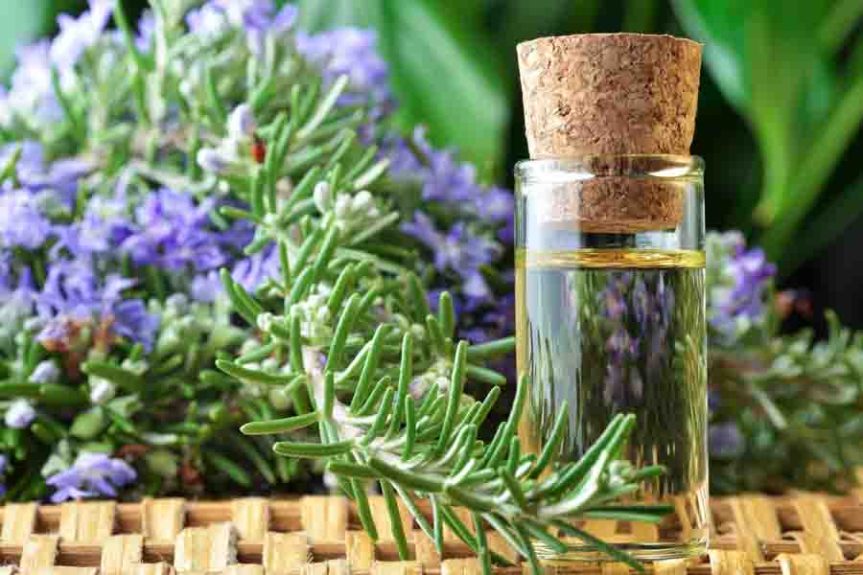
You have probably heard that St. John’s wort oil is incredible for muscle aches and pains, but did you know that rosemary-infused oil can also work wonders? Not everyone has access to fresh St. John’s wort when it’s flowering at just the right stage for making oil, but most people have access to rosemary. Even if you don’t grow it, you can find it in the spice or produce aisle at your local grocer. It won’t turn the oil that brilliant red color, but it will be effective! Let’s talk about how to make a rosemary oil that can really work.

To make your rosemary oil, you’ll want to first dry your rosemary. Strip the leaves from the stems and lay them out on a drying rack or towel-lined cookie sheet. Allow them to air dry until they feel brittle and will break easily when you try to bend them…

View original post 441 more words

Love It Up With Herbal Aphrodisiacs Recipes

Crooked Bear Creek Organic Herbs's avatarGood Witches Homestead

Sex doesn’t have to be all business and no fun! If you find yourself slipping under the bedsheets for the primary purpose of procreation or if you’re struggling to express your sexuality, if you feel something in your sexual life is off or maybe you just want to rev up an already pleasurable experience—let’s talk about it. Let’s talk about sex, baby, and how herbs can help! 

Get ready to discover and celebrate the wonders of sex! You can use herbal allies to enhance sexual function while enjoying heightened expression and pleasurable intimacy. Through this 3-part intensive on herbal aphrodisiacs and sexual health, you’ll learn about the physiological processes that play into your sexual function and gain the understanding of an entirely new approach to using classic botanicals to support and jazz up your sex life. We’re pulling our favorite hot herbs into an irresistible collection of aphrodisiac recipes…

View original post 435 more words

Primrose is Considered the Flower of February.

Crooked Bear Creek Organic Herbs's avatarGood Witches Homestead

COMMON NAME:  primrose
GENUS:  Primula
SPECIES, HYBRIDS, CULTIVARS:
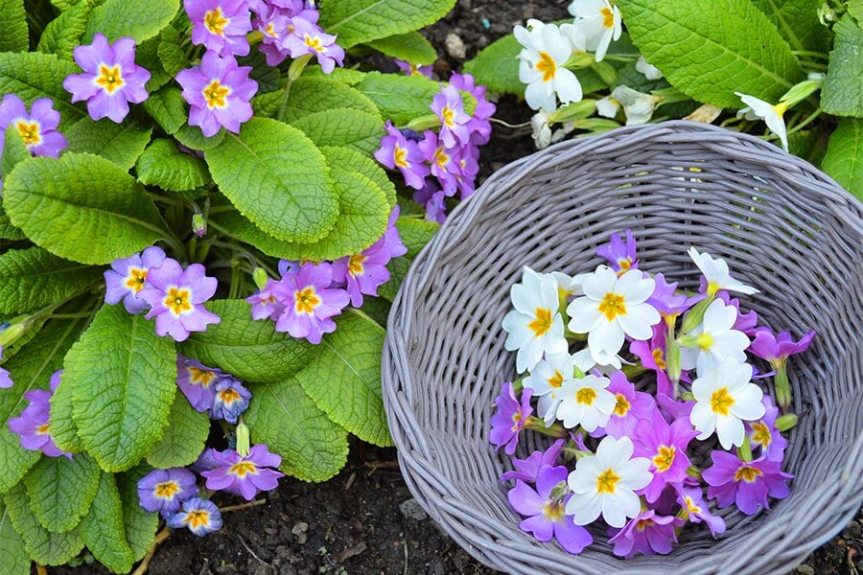
P. denticulata-lavender, purple, or white flowers; grows to 12 inches. P. japonica ‘Millar Crimson’-flowers whorled around the 24-inch stem; blooms May-June. P. polyanthus-best known; colors are red, pink, blue, gold, and white, all with small yellow eyes.
FAMILY:  Primulaceae
BLOOMS:  spring
TYPE:  perennial
DESCRIPTION:  Primroses form an attractive rosette of crinkly, light green leaves. The flowers are generally brightly colored and occur in tight bundles on individual stems above the leaves.
CULTIVATION:  Needing partial shade, primroses thrive in well-drained, rich soil. They are indigenous to cool, moist meadows and woodland environments  Duplicating these conditions as closely as possible will create the best growing conditions for primroses. The soil should not be allowed to dry completely. To retain vigorously blooming plants, divide clumps every four to five years. Seeds should be sown in midsummer for bloom the following spring.

Primrose is…

View original post 2,309 more words

Raspberry, Herb of the Year and Herb of the Month: History and Lore

The Herb Society of America's avatarThe Herb Society of America Blog

HOM Brambles

By Pat Greathead

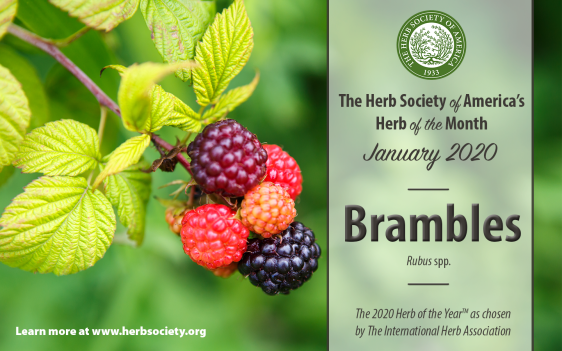
Raspberry, Rubus spp., is the International Herb Association’s Herb of the YearTM for 2020 and The Herb Society of America’s Herb of the Month for January (Brambles). The genus Rubus includes both the red and black raspberry and the blackberry as well as almost 700 other species. Rubus is in the Rosacea family.

My Wisconsin Unit of The Herb Society each year examines the IHA Herb of the Year.TM In this blog post, I have mainly focused on red raspberry leaf and have used information from many websites in writing this article. I hope you enjoy reading it as this is the year of the raspberry!

Raspberry leaves are among the most pleasant tasting of all the herbal remedies, with a taste much like black tea, without the caffeine. Raspberries are native to Asia and arrived in North America via prehistoric people, with the first…

View original post 1,425 more words

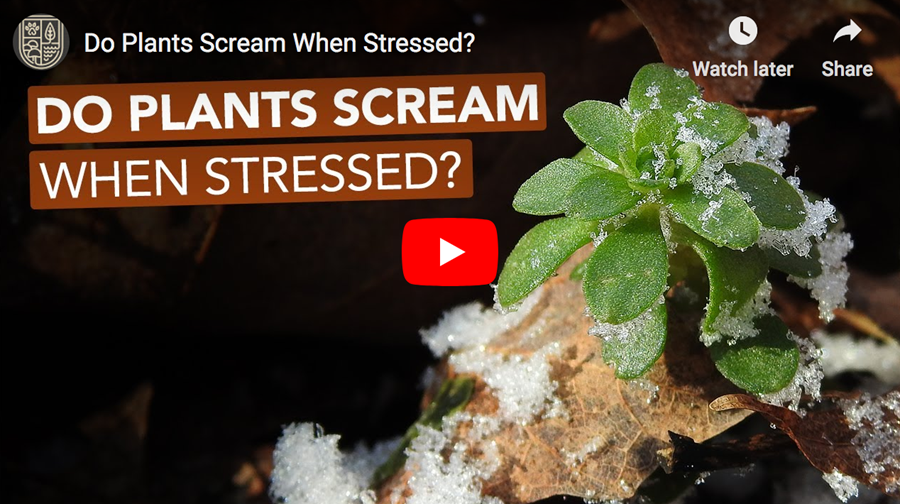
Do Plants Scream When Stressed? A Brand New Study Has Some Answers

Noises associated with plants aren’t unfamiliar to those of us who spend time with plants.  We hear plants in the wind, in the rain, and even when fruit capsules explode to release seeds.

Generally, plant noises are considered to be the by-products of mechanical processes, rather than the ways in which plants intentionally communicate with other organisms.

In fact, it almost seems too esoteric to suggest that plants communicate using sounds, yet new research offers insights into the unique ways in which plants may do just that.

Interestingly, many news outlets have picked up on this story and are now reporting on the ability of plants to “scream” in stressful situations.  These situations include drought-like conditions and the physical cutting of stems.

But is that what plants are really doing?  “Screaming” when cut or deprived of water?

That’s the topic of this week’s video, so if you’re unfamiliar with the ability of plants to emit informative airborne sounds in stressful situations, check it out!

Mushrooms utilize all kinds of organic material for sustenance… including the stems and leaves of moss.  If you’re unfamiliar with this particular moss-loving fungus, check out the recent Instagram post!

Thanks for reading and watching, and as always, thank you for your continued support.

-Adam Haritan

The Bee and the Machine: Moving Beyond Efficiency and towards Nature-Centeredness

Dana's avatarThe Druid's Garden

Animals have spirit!

Over the course of the last four centuries, the Western World has created a set of “unshakable” principles concerning the natural world: that nature is just another machine, that animals don’t feel and do not have souls, that plants and animals aren’t sentient. Descartes, writing in the 1600s during the early rise of mechanization, was one of the first to make this claim. He posited that animals are mechanical automata, that is, they are beings without souls, feelings, or pain. These same ideas were not limited to non-human life; we see the same kind of thinking being applied to justify slavery, genocide, colonialization, and a list of other atrocities. When we combine this kind of thinking with the economic ideas of “growth at all costs” and “efficiency”, we end up in the dystopian fiction we find ourselves living in right now. I want to take some time…

View original post 2,436 more words

Baneful Herbs in Magical Practice | Coby Michael Ward

Crooked Bear Creek Organic Herbs's avatarGood Witches Homestead

Using Baneful Herbs in Magic

With their infamous reputations and prominent place in myth and folklore, the Baneful herbs begin to seem more like mischievous magical creatures appearing throughout history in folktales and first-hand accounts.  They are powerful in their chemistry and in their occult power, but they are still plants.  The deadly nightshade grows in the same soil as the mint and the lavender.  They get light and water from the same sky.  It is important to remember this when incorporating baneful plant spirits into your magical practice.  People often ask how these herbs can benefit one magically, and how to use them.  The answer is, that they all have their own unique powers and applications, and other than ingesting, they can be used magically like any other herb.

In magic, herbs, woods and/or resins are used in pretty much everything.  They can be incorporated into spells in so…

View original post 901 more words