What Are the Health Benefits of Eucalyptus?

Crooked Bear Creek Organic Herbs's avatarCrooked Bear Creek Organic Herbs

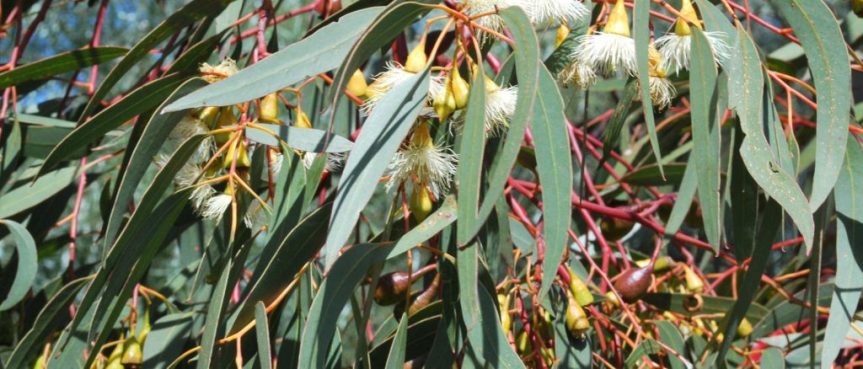
Eucalyptus is a fast-growing evergreen tree native to Australia. As an ingredient in many OTC products, it is used to reduce symptoms of coughs, colds, and congestion. It also features in creams and ointments aimed at relieving muscle and joint pain.

The oil that comes from the eucalyptus tree is used as an antiseptic, a perfume, as an ingredient in cosmetics, as a flavoring, in dental preparations, and in industrial solvents.

Chinese, Indian Ayurvedic, Greek, and other European styles of medicine have incorporated it into the treatment of a range of conditions for thousands of years.

There are over 400 different species of eucalyptus. Eucalyptus globulus, also known as Blue Gum, is the main source of eucalyptus oil used globally.

Leaves are steam distilled to extract the oil, which is a colorless liquid with a strong, sweet, woody scent. It contains 1,8-cineole, also known as eucalyptol.

The leaves also…

View original post 5,193 more words

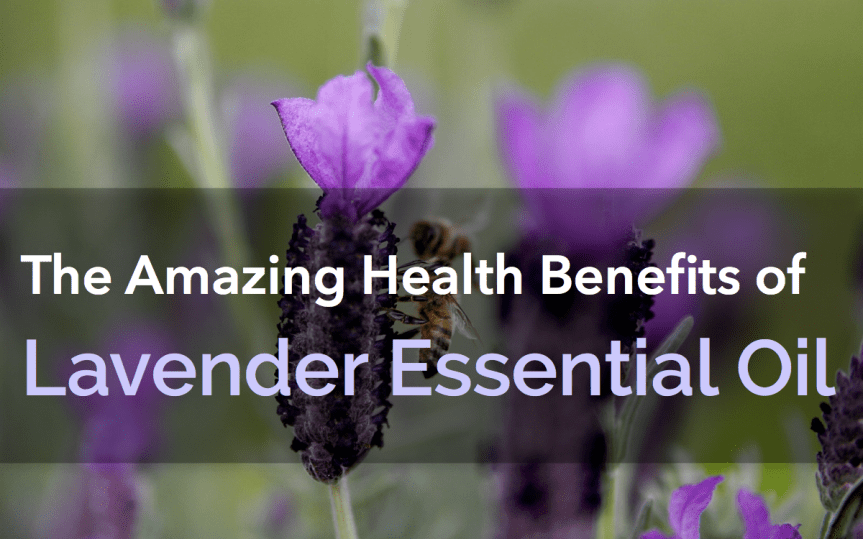
LAVENDER’S MEDICINAL AND AROMATHERAPY USES

Crooked Bear Creek Organic Herbs's avatarCrooked Bear Creek Organic Herbs

There are few scents in this world that evoke the feeling of clean – lavender is one of them. Its common and scientific name originates from lavare, the Latin word for wash or bathe. Lavender was popular as a linen-washing herb in Europe, no doubt due to its pleasant aroma, but it also possesses antiseptic qualities and can help to keep insects at bay. Discouraging or killing insects was paramount before the invention of glass windows and screens, a time when humans often shared the same roof with flea and lice-ridden livestock. Maude Grieve writes in A Modern Herbal (no longer especially modern, as it was written in 1931):

Dried Lavender flowers are still greatly used to perfume linen, their powerful, aromatic odour acting also as a preventative to the attacks of moths and other insects. In America, they find very considerable employment for disinfecting hot rooms and keeping away…

View original post 5,221 more words

HSA Webinar: Growing and Using Herbs of the Southwestern Missions

The Herb Society of America's avatarThe Herb Society of America Blog

Author Jacqueline Soule will be presenting this month’s webinar on Wed, March 25 at 1pm – click here to register. This article is excerpted from her book, Father Kino’s Herbs: Growing and Using Them Today.

Epazote – An Efficacious ‘Erbcover kino

By Dr. Jacqueline A. Soule

Did you know that you can speak at least one word of Nahuatl, the language spoken in Mexico pre-conquest? Epazote is the Nahuatl name for Dysphania ambrosioides (formerly Chenopodium ambrosioides). English common names include wormseed, Jesuit tea, American wormseed, Mexican tea, and Jerusalem oak.

By the time of contact between the New and Old Worlds, epazote had been cultivated for well over a thousand years in southern and southeast coastal Mexico.  It was, and still is, a principal flavoring for a large number of Yucatan and Veracruz dishes and is indispensable for cooking black beans.

Epazote in Cooking

Like the Old World herbs…

View original post 843 more words

The Essence of Ginger

Crooked Bear Creek Organic Herbs's avatarCrooked Bear Creek Organic Herbs

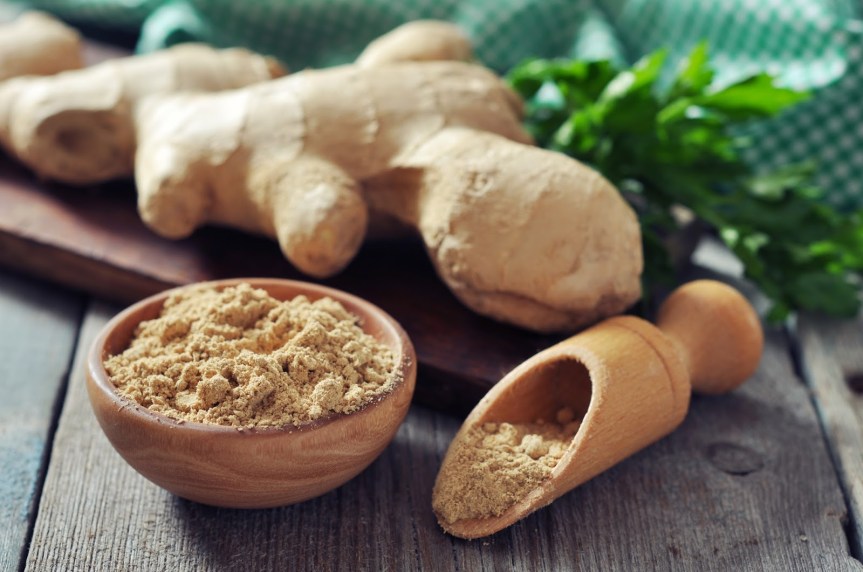
No modern medication can rival the range and variety of therapeutic effects that can be induced by ginger. However, the full awareness of the health benefits and value of the herbal ginger remedies is rather limited because of the monopolistic health-care systems and a historically biased regulatory environment in most countries. Out of the hundreds of species in the plant family Zingiberaceae, the ginger remains the most famous and popular herb. Ginger is a rhizome, according to the correct botanical classification, though the underground stem of the ginger is often mistaken to be a root. Many different varieties of the ginger herb exist in the wild and in cultivation, these varieties range from mild to spicy in taste, and all of them require tropical conditions and fertile soils to grow at an optimal rate. The ginger herb has traveled out from Southeast Asia to the new world, over a period…

View original post 3,891 more words

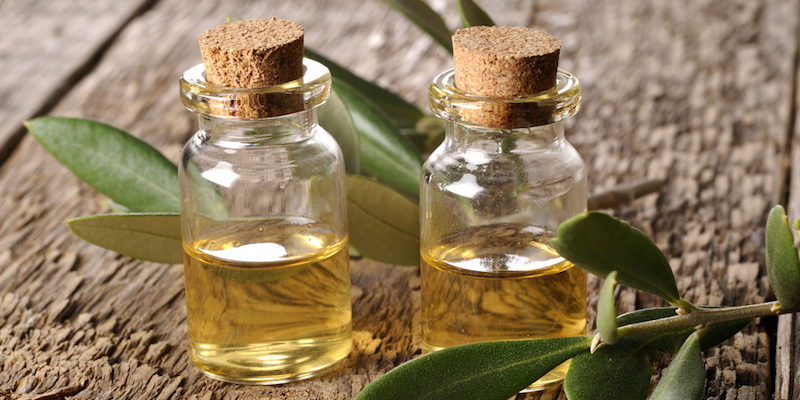
Tea Tree Oil: Benefits, Uses

Crooked Bear Creek Organic Herbs's avatarCrooked Bear Creek Organic Herbs

From antiseptic mouthwash to natural deodorant, tea tree oil is an essential oil with a multitude of uses and benefits. It tends to be pale yellow or colorless, with an aroma that is similar to eucalyptus or camphor and boasts antibacterial, antiprotozoal, antiviral, anti-inflammatory and antifungal properties. Here’s a deep-dive into all that it can do.

What Is Tea Tree Oil?

Tea tree oil is distilled from the leaves of an evergreen shrub called Melaleuca alternifolia. The plant is native to Australia and used by Aboriginal people for cleaning wounds and other skin problems.

Benefits of Tea Tree Oil

Tea tree oil has a 100-year history as a natural remedy. The Bundjalung Aboriginal people would crush the leaves to create a paste to apply to the skin. They also made tea from the leaves to soothe a sore throat.

Amazing Antibacterial Properties

The antibacterial properties of tea tree oil have been studied since…

View original post 4,488 more words

Suggested Herbal Supports for Influenza/Influenza-Like Illness in the Event of a Pandemic | The Science and Art of Herbalism

Crooked Bear Creek Organic Herbs's avatarCrooked Bear Creek Organic Herbs

Compiled By: Lora Krall, Nurse Herbalist

With the recent incidence of seasonal influenza on the rise and the additional concern of possible coronavirus infections, the need for a list of possible options to support those who may become ill with these respiratory viruses is essential.  This list is by no means complete but is designed to offer the herbalist a list of options in order to support those of a specific disadvantage due to (race, socioeconomic conditions, isolation, gender, ethnicity, etc..), in situations of possible limited availability of certain plant preparations and to expand the list of options for those in your care.  In the event of a pandemic, herbalists will be KEY supports to our communities.  It is wise to be prepared.

Additionally, none of these herbal suggestions are meant to be sole support for someone who is ill.  In order for herbs to really support the body, some…

View original post 3,088 more words

Rosemary, “Remember Me”

Crooked Bear Creek Organic Herbs's avatarGood Witches Homestead

The Illustrated Herbiary Collectible Box Set: Guidance and Rituals from 36 Bewitching Botanicals; Includes Hardcover Book, Deluxe Oracle Card Set, and Carrying Pouch (Wild Wisdom)

Rosemary is the smell of deja vu and the after-breath of nostalgia. Her gift is the faint scent that teases and vanishes, leaving you longing for something you can’t quite name, with memories that crest and crash, pulling you gasping into their undertow.

In Victorian times Rosemary was said to say, “Remember me.” This is but a small part of her magic. Rosemary can ease remembrance, softening sharp edges, or she can dredge the distant past, pulling on your DNA to bring forward the longings of lineage. Crush the leaves. Hold them to your nose. The past is encoded into our cellular memory. Rosemary whispers, Sink into the knowledge that lives in your bones. Let memory rise up from the body of your being.

rosemary maia toll

Honoring…

View original post 2,323 more words

A Natural Antibiotic: Thyme Oil

Crooked Bear Creek Organic Herbs's avatarCrooked Bear Creek Organic Herbs

I originally posted this article a few years ago when my husband became extremely ill with MRSA he had contracted from the apartment complex we manage. I feel that with the current situation at hand with the COVID-19 outbreak this post about thyme oil is appropriate.

A Natural Antibiotic: Thyme Oil

Superbugs like methicillin-resistant Staphylococcus aureus {MRSA} are on the rise and, unfortunately, are becoming resistant to the drugs used to treat them. When faced with a microbial infection, using natural antibacterial agents may not only be more effective but also safe and risk-free.

Apart from using spices like garlic, I recommend you try essential oils derived from herbs like thyme oil. Not only do they have antibacterial properties, but they also provide a number of health benefits. Before I go into thyme oil’s antimicrobial functions, let me share some information on the essential oil.

What Is Thyme Oil?

Oil of…

View original post 2,602 more words

How to Make Elderberry Syrup — Richo’s Blog

According to herbalists, Elderberry syrup is a great preventive for colds and flus, an antiviral (helps prevent viruses from replicating) and immune stimulant. European Black Elderberries (Sambucus nigra) are the best type to use. Here is a simple recipe for making the syrup at home: 1) Use one cup (appx 100g) of dried black elderberries.…

via How to Make Elderberry Syrup — Richo’s Blog

Oregano Essential Oil: For Colds and Respiratory System

Crooked Bear Creek Organic Herbs's avatarCrooked Bear Creek Organic Herbs

Organic Oregano Essential Oil is derived from the Origanum Compactum plant, a species native to Morocco where it is more commonly known as Zaatar – a valued domestic plant with a strong, spicy, tangy aroma and a multiplicity of therapeutic benefits. There are approximately 3 to 4 dozen species of the perennial Oregano herb, which is also sometimes referred to as Wild Marjoram due to its relation to the herb Marjoram. The name Oregano, however, is derived from the Greek term origanon, which means “acrid herb.” When the word is further dissected, the etymology given is that the word compounds the Ancient Greek terms “oros” meaning “mountain” and “ganos” meaning “joy.” When combined, they mean “mountain brightness” or “joy of the mountains.”

Both the herb and the essential oil of Oregano have been used since ancient times for medicinal purposes. Greek physicians including Hippocrates and Maimonides prescribed it for…

View original post 1,767 more words