
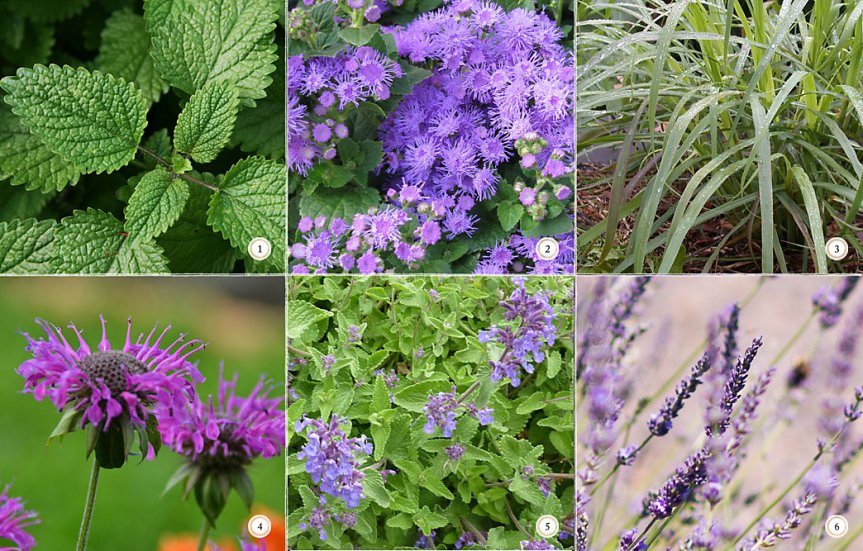
6 Bug Repellent Patio Plants

Six Bug Repellent Patio Plants …

Crooked Bear Creek Organic Herbs's avatarCrooked Bear Creek Organic Herbs

We love to spend our summer days outside with family and friends, but pesky bugs are quick to drive a party indoors. For a chemical-free way to keep insects at bay this season, we asked the experts from our green goods team to recommend their favorite bug repellent plants. Planted near the doorway or transformed into essential oils, these six natural options deter mosquitoes, flies, and more uninvited guests in the summer garden.

1. Lemon Balm (Melissa officinalis): Like many members of the mint family, this herb provides protection against summertime mosquitoes. To make a quick, all-natural bug repellent, crush a handful of lemon balm leaves and rub onto any exposed skin. If you’ve already suffered a bug bite, its soothing oils can limit itching as well. This easy-to-grow herb also has a number of additional applications, from infused teas and vinegar to green salads.

2. Ageratum ‘Artist…

View original post 326 more words

Homemade Organic Pesticides

Ever wonder what farmers did hundreds of years ago to fight off crop pests? Long before the invention of harmful chemical pesticides (yes, the kind that is linked to cancerous cellular activity), farmers and householders came up with multiple remedies for removing insect infestations from their garden plants.

The following list will offer some of our favorite, all-natural, inexpensive, organic methods for making bug-busting pesticides for your home garden.

1. Neem

Ancient Indians highly revered neem oil as a powerful, all-natural plant for warding off pests. In fact, neem juice is the most powerful natural pesticide on the planet, holding over 50 natural insecticides. This extremely bitter tree leaf can be made in a spray form or can be bought from a number of reputable companies.

To make your own neem oil spray, simply add 1/2 an ounce of high-quality organic neem oil and ½ teaspoon of a mild organic liquid soap (I use Dr. Bronners Peppermint) to two quarts of warm water. Stir slowly. Add to a spray bottle and use immediately

2. Salt Spray

For treating plants infested with spider mites, mix 2 tablespoons of Himalayan Crystal Salt into one gallon of warm water and spray on infected areas.

3. Mineral oil …

Read the rest at the Source: Homemade Organic Pesticides