
Herb Guide: Chamomile

By Crooked Bear Creek Organics

Crooked Bear Creek Organic Herbs's avatarCrooked Bear Creek Organic Herbs

  • German Chamomile – Matricaria chamomilla
  • Roman Chamomile – Anthemis nobilis

The chamomile herb is another well-known plant, used in making effective herbal remedies for the treatment of a variety of illnesses. The herb has a great relaxant action on the nervous system and the digestive system. The herbal remedies made from this plant are considered to be a perfect remedy for the treatment of disorders affecting babies and children. The main action of the chamomile is that it brings about relaxation in all the smooth muscles throughout the body of an individual. The herb acts on the digestive tract and rapidly brings relief from any muscular tension and spasms, it alleviates disorders such as colic, and it can reduce the amount of abdominal pain, and remedy excess production of wind and abdominal distension in patients.

Chamaemelum-German_1

The other major effect of the herb lies in its ability to regulate peristalsis along the…

View original post 2,224 more words

Herb Guide: Echinacea

By Crooked Bear Creek Organics

Crooked Bear Creek Organic Herbs's avatarCrooked Bear Creek Organic Herbs

Echinacea, pronounced ek-i-NAY-see-a, is one herb that has become a “household” name in the 1990’s. Many refer to it as “Purple Cone Flower” because of its large purple daisy petals, which contain a hard and spiny center cone. These spines probably give the plant its name, since sea animals with spines are called “echinoderms”. Echinacea is indigenous to the U.S. and can be found both growing wild in many areas as well as in cultivated gardens. There are actually nine different species of the plant; two are most popular as remedies: Echinacea Angustifolia and Echinacea purpurea.

Echinacea for Immuno-Excellence…

Adapted from The Natural Medicine Chest, by Ellen Kamhi, PhD RN and Eugene Zampieron, ND
______________________________________________________________________________

FACTS:

Echinacea is a North American plant, native to the prairies…

Echinacea is an important plant for treating immune dysfunction…

Echinacea juice can be placed directly on wounds to promote healing…

_______________________________________________________________________________

Echinacea is…

View original post 1,106 more words

Herb Guide: Wild Thyme {Thymus serpyllum}

By Crooked Bear Creek Organics

Crooked Bear Creek Organic Herbs's avatarCrooked Bear Creek Organic Herbs

Also, Known As:

  • Creeping Thyme
  • Mother-of-thyme
  • Wild Thyme

The wild thyme is native to the larger parts of Europe where the land is dry. The wild thyme is rare compared to the common thyme’s and is farmed extensively. Normally, wild thyme is found growing up to a certain altitude on the Alps, on high plateaus, in valleys, alongside trenches, roads, on rocks and also in infertile and dry soil. Wild thyme may also be found growing in moisture-laden clay soil that is improvised of chalk. Wild thyme’s can also be found in old rocky, deserted grounds, dried-up grass turfs and also on open lands. Particularly in England, wild thyme’s grow normally on moorlands and rocky terrains. Wild thyme is frequently cultivated as garden borders, in rock gardens or on the sunlit banks of rivulets and streams.

Wild thyme is a perennial herb. The herb’s sulky wooded stems grow up to a…

View original post 1,531 more words

Herb Guide: Oregano

By Crooked Bear Creek Organics

Crooked Bear Creek Organic Herbs's avatarCrooked Bear Creek Organic Herbs

Origanum vulgare

Also, Known As:

  • Common Marjoram
  • Oregano
  • True Oregano
  • Turkish Oregano
  • Wild Marjoram
  • Winter Marjoram

The famous European herb called the oregano or the pot marjoram is a very familiar spice, botanical name Origanum vulgare. It is a common herb, and the European oregano is known to be a very hardy and perennial herb characterized by the presence of an erect, and somewhat hairy and well-branched stem, the leaves of the herb are also hairy. When fully grown, the plant can cross two feet in height, and is characterized by a very acrid and pungent odor, the fragrance of the plant is very strong, and has a sage-like an aroma, it also smells somewhat like another spice, the thyme – also used in a lot of European cuisines.

The oregano also refers to the pleasant and mint smelling European herb, the marjoram, or the wild marjoram as it is…

View original post 2,012 more words

Herb Guide: It’s About Thyme

By Crooked Bear Creek Organics

Crooked Bear Creek Organic Herbs's avatarCrooked Bear Creek Organic Herbs

Thymus vulgaris

Also, Known As:

  • Black Thyme
  • Common Thyme
  • English Thyme
  • French Thyme
  • Garden Thyme
  • German Thyme
  • Serpyllum
  • Thyme
  • Tomillo
  • Winter Thyme

Thyme is a common name given to all the herbs belonging to the plant species called Thymus. The Thymus is indigenous to Europe and Asia and all plants belong to this species are usually low-growing and perennial. Among the different plants of this species, the common or garden thyme is regarded as the main variety and is used commercially for flowering as well as decorative purposes. The garden thyme is a small shrub bearing greyish-green leaves and flowers whose hues vary from white to pink or purple. Several countries in Europe, including Spain, Portugal, France, and Greece, as well as the United States, cultivate and harvest the thyme. Basically, there are three major types of thyme – French, English, and German, and each of them bears leaves of…

View original post 3,610 more words

Herb Guide: Growing and Using Rosemary

By Crooked Bear Creek Organics

Crooked Bear Creek Organic Herbs's avatarCrooked Bear Creek Organic Herbs

Rosmarinus officinalis

Also, Known As:

  • Compass Weed
  • Dew of the Sea
  • Garden Rosemary
  • Incensier
  • Mary’s Mantle
  • Mi-tieh-hsiang
  • Old Man
  • Polar Plant
  • Rosemary
  • Rosemary Plant

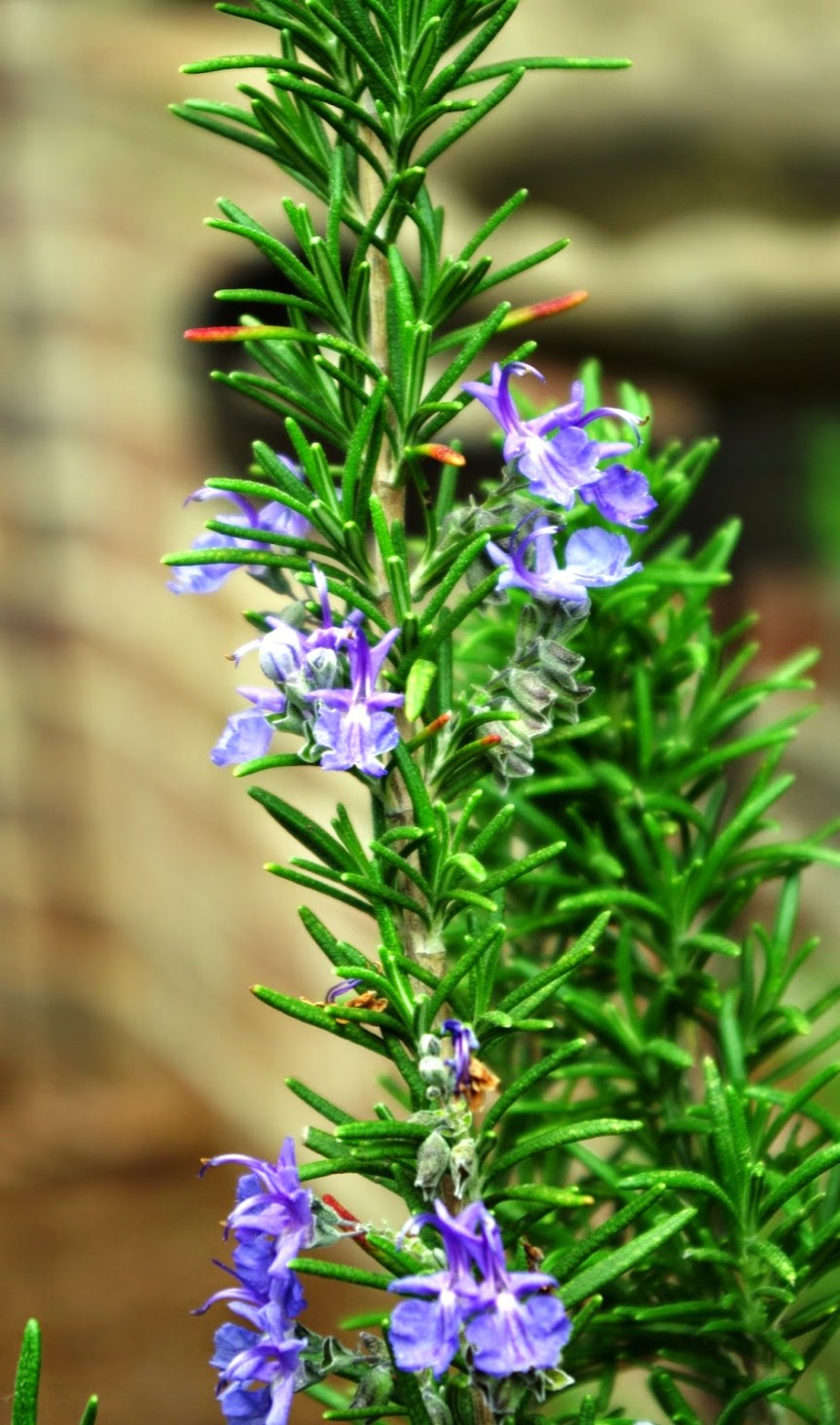
Rosmarinus officinalis L. (family Lamiaceae), is also known as rosemary. This herb is an evergreen shrub, with lovely aromatic linear leaves. Colored a dark shade of green above and white below, the leaves of the rosemary give off a beautiful fragrance, and with its small pale blue flowers, the plant is cultivated extensively in many kitchen gardens across America and elsewhere.

The evergreen shrub originated in the Mediterranean area, but it is today cultivated almost everywhere in the world, primarily for its aromatic leaves. The shrub has several ash colored branches, and the bark is rather scaly. The leaves, as described earlier, are opposite and leathery thick. They are lustrous and dark green above and downy white underneath, with a prominent vein in the middle and…

View original post 3,130 more words

Growing Lemongrass

By Crooked Bear Creek Organics

Crooked Bear Creek Organic Herbs's avatarCrooked Bear Creek Organic Herbs

Also known as Fever grass, Bhustrina, and Takrai. From the family Poaceae.

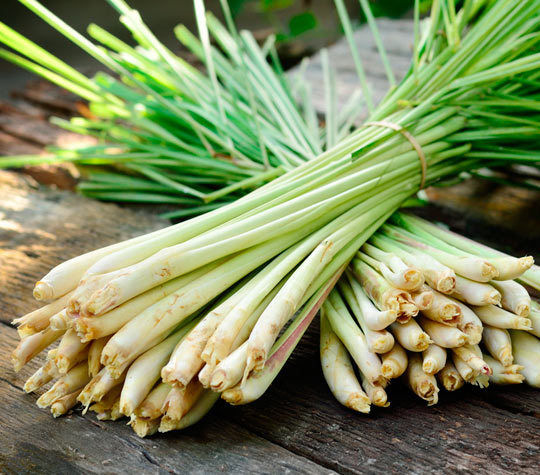
This important culinary and medicinal herb, which can be found throughout the tropics, is indigenous to Southeast Asia where it is used extensively to produce an essential oil. It is also a snake repellent and a versatile garden plant. There are records showing that the Persians were using it as a tea in the first century B.C. I have been lucky enough to see it growing and flowering naturally in the Caribbean {Jamaica} where they primarily use it for reducing fevers.

VARIETIES:

Cymbopogon citratus: Lemon Grass

A half-hardy perennial, evergreen in warm climates. Height 4 1/2 ft. Spread 3 feet. Lax panicles of awnless spikelets appear throughout the summer. However, it rarely flowers in cold climates. Lemon-scented linear, grey/green leaves up to 3 feet in length. Robust creamy/beige cane-like stems. Zone 9.

Cymbopogon nardus: Citronella Grass

A…

View original post 765 more words

Our Herb Garden Guide for Desert Dwellers

By Crooked Bear Creek Organics

Crooked Bear Creek Organic Herbs's avatarCrooked Bear Creek Organic Herbs

HERB GARDEN

Herbs have been used for generations for many purposes from medicinal remedies to perfumes and culinary uses. Herbs also provide beauty and variety to our desert landscapes. We invite you to use this guide to learn about the variety of herbs that grow well in our Sonoran Desert and how you can create your own herb garden at home.

OVERVIEW
The Herb Garden is designed with seven themed gardens. This guide has information about each area with plant recommendations and growing tips about herbs you can grow in your low desert garden.

THEMES
Sensory Garden Wildlife Garden Tea Garden Mediterranean Garden Picante Garden Culinary Garden Medicinal Garden

DEFINITION: herb: a plant that is useful in some way

MEDITERRANEAN GARDEN

Many herbs that thrive in our harsh desert environment are of Mediterranean origin. Soil types, low rainfall and over 300 sunny days a year allow these familiar herbs…

View original post 2,014 more words

A Blend To Rest, Relax & Ease Your Nightmares – Recipe Included!

By Slavic Witch

Have You Seen These Amazing Wildflowers?

Greetings!

First, I want to say “thank you!” to everyone who pre-registered for the upcoming Wild Edible Plant & Mushroom Outing (featuring Sam Thayer!) on June 2nd.  The event filled to max capacity within 24 hours and registration is now closed.  Stay tuned for another exciting Learn Your Land event to be held in early July!

Second, let’s talk about flowers.

If you’re a wildflower enthusiast like me, perhaps you’ll agree that the spring ephemeral wildflower season is one of the best times of year to explore the woods.

What’s not to love about a hillside teeming with White Trillium?  Or a vernal pool speckled with Marsh Marigold? Or a floodplain loaded with Virginia Bluebells?

Personally, I can’t think of a spring ephemeral wildflower I don’t like.  No matter the color, no matter the size… each one is a superstar in its own special way.

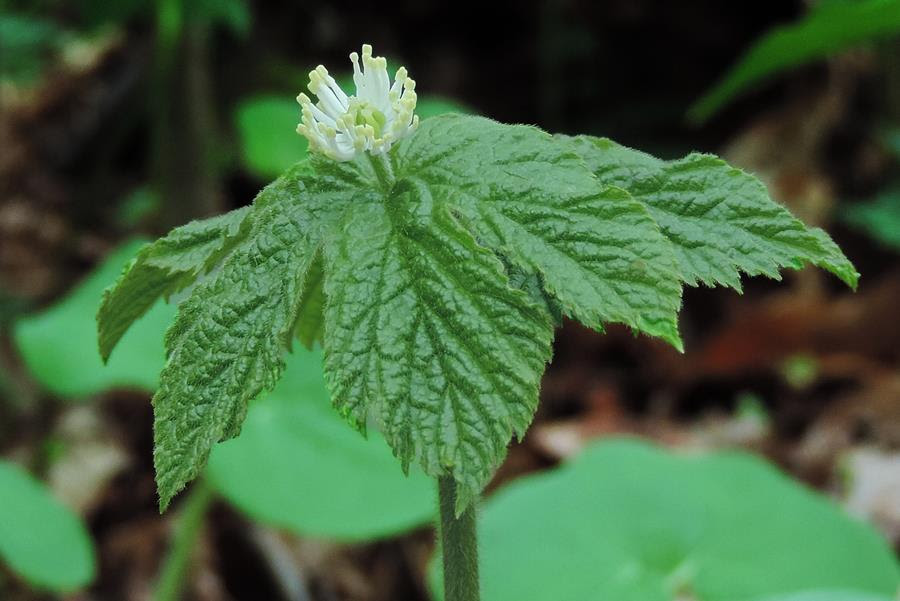
Recently, I took to the woods in search of these fleeting flowers and tried my best to capture the magic on film.  The sky was sunny, the air was warm, and plenty of plants were blooming that afternoon.  Needless to say, the wildflowers definitely put on a good show.  Check it out!

Speaking of ephemeral organisms, morel mushrooms are making grand appearances all over the woods right now.  Depending on where you live, these choice edible fungi may currently be fruiting in your neck of the woods.  Check out this recent Instagram post to learn more about these elusive springtime fungi!

Thanks for reading and watching, and as always, thank you for your support!

-Adam Haritan