

Never has it been more important and urgent to regenerate your body and build robust immunity than now, in the midst of our global health crisis.
Acquiring the right knowledge about plant allies, and how to source and prepare them, can be life-changing for you and your family.
Some of the plants and fungi of our immediate natural environment offer remarkable healing power. Plants contain a myriad of compounds that can nourish, balance, and support immune function, thereby increasing your body’s built-in resistance to disease.
Join Plant Medicine for Modern Epidemics Summit, where you’ll discover how plants can purify, protect, and support us — as they sharpen our minds, extend our lives, and deepen our connection with this blessed planet.
Free Online Event
Plant Medicine for Modern Epidemics Summit
August 24-28, 2020

The summit includes presentations by more than two dozen leading natural medicine experts, health practitioners, and inspiring…
View original post 266 more words

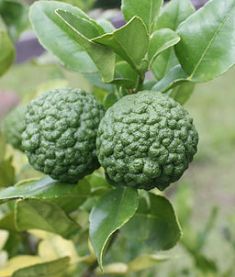 The Herb Society of America’s Herb of the Month for August is the makrut lime,
 While on a volunteer trip in Orlando, Florida, I was desperate for bug spray. In the middle of December, the mosquitoes nibbled on any exposed skin they could find, leaving me and the rest of the unprepared Maryland native participants with patches of red swollen bumps on our ankles and arms. Our guides, a retired couple who volunteers with the state parks, became our heroes on the second day of the trip. During our lunch break, the husband saunters over to us, carrying a branch from a nearby shrub and states, “This is spicebush. Crush its leaves and rub it onto your arms. Keeps the bugs away and helps the itch.” Immediately, we passed the branch around, ripped the leaves off the branch, crumpled them, and rubbed the lemon-peppery scented oil onto our skin.




You must be logged in to post a comment.