
Plants are our medicine, our teachers, our friends, and help us connect deeply to spirit in a wide variety of ways including through spiritual work. Long before recorded history, our ancient ancestors used plants of all kinds. Ötzi, the ancient ancestor who was preserved in ice and who lived between 3400 and 3100 BCE, was found with multiple kinds of plants and mushrooms, including birch polypore (a medicinal mushroom) and the tinder fungus, a mushroom often used for transporting coals starting fires. I love plants, and I love the ancestral connections and assistance that they can provide. In more recent history, we can look to a variety of cultures that use plants in ways that help alter or expand consciousness.
What better time to do some deep visionary work than at the winter solstice, when the world is plunged in darkness? It is in these dark times that we…
View original post 2,809 more words

 I was visiting my mother just a few weeks before Christmas in 2017. She had recently moved to a wonderful small family-run assisted living home. The owner, Ann Abdul, asked me if I’d like to taste some “sorrel drink” she had made for the holiday season. I had no idea what that was. It looked Christmassy–a brilliant ruby red. I took a sip, and the most delicious taste filled my mouth. It was a rich, complex, and unfamiliar burst of flavors. But it tasted like Christmas, too—it was sweet, and I thought I could detect cinnamon, cloves, and vanilla. But it also tasted a bit like lemonade with a pronounced citrusy tartness. I loved it, and I had to know more!
 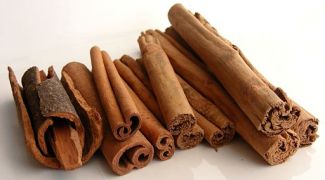 The two most common cinnamon species are “true” or Ceylon cinnamon (
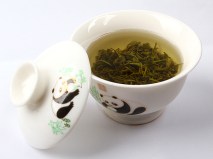 second only to water in most consumed beverages (DeWitt, 2000). I, myself, have become a tea drinker over the years, and as a plant nerd, I wanted to know more about how the tea leaves were farmed. What I ended up learning is that while tea (Camellia sinensis) is by far the most well known and widely used product of the genus Camellia, it is by no means its only contribution to the herbal marketplace.
 True nootropics should aid natural cognitive function, support and protect brain function, and be non-toxic to the user. The properties and constituents of nootropic herbs have demonstrated numerous benefits. Using medicinal herbs to enhance brain health is nothing new; in fact, many have been used safely and effectively for thousands of years.
  is also an evergreen, long-lived landscape tree, reaching a height of 40 to 60 feet tall and a width of up to 25 feet wide. Its pinnate leaves close up at night. The branches droop to the ground, making it a graceful shade tree. A mature tree can produce up to 350-500 pounds of fruit each year. It is native to tropical Africa and is in the Fabaceae family.
 Interestingly, just south of the US border in Mexico there is a unique community that is home to sixteen distinct indigenous peoples living in a mild climate, enjoying unique botanic diversity.
  celebrations of them all. The Day of the Dead festival (or Dia de los Muertos) is celebrated from October 31st thru November 2nd. During this…
 William Shakespeare’s poetic plays are filled with dramatic imagery and references to plants, herbs, trees, vegetables, and other botanicals. Shakespeare’s awareness of the botanical world was near the level of herbalists of that period, and the use of plants throughout his plays is done with unparalleled sophistication. They are used to enhance ideas and describe characters, as well as for metaphors. For example, Hamlet describes the state of Denmark as


You must be logged in to post a comment.