Essential Oil Spotlight: Clove Oil

Crooked Bear Creek Organic Herbs's avatarCrooked Bear Creek Organic Herbs

Clove oil uses are incredibly impressive, ranging from improving blood circulation and reducing inflammation to helping acne and boosting gum health. One of the best-known clove oil uses is to reduce the pain associated with dental problems. Even mainstream toothpaste makers agree that clove oil reduces the pain and swelling that comes with a toothache.

In addition to being a proven anti-inflammatory and pain reducer, one of the common clove oil uses is as a broad-spectrum antimicrobial to keep countless diseases at bay, which is why it can be such a wise choice for boosting your immune system as well as a powerful addition to homemade cleaning products.

Plant Origin of Clove Oil

Indigenous to Indonesia and Madagascar, clove (Eugenia caryophyllata) can be found in nature as the unopened pink flower buds of the tropical evergreen tree. Picked by hand in late summer and again in winter, the buds…

View original post 2,732 more words
Beyond Tea: Aromatic Herbal Infusions for Health and Immunity | New York Institute of Aromatic Studies

Crooked Bear Creek Organic Herbs's avatarCrooked Bear Creek Organic Herbs

Let’s get right to it. We know we need to stay hydrated and incorporate botanicals (aka “herbs”) into our lives, especially when feeling depleted, sick, overwhelmed (and so much more….). Go over and say hello to your tea kettle: it’s all about drinking botanical infusions.
I often like to pretend I’m fancy and use the word “tisane” when talking about “herbal tea.” Fancy or not, herbal tea = herbal infusion = tisane. Regardless of what you call it, this is about putting herbs in water, applying gentle heat and then enjoying the benefits of this simple but effective way to work with plants.


Stay Hydrated
Every morning when you wake up, have a glass of water to bathe your tissues. Doesn’t that sound FABULOUS? So…decadent! Not so. It is VITAL. Drinking water “…stimulates elimination and acts like an internal shower waking up the body and preparing it for activity” (Catty…

View original post 707 more words

What Are the Health Benefits of Eucalyptus?

Crooked Bear Creek Organic Herbs's avatarCrooked Bear Creek Organic Herbs

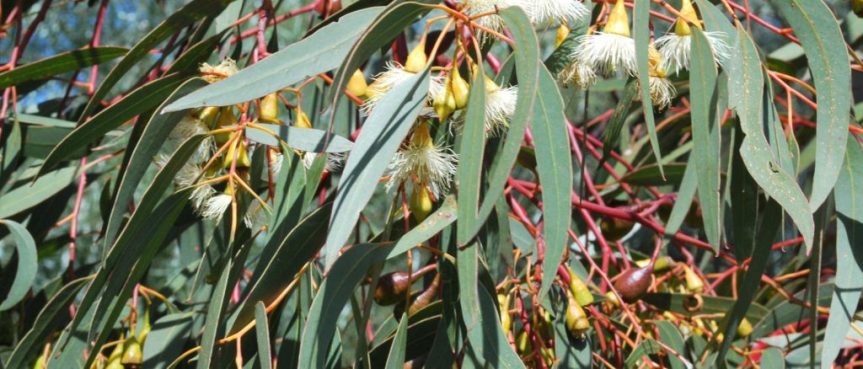
Eucalyptus is a fast-growing evergreen tree native to Australia. As an ingredient in many OTC products, it is used to reduce symptoms of coughs, colds, and congestion. It also features in creams and ointments aimed at relieving muscle and joint pain.

The oil that comes from the eucalyptus tree is used as an antiseptic, a perfume, as an ingredient in cosmetics, as a flavoring, in dental preparations, and in industrial solvents.

Chinese, Indian Ayurvedic, Greek, and other European styles of medicine have incorporated it into the treatment of a range of conditions for thousands of years.

There are over 400 different species of eucalyptus. Eucalyptus globulus, also known as Blue Gum, is the main source of eucalyptus oil used globally.

Leaves are steam distilled to extract the oil, which is a colorless liquid with a strong, sweet, woody scent. It contains 1,8-cineole, also known as eucalyptol.

The leaves also…

View original post 5,193 more words

Food as Medicine: Black Elderberry (Sambucus nigra, Adoxaceae)

Crooked Bear Creek Organic Herbs's avatarCrooked Bear Creek Organic Herbs

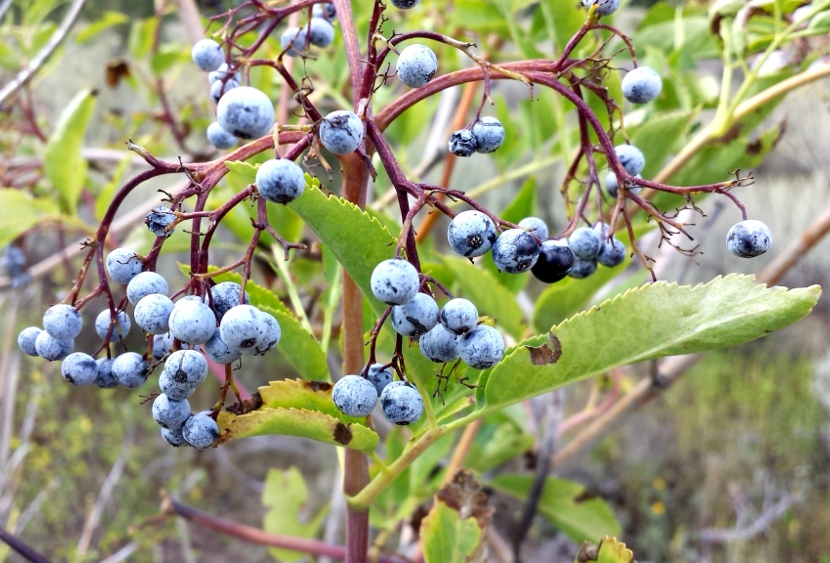
Plants commonly known as elder belong to the genus Sambucus and consist of 20-30 species of deciduous trees and shrubs in the Adoxaceae, or moschatel, family.1-3 Sambucus species are native to forested temperate and subtropical climates and grow to an average height of 32 feet (10 m).1,3 Elder shrubs have light brown or gray stippled bark and narrow, dark green pinnately compound leaves with five to nine toothed leaflets.2,4 In early summer, elder plants produce flat to roundish clusters of tiny, cream-white, saucer-shaped flowers. Depending on the species, the clusters of small fruits, botanically characterized as drupes, are blue-black, black, or red (and rarely, yellow or white).2,3 The only elder species with a history of culinary use are those that produce blue-black or black fruits. Elder species are highly adaptable and readily naturalize in an area, making them potentially invasive outside their native range.3 This…

View original post 3,417 more words

Health Benefits of Chaga Mushroom

Crooked Bear Creek Organic Herbs's avatarCrooked Bear Creek Organic Herbs

Chaga mushrooms contain a wide variety of vitamins, minerals, and nutrients.
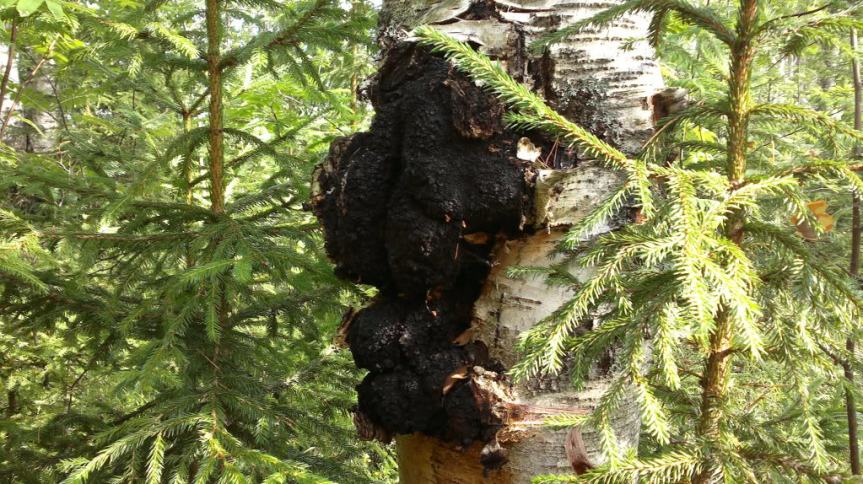
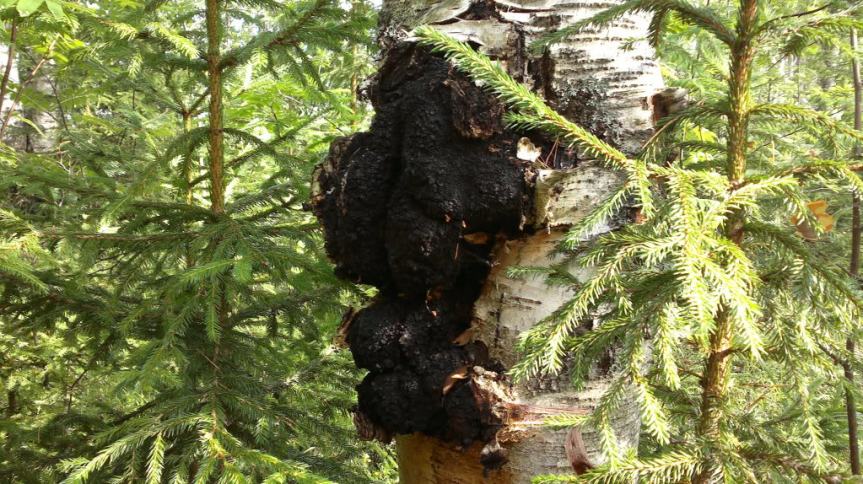
The Chaga mushroom grows on birch trees throughout the northern hemisphere. It resembles a dark clump of dirt more than a mushroom but is distinguished from other growths by its orange tissue.

Doctors, alternative medicine advocates, and researchers are increasingly interested in the potential health benefits of the Chaga mushroom (Inonotus obliquus). Some studies on Chaga mushrooms have yielded promising results.

chaga

Nine potential benefits

In this article, we look at the potential health benefits of Chaga mushrooms and the research behind the claims.

1. Nutrient-dense superfood

Chaga mushrooms are rich in a wide variety of vitamins, minerals, and nutrients, including:

  • B-complex vitamins
  • vitamin D
  • potassium
  • rubidium
  • cesium
  • amino acids
  • fiber
  • copper
  • selenium
  • zinc
  • iron
  • manganese
  • magnesium
  • calcium

2. Preventing and fighting cancer

Some studies suggest that Chaga mushrooms may slow the growth of certain cancer cells.

Increasingly, researchers are taking…

View original post 2,189 more words

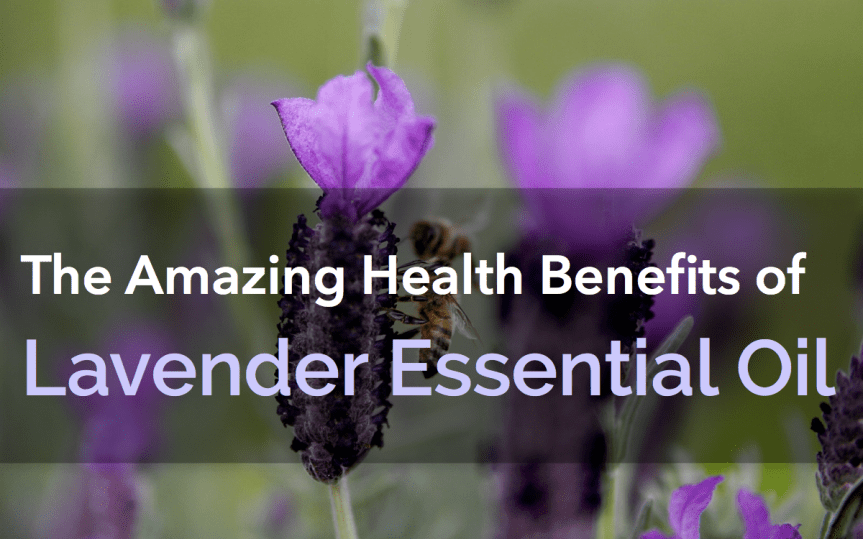
LAVENDER’S MEDICINAL AND AROMATHERAPY USES

Crooked Bear Creek Organic Herbs's avatarCrooked Bear Creek Organic Herbs

There are few scents in this world that evoke the feeling of clean – lavender is one of them. Its common and scientific name originates from lavare, the Latin word for wash or bathe. Lavender was popular as a linen-washing herb in Europe, no doubt due to its pleasant aroma, but it also possesses antiseptic qualities and can help to keep insects at bay. Discouraging or killing insects was paramount before the invention of glass windows and screens, a time when humans often shared the same roof with flea and lice-ridden livestock. Maude Grieve writes in A Modern Herbal (no longer especially modern, as it was written in 1931):

Dried Lavender flowers are still greatly used to perfume linen, their powerful, aromatic odour acting also as a preventative to the attacks of moths and other insects. In America, they find very considerable employment for disinfecting hot rooms and keeping away…

View original post 5,221 more words

HSA Webinar: Growing and Using Herbs of the Southwestern Missions

The Herb Society of America's avatarThe Herb Society of America Blog

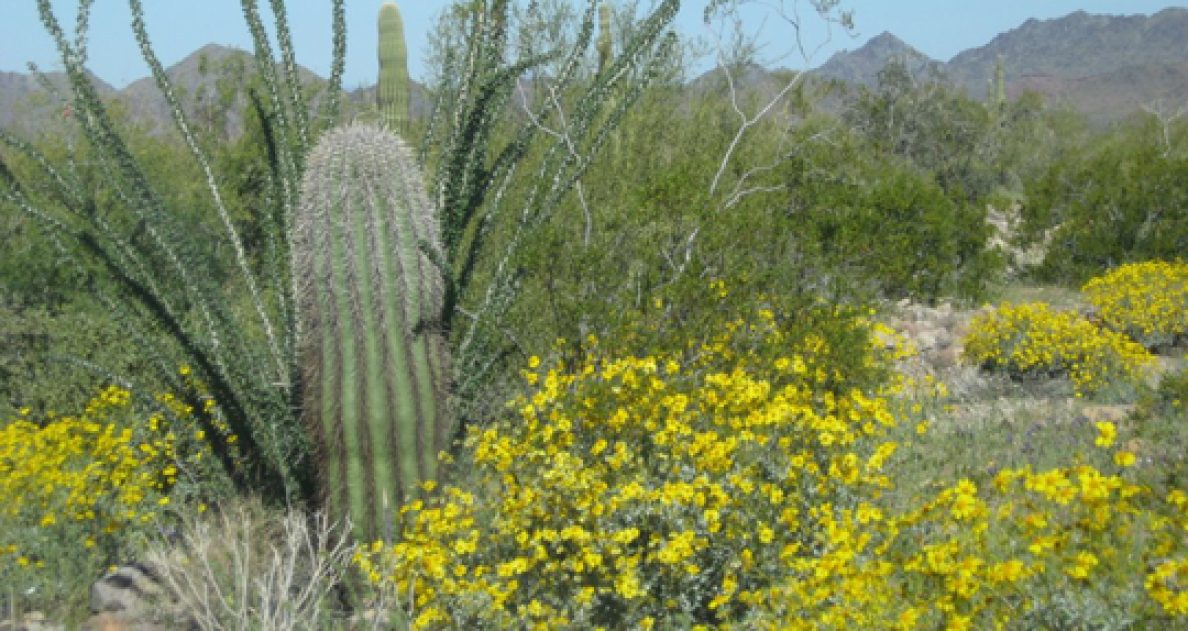
Author Jacqueline Soule will be presenting this month’s webinar on Wed, March 25 at 1pm – click here to register. This article is excerpted from her book, Father Kino’s Herbs: Growing and Using Them Today.

Epazote – An Efficacious ‘Erbcover kino

By Dr. Jacqueline A. Soule

Did you know that you can speak at least one word of Nahuatl, the language spoken in Mexico pre-conquest? Epazote is the Nahuatl name for Dysphania ambrosioides (formerly Chenopodium ambrosioides). English common names include wormseed, Jesuit tea, American wormseed, Mexican tea, and Jerusalem oak.

By the time of contact between the New and Old Worlds, epazote had been cultivated for well over a thousand years in southern and southeast coastal Mexico.  It was, and still is, a principal flavoring for a large number of Yucatan and Veracruz dishes and is indispensable for cooking black beans.

Epazote in Cooking

Like the Old World herbs…

View original post 843 more words

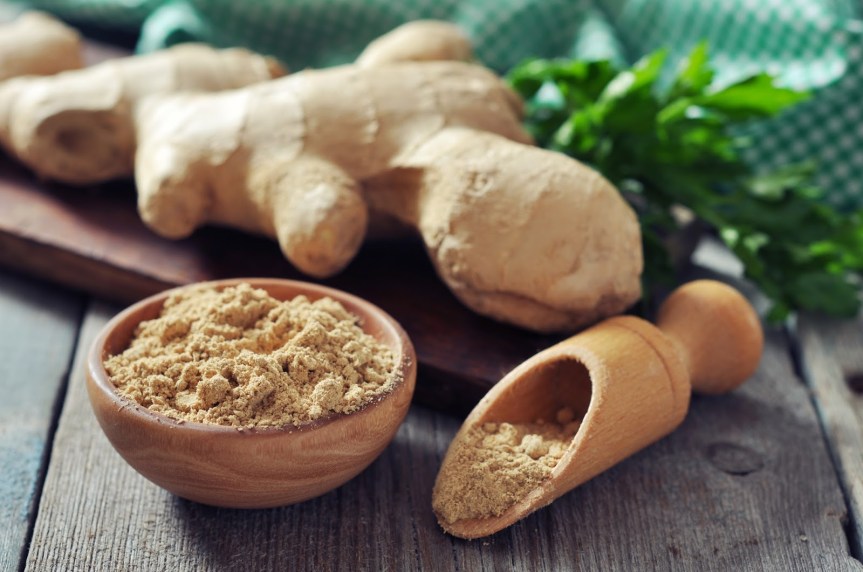
The Essence of Ginger

Crooked Bear Creek Organic Herbs's avatarCrooked Bear Creek Organic Herbs

No modern medication can rival the range and variety of therapeutic effects that can be induced by ginger. However, the full awareness of the health benefits and value of the herbal ginger remedies is rather limited because of the monopolistic health-care systems and a historically biased regulatory environment in most countries. Out of the hundreds of species in the plant family Zingiberaceae, the ginger remains the most famous and popular herb. Ginger is a rhizome, according to the correct botanical classification, though the underground stem of the ginger is often mistaken to be a root. Many different varieties of the ginger herb exist in the wild and in cultivation, these varieties range from mild to spicy in taste, and all of them require tropical conditions and fertile soils to grow at an optimal rate. The ginger herb has traveled out from Southeast Asia to the new world, over a period…

View original post 3,891 more words

Tea Tree Oil: Benefits, Uses

Crooked Bear Creek Organic Herbs's avatarCrooked Bear Creek Organic Herbs

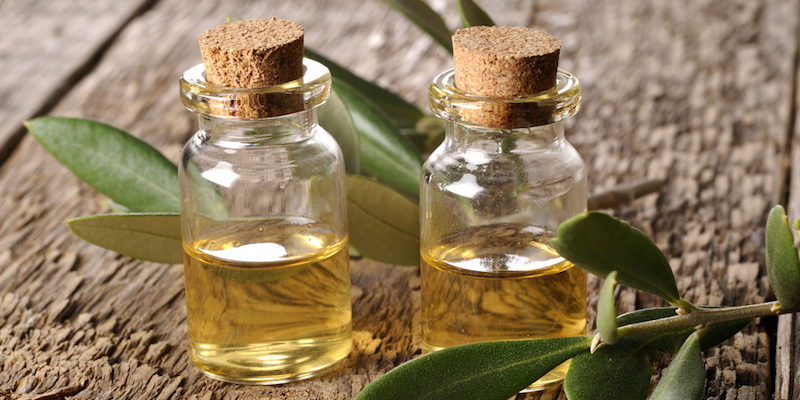
From antiseptic mouthwash to natural deodorant, tea tree oil is an essential oil with a multitude of uses and benefits. It tends to be pale yellow or colorless, with an aroma that is similar to eucalyptus or camphor and boasts antibacterial, antiprotozoal, antiviral, anti-inflammatory and antifungal properties. Here’s a deep-dive into all that it can do.

What Is Tea Tree Oil?

Tea tree oil is distilled from the leaves of an evergreen shrub called Melaleuca alternifolia. The plant is native to Australia and used by Aboriginal people for cleaning wounds and other skin problems.

Benefits of Tea Tree Oil

Tea tree oil has a 100-year history as a natural remedy. The Bundjalung Aboriginal people would crush the leaves to create a paste to apply to the skin. They also made tea from the leaves to soothe a sore throat.

Amazing Antibacterial Properties

The antibacterial properties of tea tree oil have been studied since…

View original post 4,488 more words

Suggested Herbal Supports for Influenza/Influenza-Like Illness in the Event of a Pandemic | The Science and Art of Herbalism

Crooked Bear Creek Organic Herbs's avatarCrooked Bear Creek Organic Herbs

Compiled By: Lora Krall, Nurse Herbalist

With the recent incidence of seasonal influenza on the rise and the additional concern of possible coronavirus infections, the need for a list of possible options to support those who may become ill with these respiratory viruses is essential.  This list is by no means complete but is designed to offer the herbalist a list of options in order to support those of a specific disadvantage due to (race, socioeconomic conditions, isolation, gender, ethnicity, etc..), in situations of possible limited availability of certain plant preparations and to expand the list of options for those in your care.  In the event of a pandemic, herbalists will be KEY supports to our communities.  It is wise to be prepared.

Additionally, none of these herbal suggestions are meant to be sole support for someone who is ill.  In order for herbs to really support the body, some…

View original post 3,088 more words