
by Maryann Readal
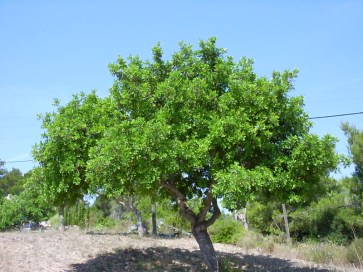 Have you heard of St. John’s bread or locust bean? These are all names for the carob tree, Ceratonia siliqua. This herbal tree is a native of the Mediterranean region and is also grown in East Africa, India, Australia, and California. It can grow in USDA Plant Hardiness Zones 9-11 – places with dry, Mediterranean-type climates. Carob is disease and pest resistant, tolerates dry, poor, rocky soils, and is drought tolerant due to a very deep taproot (125 feet) that enables the tree to survive in arid climates. It is in the pea family (Fabaceae), and like other members of this family it fixes nitrogen, improving the fertility of the soil in which it is planted.
Carob is a multi-stemmed, evergreen tree that can reach 50 feet high and 50 feet wide, and its broad, dark green leaves make it a good shade tree. It is…
View original post 1,091 more words

 The lazy days of summer quickly transition to the more scheduled and hurried days of autumn. While glorious hues are found in changing leaf color and late season blooms like goldenrod and Joe-Pye weed, the pace of our world undeniably quickens during this season. Add the additional stress and worry about the Covid-19 pandemic and the message is clear–take time to personally cultivate peace and manage stress.

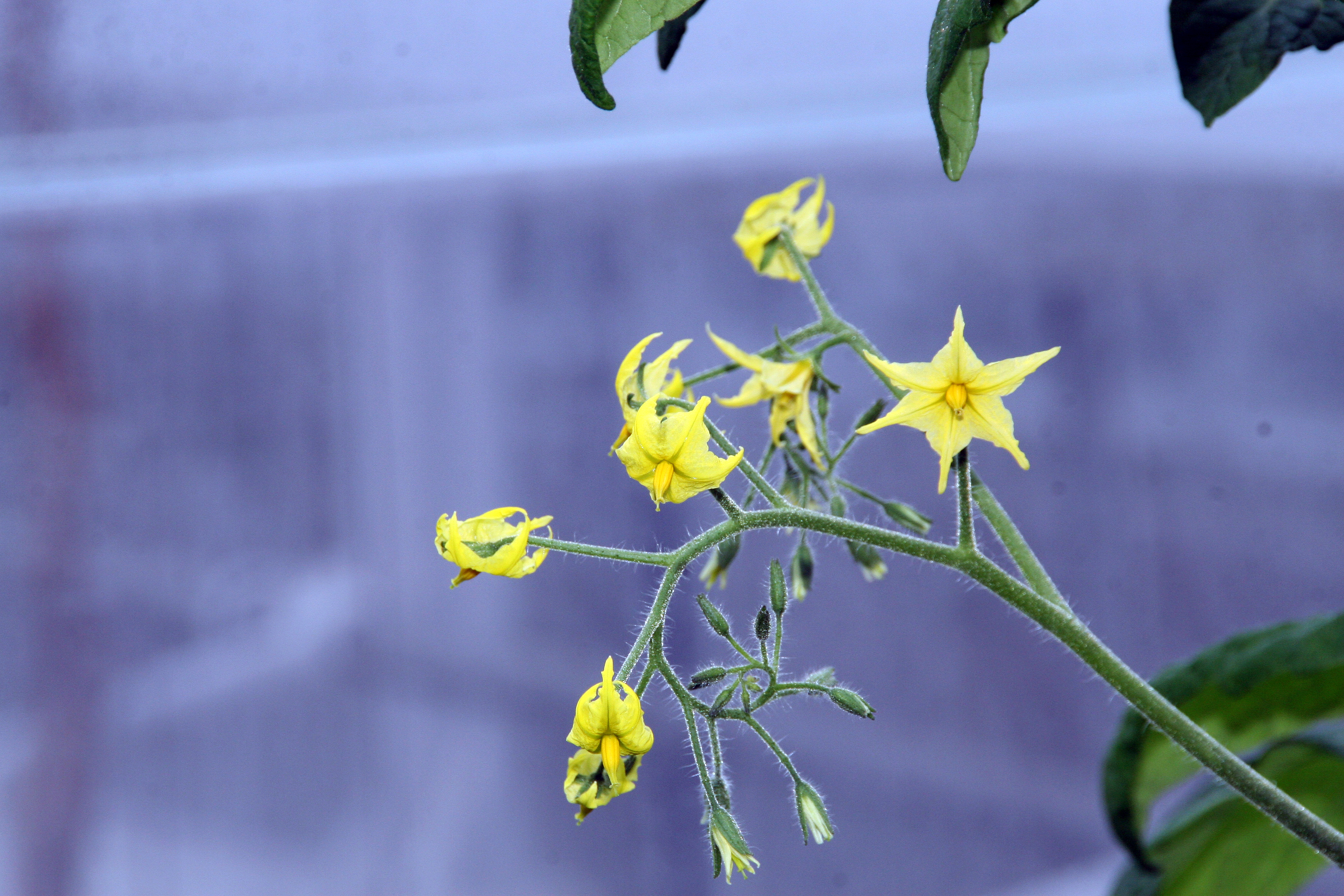
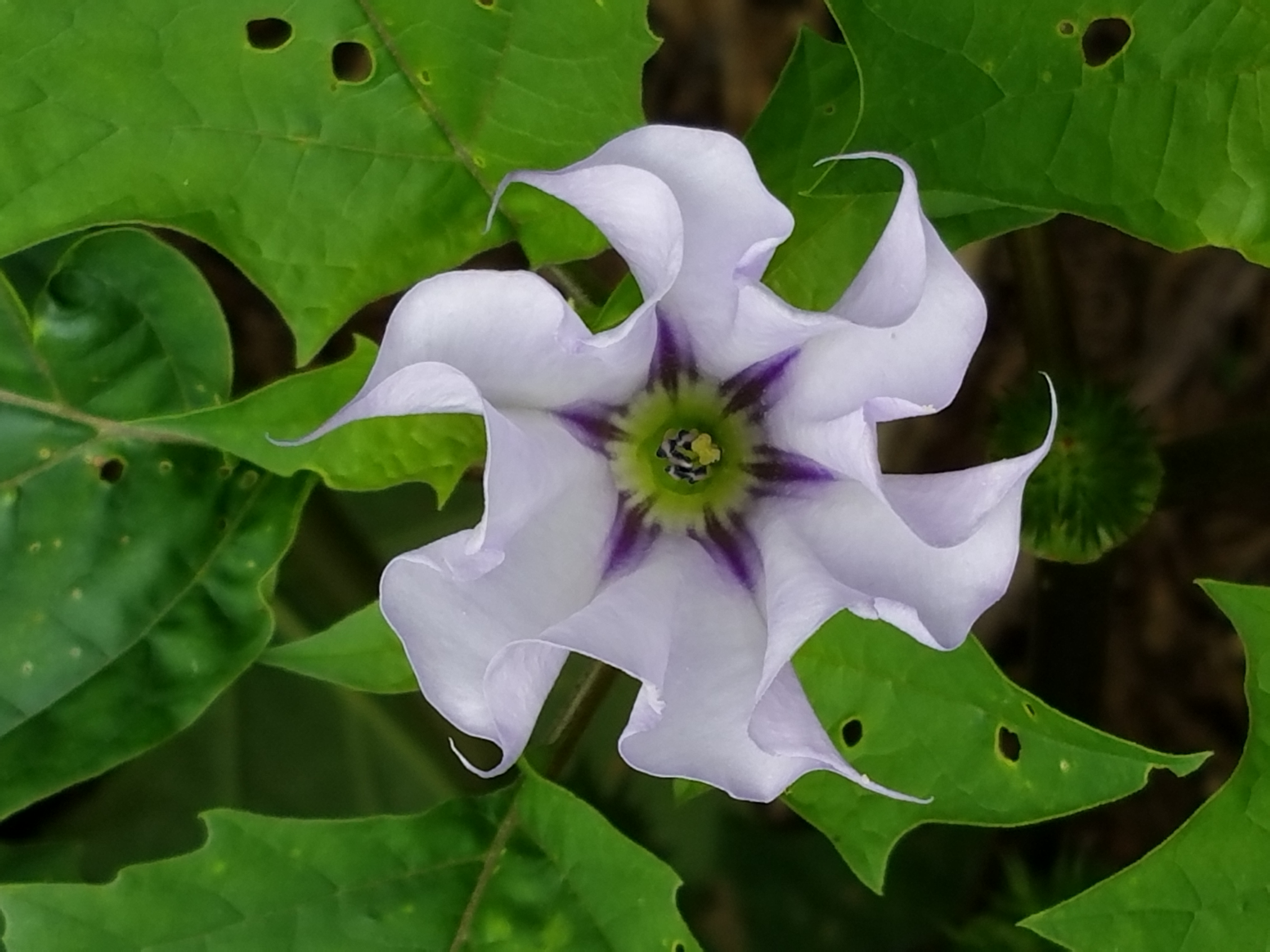 The nightshade family of plants sounds ominous – how could it not with the use of the words night and shade? The official name of this family is Solanaceae, and these plants are characterized by the shape of the flower, which in some cases feature near perfect pentagrams of petals, sepals, and stamens, and in others the petals are fused to form long tubes.
 Although many…
 Paths I Walk
You must be logged in to post a comment.