What Is Borututu Bark?

By Crooked Bear Creek Organics

Crooked Bear Creek Organic Herbs's avatarCrooked Bear Creek Organic Herbs

Deep in the jungles of Africa, the bark of the borututu tree (Cochlospermum angolensis) holds many treasures. A tea made from this interesting substance has traditionally been used to manage ailments related to liver function, indigestion, and fatigue. Indeed, borututu bark tea as a broad spectrum tonic is an old-world tradition. A natural and powerful broad spectrum cleansing agent, traditional African medicine favors borututu for the management of problems of the liver and gallbladder.

Beneficial Compounds in Borututu Bark

Rich in active ingredients such as quinones, catechins, phenols, and bio-flavonoids, borututu has a wealth of substances shown to benefit the liver and gallbladder. For problems related to the digestive system and gallbladder, hands down, borututu bark is one of nature’s most powerful tonics. This is why borututu bark is one of the ingredients used to create Livatrex®, a powerful blend of herbs that support detoxification and normal function of…

View original post 206 more words

What Is Elecampane?

By Crooked Bear Creek Organics

Crooked Bear Creek Organic Herbs's avatarCrooked Bear Creek Organic Herbs

Inula helenium

Also, Known As

  • Elecampane
  • Horseheal
  • Scabwort

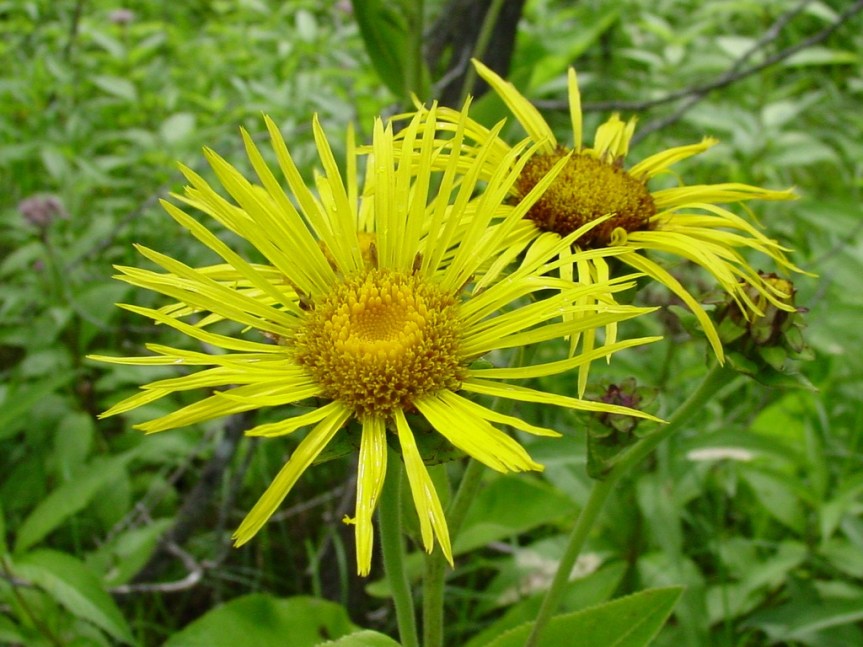
Elecampane (botanical name Inula helenium) is a tall, bristly perennial plant that is native to south-eastern Europe and western Asia. This herb, which bears yellow flowers resembling the daisy, has been naturalized in North America and is found growing in abundance in the moist meadows, fields and along the roads in the central and eastern regions of the United States and neighboring Canada. Elecampane belongs to the Asteraceae family and grows up to a height of four to six feet. The herb has a heavy branching stem that emerges from a basal rosette (a circular arrangement of leaves at the base) with leaves that are large, oval-shaped and pointed at the end. The herb bears vivid yellow flower heads during the period between the middle to the end of the summer. The flower heads of elecampane are generally four inches in diameter…

View original post 3,333 more words

What Is Eleuthero Root?

By Crooked Bear Creek Organics

Crooked Bear Creek Organic Herbs's avatarCrooked Bear Creek Organic Herbs

Latin Name

Eleutherococcus senticosus, Acanthopanax senticosus

Common Names

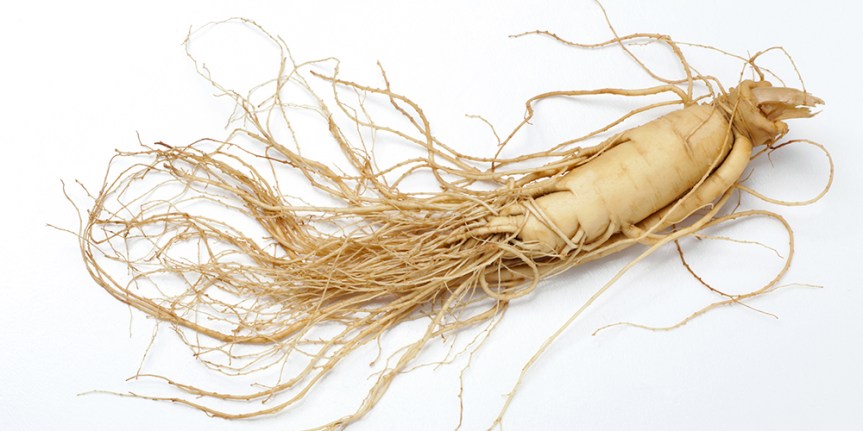
Ci Wu Jia, Devil’s Bush, Eleuthero, Eleutherococcus senticosus, Russian Ginseng, Siberian Ginseng, Russian Root, Shigoka, Taiga, Thorny Pepperbush, Touch-Me-Not, Wild Pepper

Properties

Adaptogenic, anti-aggregatory, anti-diabetic, anti-edema, anti-inflammatory, anti-proliferative effects on leukemia cells in vitro (Bradley, 1992; Hacker and Medon, 1984), anti-stress (Takasugi, 1985), endocrine, endurance-enhancing, hypoglycaemic, hypertensive, immunomodulator, immunoprotective, immunostimulant, platelet aggregation-inhibiting, radiation protection (Yonezawa, 1989), restorative, stimulant, tonic, vasodilator.

Indicated for

Addictions, Alzheimer’s disease, athletic support, bone cancer, boosting immune system, breast carcinoma, bronchitis, cardiovascular health, chemotherapy support, chronic fatigue syndrome, countering athletic fatigue, depression, diabetes mellitus, energy and vitality, enhancing vision,enhancing resilience, exhaustion and debility, fatigue, fibromyalgia, hantavirus, heart ailments, herpes, HIV support, Hodgkin’s disease, impotence, improving athletic working capacity, general health & mental resilience, increasing stamina, physical endurance under stress & mental alertness, infections, influenza, kidney cancer, lung ailments, maintaining well-being, malignant tumours, memory, myopia, neural diseases, oral cavity…

View original post 2,180 more words

What Is Ashwagandha {Withania somnifera}?

By Crooked Bear Creek Organics

Crooked Bear Creek Organic Herbs's avatarCrooked Bear Creek Organic Herbs

Also, Known As:

  • Ashwagandha
  • Indian Ginseng
  • Withania

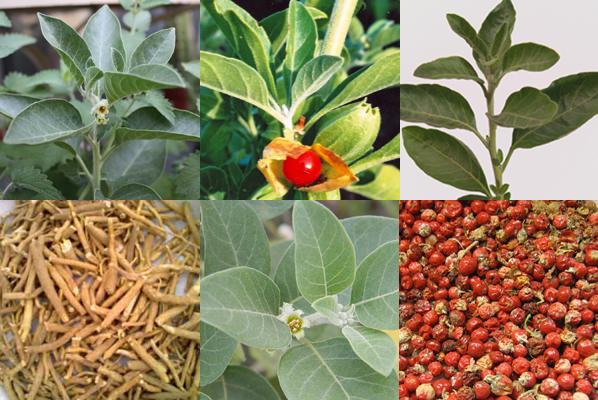
The herb known as the ashwagandha is a small plant in the same plant family as the common garden tomato. This plant is a stout shrub which can grow to a height of about five feet-170 centimeters when fully matured. The ashwagandha is similar to the tomato, in that it too bears yellow flowers and has a red colored fruit, the fruit is, however, berrylike in size and shape and the resemblance to the berry of tomato is not very easy to recognize. This herb is endemic to South Asia, and the ashwagandha grows abundantly in the wild in countries like India, Pakistan, and Sri Lanka-all of which are in South Asia and share a similar climate. Herbal remedies make use of all the parts of this particular herb and many different herbal medicines are prepared from this herb.

The meaning of the…

View original post 1,245 more words

Ashwagandha Root Extract Improves Symptoms of Obsessive-Compulsive Disorder in Patients Taking Selective Serotonin Re-uptake Inhibitors

By Crooked Bear Creek Organics

Crooked Bear Creek Organic Herbs's avatarCrooked Bear Creek Organic Herbs

  • Ashwagandha (Withania somnifera, Solanaceae)

  • Obsessive-Compulsive Disorder

Obsessive-compulsive disorder (OCD), characterized by stressful, repetitive, and intrusive thoughts or obsessions followed by actions or compulsions, is thought to be linked to a defect in the serotonergic system. A common treatment is the use of selective serotonin reuptake inhibitors (SSRIs), but they are considered only mildly effective, with 40-60% of patients failing to respond. In Ayurvedic herbal medicine, ashwagandha (Withania somnifera, Solanaceae) is considered to be a rejuvenating and revitalizing herb. Its roots, which are used to enhance mental and physical health, have anxiolytic and antidepressant properties due to the presence of bioactive glycowithanolides, and the alkaloids withanine and somniferine are used for nervous disorders. Animal studies also have shown it to enhance serotonergic transmission. The goal of this randomized, double-blind, placebo-controlled trial was to verify the efficacy of ashwagandha root extract as an adjunct therapy to treat the…

View original post 511 more words

Your Apothecary Cabinet: Herbal First Aid Kit…

By Crooked Bear Creek Organics

Crooked Bear Creek Organic Herbs's avatarCrooked Bear Creek Organic Herbs

Being prepared with my favorite remedies gives me peace of mind on the road or trail, and keeps me from having to search out herbal products in an unfamiliar town — or from having to resort to padding my heels with mullein leaves to ease the agony of a broken blister while on a backpacking trip.

I’ve had plenty of opportunities to put my first-aid kit to use, from treating blisters and bug bites to motion sickness and colds. I choose simple, multipurpose remedies and store them in a small padded nylon lunch box that’s always ready to toss into the car. For backpacking trips, I pare my kit down to arnica gel, echinacea, peppermint and chamomile tea bags, crystallized ginger, insect repellant, a tin of herbal salve, a tiny bottle of lavender essential oil, and an assortment of bandages and moleskin.

With the following herbs and essential oils, you…

View original post 1,626 more words

Your Apothecary Cabinet: The Healing Properties Of Herbs

By Crooked Bear Creek Organics

Crooked Bear Creek Organic Herbs's avatarCrooked Bear Creek Organic Herbs

There have been lots of pharmaceutical studies to evaluate the active elements present in herbs to discover the reason as well as the manner in which they work. A relatively outmoded method is to classify the herbs by exploring the types of health conditions that they can aid in curing. Identifying the actions of the herbs and the manner in which they may be employed together forms the basis of a comprehensive approach.

For example, in a number of instances, the action of herbs is owing to certain chemical or a blend of chemicals present in them – the sedative herb valerian is a perfect example of this. Alternatively, the action may also be owing to a multifaceted synergetic interaction between the different elements of the herbs. Nevertheless, the best way to comprehend the actions of the herbs is to consider them as characteristics all together and to interpret the chemical…

View original post 2,900 more words

Endangered Species; Herb Guide: Goldthread

By Crooked Bear Creek Organics

Crooked Bear Creek Organic Herbs's avatarCrooked Bear Creek Organic Herbs

Health Benefits of Goldthread

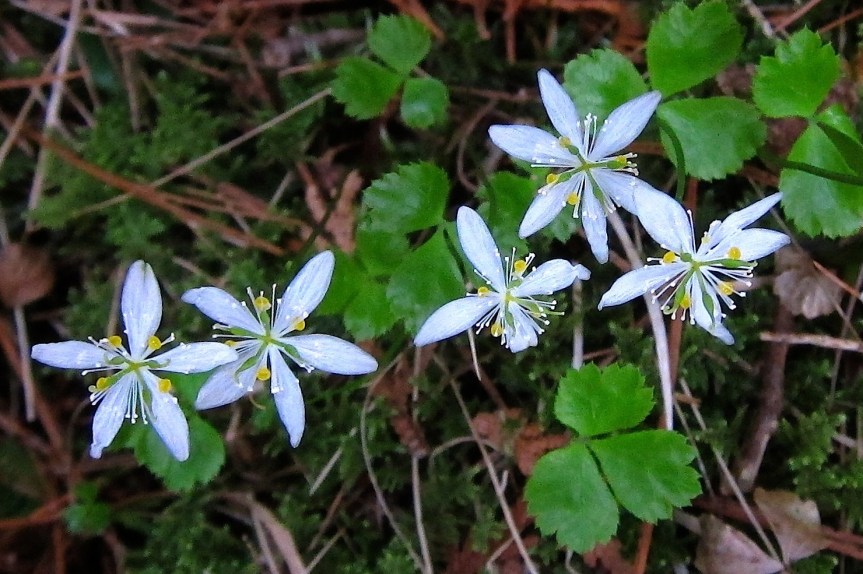
Goldthread, also known as coptis or canker root, is a genus of perennial herbs that have been part of Asian and North American traditional medicine for hundreds of years. The roots of the plant look like a tangled mass of gold thread, hence its name. Herbal goldthread is actually the powdered rhizome, or underground stem, of the goldthread plant.

View original post 580 more words

Herb Guide: Senna

By Crooked Bear Creek Organics

Crooked Bear Creek Organic Herbs's avatarCrooked Bear Creek Organic Herbs

Cassia senna syn. Senna Alexandria

Also, Known As:

  • Alexandrian Senna
  • Senna

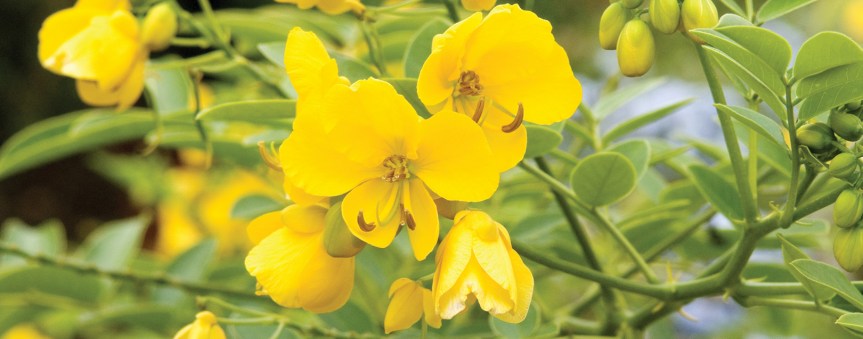
The senna plant is a small shrub belonging to the Caesalpiniaceae family. Incidentally, the senna belongs to two genus of Cassia – C. senna is also known as Alexandrina senna and C. Angustifolia that is also called the Tinnevelly senna. While the first variety of senna is found along the Nile River in Egypt and Sudan, the second type is widely cultivated in southern and eastern parts of India. It may be noted here that some experts are of the opinion that both the varieties of senna belong to a single species – Senna Alexandrina. Despite such claims, it may be said that the two varieties of senna differ greatly both according to morphology (structure of the plants) and histology (tissue study). Hence, the theory that Senna belongs to one single species is yet to get the pharmacognosists’ sanction.

View original post 1,844 more words

Crystals and Breast Health

By Sonia Acone

When I was first asked to write this article, I had balked at the idea. After all, it is a subject that hit a little too close to home for me. I had been through what I like to call the “BCS” or “Breast Cancer Scare” when I was just 38. Although I was spared the “Big C” this time around, I did need to have a lumpectomy done on my right breast (I’m now missing a third of that breast). So, yes, I remember finding the lump, getting the mammogram, going in for surgery, etc. Looking back on that time now, I also remember, prior to that “nightmare,” that I had been under a lot of stress at the time, which may have played a part in the lump forming in the first place. And we all know by now that stress is often a precursor to illness.

But this is not going to be an article about breast cancer per se. See the links at the end of this article for more information concerning crystals that deal with that specifically. This article is going to address the crystals that may help to keep our breasts healthy in the first place, so that you or someone you love may not have to deal with the “BCS.”  We’re going to look at crystals that can help with most every aspect of breast health; from pain and inflammation (that often occurs during the monthly cycles, during pre-and-post-menopause), breastfeeding and lactation, and healthy breasts in general.

Now for some biology (stay with me, you’ll thank me at the end!). Our breasts are composed of fatty tissue, glandular tissue that is divided into lobes, and connective tissue that ties it all together. The glandular tissue is comprised of lymph glands/nodes which are located along lymph vessels back to your armpit as well as up towards your collarbone. The lymphatic system is a major part of one’s immune system. When we get sick, our lymph glands often become inflamed. In addition to the armpits, we have lymph glands in the neck (which is why doctors often palpate these when we become ill), chest, and groin. The lymphatic cells form antibodies that fight infection. The lymphatic system is responsible for removing toxins in the body. Organs associated with the lymphatic system include the tonsils, adenoids, thymus, and spleen. (See this diagram to the lymphatic system in the breast: http://www.mariekeating.ie/cancer-information/breast-cancer/the-breasts-and-lymphatic-system/) In order to keep our breasts healthy, it stands to reason that the immune system and the lymphatic system in particular, need to be healthy. (Note: all crystals listed are in alphabetical order.)

Crystals for a Healthy Lymphatic System:

Agate
Amber

Aquamarine

Bloodstone

Lapis Lazuli

Larimar

Moss Agate

Prehnite

Sodalite

Metaphysically speaking, the breasts are located smack dab in the center of the Heart chakra, which is responsible for feelings of love, compassion, empathy and healing (especially with our hands, arms, as well as healing with herbs/nature). Parts of the body influenced by this chakra are the breasts, heart, lungs, arms, hands, upper back, skin, circulatory system, rib cage, and the lymph glands. When a blockage occurs in this chakra, we become more susceptible to illnesses in these parts of the body. Emotionally, a blockage can result in panic attacks, allergies, jealousy, possessiveness, and over-emotional outbursts. Crystals ruled by the Heart chakra are those that are usually green or pink, such as Amazonite and Rose Quartz. See this page for a complete list of crystals for the Heart chakra: https://www.healingcrystals.com/products-by-heart-ailment.html?tab=2

Crystals for Keeping Breasts Healthy (and may also help with breast disorders):

Amazonite
Mangano (Pink) Calcite

Moonstone

Peridot

Rainbow Moonstone

Snow (Milky) Quartz

Crystals for Inflammation:

Blue Lace Agate
Kunzite

Larimar

Malachite

Crystals for Pain:

Amber
Amethyst

Clear Quartz

Fluorite
 
Hematite

Lapis Lazuli

Magnetite (Lodestone) 
Malachite

Rose Quartz

Smokey Quartz
 
Sugilite
 
Turquoise

Crystals for Breastfeeding/Lactation:

Blue/Pink/White Chalcedony
Chiastolite

Fluorite
 (Clear)
Howlite
 (White)
Snow (Milky Quartz)

Moonstone

Okenite
Selenite

Crystals for Scars/Scar Tissue:

Amber
Citrine

Fluorite
 (Green)
Rhodonite

Rose Quartz

Tourmalated Quartz

For information on crystals that may help with Breast Cancer and support during and after treatment, see the following articles:

“Crystals for Breast Cancer” article/recommendation: https://www.healingcrystals.com/Crystals_For_Breast_Cancer_Articles_675.html

“Crystals for Cancer Support” article: https://www.healingcrystals.com/February_2011_Newsletter_-_Crystals_for_Cancer_Support_Articles_4133.html

When you’ve chosen the crystal(s) you wish to work with, you can meditate while holding one or more in your hands; you can place them near your bedside with the intention that they keep you well and improve healing; you can carry or wear them as jewelry (some folks even keep one or two in their bra), or you could make a medicine bag to carry your crystals in a pocket or purse. Whatever you choose, make sure to cleanse your crystals before and often during use.

I sincerely hope that this article can help you find the answers you seek and that in some small way, I was able to alleviate some fear, confusion, or uncertainty for you and/or someone you love. I wish you blessings and good health.

*Disclaimer – Crystals are not a medical treatment and should not be used as a replacement for medical care. Please consult your healthcare specialist for your particular needs.

Photo: Amazonite Mandala by Robin Hollinger