Crystals and Breast Health

By Sonia Acone

When I was first asked to write this article, I had balked at the idea. After all, it is a subject that hit a little too close to home for me. I had been through what I like to call the “BCS” or “Breast Cancer Scare” when I was just 38. Although I was spared the “Big C” this time around, I did need to have a lumpectomy done on my right breast (I’m now missing a third of that breast). So, yes, I remember finding the lump, getting the mammogram, going in for surgery, etc. Looking back on that time now, I also remember, prior to that “nightmare,” that I had been under a lot of stress at the time, which may have played a part in the lump forming in the first place. And we all know by now that stress is often a precursor to illness.

But this is not going to be an article about breast cancer per se. See the links at the end of this article for more information concerning crystals that deal with that specifically. This article is going to address the crystals that may help to keep our breasts healthy in the first place, so that you or someone you love may not have to deal with the “BCS.”  We’re going to look at crystals that can help with most every aspect of breast health; from pain and inflammation (that often occurs during the monthly cycles, during pre-and-post-menopause), breastfeeding and lactation, and healthy breasts in general.

Now for some biology (stay with me, you’ll thank me at the end!). Our breasts are composed of fatty tissue, glandular tissue that is divided into lobes, and connective tissue that ties it all together. The glandular tissue is comprised of lymph glands/nodes which are located along lymph vessels back to your armpit as well as up towards your collarbone. The lymphatic system is a major part of one’s immune system. When we get sick, our lymph glands often become inflamed. In addition to the armpits, we have lymph glands in the neck (which is why doctors often palpate these when we become ill), chest, and groin. The lymphatic cells form antibodies that fight infection. The lymphatic system is responsible for removing toxins in the body. Organs associated with the lymphatic system include the tonsils, adenoids, thymus, and spleen. (See this diagram to the lymphatic system in the breast: http://www.mariekeating.ie/cancer-information/breast-cancer/the-breasts-and-lymphatic-system/) In order to keep our breasts healthy, it stands to reason that the immune system and the lymphatic system in particular, need to be healthy. (Note: all crystals listed are in alphabetical order.)

Crystals for a Healthy Lymphatic System:

Agate
Amber

Aquamarine

Bloodstone

Lapis Lazuli

Larimar

Moss Agate

Prehnite

Sodalite

Metaphysically speaking, the breasts are located smack dab in the center of the Heart chakra, which is responsible for feelings of love, compassion, empathy and healing (especially with our hands, arms, as well as healing with herbs/nature). Parts of the body influenced by this chakra are the breasts, heart, lungs, arms, hands, upper back, skin, circulatory system, rib cage, and the lymph glands. When a blockage occurs in this chakra, we become more susceptible to illnesses in these parts of the body. Emotionally, a blockage can result in panic attacks, allergies, jealousy, possessiveness, and over-emotional outbursts. Crystals ruled by the Heart chakra are those that are usually green or pink, such as Amazonite and Rose Quartz. See this page for a complete list of crystals for the Heart chakra: https://www.healingcrystals.com/products-by-heart-ailment.html?tab=2

Crystals for Keeping Breasts Healthy (and may also help with breast disorders):

Amazonite
Mangano (Pink) Calcite

Moonstone

Peridot

Rainbow Moonstone

Snow (Milky) Quartz

Crystals for Inflammation:

Blue Lace Agate
Kunzite

Larimar

Malachite

Crystals for Pain:

Amber
Amethyst

Clear Quartz

Fluorite
 
Hematite

Lapis Lazuli

Magnetite (Lodestone) 
Malachite

Rose Quartz

Smokey Quartz
 
Sugilite
 
Turquoise

Crystals for Breastfeeding/Lactation:

Blue/Pink/White Chalcedony
Chiastolite

Fluorite
 (Clear)
Howlite
 (White)
Snow (Milky Quartz)

Moonstone

Okenite
Selenite

Crystals for Scars/Scar Tissue:

Amber
Citrine

Fluorite
 (Green)
Rhodonite

Rose Quartz

Tourmalated Quartz

For information on crystals that may help with Breast Cancer and support during and after treatment, see the following articles:

“Crystals for Breast Cancer” article/recommendation: https://www.healingcrystals.com/Crystals_For_Breast_Cancer_Articles_675.html

“Crystals for Cancer Support” article: https://www.healingcrystals.com/February_2011_Newsletter_-_Crystals_for_Cancer_Support_Articles_4133.html

When you’ve chosen the crystal(s) you wish to work with, you can meditate while holding one or more in your hands; you can place them near your bedside with the intention that they keep you well and improve healing; you can carry or wear them as jewelry (some folks even keep one or two in their bra), or you could make a medicine bag to carry your crystals in a pocket or purse. Whatever you choose, make sure to cleanse your crystals before and often during use.

I sincerely hope that this article can help you find the answers you seek and that in some small way, I was able to alleviate some fear, confusion, or uncertainty for you and/or someone you love. I wish you blessings and good health.

*Disclaimer – Crystals are not a medical treatment and should not be used as a replacement for medical care. Please consult your healthcare specialist for your particular needs.

Photo: Amazonite Mandala by Robin Hollinger

Health Benefits of Barley Water

By Crooked Bear Creek Organics

Crooked Bear Creek Organic Herbs's avatarCrooked Bear Creek Organic Herbs

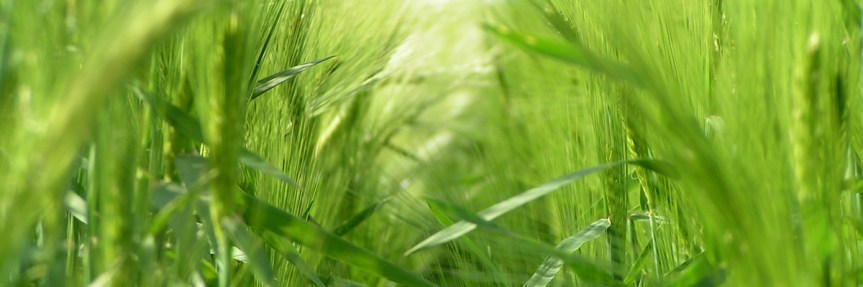
Barley water is made from barley, which is believed to be one of the oldest grains in the world. Although it is not a staple of most American diets, there is growing evidence that barley and barley-based foods have a variety of health benefits.

In this article, we look at the evidence behind the many health claims about barley, as well as its nutritional value. We also list steps on how to make barley water at home.

Five potential benefits

The health benefits of barley water include:

1. Fiber Boost

Barley water benefits digestive system

Barley water is an excellent source of fiber, which helps to keep the digestive system healthy.

Many of barley’s health benefits come from it being an excellent source of dietary fiber. Fiber is essential for keeping the digestive system healthy, contributing to healthy bowel movements, and helping people avoid problems such as constipation.

Researchers have linked a diet high in dietary…

View original post 1,956 more words

Indefinitely Wild; Foraging Wild Strawberries

By Good Witches Homestead

Crooked Bear Creek Organic Herbs's avatarGood Witches Homestead

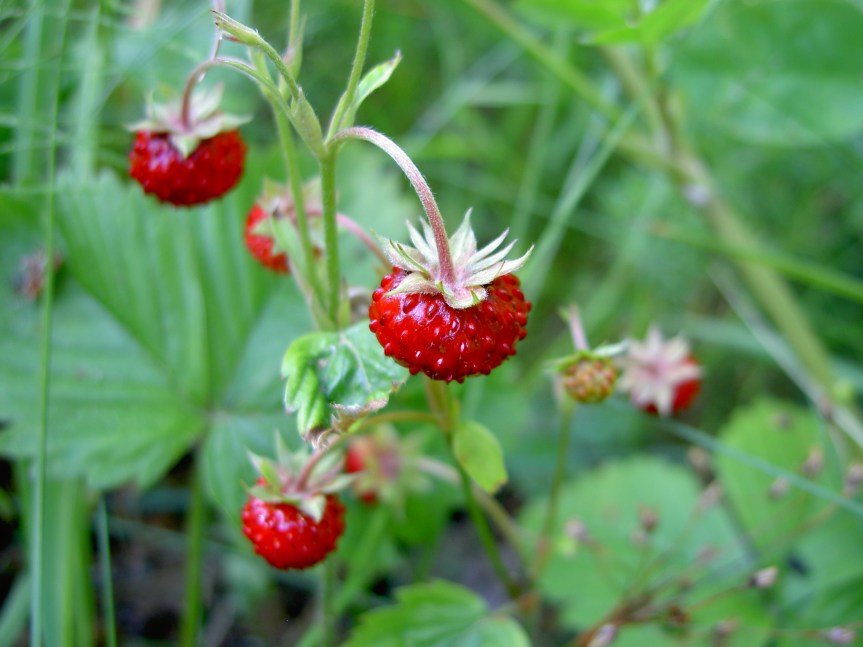
Once abundant, wild strawberries provided helpful medicine to Native Americans and early settlers.

Picture it; An abandoned field of wild strawberries, ripe and shimmering under a bright June sun. The field is isolated, bounded on three sides by leafy, benevolent hardwoods. A light breeze moves gently through the leaves and sparse grasses.

A Berry in History

I’m not alone, of course, in my love of this summertime fruit. The wild strawberry {Fragaria virginiana, or F. vesca} held a special place in the lives of several Native American tribes – in their mythology, diets, and medicine – which they shared with early settlers.

In Medicinal and Other Uses of North American Plants, Charlotte Erichsen-Brown reveals some uses of the wild strawberry plant through the eyes of early Europeans, whose research was likely based on what they learned from these native tribes as well as their own observations. From…

View original post 1,635 more words

The Health Benefits of Alfalfa

By Crooked Bear Creek Organics

Crooked Bear Creek Organic Herbs's avatarCrooked Bear Creek Organic Herbs

We grow and cultivate alfalfa as a commercial crop, to feed our livestock and as well, I grow some around the house. I make sprouts, a herbal tea and I love the gorgeous little flowers in the late spring, early summer.

Medicago sativa

Also, Known As:

  • Alfalfa
  • Buffalo Herb
  • Lucerne
  • Mu-su
  • Purple Medic

Alfalfa is a common sight in many temperate grasslands of the world. Alfalfa belongs to pea family (Fabaceae). The herbal remedies made utilizing the alfalfa have been generally prescribed by herbalist for the treatment of a variety of ailments and disorders, the alfalfa can be taken in the form of an herbal tea and it is also used in the form of herbal tablets or capsules, at times the dried plant itself is consumed by patients. The effectiveness of the herbal remedies made from the alfalfa in treating disorders is available from many testimonials written by people who…

View original post 2,025 more words

Sage for Sore Throats

By Crooked Bear Creek Organics

Crooked Bear Creek Organic Herbs's avatarCrooked Bear Creek Organic Herbs

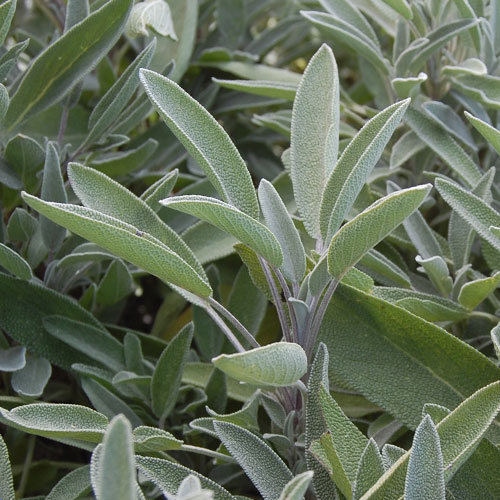
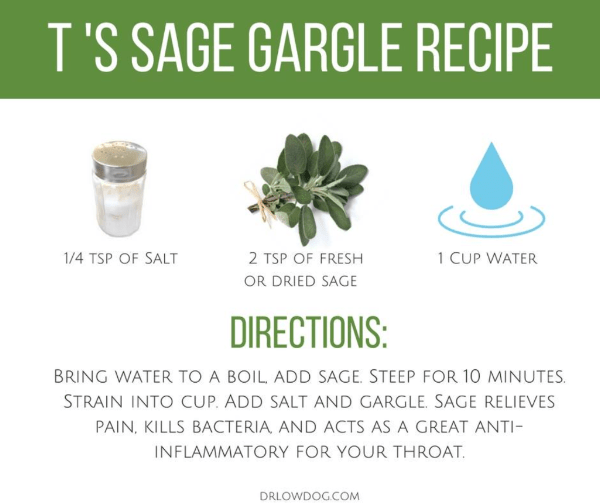
My grandma used to keep a cup of sage gargle by the sink every time one of us kids would get a cold or a sore throat. Little did she know that years later, science would back up her folk remedy as not only being pain-relieving but also as having anti-inflammatory and anti-bacterial properties.

Next time you feel a sore throat coming on, try this sage throat-gargle DIY recipe. Works like magic! Make fresh daily.

sage gargle

View original post

Natural Approaches for Seasonal Allergies

By Crooked Bear Creek Organic Herbs

Crooked Bear Creek Organic Herbs's avatarCrooked Bear Creek Organic Herbs

Spring has officially arrived, and with it, seasonal allergies. Roughly 35 million Americans live with seasonal allergic rhinitis, or what we commonly call hay fever. While it can occur at any time of the year, springtime is generally one of the worst seasons for allergy sufferers. Here are some natural approaches for helping curb the pesky side effects of seasonal allergies.

Seasonal Allergies

Springtime has officially arrived. The days are getting longer and warmer, and the songbirds are returning, the trees and flowers are starting to bloom. And for many, the nose starts getting stuffy, their eyes get itchy, they begin to sneeze, and their head feels congested. Roughly 35 million Americans live with seasonal allergic rhinitis, or what we commonly call hay fever. While it can occur at any time of the year, springtime is generally one of the worst seasons for allergy sufferers.

For some, when they inhale…

View original post 1,511 more words

Catch 22 Is Alive And Well

By Paula & Oro Cas

Catch-22:  A dilemma or difficult circumstance from which there is no escape because of mutually conflicting or dependent conditions.

I sit looking at this document wondering how to write about the craptastic Catch-22 that has appeared in my husband’s life. My husband is one of the millions of people who suffer with chronic pain. His journey to where he is today began 35 years ago when he worked for a traveling carnival. While working to repair a ride, the clutch holding the ride’s car opposite the repairmen failed sending the cars around the track. Hubby and two other workers fell 50 feet resulting in multiple fractures and life threatening injuries. Combine those injuries with 30 years of commercial truck driving, a near fatal lightning strike resulting in damage to his nerve sheaths and joints, along with degenerative disk disease, stenosis, scoliosis, and osteoarthritis … We have a perfect storm of chronic pain.

Continue reading “Catch 22 Is Alive And Well”

Food as Medicine: Dog Rose Hip (Rosa canina, Rosaceae)

By Crooked Bear Creek Organic Herbs

Crooked Bear Creek Organic Herbs's avatarCrooked Bear Creek Organic Herbs

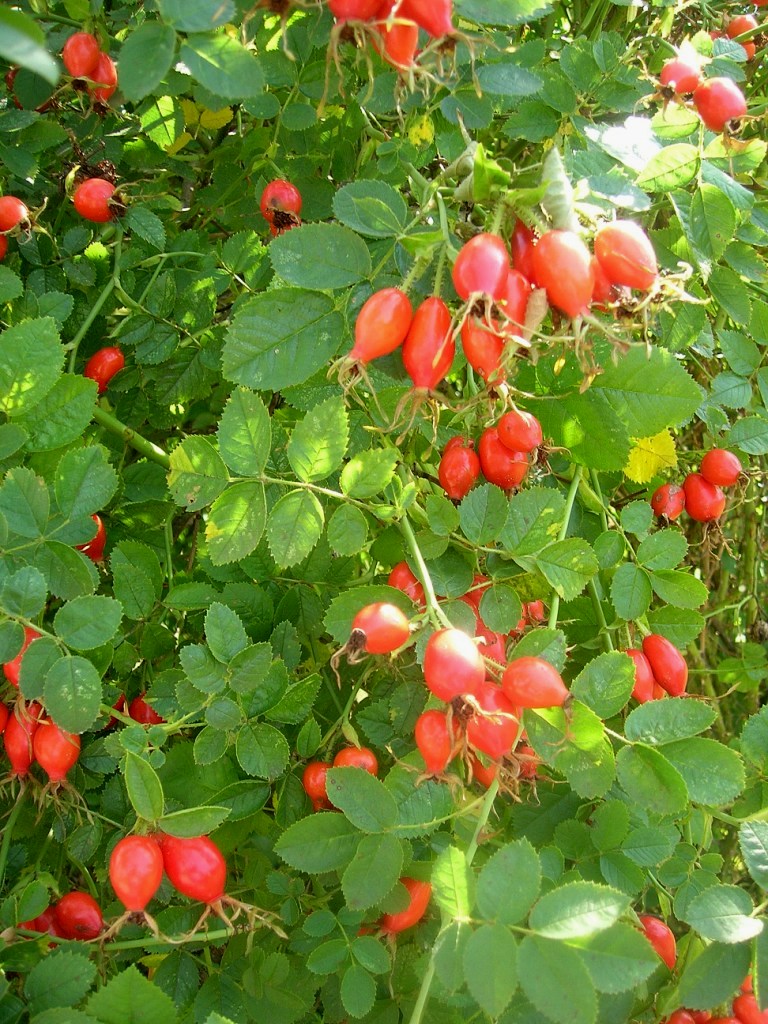
The rose (Rosa spp.) hip (also sometimes written as “rosehip”) is a pseudofruit in the economically important Rosaceae family, which includes apple (Malus spp.), strawberry (Fragaria spp.), plum (Prunusspp.), and almond (Prunus spp.). The genus Rosa includes more than 100 species that have been cultivated since ancient times in a vast array of climates.1 Both rose petals and rose hips can be used in culinary and herbal preparations. Rose plants grow as shrubs and are characterized by thorny stems, compound, serrated leaves, and attractive, colorful flowers.2 Different species of roses are native to areas around the world from Europe to Japan, where they have a long history of culinary and medicinal use.3 Today, roses are cultivated commercially for ornamental and medicinal purposes in Europe and Asia, but wild varieties are also found in North and South America.

The rose hip is an aggregate…

View original post 2,432 more words

Antibiotics Are Killing You

by Oro Cas

Oro Cas's avatarOro Cas Reflects

How many people do you know who have never taken an antibiotic in their lifetime ? Probably not very many. The fact is a large majority of people in this country and around the world have been prescribed an antibiotic at one point or another.

Would you have been willing to take that pill or injection if someone told you beforehand that there was a good chance your entire body make up would be changed ?

The lady who wrote the story I’m sharing is an incredible person with an inner strength that can only be understood by myself and others who are living with the physical effects  of this problem.

If your body seems to be breaking down quicker than normal then you will want to check Amy’s post out because she has shared a wealth of information on the subject.

This is the link to Amy’s story.  >>>

View original post 5 more words

Food as Medicine: Asparagus (Asparagus officinalis, Asparagaceae)

By Crooked Bear Creek Organic Herbs

Crooked Bear Creek Organic Herbs's avatarCrooked Bear Creek Organic Herbs

History and Traditional Use

Range and Habitat

Asparagus (Asparagus officinalis, Asparagaceae) is a herbaceous perennial with stalks that can grow to several feet in height. Most asparagus is harvested once the stalk reaches 6-8 inches in height. The stalk is the edible portion of the plant, along with its pointed, budlike tip.1,2 If asparagus is not harvested, the stalks grow into finely textured, fern-like plants before going dormant in winter.3 In the United States, the primary asparagus producers are the states of California, Washington, and Michigan.4


Depending on the cultivation method, asparagus yields a crop in one of three colors: green, white, or purple. Green asparagus, the most common in the US, is allowed to grow exposed to sunlight until harvested. White asparagus contains no chlorophyll due to human intervention, which involves mounding dirt on the stalk as it grows to shield it from sunlight.

View original post 2,197 more words