Tag: Health

Winter: Natural Home Remedies for Sore Throat


Sore throats are one of the most common reasons people go to the doctor and they tend to affect children the most. A sore throat is usually considered a minor complaint until you have one and every swallow induces pain — pain that may seem unbearable. Unfortunately, the only option is to treat the symptoms and rest until you recover. Fortunately, there are many natural remedies that can soothe a sore throat and there’s a good chance you already have many of them in your home.
Common Sore Throat Causes
There are many potential causes of a sore throat, viruses are the most common. In fact, viruses account for about 95% of sore throats in both adults and children under the age of 5. Other common causes of a sore throat include:
- Allergies
- Dry air
- Pollution
- Smoking
- Exposure to people with a sore throat
- Cold
- Flu
- Strep throat (bacterial)
- Tonsillitis
View original post 1,118 more words
Health Benefits of Cayenne Pepper

Cayenne pepper has been used for a variety of ailments including heartburn, delirium, tremors, gout, paralysis, fever, dyspepsia, atonic dyspepsia, flatulence, sore throat, hemorrhoids, menorrhagia in women, nausea, tonsillitis, scarlet fever, and diphtheria. Let’s take a look at some of the best health benefits cayenne pepper has to offer.
The Health Benefits of Cayenne Pepper
1. Anti-Irritant Properties
Cayenne has the ability to ease upset stomach, ulcers, sore throats, spasmodic and irritating coughs, and diarrhea.
2. Clears Congestion
Suffering from stuffed up sinuses due to cold, flu, or allergies? Cayenne pepper aids in breaking up and moving congested mucus.
3. Anti-Fungal Properties
In vitro tests have found that CAY-1, a compound found in cayenne peppers, effectively suppressed the development of 16 different fungal strains, while remaining completely non-toxic to animal cells.
4. Migraine Headache Prevention
This may be related to the pepper’s ability to stimulate a pain response in a different area…
View original post 465 more words
Food as Medicine Update: Carrot (Daucus carota subsp. sativus, Apiaceae)
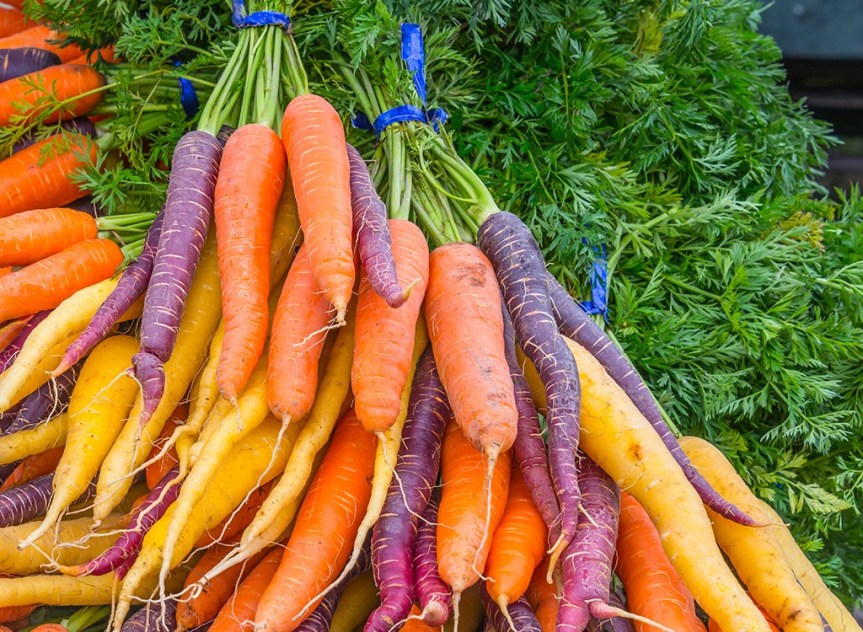
Widely available at most supermarkets, the common root vegetable carrot (Daucus carota subsp. sativus, Apiaceae) is a biennial plant with erect, green stems and fine, feathery leaves.1 The plant produces densely clustered white blossoms in an umbrella shape, which is typical of plants in the Apiaceae family. The edible taproot comes in a variety of colors: orange is the most widely available in stores, but the root can also be white, yellow, red, or purple.2
The modern carrot is a domesticated cultivar of wild carrot, Daucus carota, also known by the common name Queen Anne’s lace. Indigenous to Europe and southwestern Asia, frost-tolerant carrots are now cultivated in a wide range of environments.1 Carrots are popular with home gardeners due to their colorful varieties as well as their hardiness.
Phytochemicals and Constituents
Favored for their sweet flavor and versatility, carrots contain a vast array…
View original post 1,435 more words
Food as Medicine: Date (Phoenix dactylifera, Arecaceae)
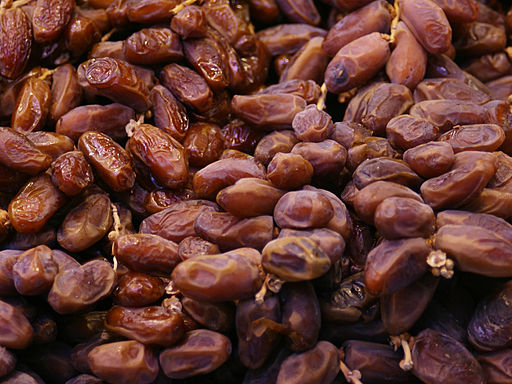
The date palm (Phoenix dactylifera, Arecaceae) has been cultivated for more than 5,000 years.1 Because of this long history of use and cultivation, the exact origin of the date palm is difficult to pinpoint. Dates have been harvested for centuries in northern Africa and the Arabian Peninsula, and have played a large role in the economies of countries where the plant grows.1,2 The largest global producers of dates are Iraq, Egypt, Saudi Arabia, Tunisia, Algeria, the United Arab Emirates, Oman, Libya, Pakistan, Sudan, and the United States.3
The date palm is a large palm tree and grows about 49-82 feet tall.1 The palm leaves are 1.5 to 11.5 inches long.1 Around the trunk of the date tree, the palm branches grow in a spiral pattern and form a crown with hundreds of leaves that are gray in color.2,4 The leaves have a…
View original post 2,299 more words
THE GOOD SIDE of BEING DOWN

The anatomy of anger, envy, sadness, and fear
Negative emotions do us a great favor – they save us from ourselves.
They’re mysterious signals, that oftentimes surge for “no apparent reason”, urging us to pay attention and change what we’re doing. Emotions that generate unpleasant feelings have been called sins (anger, envy), rejected in “polite” interaction (jealousy, frustration), or identified as unhealthy (sadness, shame). Culturally we’re taught to suppress these feelings, or medicate them, and punish ourselves for feeling them. Because these feelings are mostly seen as unpleasant, they are often called “negative” emotions… although “negative” is a misnomer. Honestly, if you think about it, emotions are not inherently negative or positive, they simply are a feeling to situations that happen. In esoteric practices, for example, they are distinguished by much more than whether they feel good or bad. Beneath the surface, every emotion orchestrates a complex expression of changes in motivation…
View original post 1,139 more words
Sacred Tree Profile: Apple’s Medicine, Magic, Mythology, and Meanings

“Nothing gives more yet asks for less in return, than a tree: particularly, the apple” –Johnny Appleseed
“As the apple-tree among the trees of the wood, so is my loved one among the sons. I took my rest under his shade with great delight, and his fruit was sweet to my taste.” – The Song of Solomon
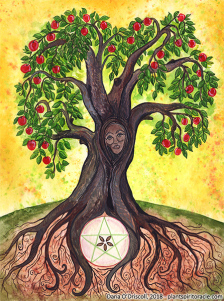 Spirit of the Apple – from the Plant Spirit Oracle (www.plantspiritoracle.com)
All summer long, we have had so much rain and thunderstorms. Penn Run, a small creek behind my home, once again overflowed, raising several feet for a time. When the waters had subsided, I was delighted to find delicious wild apples lining the banks–the river had carried them to me as a blessing for this wonderful Fall Equinox! It reminded me that I have been wanting to write of the apple–of her magic, of her folklore, and of her abundance=. And so…
View original post 2,594 more words
Breeding Cannabis Chemovars for Patients Requiring Distinct Chemical Profiles for Optimum Efficacy
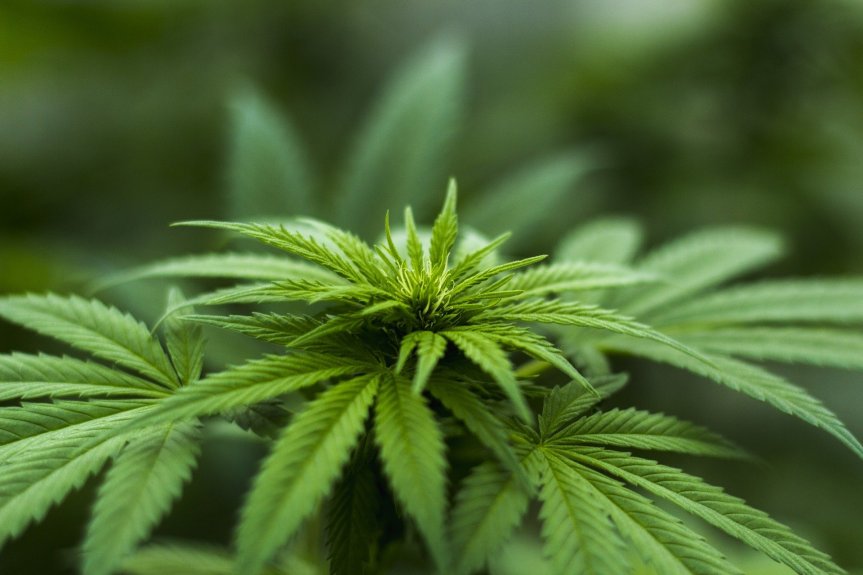
Proper exposition requires definition, certainly the case in the longstanding debate over cannabis (Cannabis sativa, Cannabaceae) speciation. Authors briefly introduce the ongoing dispute between followers of Fuchs (1542 CE) and Linnaeus (1753) and those of Lamarck (1783) and Schultes (1974). Lamarck described the putative “C. indica” and has been followed by proposed “compromise” naming like “C. afghanica,’ “C. ruderalis,” etc. If one holds that a species includes all plants capable of reproduction with each other, there is no debate. Cannabis is quite variable in height, branch density, leaf width, seed size, organoleptic and chemical traits, but all cannabis plants can interbreed. Nonetheless, “Sativa” and “Indica,” especially, have entered the popular lexicon, used even in medical cannabis dispensaries to denote the reputed differences in effect. A plethora of “strain” names – more properly varieties or cultivars, despite the illegality of the plant in…
View original post 667 more words
Crystals for Autumn Equinox

I REALLY LOVE this time of year! But I think I say that every time the seasons change. I get such a charge from the seasonal cycles.
The Autumn Equinox (or Spring Equinox for those in the Southern Hemi) is now upon us and for the purposes of this blog post I’m going to stick to the Autumn aspects, but if you’re from Down Under or just plain interested, you can read my classic blog post on Spring Equinox here.
Some Science, Of Course!
So, before I get to the crystals, a bit o’ science on the Equinox stuffs for a sec. I can’t help myself! This year’s Autumn (or Fall) Equinox lands on Friday, September 22.
There are 2 equinoxes each year; in September and March. Because of the tilt of our planet on our axis, we’re usually getting more sun on one hemisphere than on the other, but there are 2 times/year (Spring and Autumn Equinox) when we get pretty much equal amounts of sunlight on both hemi’s, so our night and day are of equal length everywhere on Mama Earth. So cool!

IMAGE BY PRZEMYSLAW “BLUESHADE” IDZKIEWICZ.
Herbal Healthwatch, September 2018

Rhodiola Relieves Stress
Rhodiola {Rhodiola rosea} is a perennial groundcover that grows in some of the harshest conditions on Earth; the Arctic regions, from Scandinavia to Siberia. For centuries in Russia, Rhodiola enjoyed a folk reputation as a while-body strengthener or tonic. After World War II, Russian researchers added it to the short list of “adaptogens,” plants such as ginseng that strengthen the entire body. But during the Cold War, the Russian military seized Rhodiola supplies and suppressed information about the herb, convinced that it could give Soviet troops an edge in potential battle. After the fall of the Soviet Union, Russian Rhodiola research was published in the West and the herb became available in the U.S. and Europe.
More recent research shows it has several health benefits, particularly in the realm of coping with physical and emotional stress, and a new study shows that it helps prevent…
View original post 1,345 more words
 Paths I Walk
You must be logged in to post a comment.