A Seed Starting Ritual for Nourishment, Connection, and Relationship

Dana's avatarThe Druid's Garden

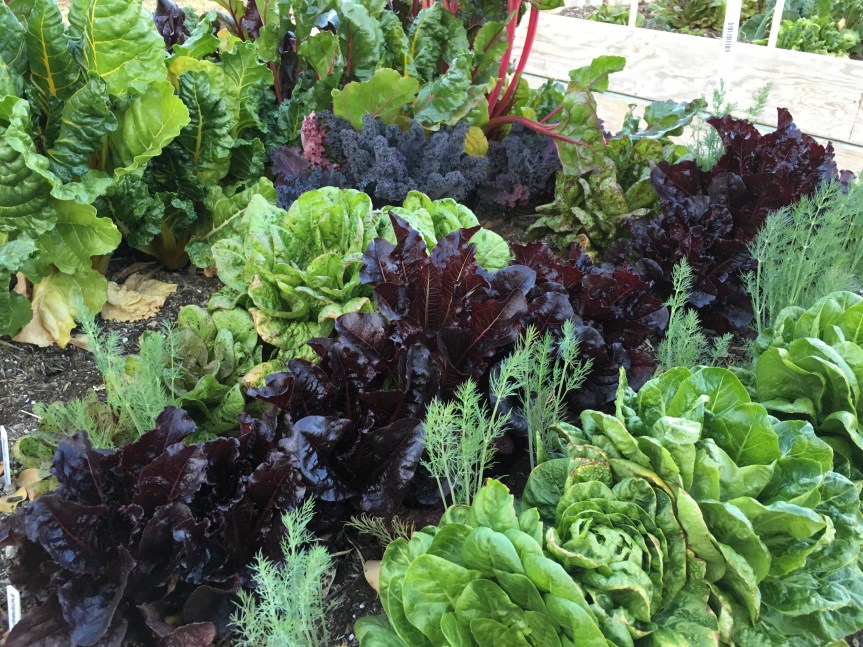
All of the potential and possibility of the world is present in a single seed.  That seed has the ability to grow, to flourish, to produce fruit and flowers, to offer nutrition, magic, and strength.  Seed starting offers us a chance to connect deeply with the seeds we plant, and to , from the very beginning, establish and maintain sacred relationships with our plant allies. Seed starting is a truely magical druidic practice, and in today’s post, I want to talk a bit about the magic of seed staring and share a simple ritual that you can do to bless your seeds as you plant them. Some of my earlier posts on seed starting can be found here (a general philosophy of seeds from a druidic perspective) and here (recycled materials for seed starting).
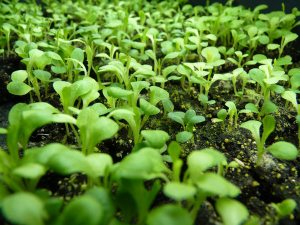
Seeds coming up! Seeds coming up!

One of the most important parts of a druid practice, in my opinion…

View original post 2,045 more words

Primrose; The Flower of February

Crooked Bear Creek Organic Herbs's avatarGood Witches Homestead

COMMON NAME:  primrose
GENUS:  Primula
SPECIES, HYBRIDS, CULTIVARS:
P. denticulata-lavender, purple, or white flowers; grows to 12 inches. P. japonica ‘Millar Crimson’-flowers whorled around 24-inch stem; blooms May-June. P. polyanthus-best known; colors are red, pink, blue, gold, and white, all with small yellow eyes.
FAMILY:  Primulaceae
BLOOMS:  spring
TYPE:  perennial
DESCRIPTION:  Primroses form an attractive rosette of crinkly, light green leaves. The flowers are generally brightly colored and occur in tight bundles on individual stems above the leaves.
CULTIVATION:  Needing partial shade, primroses thrive in well-drained, rich soil. They are indigenous to cool, moist meadows and woodland environments  Duplicating these conditions as closely as possible will create the best growing conditions for primroses. The soil should not be allowed to dry completely. To retain vigorously blooming plants, divide clumps every four to five years. Seeds should be sown in midsummer for bloom the following spring.

Primrose is beloved…

View original post 705 more words

Aromatic Herb for February; Tansy

Crooked Bear Creek Organic Herbs's avatarGood Witches Homestead

Tansy {Tanacetum vulgare}

Tansy is an upright herb with a crown of bright yellow clustering flowers. It is a member of the Asteraceae family and is also known as common tansy, bitter buttons, cow bitter, mugwort, and golden buttons. It grows to a height of three feet and produces pinnate, lance-shaped leaves that are uniformly toothed. Its button-shaped flowers sit atop erect, reddish stems.

EXCLUSIVE! Get 15% Off Blue Tansy Oils at Plant Therapy! Use Code “SPOTLIGHT33” and Save! HURRY, Offer Ends 2/14! (Limit 1 Per Customer)EXCLUSIVE! Get 15% Off Blue Tansy Oils at Plant Therapy! Use Code

Native to Europe and Asia – and of possible Asian origin – the plant was likely first cultivated as a medicinal herb by the Greeks. In the eighth century, it grew in the herb gardens of Charlemagne and at the Abby of Saint Gall in present-day Switzerland, now a UNESCO World Heritage Site. At that time, it was used to treat…

View original post 458 more words

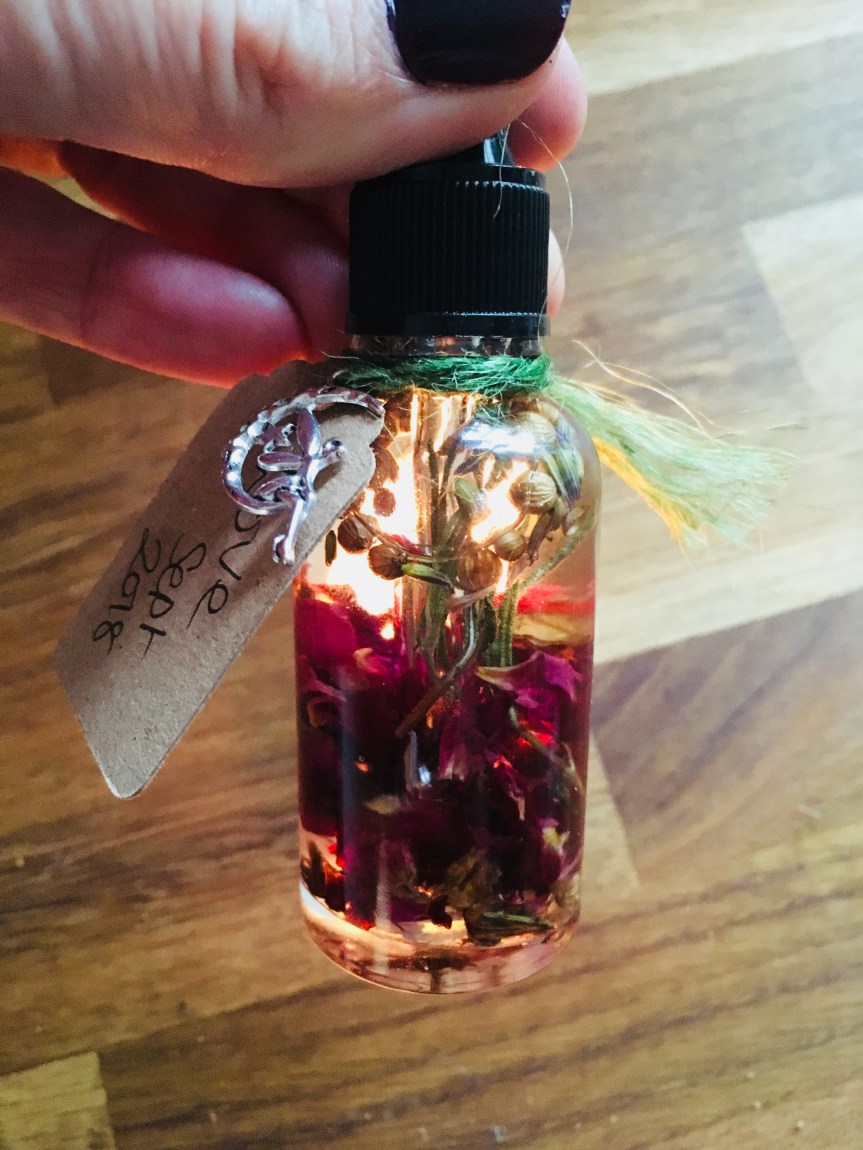
Home Brewed ‘Love Oil’ for Valentines

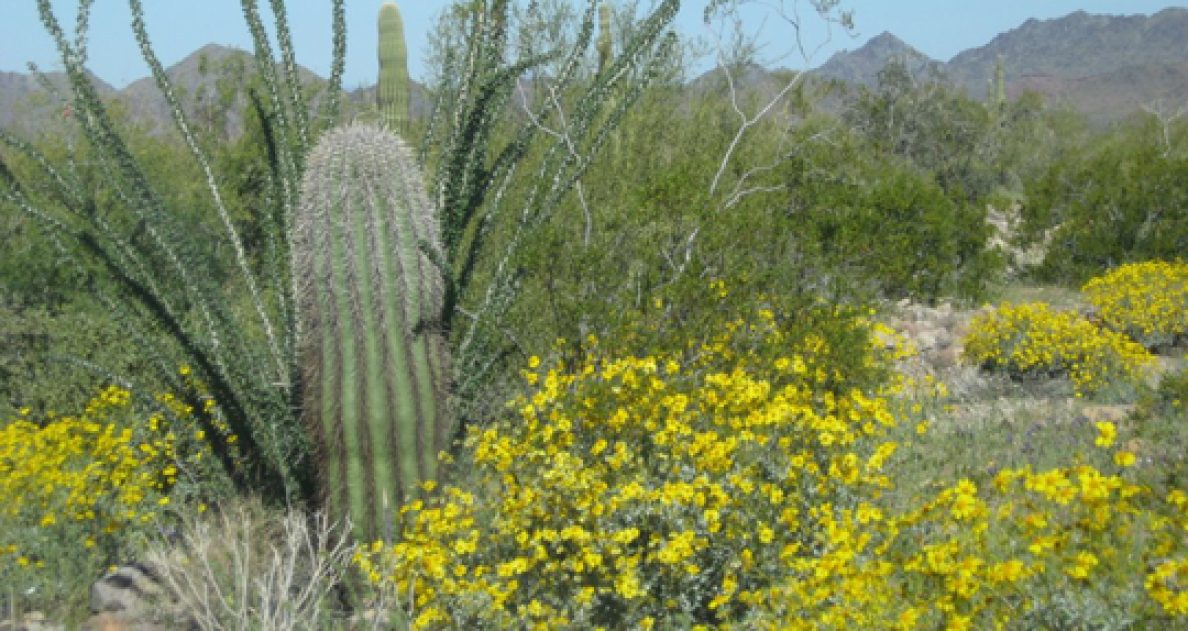
February in the Low Desert

Crooked Bear Creek Organic Herbs's avatarCrooked Bear Creek Organic Herbs

In February, continue to prepare for frost events and take necessary frost protection measures. Don’t let a warm week in February fool you into believing spring has arrived. The low-desert can still have periods of freezing temperatures during the month.

Mesquites may ooze an amber-colored resin; this can be normal or released as a result of an injury. The exudates are often sweet smelling and tasting. If the exudates are dark in color, sticky and odiferous it is caused by a bacterial infection called slime flux.  You can prune affected branches, but once it has been established the tree will remain diseased and take years to die.

February is still a good time to prepare a new vegetable garden bed for spring planting. Prepare your vegetable bed by using a digging fork or rototilling to approximately 12-18 inches deep. Do not work soil if it is too wet as it…

View original post 1,049 more words

Natural Dyes from your Flower Garden [Infographic]

ecogreenlover's avatarecogreenlove

We plant gardens for food, health, and beauty. But did you know that many plants yield natural dyes for yarn, fiber, and fabric as well? The truth is that humans have been borrowing nature’s colors for thousands of years. This concept is back in vogue as it opens up a whole new world for many – especially those who value organic practices.

Botanical dyes are earth-friendly, biodegradable renewable resources. Crafters are also drawn to them because natural plant dyes produce hues that are much more complex than their synthetic counterparts. Color doesn’t stop at flower petals. Depending on the species, it can also be found in other parts of the plant, such as leaves, stems, roots, and fruits.

View original post 119 more words

Lavender for Body and Soul

Crooked Bear Creek Organic Herbs's avatarGood Witches Homestead

Lavenders have everything for the modern garden as an amenity plant. They are
evergreen, fast-growing, compact and fragrant. The origins of its name are
probably from the Latin word Lavare indicating the plant has another use as it
means to be washed and suggests it was regularly used to perfume bathing water.
There are numerous references to other qualities of lavender in Roman times – such
as a cure for mild epilepsy and as a laxative. The production of lavender for
aromatherapy, perfumery and alternative medical purposes are now well developed
in countries where various species of lavender are found naturally i.e. from the
The Mediterranean to the Middle East, India, North Africa, and Asia.

Climatic Factors

Lavender production requires dry roots and shoots, free draining soils and
reasonable light levels. Low fertility sandy soils are ideal with a Ph range of 6.0 to
7.0. When selecting suitable sites frost…

View original post 2,141 more words

Urbalive Worm Farm: Making worm composting indoors a simple process

Life & Soul Magazine's avatarLife & Soul Magazine

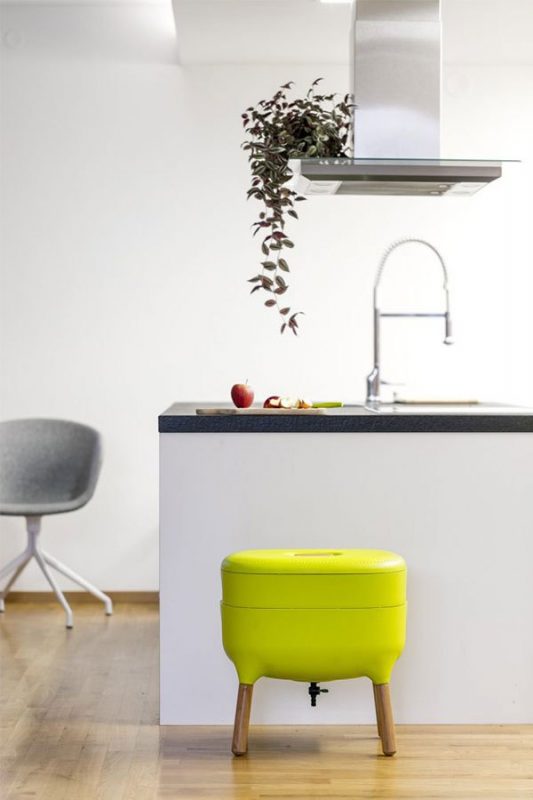
There’s a myriad of choices when it comes to composting, and if you live in a small space with no access to a garden, worm composting, in particular, is still an option. Urbalive Worm Farm is an indoor kit for composting kitchen bio waste with red worms.

Designed by Czech designer Jan Pelcl, the Urbalive Worm Farm is a stylish container which stands on wooden stilts, like a stool. Its modern design is made up of composting layers where worms help create vermicompost leading to a container where the worm tea collects.
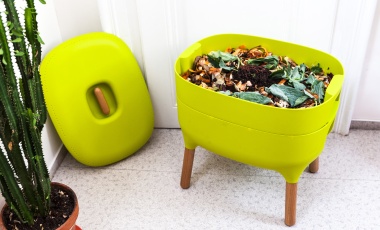
Vermicompost contains essential enzymes and natural growth hormones that are great for soil fertility and feeding gardens. Worm tea is rich in natural nutrients and enzymes that help plants grow strong and healthy. The tea can be mixed with water and added to soil in flower pots and plants for use as food.

By following a few simple basic rules,

View original post 78 more words

January Gardening In The Low Desert

Crooked Bear Creek Organic Herbs's avatarCrooked Bear Creek Organic Herbs

January is generally a slow month for gardening in the low desert. Take advantage of this “quiet” time by preparing and planning for the upcoming spring months.

January is a good time to prepare a new vegetable garden bed for spring planting. Prepare your vegetable bed by using a digging fork or rototilling to approximately 12-18 inches deep. Do not work soil if it is too wet as it can permanently damage the soil structure. Apply compost generously (several inches) and incorporate it into the loosened soil. If you have an existing vegetable garden this is also a good time to add compost.

Free Shipping on Orders over $35

Continue to protect cold-tender plants including Euphorbia spp., Adenium spp., Pachypodium spp. and sub-tropical cacti.  Many aloes will be blooming at this time and flowers may need to be protected if we have frost events. Aloe clumps can be divided at this time.

Mesquites will begin to…

View original post 1,033 more words

Kick Off 2019 With A Health-Minded Resolution!

Crooked Bear Creek Organic Herbs's avatarGood Witches Homestead

All of us want to live happy, fulfilling, and creative lives. How can we achieve this goal? Undoubtedly, creating and maintaining good health is key. Most importantly, we need to pay attention to what is unfolding in and around us. This means regular internal “check-ins” to determine what we need – rest, nutrients, emotional and physical contact, stretching and movement – as well as the daily practice of healthy habits. We must literally “practice to be healthy,” rather than practice to be sick. This requires effort, knowledge, support, and repetition. In today’s world, it also necessitates knowing how best to manage the daily stress that is part of our lives in a way that works for us personally and individually.

Begin your Herbal Journey in the Introductory Herbal Course

Reducing stress and its effect on health is a challenge for nearly everyone. Some of us turn to pharmaceutical medications, which often not only fail to truly reduce stress but…

View original post 2,623 more words