An earth oven is an oven made of cob (a mixture of clay, sand, and straw) with insulating features (firebricks, bottles). It is an extremely efficient and sustainable method of doing any baking you might need to do. One firing of your earth oven can allow you to bake different things for hours (pizzas, bread,…
I thought I’d share this recipe from Gather Victoria Patreon for two reasons. May is the sacred month of the Blessed Virgin Mary and in Roman Catholic tradition, roses are the emblematic flower of the Blessed Virgin Mary – and roses will be blooming shortly! On May 31st a “crown cake” is typically baked “affirming…
It pays to pay attention to plant labels. Especially in the case of tarragon–especially if you are planning to use tarragon in your cooking. If you are growing tarragon for culinary purposes, be sure the label on the plant or seed that you buy says “French tarragon” or Artemisia dracunculus ‘Sativa’, to be sure. If the label says only “tarragon,” you may be purchasing Russian tarragon, which is not the tarragon you want for your roast chicken or béarnaise sauce.
The botanical name for tarragon, Artemisia dracunculus, comes from the Latin word meaning “little dragon” or “snake.” It is thought that the plant was given this name because its roots…
Here in Texas, there’s a saying: “We have two seasons – summer and winter.” That’s not quite true; but if you’re not paying attention, spring can slip right past. And the last thing I want is to miss a single day of our glorious, but ephemeral, spring.
The nights here are still cold – sometimes approaching freezing – but the robins have arrived, so I know springtime is near. It’s time to listen for a hushed prelude to seasonal change, time to look for intimations of life beginning to stir. Every few days, this calls for a visit to the two redbud trees in my Houston neighborhood to check the trunks and bare branches for any evidence of tiny pink flowers. Nothing to see for weeks on end; then suddenly, here they are – scattered crimson buds emerging straight from the furrowed bark, swelling with life, and…
What more appropriate treat could there be for an occasion of the heart like Valentines Day? After all, many herbalists consider hawthorn berries the ultimate heart tonic and every kitchen witch knows that bewitching hawthorn opens the heart to love. Heart-warming.& heart-strengthening, hawthorn heals, protects and uplifts heavy hearts, supporting us physically, emotionally and spiritually. …
Imbolc–the first signs of spring (artwork by myself and my father, Mark Driscoll)
In a traditional neopagan Wheel of the Year, Imbolc is the holiday that offers the first signs of spring. Most traditionally, this is when the ewes began to lactate, and the snowdrops appeared on the landscape in the British Isles. In the age of climate instability, traditional seasonal interpretations become challenged for many reasons–not the least of which are climate disruptions. So how might we bring the holiday of Imbolc into the 21st century and think about what this holiday means to us today?
As I’ve discussed in earlier posts in this series, the 21st Century, the Age of the Anthropocene, offers us a set of unprecedented challenges and yet opportunities. As a permaculture designer, I think it’s important to recognize that while the problems we already face are unavoidable, these problems give us a…
For most of us, our garden tools are cleaned and stored, the holidays have passed, and we have a little more time to simply enjoy what we find in meadows, forests, fields, and even in our own backyards. Lichens can fill a part of the void we may be feeling. Their curious forms and means of growing and spreading, with which many of us are unfamiliar, can fill our minds with the wonders of things we normally pass without notice.
There are more than 5,000 species of lichen and lichen-dependent fungi in North America, with colors ranging from blues, lavender, yellow, red, orange, and gray to many beautiful greens. Color in lichens can depend on whether they are wet or dry. A major paint company even created a color they call Lichen to mimic the natural, earthy beauty of the organism. Perfectly described by Ed Yong in…
Happy Winter Solstice! I’m sharing this recipe from the Gather Victoria Winter Magic ECookbook because it encapsulates the archetypal drama of the season – the rebirth of the light. And that meant plenty of cakes, cookies, and confections for the old winter witches like Frau Holle! Their symbols are very much alive in our holiday…
This is a good question to ponder, but it’s a difficult question to answer unless clarification is provided.
How much land are we talking about? And what is the time frame in question?
Even with such clarification, answers do not come easy. The original question often persists and we are prompted to further refine our inquiry.
What did the eastern forests look like 300 years ago? Which trees were present, and what was the composition of the trees in these earlier forests?
American chestnut, it turns out, can help us answer those questions.
American chestnut (Castanea dentata) is a tree whose numbers have dwindled over the past 100 years. A fungal disease known as chestnut blight has been the major culprit, but other factors have contributed to the decline of mature American chestnut trees in eastern forests.
When we study accounts of American chestnut, we routinely hear the same thing: “American chestnut was a dominant tree in eastern North America prior to the introduction of chestnut blight.”
We also hear this: “One in every four hardwood trees in eastern North America was an American chestnut.”
Believing both statements to be true, we might imagine an unbroken expanse of chestnut trees in eastern North America. The proverbial squirrel might have been able to travel from Maine to Florida on chestnut tree limbs without ever touching the ground.
But was that ever the case? Was American chestnut really the most dominant tree in eastern North America?
Or, have the claims been exaggerated? Could it be possible that American chestnut was not so dominant of a tree in these earlier forests?
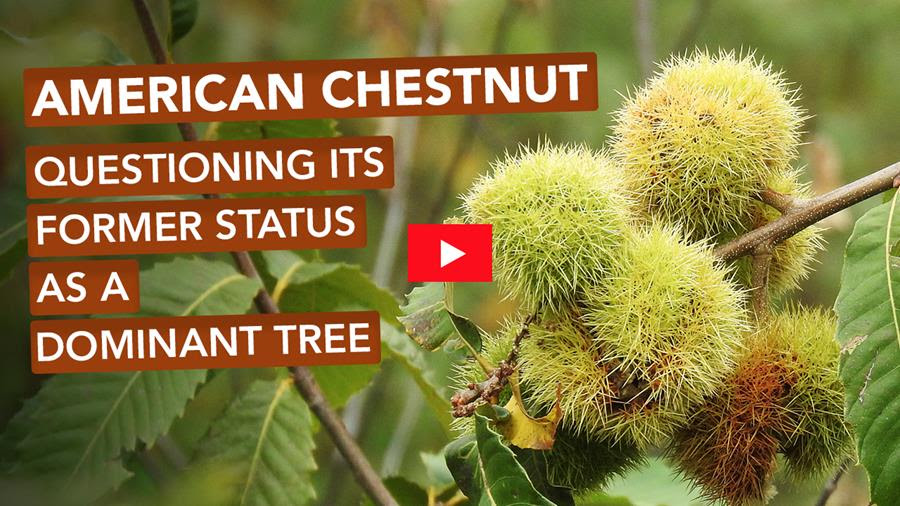
That’s the topic of this week’s brand new video. If you are interested in learning what the land might have looked like in the not too distant past, check it out!
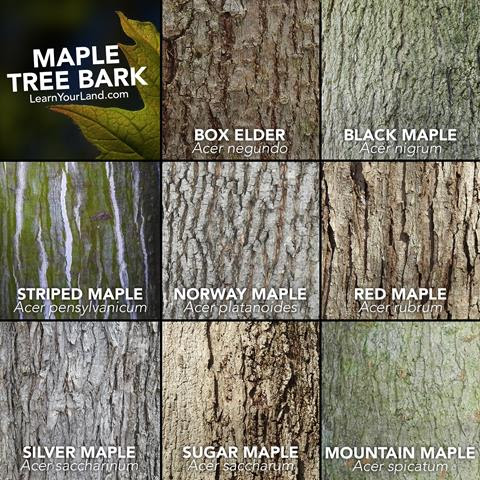
Most maples are leafless this time of year in eastern North America. Fortunately, bark features are still available and very useful for proper identification. Check out these side-by-side images of 8 different maple trees to assist you with your winter identification skills.Click to view post
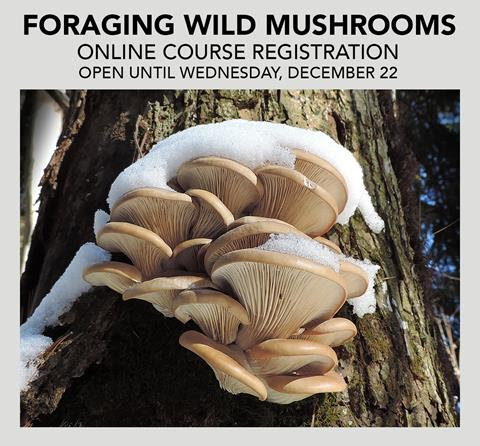
If you are eager to pursue educational opportunities during the winter months, check out Foraging Wild Mushrooms.This 4-season online course is designed to help you safely, successfully, and confidently forage wild mushrooms from the forest, from the field, and from your own backyard.Click to learn more
Thanks for reading and watching, and thanks for your continued support!
The spice that we call cloves comes from the clove tree, Syzygium aromaticum. This evergreen herbal tree is in the Myrtle (Myrtaceae) family and is native to the Molucca Islands in the Pacific Ocean. These islands were once called the Spice Islands and now are a part of Indonesia.
The tree needs a warm, humid climate, and deep, loamy soil to grow well. It is said that it also needs to see the sea in order to thrive. It does indeed grow well near the coasts of tropical islands. The clove tree can reach a height of 26 – 40 feet and begins to flower when it is about five years old. At 20 years, it is ready to begin harvesting the cloves, which are the unopened flower buds, growing in clusters of 10 – 15 buds. The tree continues to produce cloves for more than 80 years…


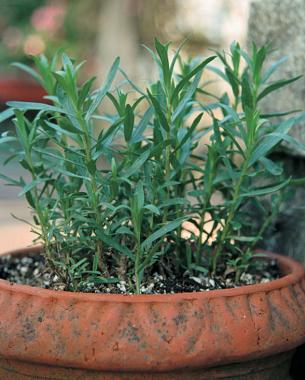 It pays to pay attention to plant labels. Especially in the case of tarragon–especially if you are planning to use tarragon in your cooking. If you are growing tarragon for culinary purposes, be sure the label on the plant or seed that you buy says “French tarragon” or Artemisia dracunculus ‘Sativa’, to be sure. If the label says only “tarragon,” you may be purchasing Russian tarragon, which is not the tarragon you want for your roast chicken or béarnaise sauce.
 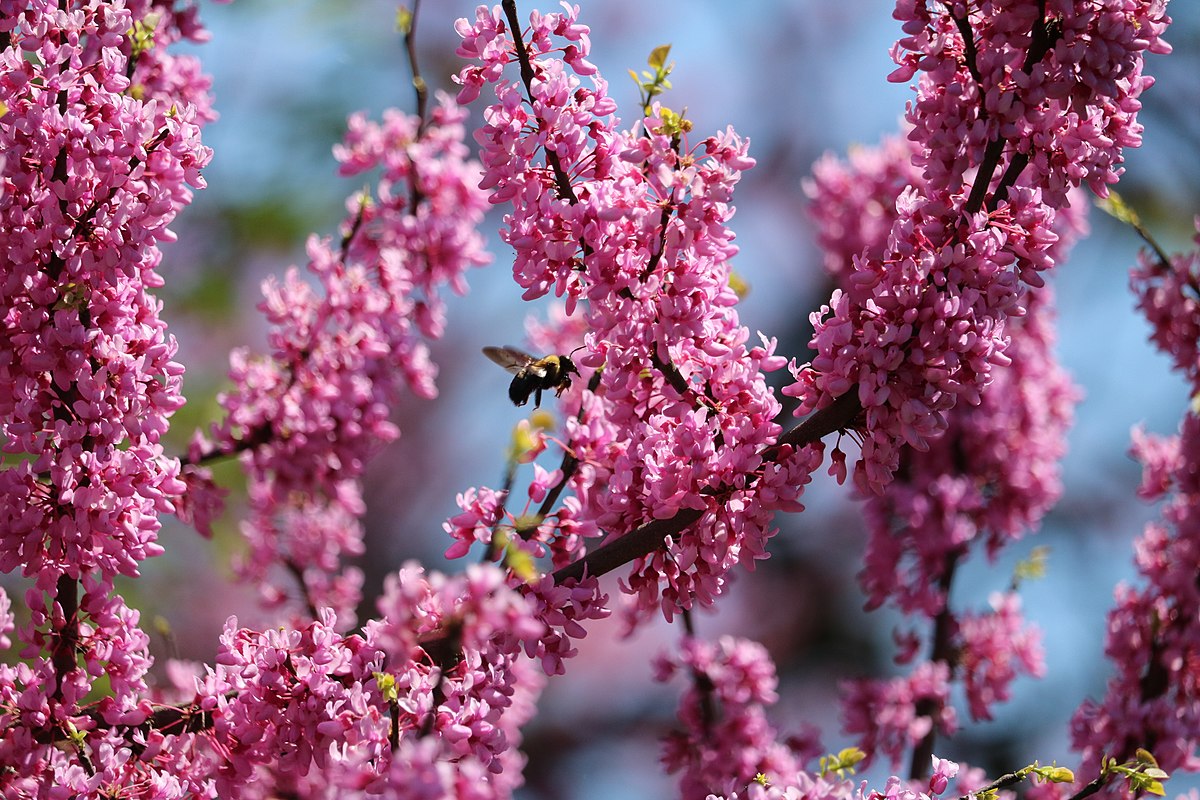 Here in Texas, there’s a saying: “We have two seasons – summer and winter.” That’s not quite true; but if you’re not paying attention, spring can slip right past. And the last thing I want is to miss a single day of our glorious, but ephemeral, spring.



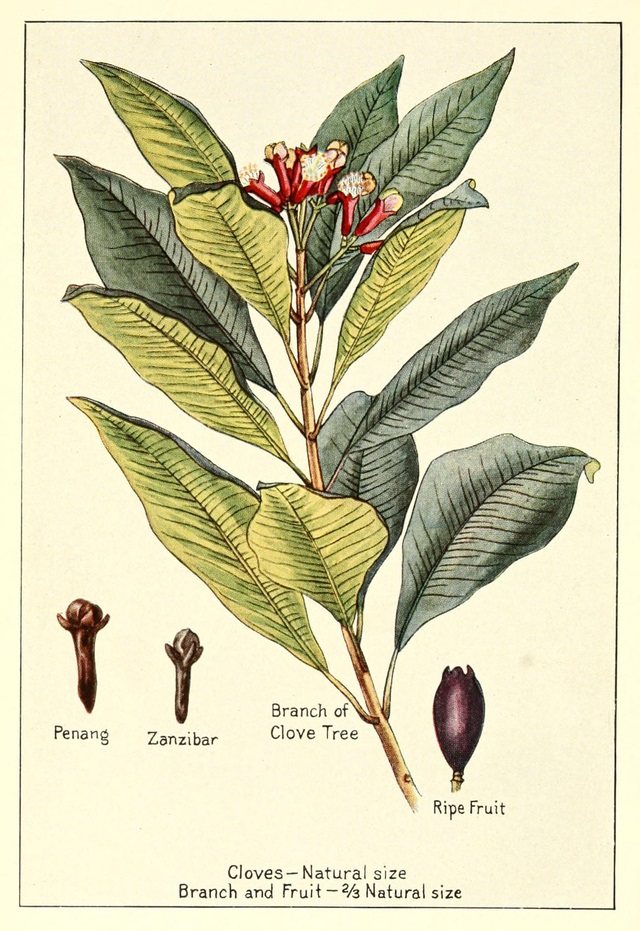 The spice that we call cloves comes from the clove tree,
  Paths I Walk
You must be logged in to post a comment.