Food as Medicine: Pistachio (Pistacia vera, Anacardiaceae)

Crooked Bear Creek Organic Herbs's avatarCrooked Bear Creek Organic Herbs

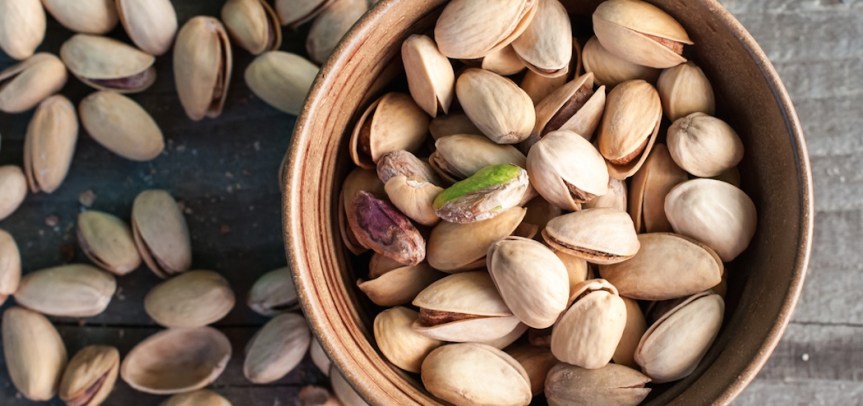
The pistachio (Pistacia vera) is the only commercially grown species in its genus, which belongs to the Anacardiaceae family. Members of the genus Pistacia are among the oldest flowering nut trees and are small to medium in size, and characterized by their ability to exude mastic (plant resin).1,2 Other economically important plants in Anacardiaceae include cashew (Anacardium occidentale) and mango (Mangifera indica).

Pistachio trees are temperate, deciduous trees adapted to the dry, hot, drought-prone climates of the Middle East.1,2,3 The pistachio tree can grow to a height of 10 meters (about 33 feet) and has pinnately compound leaves containing three to seven leaflets.3,4 The trees are dioecious; both male and female pistachio trees produce their own flowers.4 Female trees are wind-pollinated and produce green and brown flowers with no petals during the early summer.1,5 Female pistachio trees produce clusters of nuts…

View original post 3,075 more words
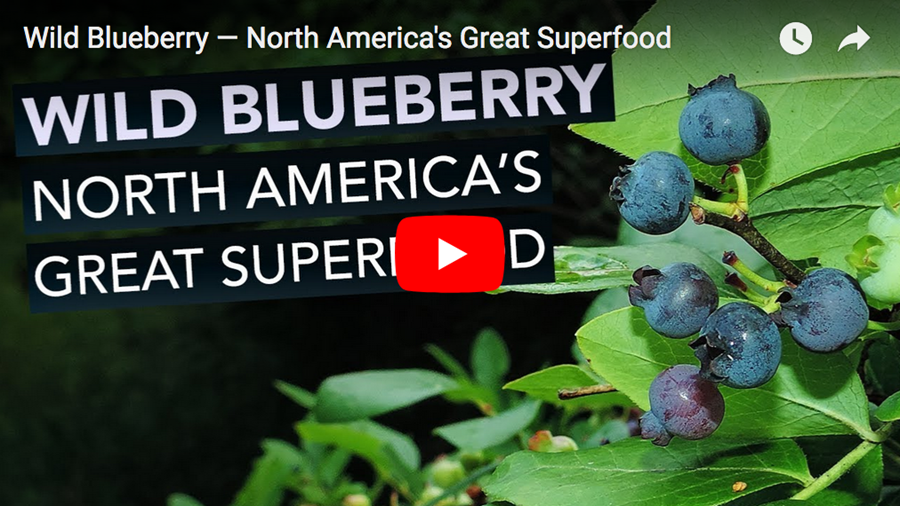
Now’s The Time To Harvest This Great North American Superfood!

Greetings!

I’m excited to partner with Forager’s Harvest in Bruce, Wisconsin for an evening mushroom walk on Thursday, August 9th.  We’ll explore the area in search of summer mushrooms, as well as identify mushrooms that participants bring to the program.  If you’re in the Midwest this August 9th, I’d love to meet you!  More information can be found here.

Next, let’s talk about foods that are super…

When many people think of the word “superfood,” images of expensive powders, fancy juices, and exotic herbs come to mind.

When I think of the word “superfood,” images of local plants, backyard weeds, and brambly fruits come to mind.

As nature would have it, North America (and every habitable continent!) is replete with a cornucopia of superfoods manifested as wild fruits, nuts, seeds, and herbs.

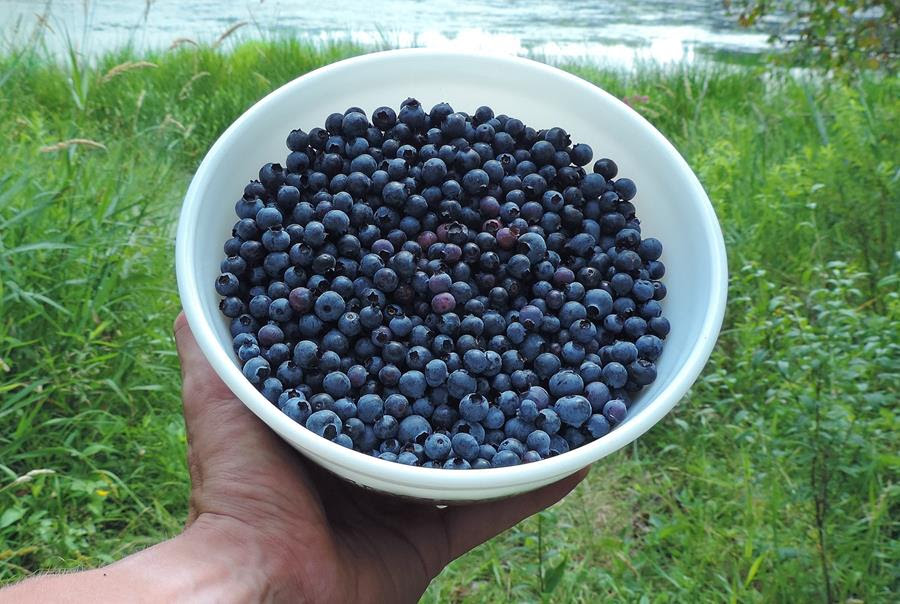
The wild blueberry is one common fruit that, despite its ubiquity, is certainly a superfood in every sense of the word.  Tasty, abundant, and brimming with health-promoting compounds, its value to both humans and wildlife cannot be overstated.

I recently spent some time in the company of a few wild blueberry shrubs and decided to document the experience.  If you’re interested in learning why I recommend the wild blueberry as a regular component of the human diet (and garden!), check out the brand new video!

Have you been finding any choice edible mushrooms lately?  Here’s a list of 8 edible fungi you’re likely to encounter during the warmest weeks of the year… especially after a good rainfall!

Thanks for reading and watching, and as always, thank you for your support!

Adam Haritan

Aromatic Culinary Herb Called the Tarragon

By Crooked Bear Creek Organics

Crooked Bear Creek Organic Herbs's avatarCrooked Bear Creek Organic Herbs

Tarragon

Artemisia dracunculus

Also, Known As:

  • Dragon’s Mugwort
  • Estragon
  • French Tarragon
  • German Tarragon
  • Tarragon
  • True Tarragon

Tarragon is a green perennial shrub that is smooth and lacking in hairs and bristles. The shrub is native to the sunny and dry regions of the northern hemisphere, especially the United States, Asia, and Siberia. The plant derives its English name from the French estrange denoting ‘little dragon’. People in Europe grow this shrub commercially for it perfumed leaves that pass on a licorice-anise essence to salads, sauces, and foods prepared with vinegar. Normally, the tarragon plant, having slender stalks, grows up to a height of two feet and bears glossy green, elongated and slender leaves that are undivided. This shrub is intimately related to wormwood. Tarragon has fibrous roots that are long and extend to all areas where they are grown by means of runners. The shrub bears small flowers that are…

View original post 3,305 more words

Aromatic Culinary Herb Called the Dill

By Crooked Bear Creek Organics

Crooked Bear Creek Organic Herbs's avatarCrooked Bear Creek Organic Herbs

Dill

Anethum graveolens syn. Peucedanum graveolens

Also, Known As:

  • American Dill
  • Common Dill
  • Danish Dill
  • Dill
  • Dillseed
  • Dilly
  • Dillweed
  • European Dill
  • Garden Dill

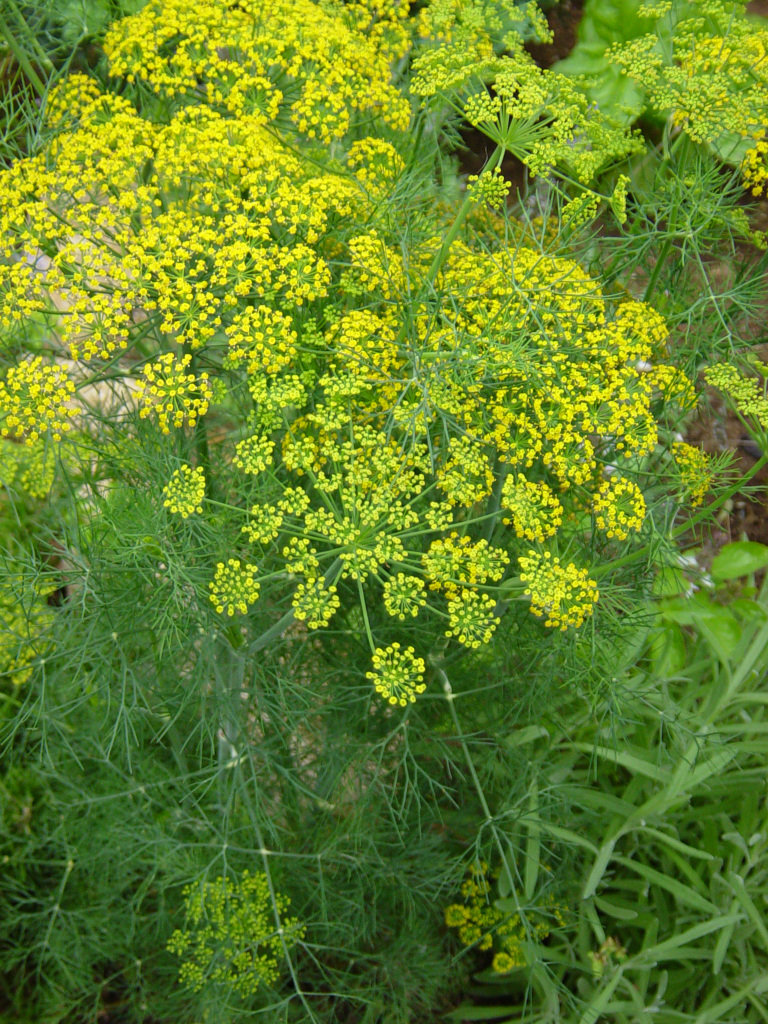
The familiar culinary plant known as the dill is an annual aromatic herb, which is about thirty inches tall – seventy-five centimeters in height. The herb bears feathery leaves on an erect stem that is hollow inside. When in bloom, the herb bears a large number of yellow colored flowers in umbels on the stem.

The dill has been traditionally associated with superstitious beliefs in Europe, and hanging a bunch of dill herbs over the door was supposed to protect one against witches and sorcery in the olden days. While the herb is no longer associated with such superstitious beliefs these days, it is still used to a great degree in the manufacture of herbal medications and in culinary dishes in many cuisines around the world.

The…

View original post 2,611 more words

One Of My Favorite Places To Find Incredible Wild Plants & Mushrooms

Greetings!

First, I want to say “Thank you!” to everyone who pre-registered for the upcoming Summer Flora & Fungi Hike on July 7th.  Registration is now closed, as both walks have filled to max capacity.  Stay tuned for another Learn Your Land outdoor event to be held in August!

Second, let’s talk about ideal locations to find incredible wild plants and mushrooms.

Bogs are magical.  Floodplains are great.  Deciduous woods are wonderful, and forest edges are fantastic.

I love walking through all these unique ecosystems during all seasons of the year, though I’d be remiss if I didn’t mention an additional habitat that I absolutely love exploring…

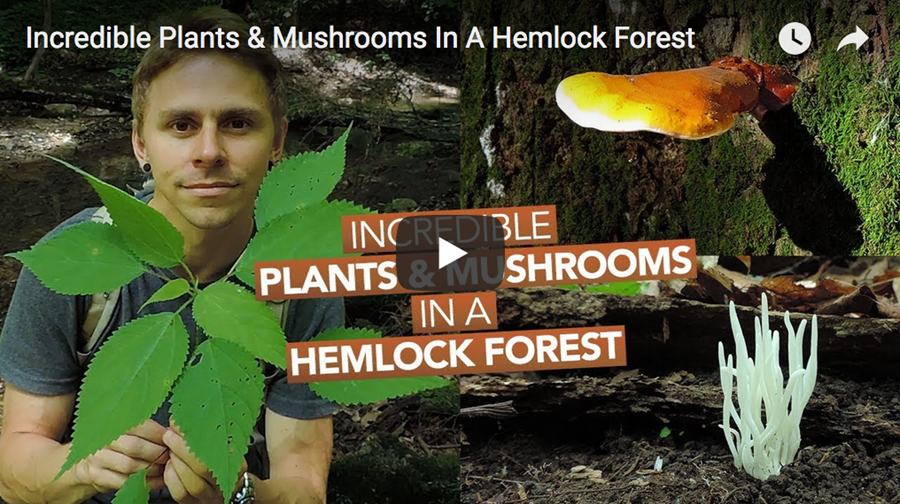
A hemlock forest.

There’s something special about it.  Dark, moist, green, and aromatic… this is how I typically think of a hemlock forest.  Deep in these woods, incredible wild plants and mushrooms can often be found if the conditions are right.

I recently explored a hemlock forest in search of summer’s flora and fungi.  Needless to say, I brought my camera along and documented the experience.  If you’re interested in learning a few new incredible plants and mushrooms (some of which are edible and medicinal!), check out the brand new video!

Speaking of incredible wild fungi, Black Trumpet mushrooms are appearing right now.  These fungi are some of the tastiest wild mushrooms on the planet, though they’re not always so easy to find.  Check out this recent Instagram post to learn a few foraging tips!

Thanks for reading and watching, and as always, thank you for your support!

-Adam Haritan

Fragrant Linden Blossom Sun Cake: A Magical Midsummer Treat ~ Gather Victoria

Delicately perfumed with the GORGEOUS scent of linden blossoms, this moist, crumbly cake truly is delicious. I couldn’t stop eating it – so now I have to bake a whole new one for solstice! But that’s okay, it takes no time to whip up and I’ll get to enjoy even more of it! In Latvia,…

via Fragrant Linden Blossom Sun Cake: A Magical Midsummer Treat — Gather Victoria

Health Benefits of Barley Water

By Crooked Bear Creek Organics

Crooked Bear Creek Organic Herbs's avatarCrooked Bear Creek Organic Herbs

Barley water is made from barley, which is believed to be one of the oldest grains in the world. Although it is not a staple of most American diets, there is growing evidence that barley and barley-based foods have a variety of health benefits.

In this article, we look at the evidence behind the many health claims about barley, as well as its nutritional value. We also list steps on how to make barley water at home.

Five potential benefits

The health benefits of barley water include:

1. Fiber Boost

Barley water benefits digestive system

Barley water is an excellent source of fiber, which helps to keep the digestive system healthy.

Many of barley’s health benefits come from it being an excellent source of dietary fiber. Fiber is essential for keeping the digestive system healthy, contributing to healthy bowel movements, and helping people avoid problems such as constipation.

Researchers have linked a diet high in dietary…

View original post 1,956 more words

Spellbinding Sweet Woodruff Cake: Prosperity Magic — gather

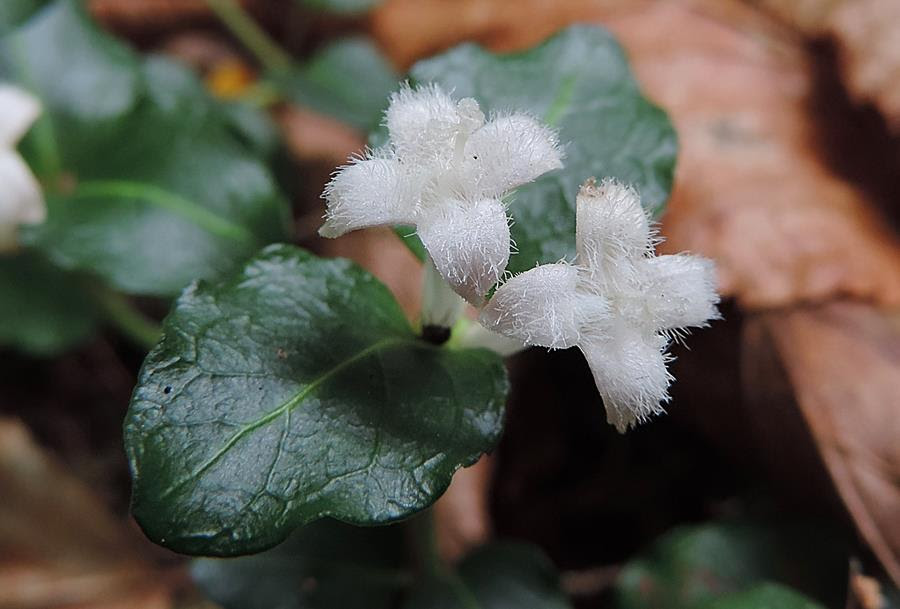
In my tiny wildish garden, nestling at the foot of a tall tree, is sweet woodruff. Her glossy leaves and small white blossoms may be hidden by a profusion of taller plants, but it is her scent that perfumes the air. Fresh, her fragrance (like rain, earth, fresh air and green grass all condensed into…

via Spellbinding Sweet Woodruff Cake: Prosperity Magic — gather

Food as Medicine: Asparagus (Asparagus officinalis, Asparagaceae)

By Crooked Bear Creek Organic Herbs

Crooked Bear Creek Organic Herbs's avatarCrooked Bear Creek Organic Herbs

History and Traditional Use

Range and Habitat

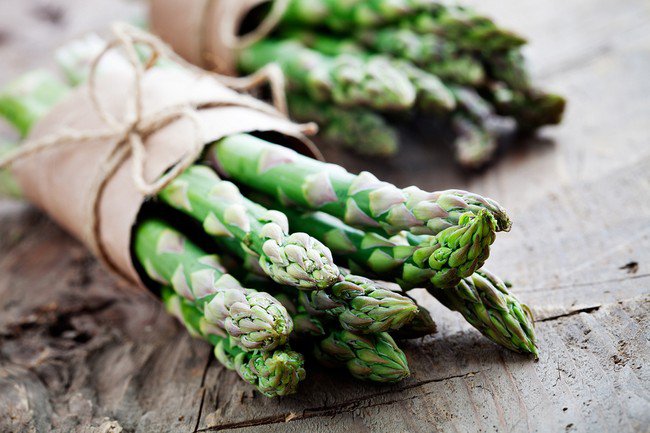
Asparagus (Asparagus officinalis, Asparagaceae) is a herbaceous perennial with stalks that can grow to several feet in height. Most asparagus is harvested once the stalk reaches 6-8 inches in height. The stalk is the edible portion of the plant, along with its pointed, budlike tip.1,2 If asparagus is not harvested, the stalks grow into finely textured, fern-like plants before going dormant in winter.3 In the United States, the primary asparagus producers are the states of California, Washington, and Michigan.4


Depending on the cultivation method, asparagus yields a crop in one of three colors: green, white, or purple. Green asparagus, the most common in the US, is allowed to grow exposed to sunlight until harvested. White asparagus contains no chlorophyll due to human intervention, which involves mounding dirt on the stalk as it grows to shield it from sunlight.

View original post 2,197 more words

Learn Your Land

By Adam Haritan

Continue reading “Learn Your Land”