

By Susan Belsinger
 Plant Profile
Family: Tropaeolaceae
Scientific name: Tropaeolum majus
Common names: nasturtium, Indian cress, trophy cress, trophywort
Native Habitat: Peru, parts of South America
Plant Type: Annual
Growth Habit: Dwarf bushy cultivars grow from 8 to 18 inches in height, while the climbers can easily reach 6 to 10 feet, or more.
Hardiness: Hardy in frost-free locations
Light: Best in full sun; can tolerate a few hours of shade, which produces more leaves with fewer flowers
Water: Moist but not wet; will tolerate some drought
Soil: Friable and porous garden loam, well-drained soil; does well in containers
Propagation
View original post 1,243 more words
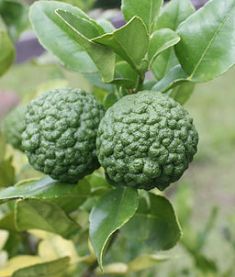 The Herb Society of America’s Herb of the Month for August is the makrut lime,




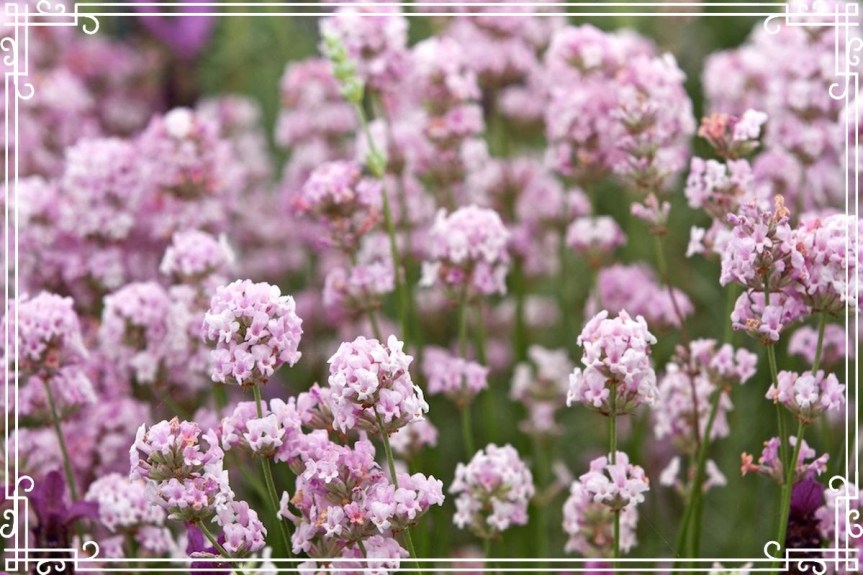 June 2020 Cultivar of the Month
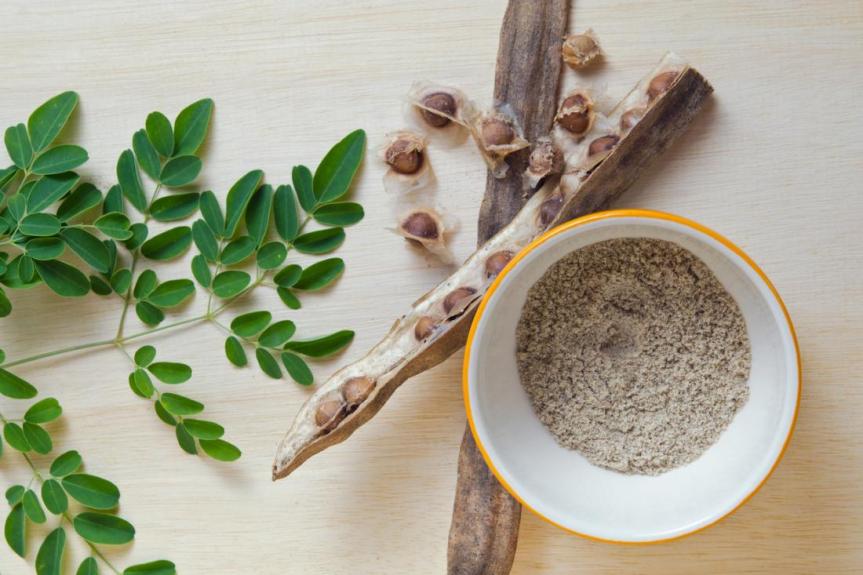
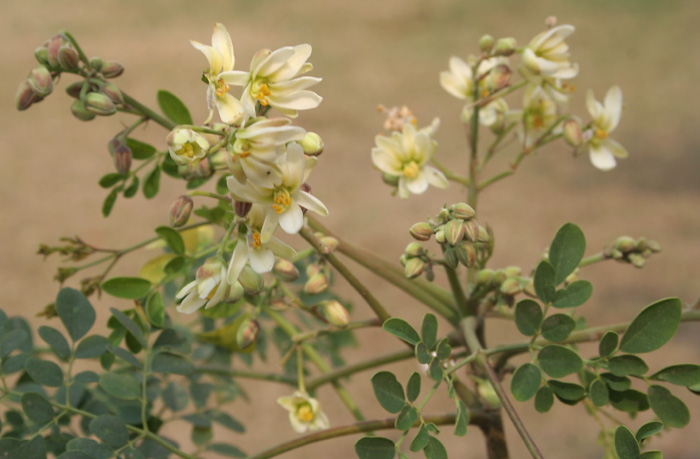 are endemic to Africa, and three species occur in India.1,2 Belonging to the Brassicales order, this plant family is distantly related to cruciferous vegetables like arugula (Eruca vesicaria ssp. sativa, Brassicaceae) and broccoli (Brassica oleracea var. italica, Brassicaceae) and contains many of the same nutrients and sulfurous phytochemicals.1,3 Moringa species grow as stout-stemmed trees or shrubs. Some species are known as bottle trees and have a large root system that enhances water storage and aids the trees’ survival during periods of drought.1 Members of the Moringa genus have corky gray bark and distinct bi- or tri-pinnately compound leaves that have conspicuous swellings, or pulvini, at…





 Pepppercorn drupes. Photo credit: Missouri Botantical Garden

You must be logged in to post a comment.