
Now’s The Time To Harvest This Great North American Superfood!

Greetings!

I’m excited to partner with Forager’s Harvest in Bruce, Wisconsin for an evening mushroom walk on Thursday, August 9th.  We’ll explore the area in search of summer mushrooms, as well as identify mushrooms that participants bring to the program.  If you’re in the Midwest this August 9th, I’d love to meet you!  More information can be found here.

Next, let’s talk about foods that are super…

When many people think of the word “superfood,” images of expensive powders, fancy juices, and exotic herbs come to mind.

When I think of the word “superfood,” images of local plants, backyard weeds, and brambly fruits come to mind.

As nature would have it, North America (and every habitable continent!) is replete with a cornucopia of superfoods manifested as wild fruits, nuts, seeds, and herbs.

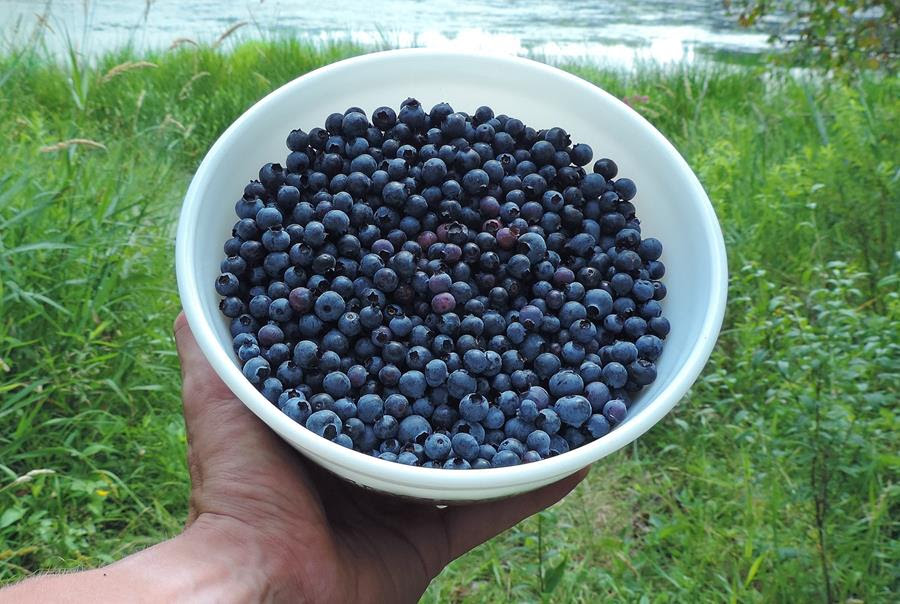
The wild blueberry is one common fruit that, despite its ubiquity, is certainly a superfood in every sense of the word.  Tasty, abundant, and brimming with health-promoting compounds, its value to both humans and wildlife cannot be overstated.

I recently spent some time in the company of a few wild blueberry shrubs and decided to document the experience.  If you’re interested in learning why I recommend the wild blueberry as a regular component of the human diet (and garden!), check out the brand new video!

Have you been finding any choice edible mushrooms lately?  Here’s a list of 8 edible fungi you’re likely to encounter during the warmest weeks of the year… especially after a good rainfall!

Thanks for reading and watching, and as always, thank you for your support!
Adam Haritan

Food as Medicine: Dog Rose Hip (Rosa canina, Rosaceae)

By Crooked Bear Creek Organic Herbs

Crooked Bear Creek Organic Herbs's avatarCrooked Bear Creek Organic Herbs

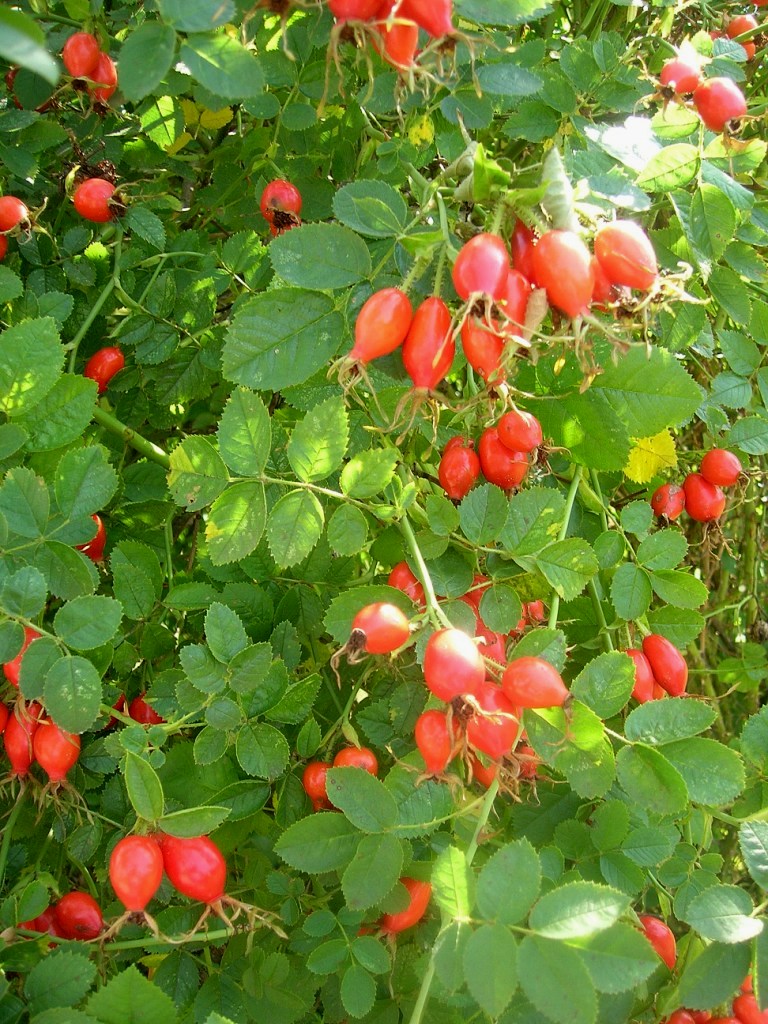
The rose (Rosa spp.) hip (also sometimes written as “rosehip”) is a pseudofruit in the economically important Rosaceae family, which includes apple (Malus spp.), strawberry (Fragaria spp.), plum (Prunusspp.), and almond (Prunus spp.). The genus Rosa includes more than 100 species that have been cultivated since ancient times in a vast array of climates.1 Both rose petals and rose hips can be used in culinary and herbal preparations. Rose plants grow as shrubs and are characterized by thorny stems, compound, serrated leaves, and attractive, colorful flowers.2 Different species of roses are native to areas around the world from Europe to Japan, where they have a long history of culinary and medicinal use.3 Today, roses are cultivated commercially for ornamental and medicinal purposes in Europe and Asia, but wild varieties are also found in North and South America.

The rose hip is an aggregate…

View original post 2,432 more words

Food as Medicine: Asparagus (Asparagus officinalis, Asparagaceae)

By Crooked Bear Creek Organic Herbs

Crooked Bear Creek Organic Herbs's avatarCrooked Bear Creek Organic Herbs

History and Traditional Use

Range and Habitat

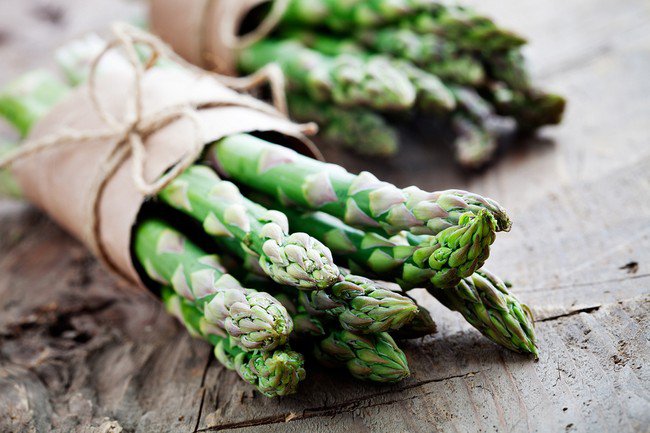
Asparagus (Asparagus officinalis, Asparagaceae) is a herbaceous perennial with stalks that can grow to several feet in height. Most asparagus is harvested once the stalk reaches 6-8 inches in height. The stalk is the edible portion of the plant, along with its pointed, budlike tip.1,2 If asparagus is not harvested, the stalks grow into finely textured, fern-like plants before going dormant in winter.3 In the United States, the primary asparagus producers are the states of California, Washington, and Michigan.4


Depending on the cultivation method, asparagus yields a crop in one of three colors: green, white, or purple. Green asparagus, the most common in the US, is allowed to grow exposed to sunlight until harvested. White asparagus contains no chlorophyll due to human intervention, which involves mounding dirt on the stalk as it grows to shield it from sunlight.

View original post 2,197 more words