Chunky Rose Petal Pesto: Summer Savour — Gather Victoria

“It was June, and the world smelled of roses. The sunshine was like powdered gold over the grassy hillside.” Maud Hart Lovelace It’s been a whole year since I first started working on the “Gather Cookbook” for Gather Patrons. And since I’m going to be adding some new summer solstice recipes to the cookbook this…

via Chunky Rose Petal Pesto: Summer Savour — Gather Victoria

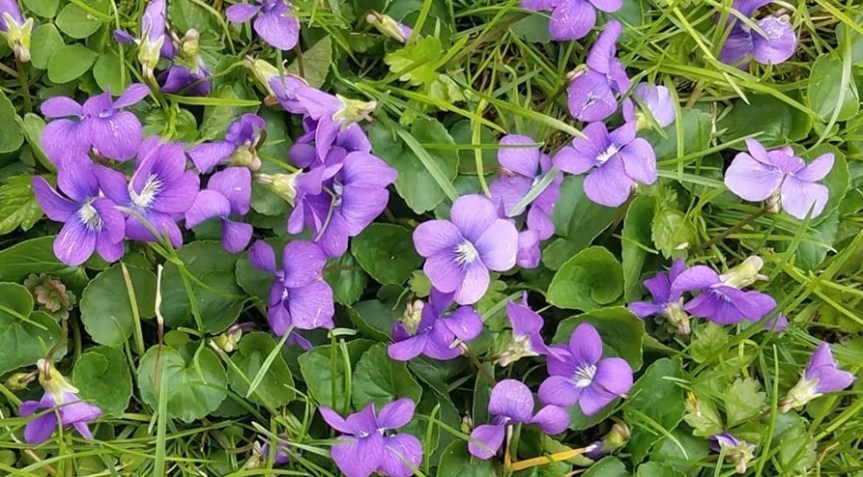
Violets are Delicious

The Herb Society of America's avatarThe Herb Society of America Blog

By Beth Schreibman-Gehring, Chairman of Education for The Western Reserve Herb Society unit of The Herb Society of America

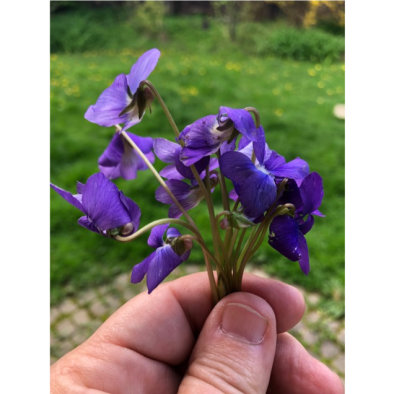
violet bouquetOne of the loveliest flowers of spring is the Viola odorata or as it is commonly referred to, the “Sweet violet.” Violets have been used in herbal healing remedies for centuries, in fact St. Hildegard of Bingen, the famous 12th century German mystic and healer, was said to have made a healing salve of violet juice, olive oil, and goat tallow for its use as a possible anti-bacterial.

I use violets whenever I can for their healing virtues, and they are also an absolutely delicious ingredient in salads, drinks, and desserts. Back in the day, violet flowers, and leaves mixed into salads were one of my favorite spring remedies for pre-menstrual melancholy. When chopped liberally into extra virgin olive oil with some fresh comfrey leaves, they make a poultice that can…

View original post 945 more words

Let Us Stroll the Primrose Path of Dalliance

The Herb Society of America's avatarThe Herb Society of America Blog

By Kathleen M Hale, Western Reserve Herb Society

20190505_163700The botanical family name of the common or English primrose, Primula, comes from the diminutive of the Latin word for “first.” And the common name “primrose,” derived from prima rosa (“first rose”), is also a reference to the primrose being one of the first flowers of spring. This is not the evening primrose (Oenethera), or any of the other, more ornate, forms of Primula. This is the quintessentially English cottage garden flower.

Of course, it is then described as “vulgaris.” Sounds harsh. But this is not a matter of judgment of the primrose’s character. It’s just that, where the primrose is happy, it is very happy. It grows and spreads in abundance in cool, moist places.

This does not describe the micro-climate in most of our homes when primroses beckon so invitingly from the grocery store aisles shortly after the winter holiday…
View original post 281 more words

Have You Seen These Amazing Wildflowers?

Greetings!

First, I want to say “thank you!” to everyone who pre-registered for the upcoming Wild Edible Plant & Mushroom Outing (featuring Sam Thayer!) on June 2nd.  The event filled to max capacity within 24 hours and registration is now closed.  Stay tuned for another exciting Learn Your Land event to be held in early July!

Second, let’s talk about flowers.

If you’re a wildflower enthusiast like me, perhaps you’ll agree that the spring ephemeral wildflower season is one of the best times of year to explore the woods.

What’s not to love about a hillside teeming with White Trillium?  Or a vernal pool speckled with Marsh Marigold? Or a floodplain loaded with Virginia Bluebells?

Personally, I can’t think of a spring ephemeral wildflower I don’t like.  No matter the color, no matter the size… each one is a superstar in its own special way.

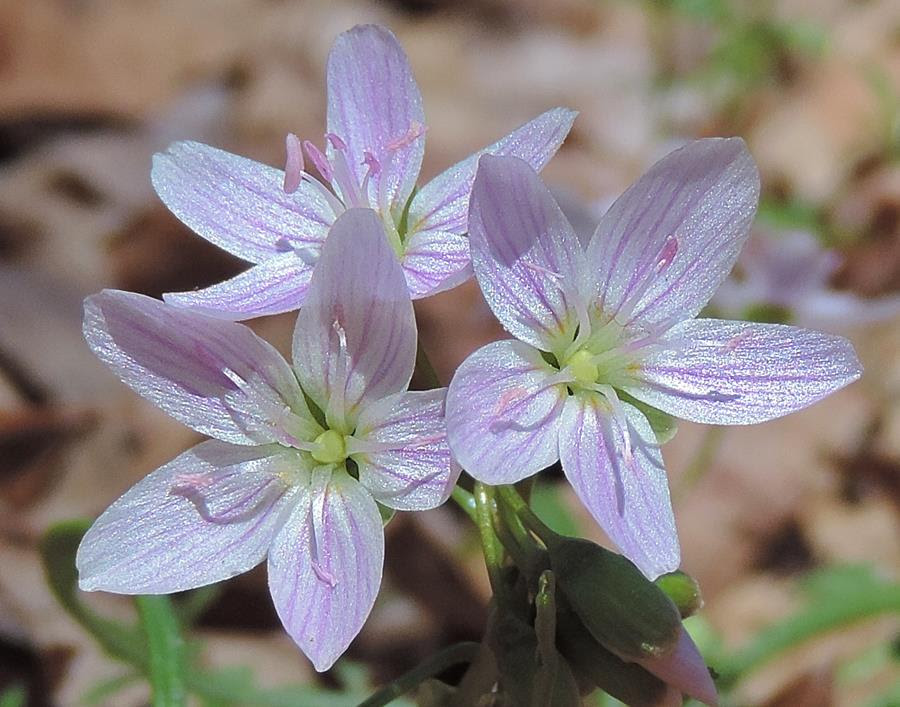
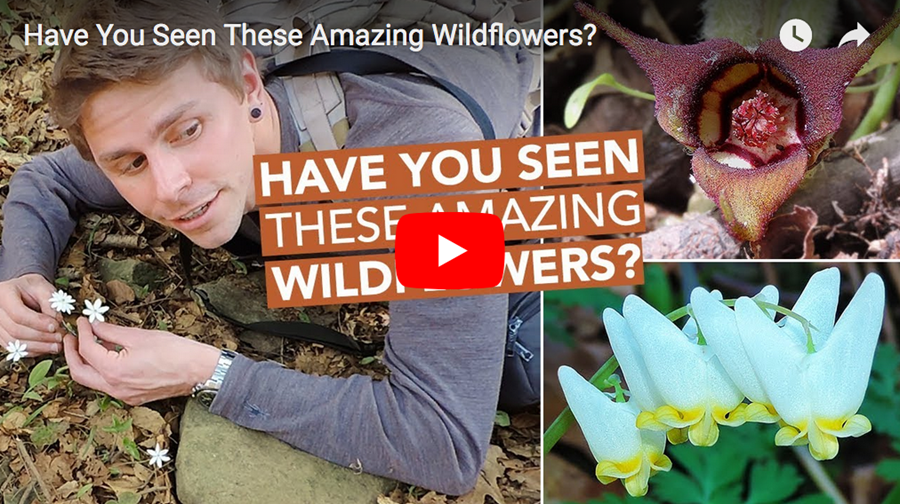
Recently, I took to the woods in search of these fleeting flowers and tried my best to capture the magic on film.  The sky was sunny, the air was warm, and plenty of plants were blooming that afternoon.  Needless to say, the wildflowers definitely put on a good show.  Check it out!

Speaking of ephemeral organisms, morel mushrooms are making grand appearances all over the woods right now.  Depending on where you live, these choice edible fungi may currently be fruiting in your neck of the woods.  Check out this recent Instagram post to learn more about these elusive springtime fungi!

Thanks for reading and watching, and as always, thank you for your support!

-Adam Haritan

The Witchy Ways of Carnations

by Slavic Witch

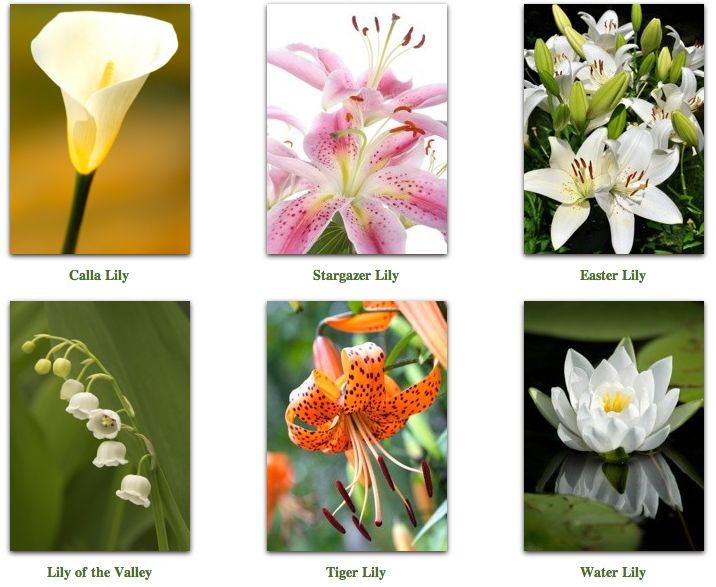
Lily Lore

Crooked Bear Creek Organic Herbs's avatarGood Witches Homestead

COMMON NAME:  lily
GENUS:  Lilium
SPECIES, HYBRIDS, CULTIVARS:
Many of the 200 species of lilies are native to the United States. Plant breeders have done extensive hybridization work on the lilies to make them hardy and free flowering. Lilies are now available in every color except blue.
FAMILY:  Liliaceae
BLOOMS:  late spring
TYPE:  perennial
DESCRIPTION:  Lilies are one of the most beautiful of all garden plants. The flowers are large and deliciously colored, and they usually occur many to a stem. The height of lilies ranges between 2 to 6 feet. Flower forms include trumpet shape, pendant, flat-faced, or bowl-shaped.
CULTIVATION:  The most important requirement for growing lilies is well-drained soil. Water standing on the bulbs will cause them to rot. The bulbs should be kept cool. This can be done by overplanting with annuals or perennials. Depending on the size of the bulbs, they should be planted…

View original post 678 more words