Herb Guide: It’s About Thyme

By Crooked Bear Creek Organics

Crooked Bear Creek Organic Herbs's avatarCrooked Bear Creek Organic Herbs

Thymus vulgaris

Also, Known As:

  • Black Thyme
  • Common Thyme
  • English Thyme
  • French Thyme
  • Garden Thyme
  • German Thyme
  • Serpyllum
  • Thyme
  • Tomillo
  • Winter Thyme

Thyme is a common name given to all the herbs belonging to the plant species called Thymus. The Thymus is indigenous to Europe and Asia and all plants belong to this species are usually low-growing and perennial. Among the different plants of this species, the common or garden thyme is regarded as the main variety and is used commercially for flowering as well as decorative purposes. The garden thyme is a small shrub bearing greyish-green leaves and flowers whose hues vary from white to pink or purple. Several countries in Europe, including Spain, Portugal, France, and Greece, as well as the United States, cultivate and harvest the thyme. Basically, there are three major types of thyme – French, English, and German, and each of them bears leaves of…

View original post 3,610 more words
Herb Guide: Growing and Using Rosemary

By Crooked Bear Creek Organics

Crooked Bear Creek Organic Herbs's avatarCrooked Bear Creek Organic Herbs

Rosmarinus officinalis

Also, Known As:

  • Compass Weed
  • Dew of the Sea
  • Garden Rosemary
  • Incensier
  • Mary’s Mantle
  • Mi-tieh-hsiang
  • Old Man
  • Polar Plant
  • Rosemary
  • Rosemary Plant

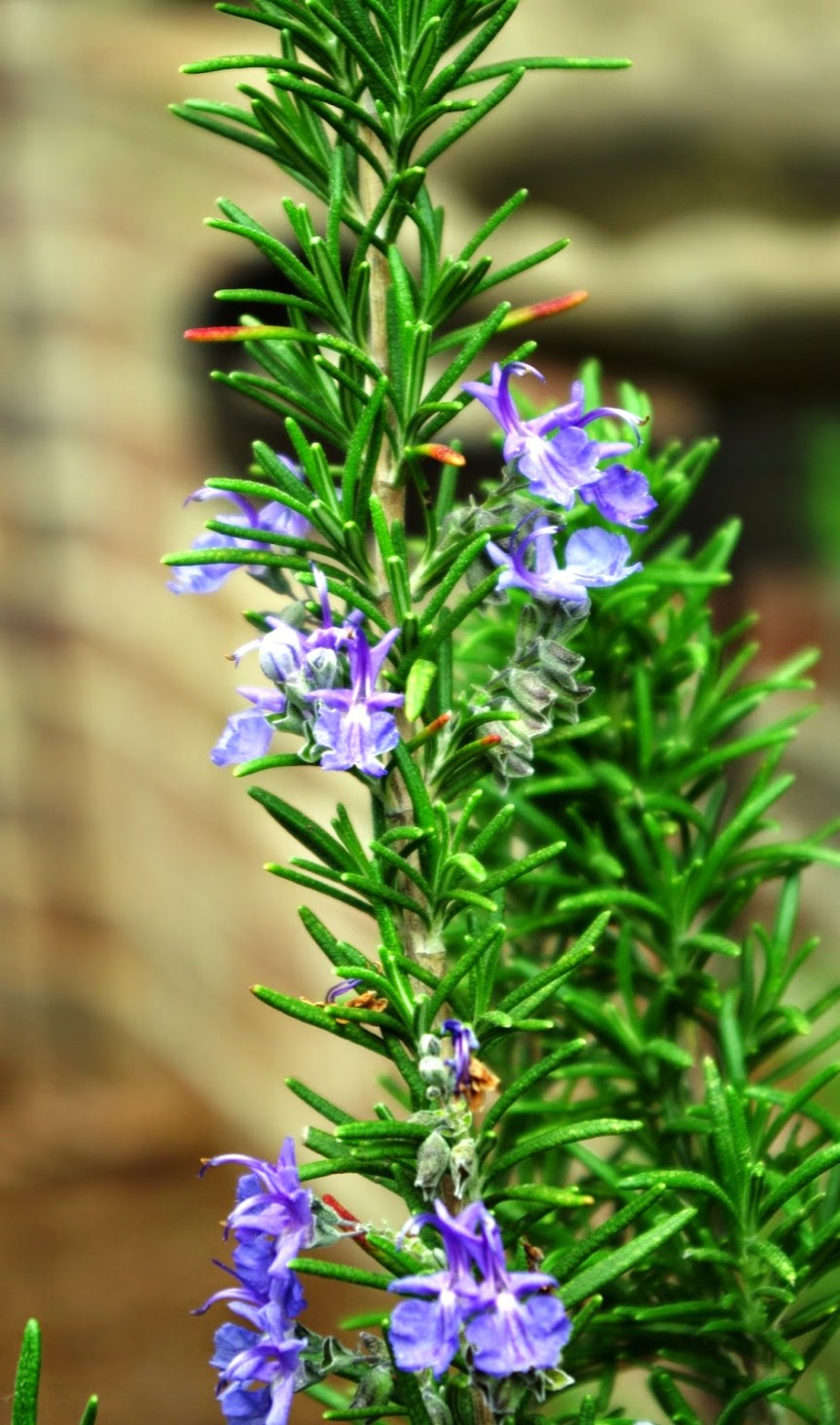
Rosmarinus officinalis L. (family Lamiaceae), is also known as rosemary. This herb is an evergreen shrub, with lovely aromatic linear leaves. Colored a dark shade of green above and white below, the leaves of the rosemary give off a beautiful fragrance, and with its small pale blue flowers, the plant is cultivated extensively in many kitchen gardens across America and elsewhere.

The evergreen shrub originated in the Mediterranean area, but it is today cultivated almost everywhere in the world, primarily for its aromatic leaves. The shrub has several ash colored branches, and the bark is rather scaly. The leaves, as described earlier, are opposite and leathery thick. They are lustrous and dark green above and downy white underneath, with a prominent vein in the middle and…

View original post 3,130 more words

Jewelweed Salve

By Luna Walks Alone

The Common Backyard Plant That Treats Breast Cancer & Repairs Wounds

Greetings!

On Sunday, April 22nd, I’ll be leading the Wild Medicinal Mushroom Workshop at Una Biologicals in Pittsburgh.  This is a 2-hour class that will focus on the medicinal properties and health benefits associated with various local wild fungi.  Participants will learn the steps involved in making mushroom decoctions and tinctures, and everyone will receive starting materials to create a personalized medicinal mushroom extraction!

Space for this class is limited, and if you’re interested in attending, you can pre-register by following this link:  Wild Medicinal Mushroom Workshop

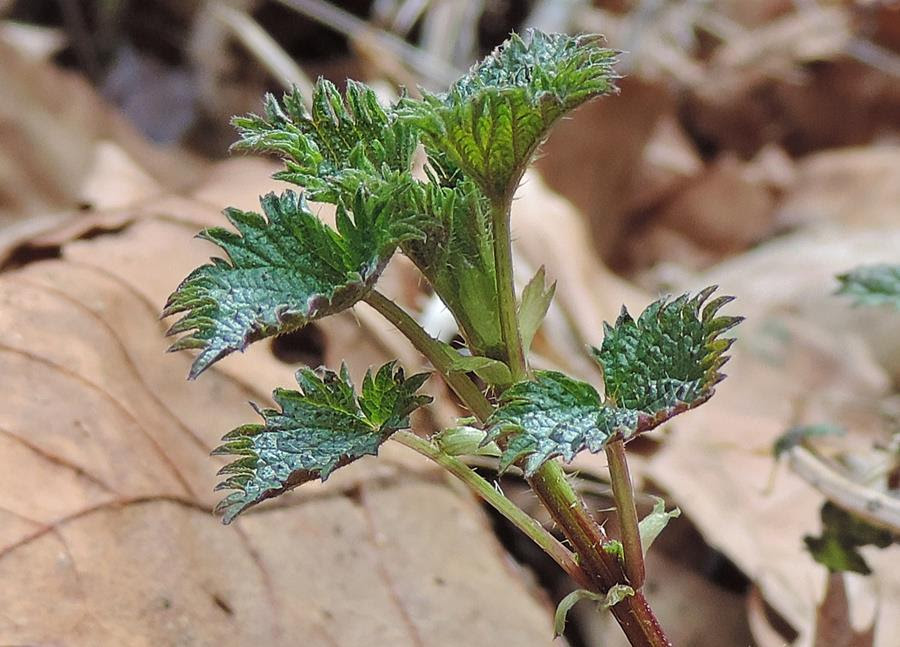
Moving forward, let’s talk about Stinging Nettle.

Some people love it, and some people dislike it, though there’s no denying Stinging Nettle’s potential role in treating serious illnesses.

Last year, I filmed a video in which I discussed this plant’s ability to treat type 2 diabetes, benign prostatic hyperplasia, and allergies.

Since then, many more scientific studies have been published on Stinging Nettle’s therapeutic qualities.

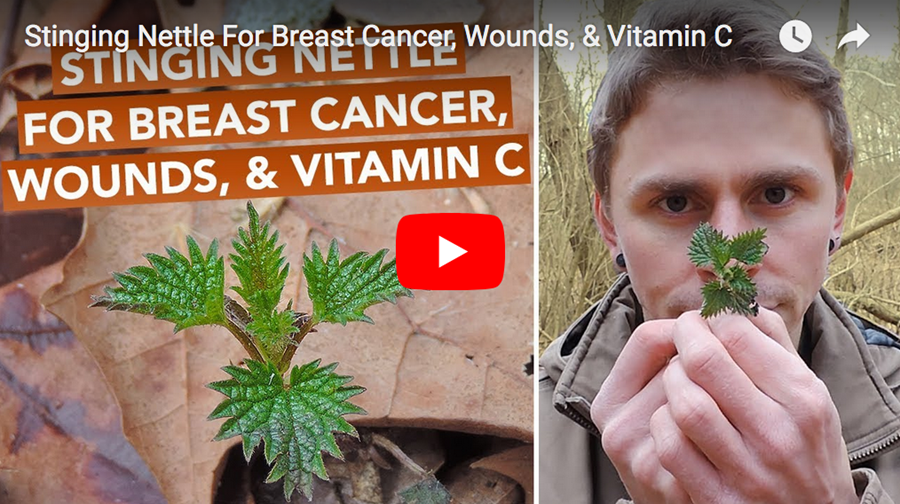
For example, in the past two years, three studies have documented Stinging Nettle’s ability to treat breast cancer.  Another recent study discovered that Stinging Nettle can significantly enhance the wound-healing process.  And one more recent study evaluated the best way to make an infusion (i.e. “tea”) from Stinging Nettle in order to extract the maximum amount of vitamin C (which itself is associated with numerous health benefits).

After personally digging into the research on Stinging Nettle, I felt the need to share the latest information with you.  If you’re interested in optimizing your personal health utilizing locally sourced, wild edible plants… check out this brand new video!

Thanks for reading and watching, and perhaps I’ll see you at the Wild Medicinal Mushroom Workshop on April 22nd!

-Adam Haritan

The Power of Pungent Herbs

By Crooked Bear Creek Organics

Crooked Bear Creek Organic Herbs's avatarCrooked Bear Creek Organic Herbs

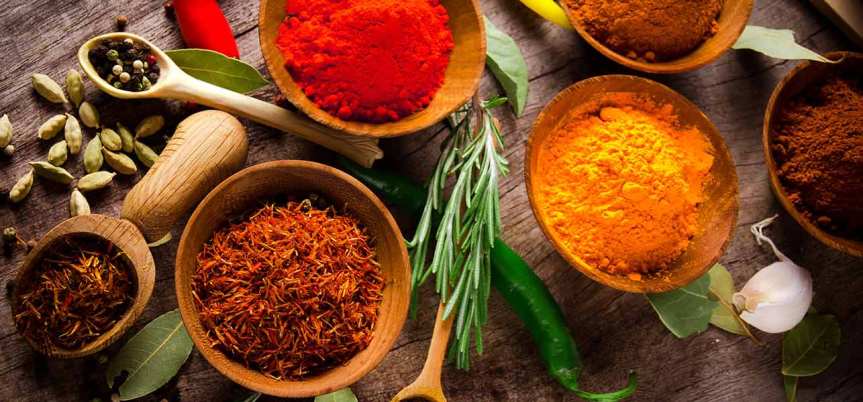
Energetically warming herbs and spices can help us spark a little fire in the body by improving digestion, boosting circulation, moving out congestion, and more. Not only that, they’re readily available in our pantries, lending themselves to some tasty medicine.

When it comes to herbal flavors and actions, many of our most potent and memorable herbs are “pungent.” Think of those foods you use in cooking to add a kick to your dishes – ingredients like garlic, onions, horseradish, ginger, cayenne pepper, black pepper, mustard, and turmeric. These all add a whopping dose of spice and flavor, but they also play an important role in herbal medicine, providing warmth and reviving bodily systems.

Heating Up The Body

Pungent herbs are particularly popular during the colder months because they boost circulation, warm our bones, enhance digestion {of those harder -to- digest starchy storage crops and meats of winter}, stimulate the senses, help move…

View original post 1,886 more words

The Health Benefits of Alfalfa

By Crooked Bear Creek Organics

Crooked Bear Creek Organic Herbs's avatarCrooked Bear Creek Organic Herbs

We grow and cultivate alfalfa as a commercial crop, to feed our livestock and as well, I grow some around the house. I make sprouts, a herbal tea and I love the gorgeous little flowers in the late spring, early summer.

Medicago sativa

Also, Known As:

  • Alfalfa
  • Buffalo Herb
  • Lucerne
  • Mu-su
  • Purple Medic

Alfalfa is a common sight in many temperate grasslands of the world. Alfalfa belongs to pea family (Fabaceae). The herbal remedies made utilizing the alfalfa have been generally prescribed by herbalist for the treatment of a variety of ailments and disorders, the alfalfa can be taken in the form of an herbal tea and it is also used in the form of herbal tablets or capsules, at times the dried plant itself is consumed by patients. The effectiveness of the herbal remedies made from the alfalfa in treating disorders is available from many testimonials written by people who…

View original post 2,025 more words

Sage for Sore Throats

By Crooked Bear Creek Organics

Crooked Bear Creek Organic Herbs's avatarCrooked Bear Creek Organic Herbs

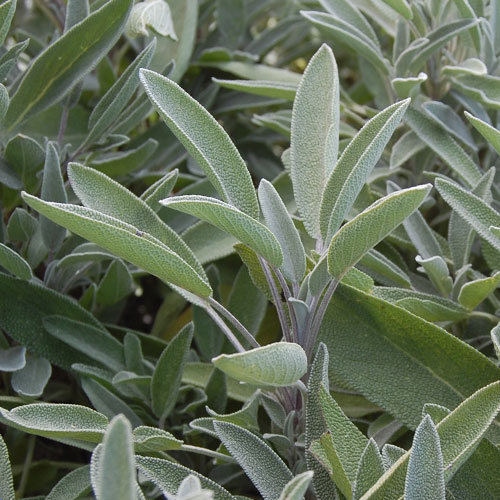
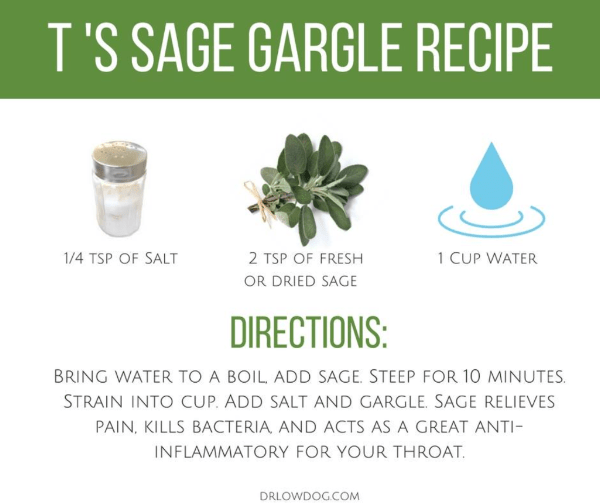
My grandma used to keep a cup of sage gargle by the sink every time one of us kids would get a cold or a sore throat. Little did she know that years later, science would back up her folk remedy as not only being pain-relieving but also as having anti-inflammatory and anti-bacterial properties.

Next time you feel a sore throat coming on, try this sage throat-gargle DIY recipe. Works like magic! Make fresh daily.

sage gargle

View original post

Natural Approaches for Seasonal Allergies

By Crooked Bear Creek Organic Herbs

Crooked Bear Creek Organic Herbs's avatarCrooked Bear Creek Organic Herbs

Spring has officially arrived, and with it, seasonal allergies. Roughly 35 million Americans live with seasonal allergic rhinitis, or what we commonly call hay fever. While it can occur at any time of the year, springtime is generally one of the worst seasons for allergy sufferers. Here are some natural approaches for helping curb the pesky side effects of seasonal allergies.

Seasonal Allergies

Springtime has officially arrived. The days are getting longer and warmer, and the songbirds are returning, the trees and flowers are starting to bloom. And for many, the nose starts getting stuffy, their eyes get itchy, they begin to sneeze, and their head feels congested. Roughly 35 million Americans live with seasonal allergic rhinitis, or what we commonly call hay fever. While it can occur at any time of the year, springtime is generally one of the worst seasons for allergy sufferers.

For some, when they inhale…

View original post 1,511 more words

Mexican Mint Marigold

By Crooked Bear Creek Organic Herbs

Crooked Bear Creek Organic Herbs's avatarCrooked Bear Creek Organic Herbs

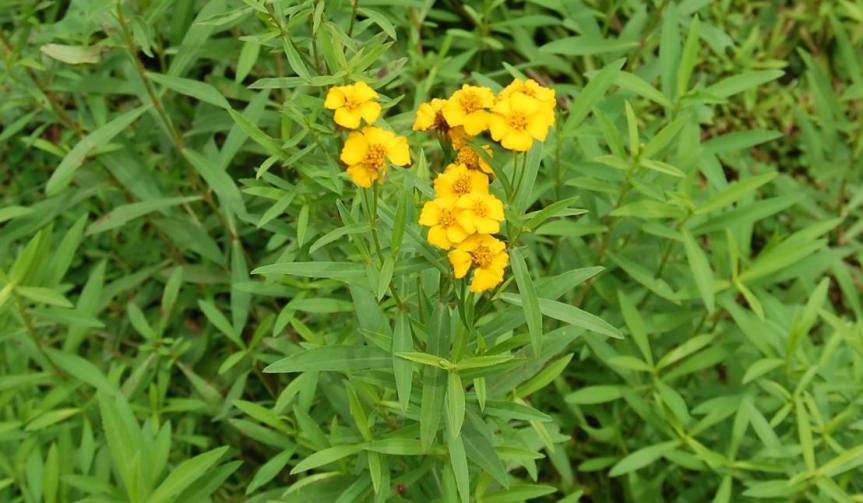
This very ancient herb goes by a variety of common, but somewhat confusing names. ‘Mexican mint’ marigold is the most common, but you’ll also find it listed as ‘Texas’ tarragon, ‘Mexican’ tarragon, cloud plant, Coronilla, winter tarragon, sweet mace, sweet marigold and ‘Spanish’ tarragon. It isn’t, however, related to ‘French’ tarragon (Artemisia dracunculus ‘Sativa’) at all.

Don’t confuse ‘French’ tarragon, which is used for cooking, with false or ‘Russian’ tarragon, A. dracunculoides, because it is somewhat invasive, grows well in hotter climates, and is grown from seed.

The Latin name, Tagetes Lucida, refers to its other Tagetes relatives, the marigolds. ‘Mint’ marigold is a perennial, native to Central and South America and has been used as a seasoning herb, tea plant and medicinal in native cultures for more than a thousand years.

The flavor is anise-like, a bit sweeter than ‘French’ tarragon, but used in some of…

View original post 609 more words

Plant Profile: Red Clover {Trifolium pratense}

By Crooked Bear Creek Organic Herbs

Crooked Bear Creek Organic Herbs's avatarCrooked Bear Creek Organic Herbs

Family: Fabaceae

This all-around wellness herb and blood purifier is a key ingredient in herbal blends popularized during the early 1900’s and used in cancer treatment, including Essiac, Dr. Christopher’s Red Clover Combination, and the Hoxsey formula. Red clover has been an Old World symbol for luck and abundance since ancient times. And when it arrived in America with the colonists, its use quickly spread among American Indian tribes.

Description:

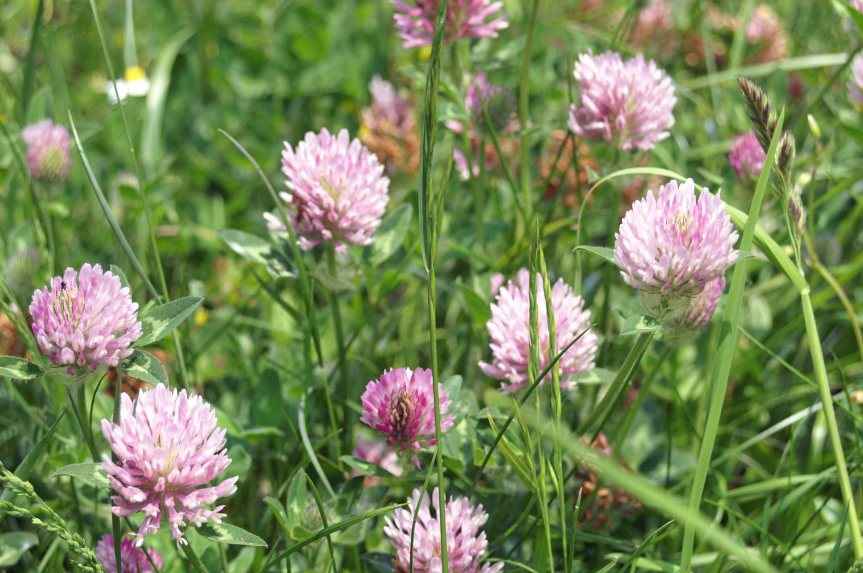
This stout clover has deep pink – not red – plump, round flower heads that contain numerous, small, pea-type flowers above a three-leaved bract. The leaves are marked with a single pale chevron. The lax stems trail up to 2 feet, creating a soft green mass.

Preparations Infusion:

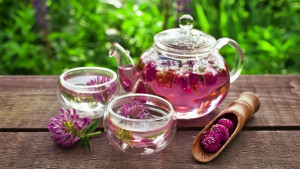
red-clover-tea-760x428Make a strong infusion or tincture of red clover tops, and drink 1/2 to 1 cup two or three times daily. Commercially available red clover preparations include tinctures and concentrated and often…

View original post 1,773 more words