Plant Profile: Black Haw

By Crooked Bear Creek Organic Herbs

Crooked Bear Creek Organic Herbs's avatarCrooked Bear Creek Organic Herbs

Viburnum prunifolium

Also, Known As:

  • American Sloe
  • Black Haw
  • King’s Crown
  • Sheepberry
  • Snowball Tree
  • Stagbush

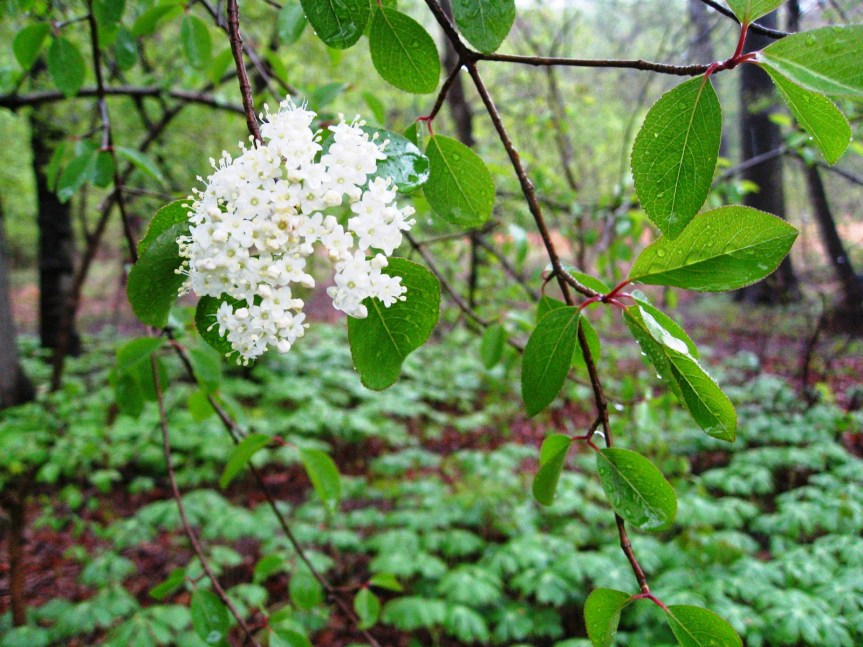
The American plant known as the black haw is native to the American continent, and it is believed to have been in traditional use for the preparation of many types of herbal remedies as well as a source of food by the original Native Americans – though documentation is scarce. The black haw is a shrub or more correctly a small deciduous tree which can reach a height of five to fifteen feet when fully mature. The plant is characterized by its red-brown bark and the grooved branches. The black haw plant also bears a number of characteristic flat-topped white flowers and in the season many shiny and blue-black berries, the black haw berries are very juicy and used in many Native American food preparations.

The herbal literature does not have too many details on…

View original post 1,180 more words

Plant Profile: Wild Indigo {Baptisia tinctoria}

By Crooked Bear Creek Organic Herbs

Crooked Bear Creek Organic Herbs's avatarCrooked Bear Creek Organic Herbs

Also, Known As:

  • Baptisia
  • Clover Broom
  • Horsefly Weed
  • Indigo Broom
  • Rattlebush
  • Shoofly
  • Wild Indigo
  • Yellow Indigo

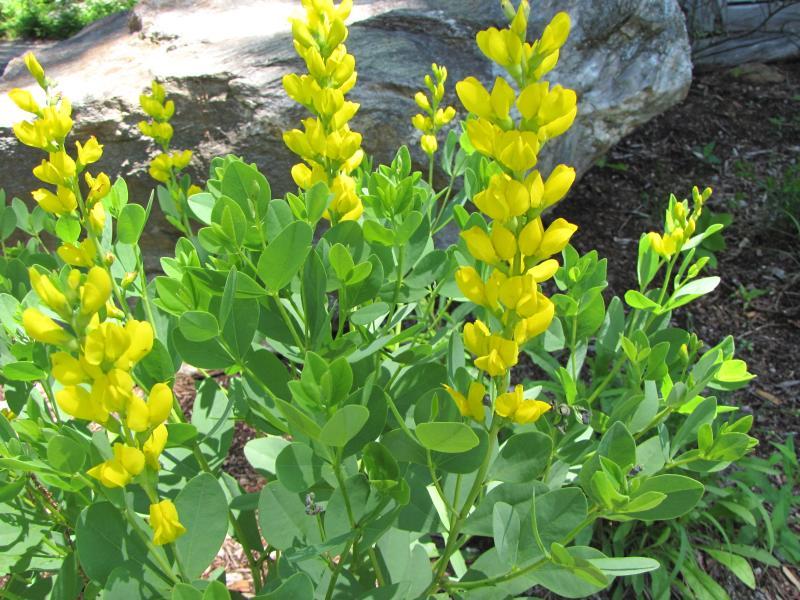
The very term ‘indigo’ associated with a plant’s name brings to the mind that it must be yielding a rich blue pigment. But, unfortunately, wild indigo is a plant that is an inferior alternative to the original indigo dye that has provided people across the globe with a deep blue color for over 4000 years now. Indigenous to North America, the wild indigo is a shaggy plant that has bluish green leaves and yellow colored flowers that are akin to the ones found on the pea plant. According to history, the Mohegans of south New England precipitated the root of wild indigo to acquire a medicine with which they washed cuts and gaping wounds and this practice is followed even now. In fact, wild indigo has antiseptic properties and is immensely beneficial in treating…

View original post 1,456 more words

The 13th Moon & The First New Moon of Spring

What to Harvest: March

Freedom From Within

By Kingsley Dennis

varo

The real tragedy of our time lies not so much in the unprecedented external events themselves as in the unprecedented ethical destitution and spiritual infirmity which they glaringly reveal.

Paul Brunton

Continue reading “Freedom From Within”

Plant Profile: Crampbark

Crooked Bear Creek Organic Herbs's avatarCrooked Bear Creek Organic Herbs

Viburnum opulus

Also, Known As:

  • Crampbark
  • Cranberry Bush
  • Cranberry Tree
  • Guelder Rose
  • Pembina
  • Pimbina
  • Whitten Tree

Crampbark (botanical name Viburnum opulus) is basically a shrub that is indigenous to Europe as well as North America and is also found growing in the northern regions of Africa and Asia. The US National Formulary documented crampbark as late as in the 1960’s in the form of a tranquilizer for conditions related to the nervous system as well as in the form of an antispasmodic in treating asthma. As the name ‘crampbark’ suggests, the therapeutic use of this herb is primarily related to easing cramps as well as other conditions, for instance, painful menstruation due to excessive tightening of the muscles as well as colic.

Crampbark is a shrub that sheds its leaves annually (deciduous) and usually grows up to a height of 4 meters to 5 meters. The leaves of this herb…

View original post 2,112 more words

Cabin Fever: You Get What You Ask For

Dandelion, A Common Garden Herb

I make a wilted dandelion greens dish that’s fantastic after a long winter. Get the leaves young for eating. The older leaves are bitter.

Crooked Bear Creek Organic Herbs's avatarCrooked Bear Creek Organic Herbs

Taraxacum officinale

Also, Known As:

  • Blow Ball
  • Cankerwort
  • Dandelion
  • Lion’s Tooth
  • Pissabed
  • Priest’s-crown
  • Puff Ball
  • Pu Gong Ying
  • Pu-kung-ying
  • Swine Snout
  • Telltime
  • White Endive
  • Wild Endive

The dandelion is a common garden herb, with easily recognized flowers. During the spring season, the leaves and the root of the dandelion begin to produce mannitol, which is a substance utilized in the treatment of conditions such as hypertension and a weakened heart in continental Europe – where it is often prescribed by herbalist for patients with these conditions. A herbal dandelion tea made using the roots and the leaves of the herb are good to take from about the mid of March to about mid-May in the treatment of such conditions. Prepare the herbal dandelion tea in this way, first, boil a quart of water in a pot, slowly reduce the heat and then add 2 tbsp. of cleaned and chopped fresh…

View original post 2,664 more words

Deadly Nightshade VS Bittersweet Nightshade

Sustainable Wild Collection Protects People, Plants, and Animals

Crooked Bear Creek Organic Herbs's avatarCrooked Bear Creek Organic Herbs

Chances are, you’re deeply connected with wild plants and don’t even realize it.

All of us in countless ways, whether we recognize it or not, are deeply connected to wild collecting.

Wild plants, as the term suggests, aren’t grown on farms. Instead, they’re collected in meadows, forests and deserts. Since ancient times, they’ve served as natural and essential ingredients in foods, fibers, dyes, cosmetics and traditional medicines.
Consider the açai berries in your super smoothie. They’re wild collected in the Brazilian Amazon. The pure maple syrup you save for special breakfasts most likely comes from the forests of Canada or the northern regions of the United States. The candelilla wax in your favorite skin care products originates in the deserts of northern Mexico. The licorice root used in candies and lozenges could be wild collected in many places — Afghanistan, Kazakhstan, Pakistan, Turkmenistan or Uzbekistan. And at Wildwood Enterprises, more…

View original post 3,466 more words