
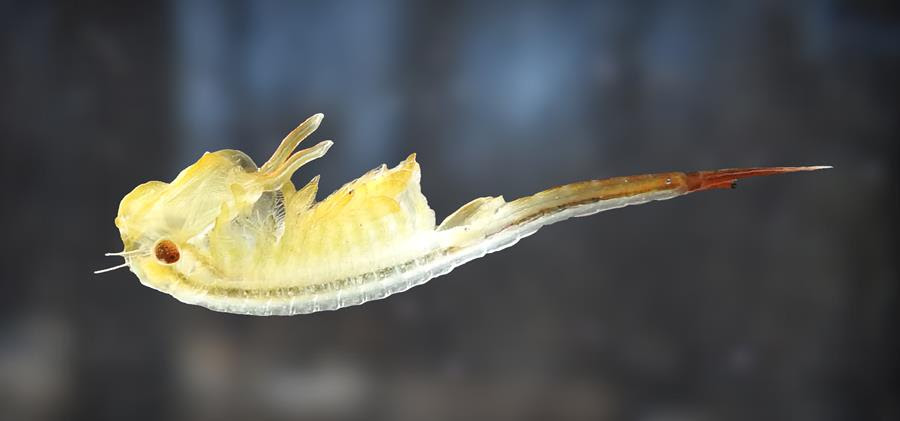

Over the years, I’ve met all kinds of strange creatures in the forest. Insects, mammals, mushrooms, and the occasional strange human are just a few examples.
But up until recently, I had never encountered shrimp-like creatures.
Truthfully, it never crossed my mind that the forest could accommodate such organisms. Besides pill bugs, which are often referred to as land shrimp, could anything shrimp-like actually live among the pin oaks and red maples? I didn’t think it was possible.
Until I learned about fairy shrimp.
Fairy shrimp are aquatic crustaceans that live and die in the woods. More specifically, fairy shrimp complete their entire life cycle within vernal pools. Eggs hatch in late winter. Larvae transform into breeding adults within a few weeks. By the end of summer, all fairy shrimp perish.
I recently spent a lot of time in the presence of fairy shrimp and decided to capture their short lives on film. To learn more about these amazing creatures, check out the brand new video!

Thanks for reading and watching, and thank you for your continued support!
-Adam Haritan


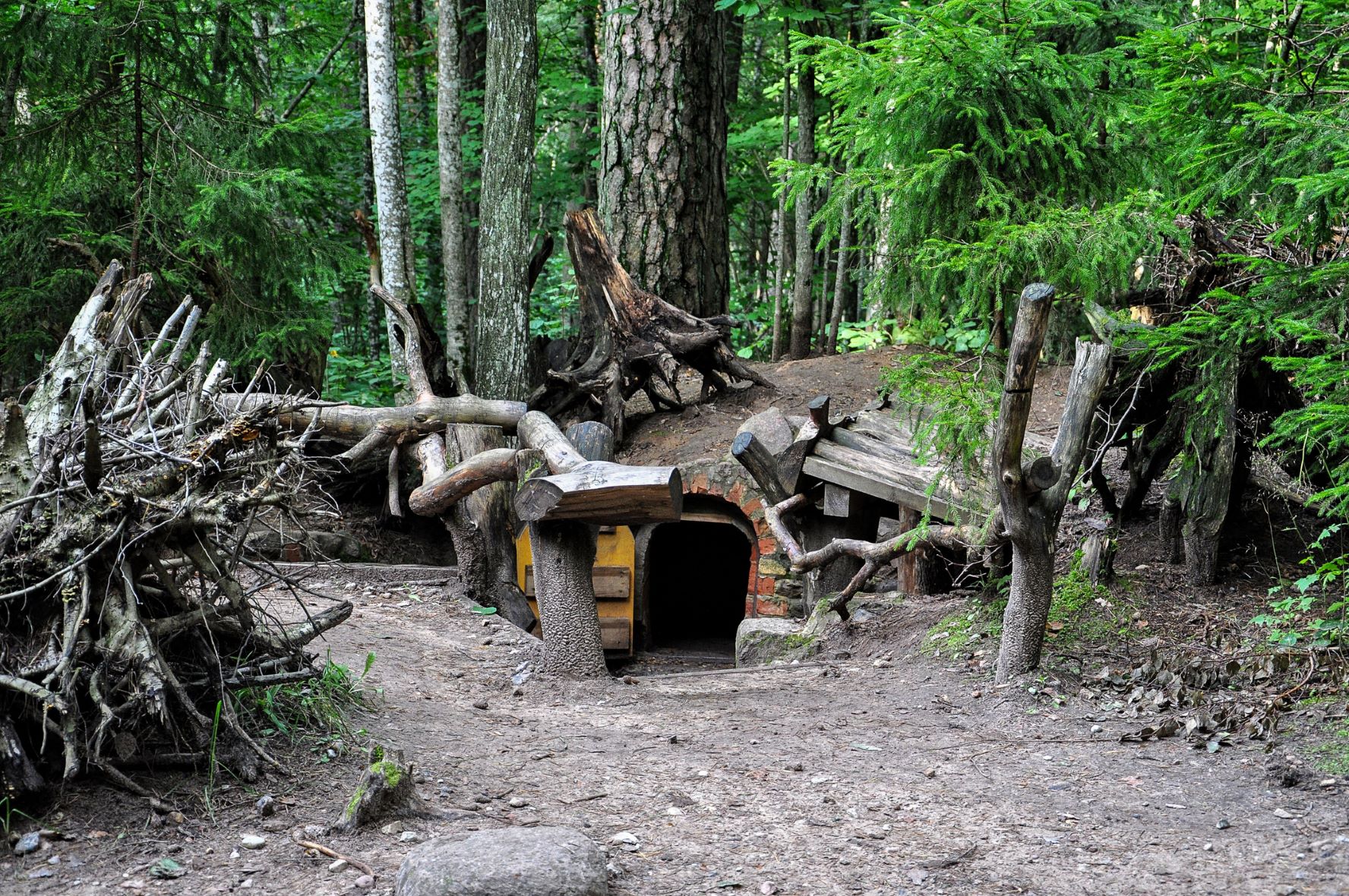 Long before humans roamed the forests, fairies are said to have taken up residence in the cavities of trees, forming fairy houses where they took refuge. Dating back to the Middle Ages, fairy folklore says that these little beings possess supernatural powers.



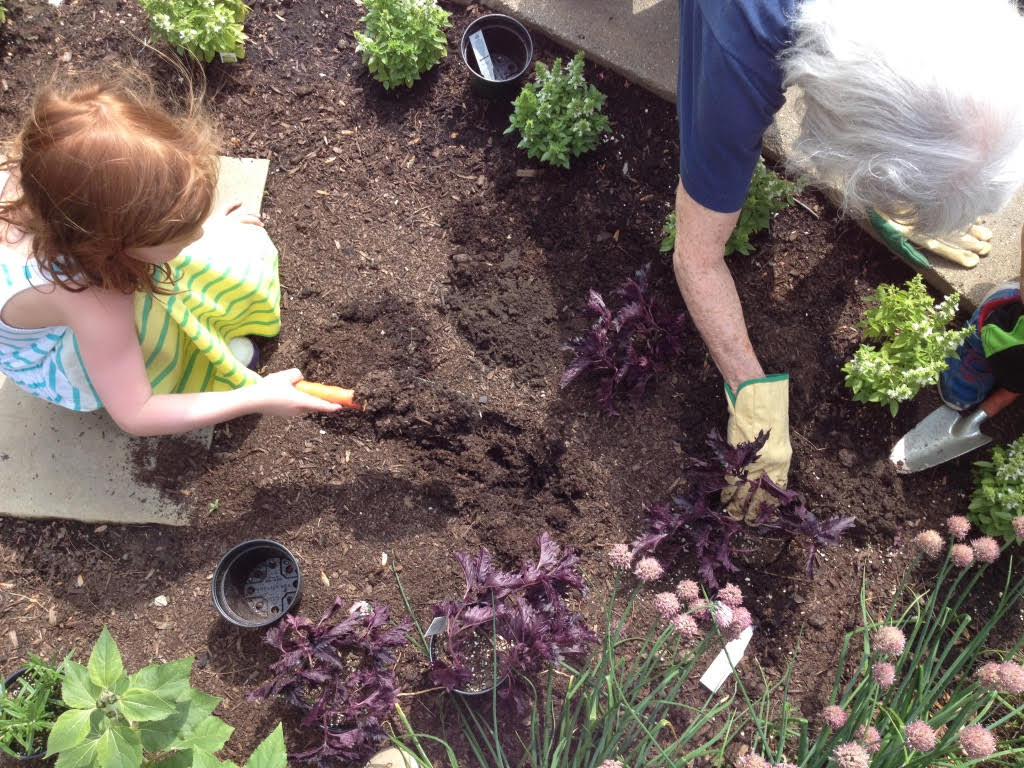 Have you ever said to yourself or others, “My garden is my therapy?” If you have noticed that you feel more relaxed and even rejuvenated after imbibing the beauty, fragrance, and even hard work in your garden, you are not alone! Gardening provides physical exercise, as well as a rewarding intellectual and emotional connection. When recognized on a personal level, it is not a stretch to see how people in a wide variety of care environments who are facing diverse personal challenges can benefit from professionally facilitated horticultural experiences as well.
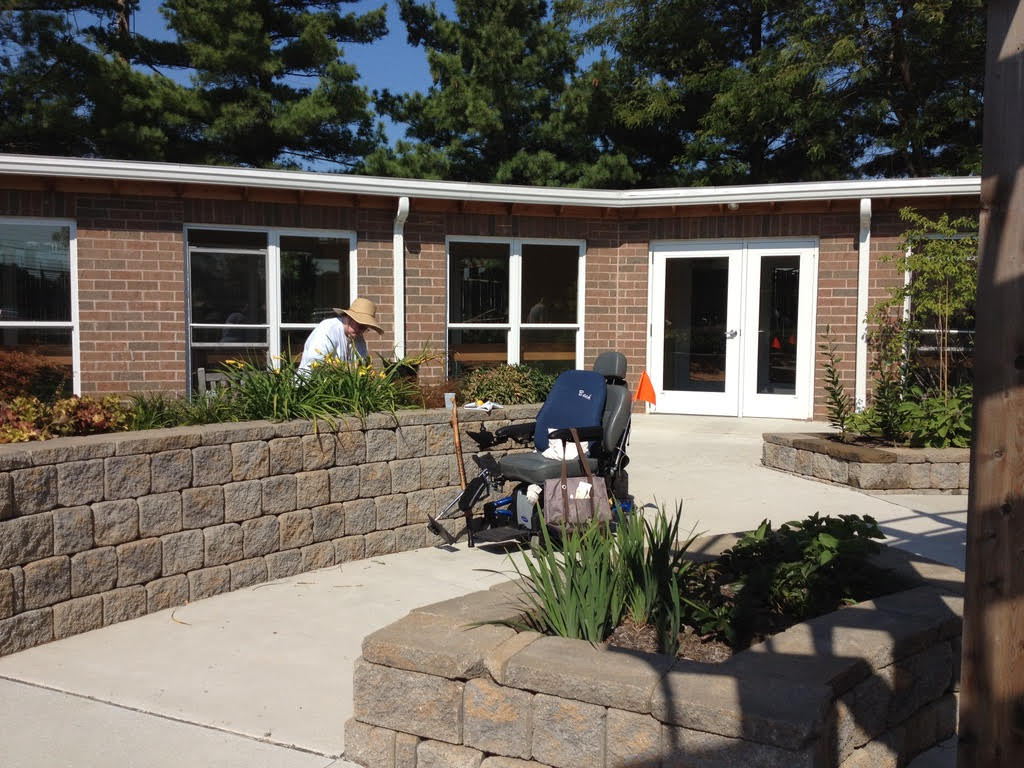 The profession of horticultural therapy (HT) was formalized in the early 1970s, though people have sought out gardens and gardening activities for respite and health recovery well before then. The practice of horticultural therapy involves a plant-based activity, a horticultural therapist, client(s), and identified treatment goals and objectives. Either in a group or as individuals, clients participate in outdoor…
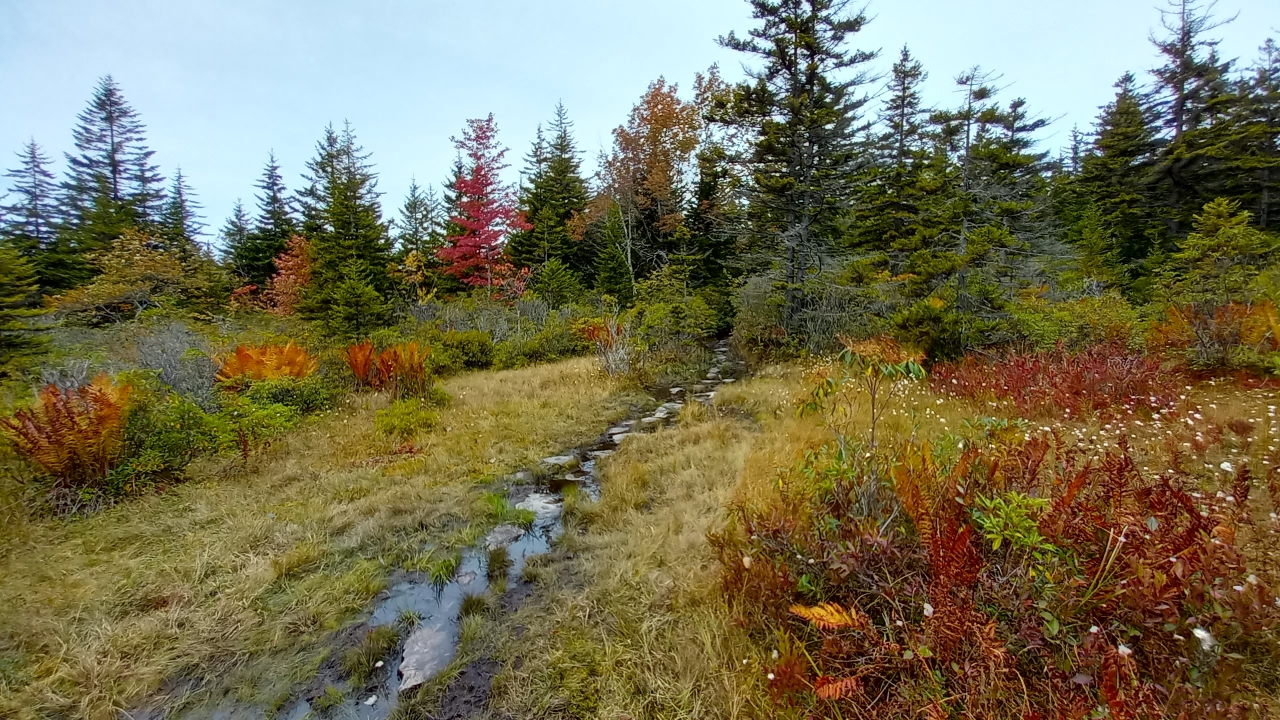 I have a bumper sticker on my car that reads: “I’d rather be lost in the Sods than found in the city.” A friend introduced me to the Dolly Sods Wilderness Area in West Virginia back when I was in college (and back when few people ever ventured that far outside of Washington, DC), and I have been hiking in the West Virginia mountains ever since. They are truly special in so many respects.
 Paths I Walk
You must be logged in to post a comment.