I love being able to step out into the garden and snip fresh herbs whenever I need them. Yesterday, I was making ham and bean stew in the crockpot. I was inspired to add thyme so I cut off a few sprigs from the thyme growing in the front of the house. I looked around and snipped even more herbs: cutting celery, oregano, sage, and rosemary. Except for the cutting celery, these are perennial herbs that should be in everyone’s garden. They can be tucked in the ornamental bed just like any other perennial plant. In the spring, you can purchase the small plants from a nursery or you can ask a friend for a cutting or division. Once you have them in your garden, you can enjoy them year-round and nothing will bother them, not even deer.
In the last three posts in this series, we explored spirit journeying: preliminary and preparatory work, connecting with a spirit journey guide, and establishing your inner grove. All of these things were meant to set you up for the journeys to come–where the entire realms of spirit are open to you and the sky is…
In the past few years, we have become aware that some people in power (we are not exactly sure who) are developing genetic engineering technologies capable of synthesizing genetic code and testing it out on global societies. During the pandemic crisis, mRNA vaccines were developed (with much fanfare) containing genetic coding that forces our human […]
Over the years, I’ve met all kinds of strange creatures in the forest. Insects, mammals, mushrooms, and the occasional strange human are just a few examples.
But up until recently, I had never encountered shrimp-like creatures.
Truthfully, it never crossed my mind that the forest could accommodate such organisms. Besides pill bugs, which are often referred to as land shrimp, could anything shrimp-like actually live among the pin oaks and red maples? I didn’t think it was possible.
Until I learned about fairy shrimp.
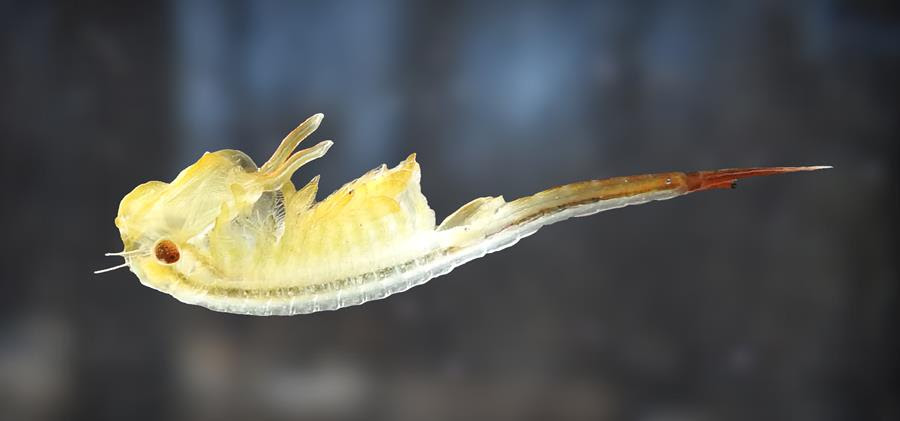
Fairy shrimp are aquatic crustaceans that live and die in the woods. More specifically, fairy shrimp complete their entire life cycle within vernal pools. Eggs hatch in late winter. Larvae transform into breeding adults within a few weeks. By the end of summer, all fairy shrimp perish.
I recently spent a lot of time in the presence of fairy shrimp and decided to capture their short lives on film. To learn more about these amazing creatures, check out the brand new video!
In the last two posts, we explored the preliminaries for spirit journeying: the preliminaries such as addressing issues like safety, believability, focus, and visualization and also doing an initial journey to find a guide that can assist you as part of your journeying work. The next step is to establish a safe space, a “home…
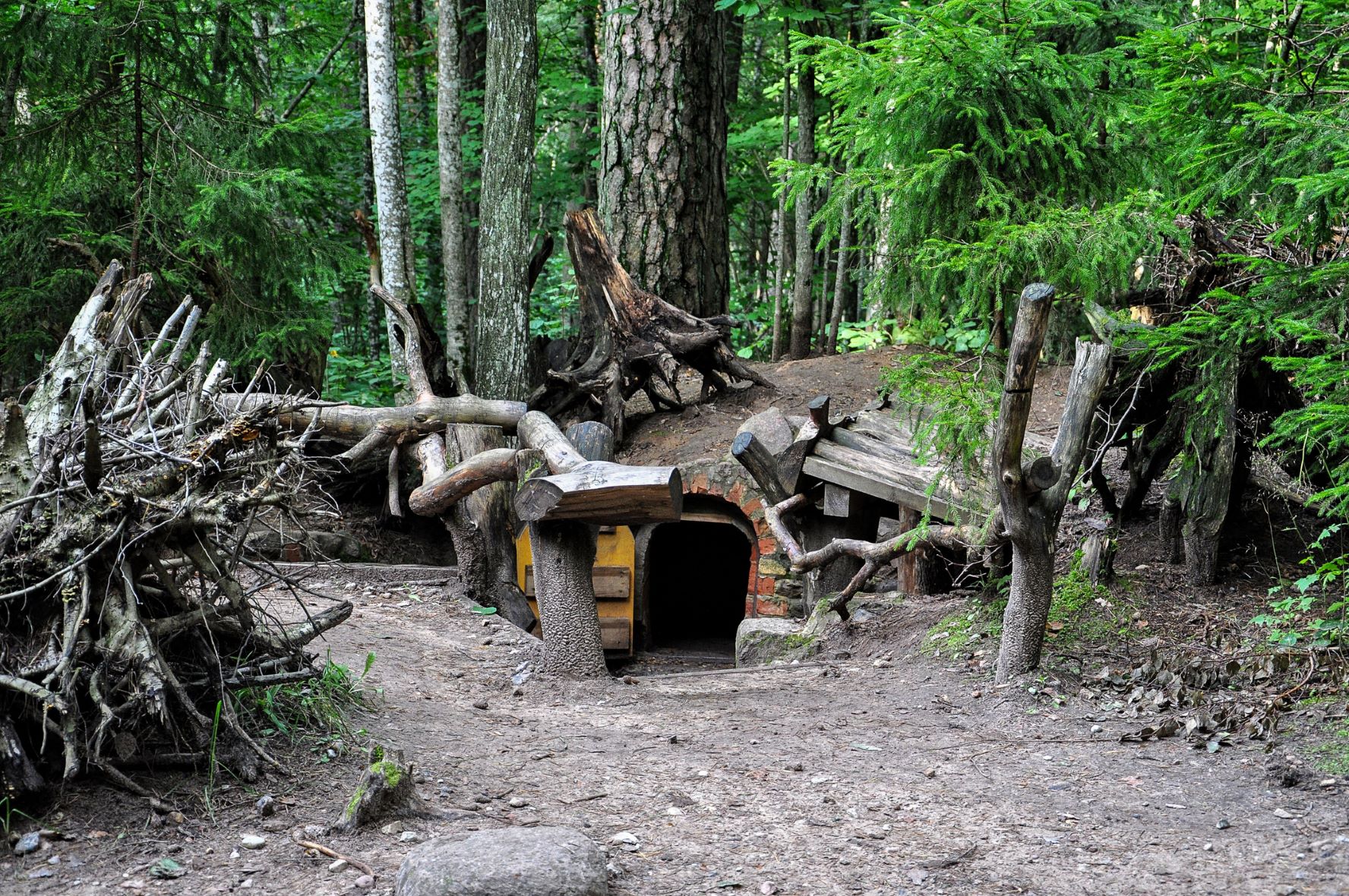
Long before humans roamed the forests, fairies are said to have taken up residence in the cavities of trees, forming fairy houses where they took refuge. Dating back to the Middle Ages, fairy folklore says that these little beings possess supernatural powers.
Many believe that fairies come from the elements—in fact, from Mother Nature herself. For that reason, it makes sense to add fairies to your garden. Even better, adding fairy gardens to your landscape elevates the magic and mystery of your landscape.
How to Make Your Own Fairy Garden
Whether you believe in fairies or not, anyone can make their very own fairy garden. A wide variety of herbs work well in these mini wonderlands. In fact, the diminutive nature of some herbs, like thyme and oregano, makes them fairy garden favorites.
To create your own container fairy garden using herbs and fairy garden accessories, keep…
I am passionate about ancestral foods and none are more ancient than the wild greens known today as weeds. So in honor of International Women’s Day, I’ve decided to share these spring recipes from Gather Victoria Patreon, Wild Green “Erbazzone” Pies, and Wild Green Pancotto Soup. What, you may ask, do wild weedy greens such…
“Spring has arrived, we will survive!” Old Romanian Saying Banish winter, bless the coming of spring, and ensure your face remains beautiful all year with these Rosehip & Raspberry Jam Spirals! They are my edible cookie version of the red and white magical talismans woven by Babas (old women or grandmothers) each March in Eastern…
Spirit Journeying is a technique that we use commonly in the druid tradition, but it certainly is not unique to only our tradition. In fact, spirit journeying is what I’d consider being a core human spiritual practice, being used by different peoples throughout time. The more people that I meet who follow different traditions, and…
Gary Lincoff said something interesting to me 8 years ago.
We were sitting at a picnic table during a mushroom foray in Pennsylvania. He just finished giving a presentation on edible mushrooms and agreed to sit down for an interview.
My plan was to ask him several questions about his life as a mycologist. The interview turned into a monologue instead. I asked Gary two questions and he spoke for 30 minutes. I didn’t mind. Almost everything he said was quote-worthy.
One statement in particular really caught my attention.
“Just to name mushrooms… after a while it gets boring.”
This surprised me. Gary was the author of one of the greatest mushroom field guides of all time. He must’ve thought that mushroom identification deserved at least some recognition. He led mushroom identification walks. He taught mushroom identification classes. He had a name for almost every mushroom he saw.
Yet there he was, admitting to me that names become boring after a while.
Before I could ask Gary to elaborate on his statement, he was already talking about the connections between plants and mushrooms, how he liked finding things that puzzled him, and how he really wanted to know the roles of organisms in the forest.
Collecting names, I realized, wasn’t Gary’s goal. It wasn’t mine either, and as I listened to his picnic table sermon, I was oddly reassured. Gary preached ecological literacy. His words were confirmation that humans are capable of connecting with nature in more fulfilling ways.
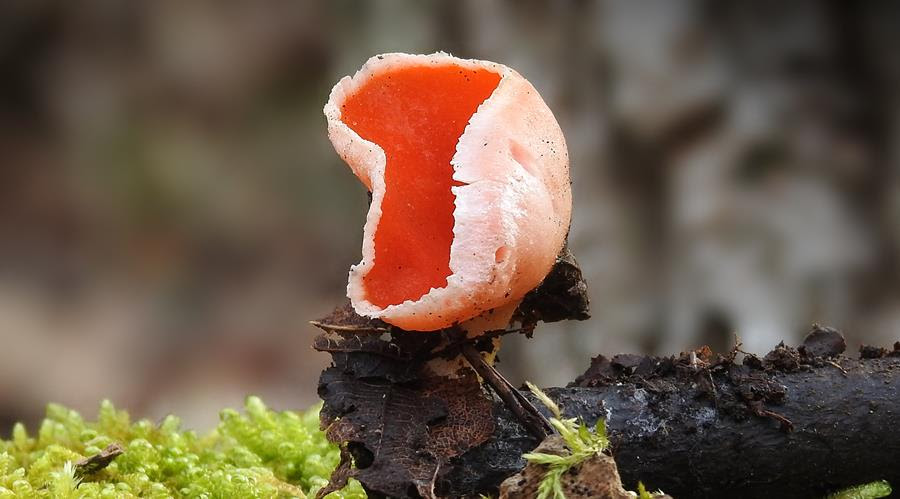
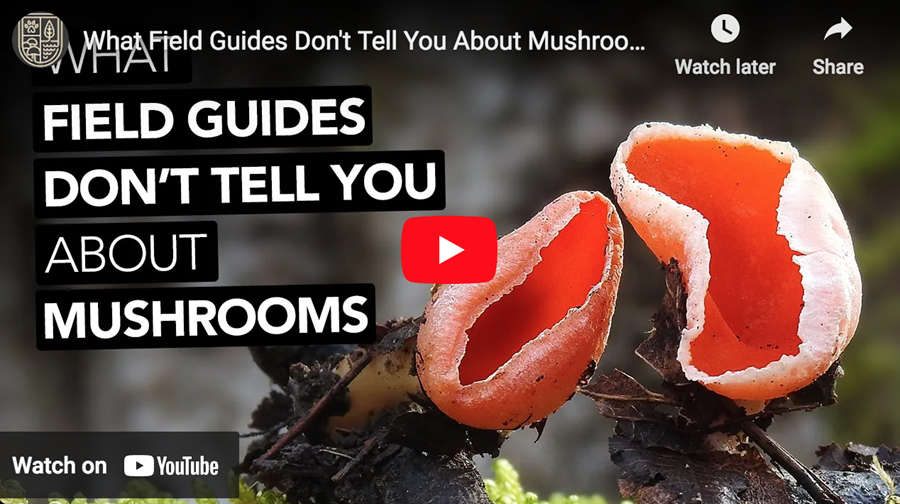
In a brand new video, I show you all the amazing things a single mushroom can teach you when ecological literacy is your goal.
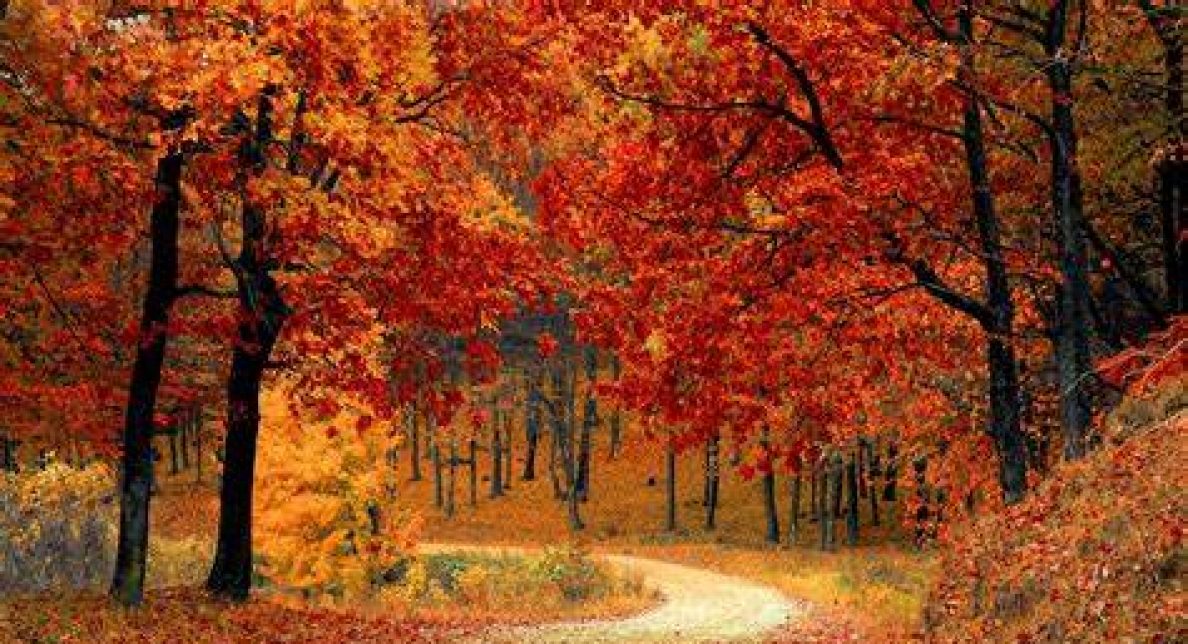

 I love being able to step out into the garden and snip fresh herbs whenever I need them. Yesterday, I was making ham and bean stew in the crockpot. I was inspired to add thyme so I cut off a few sprigs from the thyme growing in the front of the house. I looked around and snipped even more herbs: cutting celery, oregano, sage, and rosemary. Except for the cutting celery, these are perennial herbs that should be in everyone’s garden. They can be tucked in the ornamental bed just like any other perennial plant. In the spring, you can purchase the small plants from a nursery or you can ask a friend for a cutting or division. Once you have them in your garden, you can enjoy them year-round and nothing will bother them, not even deer.
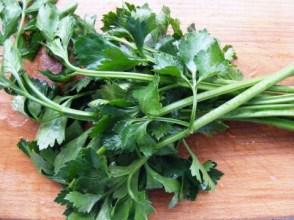 Botanically speaking, the cutting celery is a…



 Long before humans roamed the forests, fairies are said to have taken up residence in the cavities of trees, forming fairy houses where they took refuge. Dating back to the Middle Ages, fairy folklore says that these little beings possess supernatural powers.





You must be logged in to post a comment.