
June Flower, The Rose.

Crooked Bear Creek Organic Herbs's avatarCrooked Bear Creek Organic Herbs

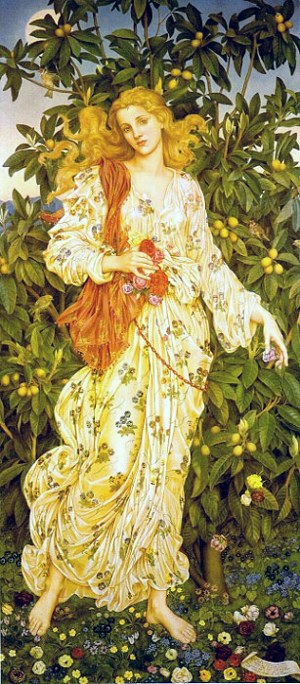
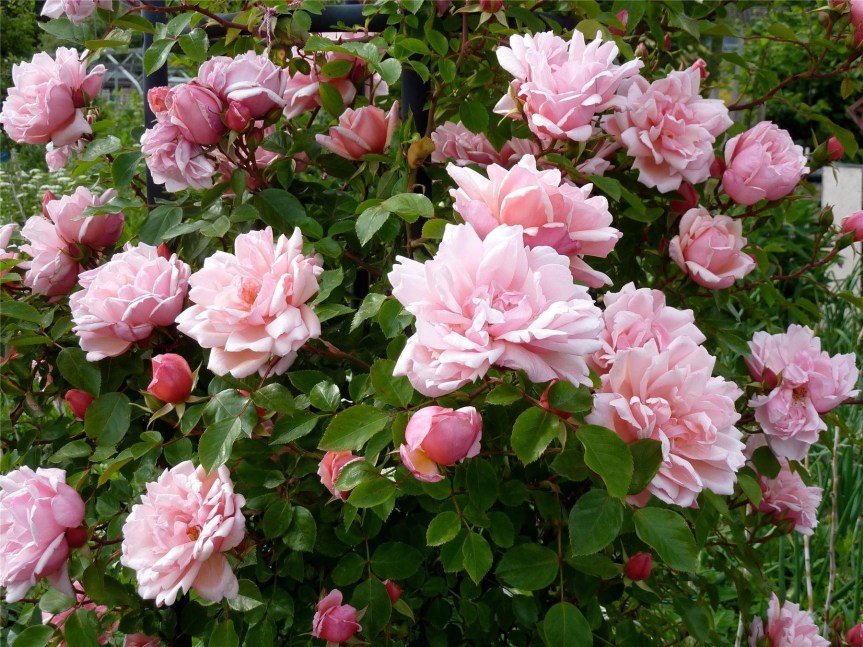
Chloris, the Greek Goddess of flowers, crowned the rose queen of all flowers, a title that the rose deserves today as much as it did in the Golden Age of Greece. Not only is the rose of unparalleled beauty, but it has also proved itself to be useful in a hundred different ways. It has been prized for its medicinal value, cherished for its sweet scent, and appreciated for its delicate flavor.

chloris greek goddess

The legend of the origin of the rose is from the days of the Roman Empire. The story is told of Rhodanthe, a woman of such exquisite beauty that she had many, many suitors. She showed little interest in any of them and sought refuge in the “Temple of Diana.” Her suitors were persistent, however, and followed her there, breaking down the gates to get close to her. Diana became incensed at this and turned Rhodanthe into a…

View original post 890 more words

Sonoran Sweetness: A Gathering

Crooked Bear Creek Organic Herbs's avatarCrooked Bear Creek Organic Herbs

The cherished time of year in the Sonoran desert is now upon us.  While the desert heats up to temperatures above 110 F, many run for cooler, moister climes and foreign visitors are scorched in a short time.  This heat is necessary, it is a natural process inherent in our desert’s ecology.  To eliminate it in some way would be to lose one of the greatest gifts this desert has to offer us.  Without the intense heat, the fruit of our Saguaro cactus (Carnegiea gigantea) would not mature properly.  Not many people today know the characteristic sweet taste of the fruit of the Saguaro cactus, known as bahidaj in the Tohono O’odham (native peoples of the Sonoran desert region) language.  It is the O’odham people (often referred to as Papago) who have preserved the knowledge on how to prepare such things as Saguaro syrup (bahidaj sitol), Saguaro jelly…

View original post 1,329 more words

Sacred Tree Profile: Cherry (Prunus Serotina)’s Magic, Mythology, Medicine and Meaning

Dana's avatarThe Druid's Garden

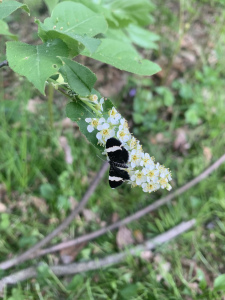
Butterfly on choke cherry

When most people think of cherry trees, they think about plump, juicy, red or purple cherries from cultivated cherry trees.  However, here in the USA, we have a variety of wild cherries that are an interwoven and rich part of our landscape. An enigmatic tree found throughout the eastern part of North America and South America is prunus serotina, the wild cherry, black cherry, mountain black cherry, or rum cherry tree. Most people interact with this tree not in its living form, but through the beautiful reddish-brown heartwood that this tree produces, and that can be frequently found in their furniture and flooring.  And yet, this tree has so much more to offer than just beautiful wood! While I’m targeting my comments today about the black cherry, many of the material found here can be about *any* cherry tree local to you, including domesticated cherries.  Many…

View original post 2,743 more words

And The Award For June’s Most Bizarre Fungus Goes To…

Greetings!

Before I share a brand new video with you, I wanted to let you know that I’ll be presenting and leading a foraging walk at the annual West Virginia Mushroom Foray.

This upcoming event will take place from July 19th through the 21st at the beautiful Blackwater Falls State Park in Davis, West Virginia, and the lineup of instructors this year includes such notable mycophiles as Arleen Bessette, Walt Sturgeon, and John Plischke III.

You can learn more about the event by clicking here!

And now on to this week’s brand new video!

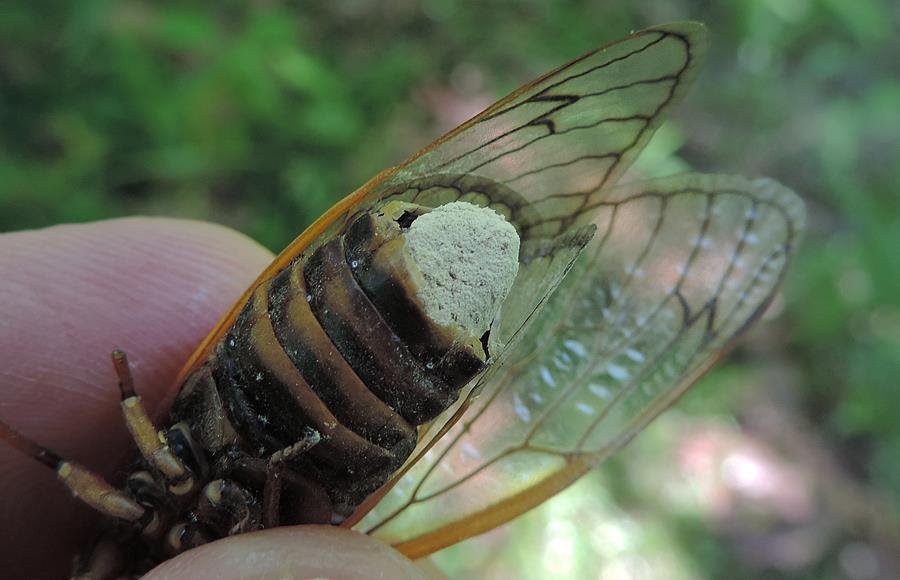
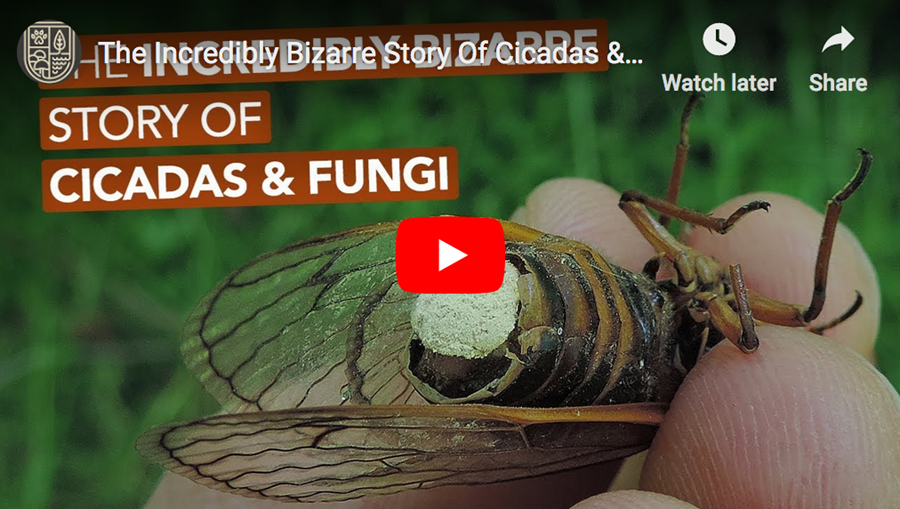
It’s not every day that you get to see a fungus that appears once every 17 years in your neck of the woods.  Such is the case with a fungal species that targets periodical cicadas.

Over the past few weeks, periodical cicadas have been emerging in parts of western Pennsylvania, eastern Ohio, and the northern panhandle of West Virginia.  Associated with the appearance of these cicadas is an incredibly fascinating fungus that destroys the genitals and alters the behaviors of these ephemeral insects.

Needless to say, this pathogenic species is highly deserving of the title “June’s Most Bizarre Fungus,” and if you’re interested in learning more about its relationship with our beloved cicadas, check out the brand new video!

Thanks for reading and watching… and as always, thank you for your support!

-Adam Haritan
Wood Sorrel Mini-Cream Tarts: Wild Food Treats — Gather Victoria

​Here’s another recipe from “Gather Cookbook” for Gather Patrons! I’m releasing a few of last year’s recipes to the Gather website – so the rest of you can see what you’re missing! First up was a Chunky Rose Petal Pesto (recipe here) and now these creamy & tangy yogurt mini-tarts. Made by processing wood sorrel leaves…

via Wood Sorrel Mini-Cream Tarts: Wild Food Treats — Gather Victoria

Chunky Rose Petal Pesto: Summer Savour — Gather Victoria

“It was June, and the world smelled of roses. The sunshine was like powdered gold over the grassy hillside.” Maud Hart Lovelace It’s been a whole year since I first started working on the “Gather Cookbook” for Gather Patrons. And since I’m going to be adding some new summer solstice recipes to the cookbook this…

via Chunky Rose Petal Pesto: Summer Savour — Gather Victoria

What’s Not To Love About These Wild Plants?

Greetings!

Before I share a brand new video with you, I wanted to let you know that I’ll be leading several mushroom programs at the Great Lakes Forager’s Gathering in southern Michigan from June 20th to June 23rd… and I’d love to see you there!

The Great Lakes Forager’s Gathering is the largest annual gathering of wild food enthusiasts in the Great Lakes region and features a variety of classes covering foraging, cooking with wild foods, and other traditional skills.  The lineup of instructors this year is quite impressive, featuring such notable teachers as Samuel Thayer and Jim McDonald.

You can learn more about the event by clicking here.

And now on to this week’s brand new video!

With only a few days left in the month of May, things are starting to appear more summery than spring-like.  The warm temperatures, humid air, abundant sunshine, and green canopies remind us that, as lovely as it can be, spring can only do so much for us before its reins are handed over to the next season.

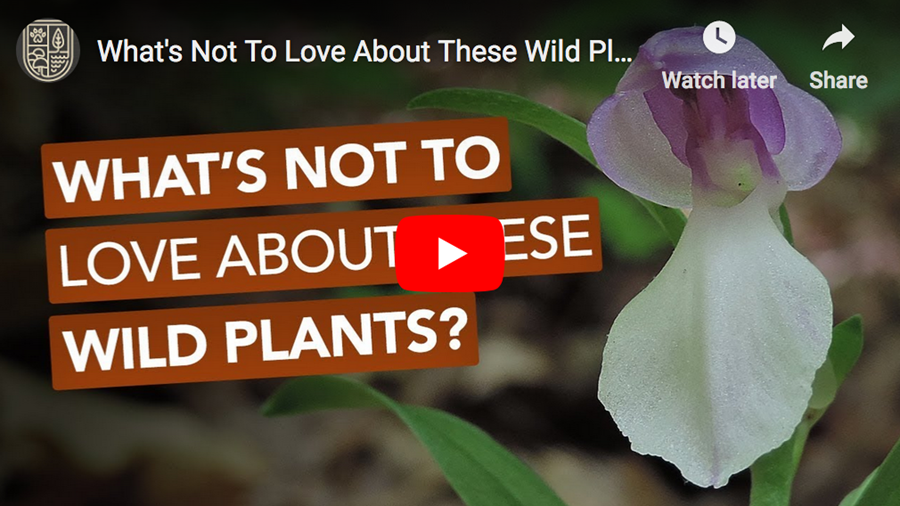
To celebrate the final weeks of spring, I decided to explore the woods in search of interesting plants and wildflowers that thrive during the transitional time between the two seasons.  On a recent walk through a beautiful wooded area, I encountered two plants that were truly worthy of documentation.

If you’re interested in seeing the two wild plants that are too easy to love, check out the new video!

Thanks for reading and watching… and as always, thank you for your support!

-Adam Haritan

Creative Ways to Use Dandelions – Organic Gardening – MOTHER EARTH NEWS

Crooked Bear Creek Organic Herbs's avatarGood Witches Homestead

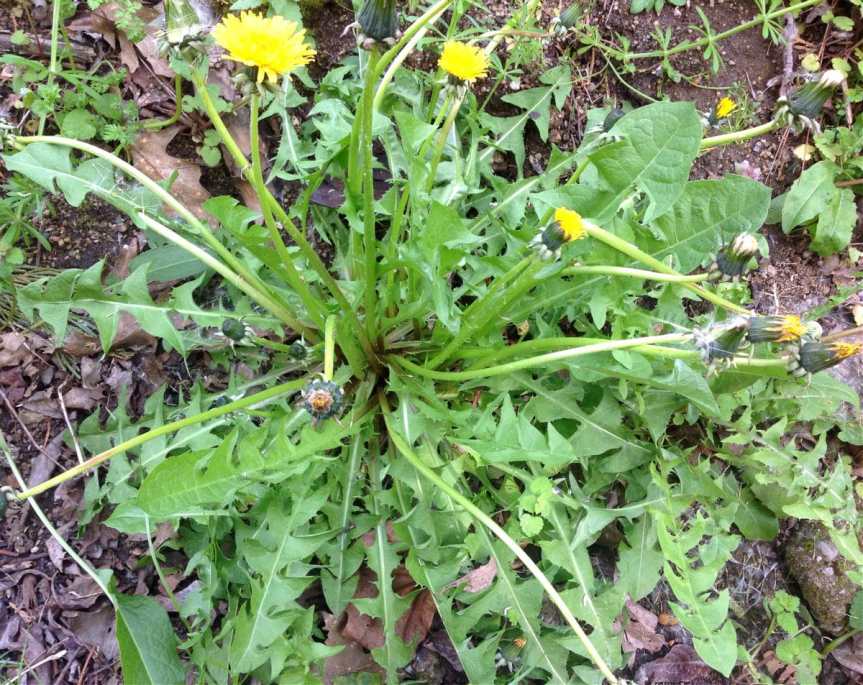
Dandelions grow just about everywhere in the world, dotting lawns and defiantly sprouting through sidewalk cracks.  Though dandelions are incredibly common, they’re also powerful herbal medicine and tasty edibles at the same time.

Medicinally, whole dandelion plants are often made into a dandelion tincture, which has traditionally been used for skin and urinary tract problems.  Herbalists use the blossoms as a treatment for sore muscles, in the form of a dandelion salve or dandelion infused oil.

Beyond herbal medicine, dandelions are just plain tasty.  Dandelion roots can be cooked like carrots or roasted and brewed into dandelion root coffee.  The greens are eaten fresh in salads or cooked with a bit of oil or salt.  Dandelion blossoms can be made into simple dandelion fritters without much effort too.

A simple hard candy flavored with dandelion blossoms, this dandelion candy will put a…

View original post 344 more words

Recipe: Dandelion & Burdock Cordial

Violets are Delicious

The Herb Society of America's avatarThe Herb Society of America Blog

By Beth Schreibman-Gehring, Chairman of Education for The Western Reserve Herb Society unit of The Herb Society of America

violet bouquetOne of the loveliest flowers of spring is the Viola odorata or as it is commonly referred to, the “Sweet violet.” Violets have been used in herbal healing remedies for centuries, in fact St. Hildegard of Bingen, the famous 12th century German mystic and healer, was said to have made a healing salve of violet juice, olive oil, and goat tallow for its use as a possible anti-bacterial.

I use violets whenever I can for their healing virtues, and they are also an absolutely delicious ingredient in salads, drinks, and desserts. Back in the day, violet flowers, and leaves mixed into salads were one of my favorite spring remedies for pre-menstrual melancholy. When chopped liberally into extra virgin olive oil with some fresh comfrey leaves, they make a poultice that can…

View original post 945 more words