
Astrorisa Moon Forecaster ~ The Virgo Full Moon

By Iya Olusoga ~Bisi Ade
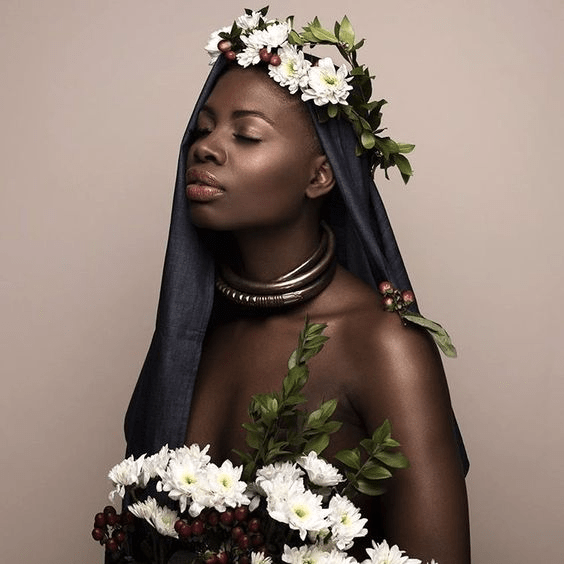
Welcome to the full moon of Virgo, and its vibrations spanning 29 days, March 12th – April 10th.
Themes: Finances, actions, plans, business, burning the candle at both ends, treading water, feeling your way, attention to detail, and overworked vs.rest.
This Virgo moon time challenges our collective consciousness to determine how best to maneuver through our experiences and to know when to rest or to push forward. Whatever the case maybe, we’ll have to be careful of over taxing our resources (funds, health, time, etc.) With the sun in Pisces and moon in Virgo (water, mind, and earth), we can feel as though we’re dredging through a marsh. As we’re between solid ground and a large body of water. Which way should we go? To the left near solid ground or to the right near open water? Do we want to walk or swim? Which avenue and experience will get us there quicker? Which ever direction we take, will determine our experiences and impact our destiny.
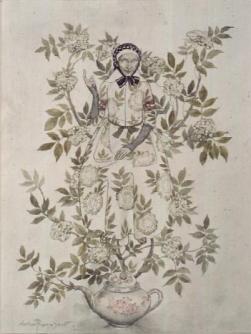
Elder Mother, The Wild Hunt, And The Winter Solstice

If you follow the sun, you’ll find that, as fall edges into winter, it slips further and further south. The angle of the sun’s rays gets shallower, and the days become shorter with the sun in southern skies. But every year, it turns back and begins its northward course right around the time of the winter holidays: a new light is reborn, and we can start fresh in a new year. The Winter Solstice.That said, many traditional cultures used the moon as an easier form of time-tracking. Her course, when accounting for the earth’s orbit around the sun, runs about 29-30 days from full moon to full moon. The moon cycle also divides neatly into four segments of about 7-8 days each, making it a useful way to mark the more practical weekly calendar. The moon traces more intimate rhythms, while the sun holds the broad, seasonal cycles.But the lunar and solar calendars are offset: while there are about twelve full moons in a year, that’s not quite enough to account for all the days between one winter solstice and the next. In fact, there are about 11-12 extra days after twelve lunar cycles before the sun synchronizes with the calendar again. So, in order to keep the daily household rhythm and the seasonal agricultural rhythm aligned, our ancestors simply inserted twelve extra days at the beginning of the year, right after the Winter Solstice. These days existed outside of the normal lunar calendar, and after they were over, the weekly reckoning could recommence and be in line with the solar cycle again. This, of course, is the origin of the “twelve days of Christmas”.

Source: Elder Mother, The Wild Hunt, And The Winter Solstice