
When I think of herbs for Christmas, I always think of the Simon and Garfunkel “Scarborough Fair” song: “Are you going to Scarborough Fair? Parsley, sage, rosemary, and thyme.” Sure, there is peppermint and plenty of spices, but these herbs seem to be the most popular during the holidays. I think that is because these plants are still green in the garden. In my USDA Hardiness Zone 7 Virginia garden, I can still pick these plants in December to use in the kitchen. My mint plants, always in containers, overwinter well, and I can harvest spearmint and peppermint.
When using these herbs, don’t just think of flavor and cooking. Think of the plant itself, the structure, size, weight, and texture of the branches and leaves. Think of how the stem or leaf can be used to decorate the dish and your table.
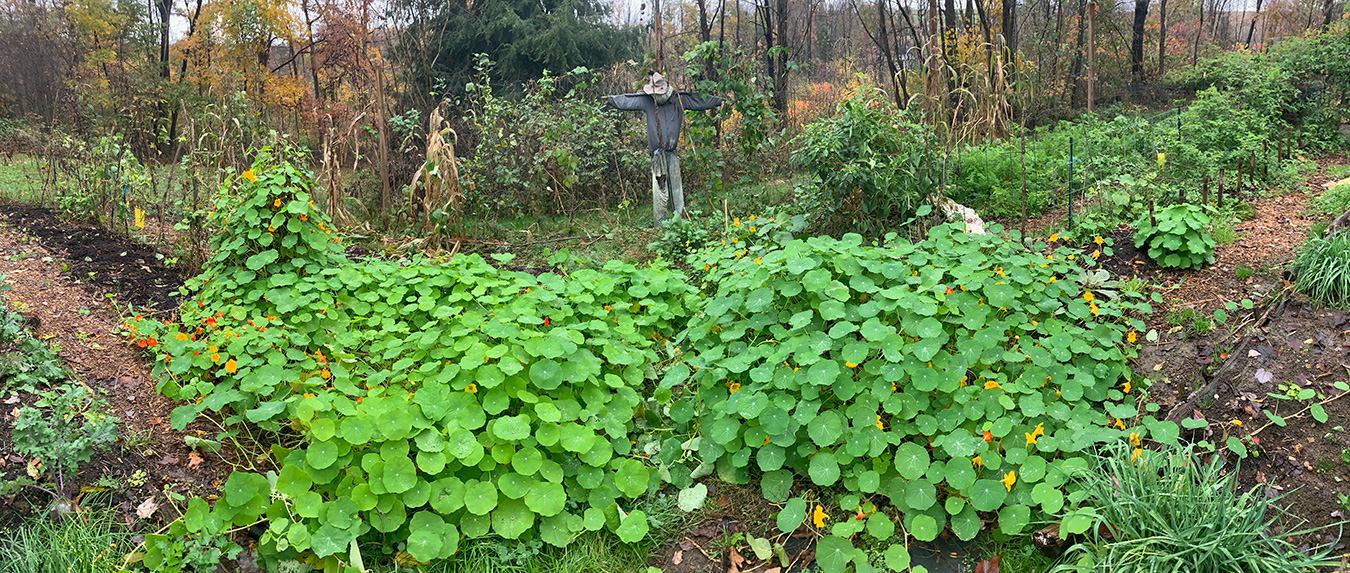
The day before the first hard frost. Our garden is still bountiful as the Butzemann watches over all….As the darkness continues to grow deeper on the landscape, it is high time to consider how to put the garden to rest for the winter and honor the garden that has offered you so much bounty and joy for the season. I actually find this one of my favorite gardening activities of the year, both on a metaphysical and physical level. There’s something special about “tucking” your garden in after a productive growing season and knowing that the land will go fallow and rest as the cold and ice come. Here are both the physical activities and sacred activities that you can do to help put your garden to rest.
Do note that my timings are based on the temperate climate in Western Pennsylvania, USDA Zone 6A. You can adapt appropriately based…
By Beth Schreibman-Gehring, Chairman of Education for The Western Reserve Herb Society unit of The Herb Society
Originally published on January 30, 2019
Last winter the urgent care center diagnosed me with the flu, and I’ve never been quite as sick as I was for that month. I spent several days in bed and used all sorts of herbal remedies to support healing. Daquil/Nyquil just made me feel worse and went straight into the garbage.
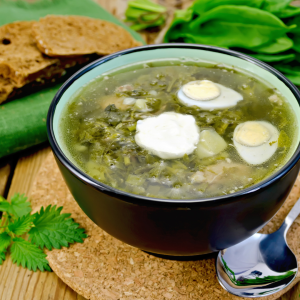
I started with homemade bone broth. Herb and spice-spiked chicken broths are well known to promote the movement of nasal congestion and are thought to have anti-inflammatory and anti-viral properties. I felt better with every bowl I ate, proving the old adage: Let your food be your medicine.
For a powerful immune-boosting soup I took cues from the Legend of the Four Thieves. In this story, aromatherapy, herbal, and alchemical worlds collide and take…
Among the common, the uncommon exists. Learning the uncommon among the common helps us see in new ways what has been in front of us all along.
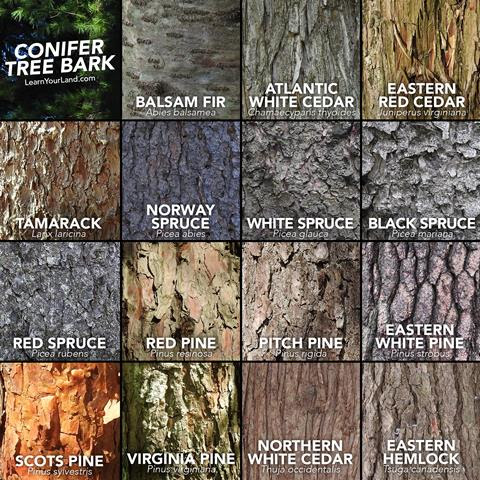
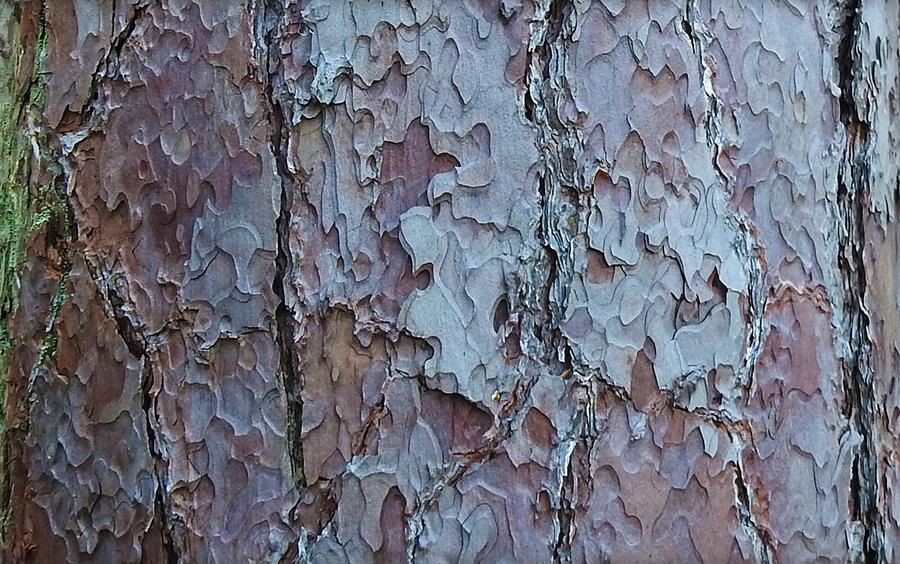
Take red pine, for instance.
Where I live in western Pennsylvania, red pine (Pinus resinosa) is a common sight. Many county and state parks contain large tracts of land that host nothing but red pine plantations. These plantations, believe it or not, are considered by fundamentalists to be “ecological deserts” — a category that also includes parking lots and golf courses.
Red pine, it seems, can’t catch a break. Because of the bias against its ubiquity and against its purported ecological disservice, it’s no wonder that people rarely take any time to marvel underneath a red pine tree.
But there is something that we should know about red pine. Among the common, the uncommon exists.
Red pine is not common in every context. To provide two examples — “natural” stands of red pine are quite uncommon in my home state of Pennsylvania, and across the entire range of red pine, old growth red pine forests occupy less than 1% of their original range.
What’s more, old growth red pine forests are far from ecological deserts. Researchers consider these forests to be critical for maintaining biodiversity at stand and landscape levels.
To gain some insight on the matter, I decided to visit a “natural” stand of red pine. Not too surprisingly, I did not discover an ecological desert. Instead, I encountered a diverse ecosystem containing red pines that were approximately 250 years old and approaching old growth status.
Speaking of uncommon (or very common, depending on where you live), I recently encountered this melanistic eastern gray squirrel foraging for acorns. The presence of melanism across the range of gray squirrels is really low (less than 1%). In some areas, though, it can be higher than 50%. To learn more about black squirrels, check out the latest Instagram post!Click to view post
Thanks for reading and watching, and thanks for your continued support!
Have you heard of St. John’s bread or locust bean? These are all names for the carob tree, Ceratonia siliqua. This herbal tree is a native of the Mediterranean region and is also grown in East Africa, India, Australia, and California. It can grow in USDA Plant Hardiness Zones 9-11 – places with dry, Mediterranean-type climates. Carob is disease and pest resistant, tolerates dry, poor, rocky soils, and is drought tolerant due to a very deep taproot (125 feet) that enables the tree to survive in arid climates. It is in the pea family (Fabaceae), and like other members of this family it fixes nitrogen, improving the fertility of the soil in which it is planted.
Carob is a multi-stemmed, evergreen tree that can reach 50 feet high and 50 feet wide, and its broad, dark green leaves make it a good shade tree. It is…
Scrunched up faces. Tongues sticking out. Sounds of choking and disgust. Unfortunately this is the usual reaction when I’m finally able to coax someone into trying medicinal herbs. When we move past the more pleasant plants like lavender, chamomile, and peppermint and delve into the deeper waters of herbal medicine, not everything is so user-friendly. Many plants taste bitter, smell like old socks, or even feel slimy. But often, it’s these same nasty characteristics that provide the therapeutic benefits we’re looking for. Let’s take a look at a few plants and see what makes them so “nasty” as well as useful.
Valerian (Valeriana officinalis) Many people may be familiar with the distinctive aroma of valerian root; old socks, wet dog, and horse manure are just a few things to which the odor has been affectionately compared. In fact, the constituent responsible for the smell, valeric…
I am writing this on the evening of the full harvest moon—it is shining bright in the night sky just over the treetops. We are also celebrating the Autumnal Equinox. I know that fall is here by the feeling in the air—cooler nights—and needing to grab that extra blanket; the smells are different—moist, earthy, and leafy; the departure of the hummingbirds since the jewelweed blooms are fading; the slowing down of plant growth in the garden and the ripening of others—herbs are maturing, flowers are showing off their last hurrahs, and many plants are producing seeds. It is time for gathering the bounty and celebrating the harvest!
I am simply delighted to share some news with you. Last harvest season, I made three educational videos featuring “Gathering and Preserving the Herbal Bounty” for members of The Herb Society of America.
Since moving to our new homestead a few years ago, I’ve been working to build a local material medica–that is, learning about all of the medicinal plants, herbs, and trees here on our 5-acre property. This also, of course, means growing a lot of my own herbs but also learning everything I can about the uses of the plants/trees already present on the land. This post is a follow-up to my Spruce post from a little while ago to share some primary ways of working with spruce: A Spruce Resin Salve (also known as a Spruce Gum and Spruce Resin salve) with bonus fire-starters from the process!
Many conifers produce a tarry, sticky resin or sap that has a range of uses: as a binding agent or glue, as a medicine, as gum you can chew, as incense, as a fire-starting tool, as a waterproofing agent…
I had what seemed like a simple question: How and why did cardamom, the spice native to southern India, become such an essential and beloved baking spice in snowy Scandinavia? I have Swedish ancestry, and absolutely love cardamom bread and other baked goods made with cardamom. In Scandinavian culture, cardamom often represents comfort and home and family and holiday treats–similar to how we in the U.S. view cinnamon, perhaps. (Of course, cinnamon is also of South Asian origin!) I started with some hazy knowledge of the history of the spice trade–that cinnamon, cardamom, nutmeg, cloves, pepper, and ginger spread throughout the world from their places of origin via complex trade routes over the course of many centuries, contributing to the rise and fall of various empires and economies. But I was curious why cardamom, in particular, took root in Scandinavia of all places. Researching that question took…
The lazy days of summer quickly transition to the more scheduled and hurried days of autumn. While glorious hues are found in changing leaf color and late season blooms like goldenrod and Joe-Pye weed, the pace of our world undeniably quickens during this season. Add the additional stress and worry about the Covid-19 pandemic and the message is clear–take time to personally cultivate peace and manage stress.
Research by environmental psychologists like Rachel and Stephen Kaplan, as well as landscape architects like Clare Cooper Marcus and Naomi Sachs and others, points to the overall positive impact of plant-rich environments and contact with nature on reducing mental fatigue and increasing feelings of restoration, recovery from stress, and improved mood (Haller, Kennedy and Capra, 2019).
Gardeners, without knowledge of the research, often say they find peace and solace in the garden. The act of gardening, tending…
You must be logged in to post a comment.