

Menace. Monster. Barbarian. Scourge. Thug. Outlaw. Killer.
All these terms have been used in one publication or another to describe a single species whose common name is a bit less provocative.
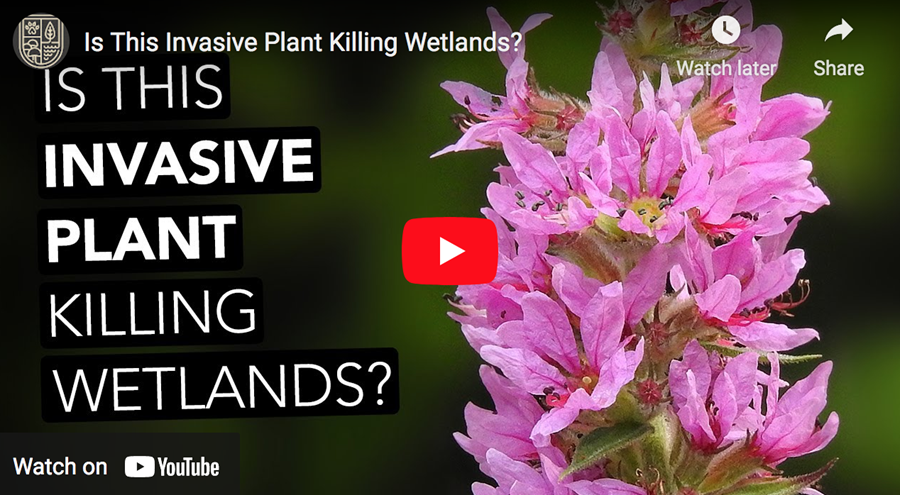
Purple loosestrife (Lythrum salicaria).
This showy plant was introduced to North America from Europe in the early 1800s. Since then, purple loosestrife has spread itself far and wide across the North American continent.
Today, purple loosestrife is considered a noxious weed throughout many parts of North America. The International Union for Conservation of Nature even lists purple loosestrife as one of the 100 worst invasive alien species in the world.
But not everyone agrees that this “purple menace” is a serious threat.
Some researchers think that the problems associated with purple loosestrife invasion are exaggerated. Some researchers even think that purple loosestrife invasion is associated with positive effects in North America.
Who are we to believe? How can people be so divided over a single plant? What does the research really say? Is purple loosestrife a serious ecological threat or not?
We explore the topic of purple loosestrife invasion in a brand new video. If you are interested in learning more about this purported wetland killer, check it out!
Thanks for reading and watching, and thanks for your continued support!
-Adam Haritan





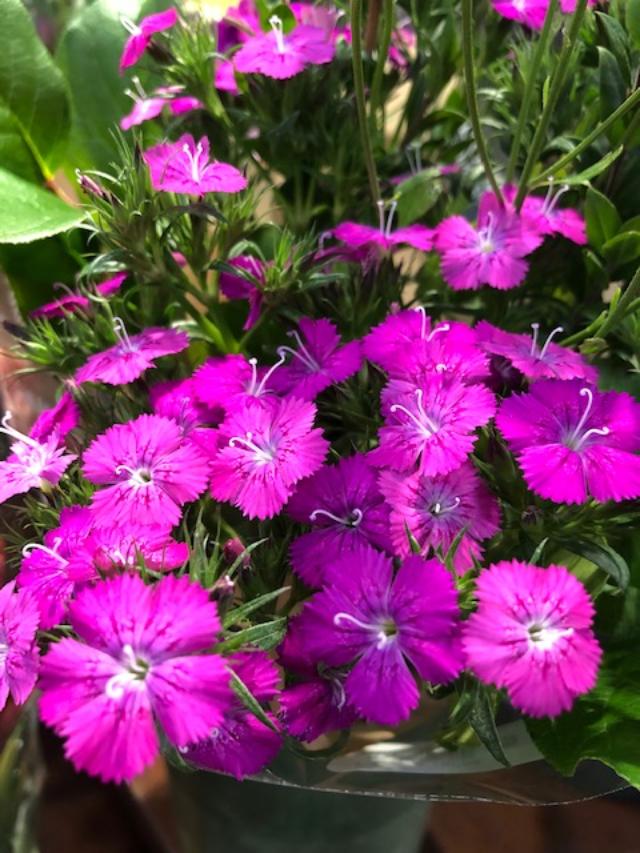 Dianthus is The Herb Society’s Herb of the Month for April. The timing is perfect as the weather is beginning to be spring-like, and these plants are now available in our garden shops. The Greek botanist, Theophrastus (371-287 BCE), is credited with giving these flowers their name. He combined the Greek word for dios, “divine,” with anthos, “flower” and came up with dianthus.Dianthus have been cultivated and bred for over 2,000 years, and many different colors and flower types have been developed along the way. With successive breeding, however, many of the cultivars have lost their native clove-like scent.
  Are you interested in learning more about the herbal uses of plants from around the world? Are you ready to challenge your horticultural skills in a public garden setting? Are you enthusiastic about sharing that knowledge with people? Then, consider joining our team!
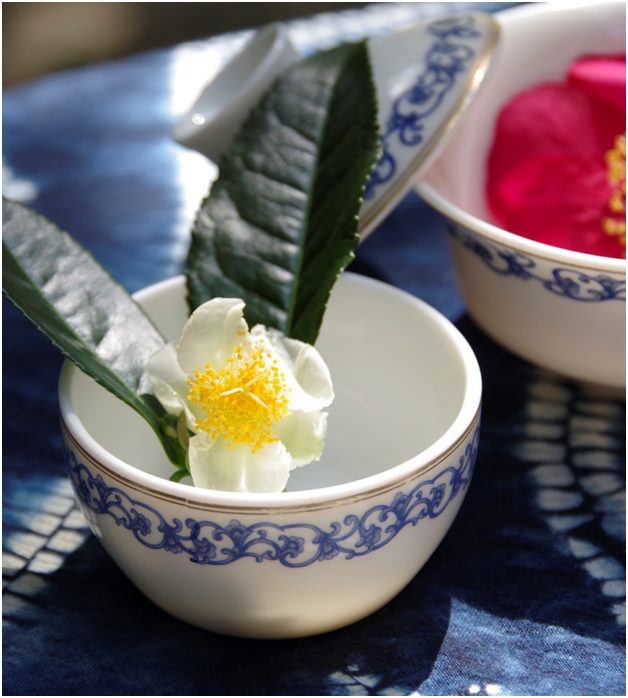 Many gardeners are surprised to learn that
 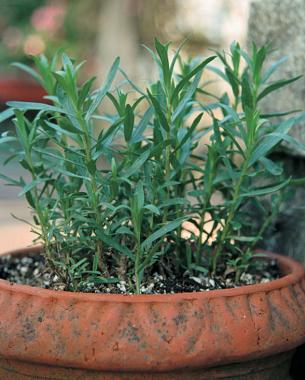 It pays to pay attention to plant labels. Especially in the case of tarragon–especially if you are planning to use tarragon in your cooking. If you are growing tarragon for culinary purposes, be sure the label on the plant or seed that you buy says “French tarragon” or Artemisia dracunculus ‘Sativa’, to be sure. If the label says only “tarragon,” you may be purchasing Russian tarragon, which is not the tarragon you want for your roast chicken or béarnaise sauce.
  Paths I Walk
You must be logged in to post a comment.