Getting to Know Lyre-Leaf Sage

Getting to know Lyre-leaf Sage …

Crooked Bear Creek Organic Herbs's avatarCrooked Bear Creek Organic Herbs

Having fallen into disuse, this North American species is making a comeback thanks to some notable herbalists and a nod from the Herb Society of America.

Graceful, light-blue wildflowers border the roads and cover swaths of meadows in periwinkle, from the Mid-Atlantic to Missouri and from Florida to Texas. Known as “just a roadside weed” or invasive species, lyre-leaf sage has a lengthy history. A much-valued wild edible and medicinal plant of indigenous people, and a time-honored remedy in the southern folk traditions, this North American sage has been chosen by the Herb Society of America as the Notable Native Herb of 2018.

lyre leaf sage

Lyrata in the Garden

A beautiful, wild, flowering plant, lyre-leaf sage {Salvia lyrata} is part of the Lamiaceae {mint} family along with rosemary and oregano, and it’s closely related to garden sage {Salvia officinalsi}.

The only sage native to the United States, it has reportedly grown as…

View original post 2,060 more words
Elder Mountain’s Folk Smudge – Autumn 2018

Elder Mountain’s Folk Smudge …

6 Bug Repellent Patio Plants

Six Bug Repellent Patio Plants …

Crooked Bear Creek Organic Herbs's avatarCrooked Bear Creek Organic Herbs

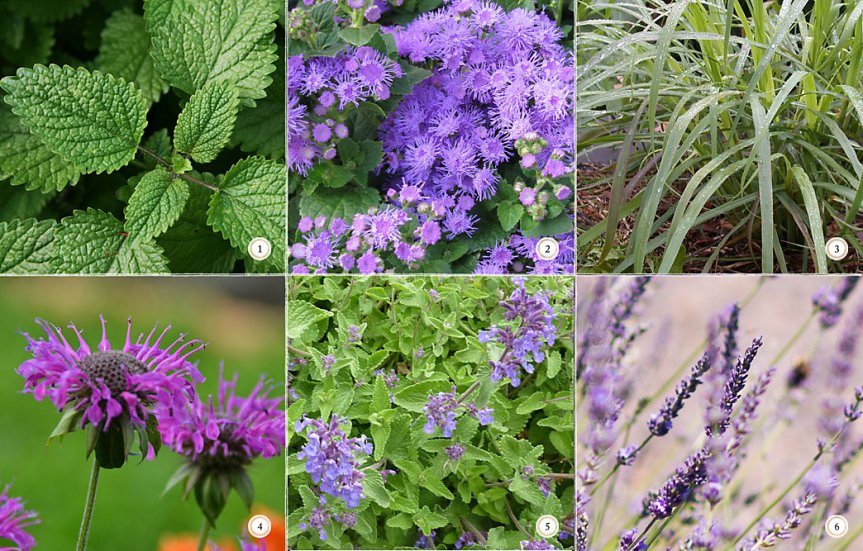
We love to spend our summer days outside with family and friends, but pesky bugs are quick to drive a party indoors. For a chemical-free way to keep insects at bay this season, we asked the experts from our green goods team to recommend their favorite bug repellent plants. Planted near the doorway or transformed into essential oils, these six natural options deter mosquitoes, flies, and more uninvited guests in the summer garden.

1. Lemon Balm (Melissa officinalis): Like many members of the mint family, this herb provides protection against summertime mosquitoes. To make a quick, all-natural bug repellent, crush a handful of lemon balm leaves and rub onto any exposed skin. If you’ve already suffered a bug bite, its soothing oils can limit itching as well. This easy-to-grow herb also has a number of additional applications, from infused teas and vinegar to green salads.

2. Ageratum ‘Artist…

View original post 326 more words

Wild Food Profile: Milkweed + Fried Milkweed Pod Recipe

Wild Food Profile …

Dana's avatarThe Druid's Garden

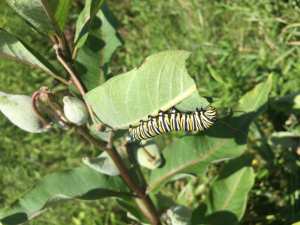
Monarch catepillar enjoying a milkweed feast--they know the good stuff when they see it! Monarch caterpillar enjoying a milkweed feast–they know the good stuff when they see it!

I love the summer months for foraging wild foods.  One of my very favorite wild foods is Common Milkweed (asclepias syriaca).  Around here, the pods are just beginning to form–and its a great time to explore this delightful wild food.  They have a light vegetable taste, maybe something like a sugar snap pea–very tasty and delicious.  In fact, this is one of the best wild foods, allowing you to have four different harvests from the plant at four different times during the spring, summer, and early fall.

Ethical Harvesting and Nurturing Practice

With the excitement of harvesting from common milkweed, however, comes a serious responsibility.  New farming techniques over the last 20 years have eliminated many of the hedges that used to be full of milkweed.  Because of this issue, the monarchs have been in serious…

View original post 914 more words

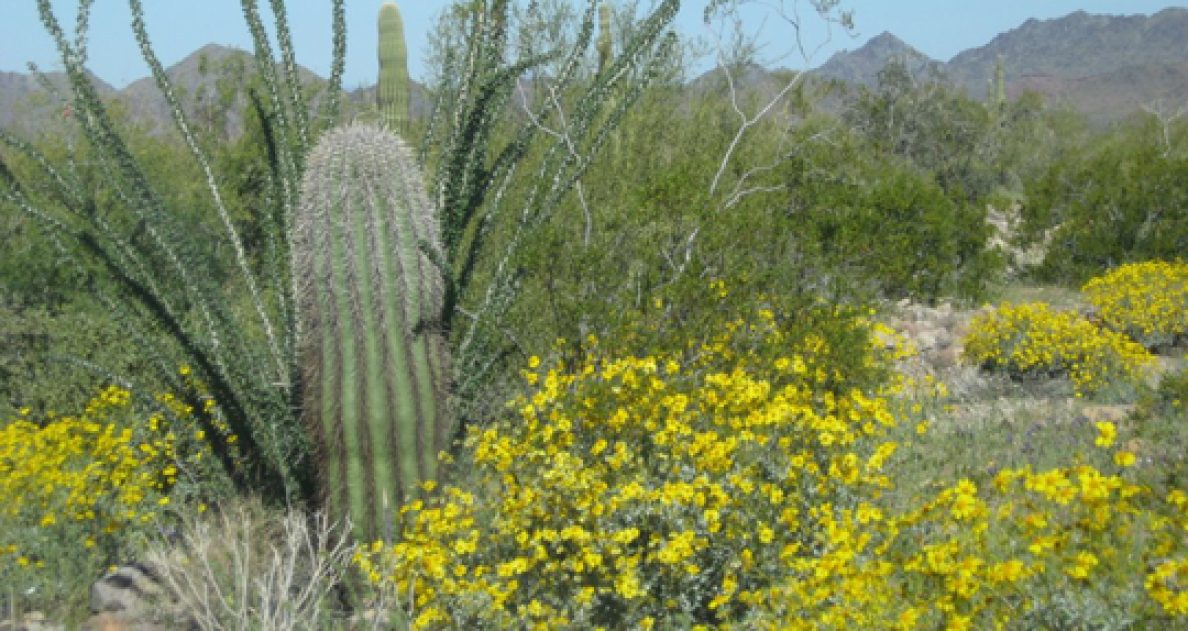
Southwest Herb Gardening: What To Plant In June, and Watering In June

By Crooked Bear Organics

Crooked Bear Creek Organic Herbs's avatarCrooked Bear Creek Organic Herbs

We recommend most plants be planted in the fall or spring. However, if you must plant during the summer months watering may need to be more frequent and you must be diligent about observing your newly planted plants for signs of water stress. Follow the guidelines in the Watering section.

Many cacti and warm-season succulents can still be planted in the summer. When transplanting cacti and succulents, mark either the south or west side and plant facing the orientation you marked to avoid the burning of tender tissues. Most nurseries will mark the side of the container to help you determine proper planting orientation. However, if the original orientation is not known, newly planted cacti and succulents need to be covered with shade cloth if the plant surface appears to yellow or pale suddenly. Use a shade cloth rated between 30-60% as anything higher will block most of the sunlight and…

View original post 1,557 more words

Southwest Herb Gardening: June In The Low Desert

By Crooked Bear Organics

Crooked Bear Creek Organic Herbs's avatarCrooked Bear Creek Organic Herbs

June in the low desert is generally the driest and hottest month. Desert gardeners often must begin their garden activities in the early morning or at sunset to avoid the intense sunlight. Plants must endure the intense heat throughout the day. Many native and desert-adapted plants have numerous adaptations that enable them to live successfully in the desert, such as succulence, drought-deciduousness, and small leaves, to name a few examples. Even with these numerous adaptations, desert plants sometimes need a little help to keep them healthy and thriving in your garden. Native and desert-adapted plants that were newly planted and those that are not established in the landscape need to be watered until they become established in the landscape and can then survive with natural rainfall. Even established plantings will need an occasional supplemental watering during long periods of drought to keep them healthy and stress-free.

Summer is the prime…

View original post 1,684 more words

The Spice Pantry: Queen of the Spices, Cardamon

By Crooked Bear Organics

Crooked Bear Creek Organic Herbs's avatarCrooked Bear Creek Organic Herbs

Cardamom – The Queen of Spices

My favorite spice in the house!

Cardamom is the Queen of Spices and has grown lavishly under the tropical canopy on hillsides in the Ghat Mountains on the Malabar Coast of southern India to be harvested by hand and shipped around the world.  The cardamom familiar to India and the western world is called green cardamom and it, along with several other types such as giant cardamom, black cardamom, and bastard cardamom, have been used for cooking, perfumery, incense, and medicine since very early in history.

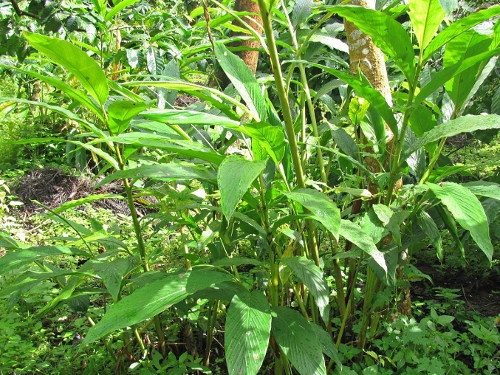
cardamon flowers

Ancient Egyptians used it frequently for perfume along with frankincense, myrrh, cinnamon, and cassia, and had a recipe for an ointment called “Oil of Lilies” that included the scent from 1000 lilies. It is often mentioned as one of the ingredients of the ancient incense kyphi. Cardamom essential oil is one of the oldest essential oils known in perfumery…

View original post 1,291 more words

Walking Meditation Garden with Hugelkultur Beds

By Druid’s Garden

Dana's avatarThe Druid's Garden

As a practitioner of permaculture and as a druid, I am always looking for ways to work with the land to create sacred and ecologically healthy spaces.  That is, to create self-sustaining ecosystems that produce a varitey of yields: create habitat, offer nectar and pollen, systems that retain water and nutrients, offer medicine and food, create beauty and magic.  But conventional gardens, even sheet mulched gardens, can falter in water scarce conditions.  So building gardens long-term for resiliency and with a variety of climate challenges in mind is key.  At the same time, I am also looking to create sacred gardens, that is, not just places to grow food (which is simple enough) but to develop sacred relationships and deepen my connection with the living earth. Given all of this, I developed a design for a butterfly-shaped garden that would use hugelkultur raised beds and allow for a space…

View original post 2,122 more words

Summer Flora & Fungi Hike

By Adam Haritan

Greetings!

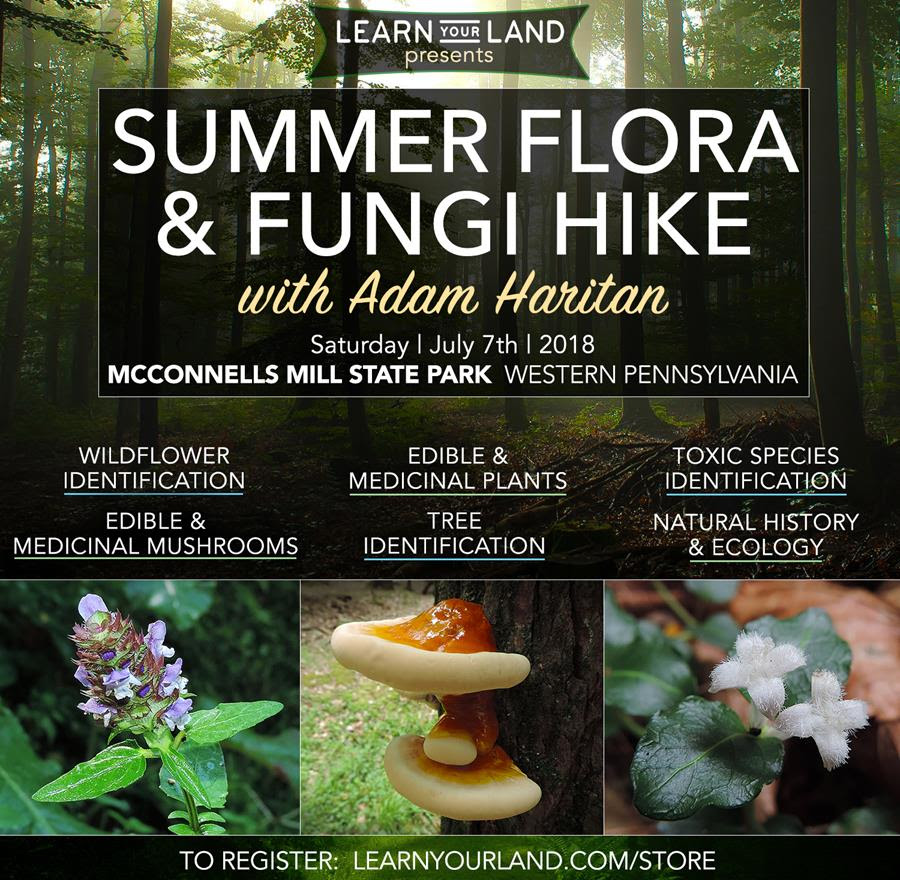
I am excited to announce that I will be hosting the 2018 Summer Flora & Fungi Hike on Saturday, July 7th at McConnells Mill State Park in Western Pennsylvania… and, I’d love for you to join us!

Summer is the perfect season to explore Pennsylvania’s land in search of interesting and useful plants, trees, and mushrooms. McConnells Mill State Park — with its deeply-cut gorges, hemlock-lined ravines, whitewater currents, and historical landmarks — is a prime area for summer exploration.

While exploring the Slippery Rock Creek Gorge within the park, we’ll delve into a myriad of fascinating topics related to this season’s flora and fungi, including:

  • Edible and medicinal plants
  • Edible and medicinal mushrooms
  • Summer wildflower identification
  • Tree identification, along with edible and medicinal uses
  • Medicine-making using wild plants and mushrooms
  • Natural history and ecology of the area

… and more!

Interested? Here are more details:

What: Summer Flora & Fungi Hike at McConnells Mill State Park
When: Saturday, July 7th, 2018
Where: McConnells Mill State Park, Western Pennsylvania
Time: 9:30 AM – 12:30 PM OR 1:30 PM – 4:30 PM

The program is geared toward adults and will entail moderate hiking (about 1.5 miles).

Please note that in order to maximize your learning experience, space is limited and registration with payment in advance is required to secure your spot.

To purchase your ticket, and to learn more about the outing, please visit the following link and choose the appropriate session:

Summer Flora & Fungi Hike with Adam Haritan

I’d love to see you there!
-Adam Haritan