Making Potpourris for Yule Celebrations {DIY Recipes Included}

Crooked Bear Creek Organic Herbs's avatarGood Witches Homestead

Potpourris {‘fermented in a pot’.}

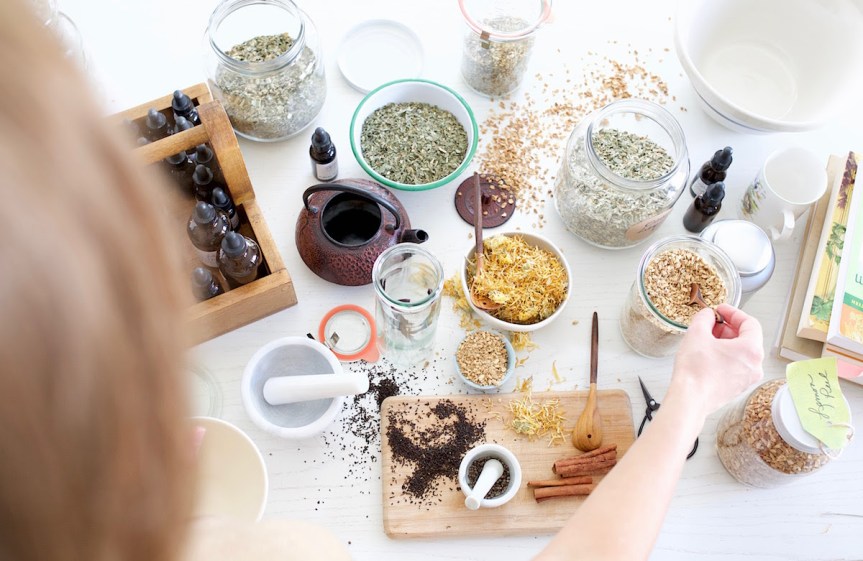
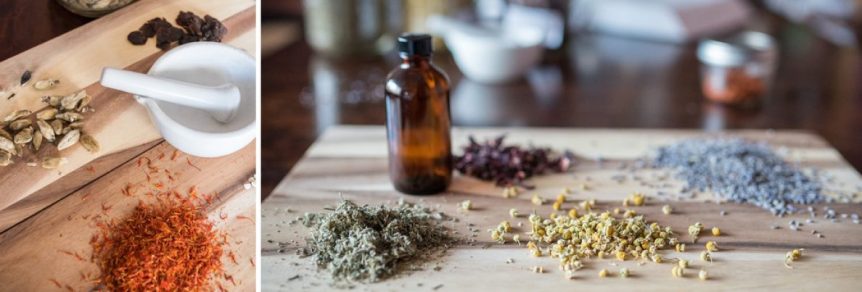
The term potpourri (pot-pour-ri) is basically a French expression. When literally translated into English, it denoted ‘fermented in a pot’. And this is what actually makes a damp potpourri – a moist, aromatic, herb-like substance that is fermented, normally with salt and in a pot. The dry potpourri, a companion of moist potpourri, is a blend of dried up aromatic herbs, spices, flowers, and additional bits and pieces. The majority of the dry potpourris do not contain any salt and the method of making them is easy in comparison to the process involved in making moist potpourris.

The ingredients of any potpourri – dry or moist, largely depend on the preference of the individual making it. In fact, one has a great scope of experimenting while making a potpourri. Since the aptitude to distinguish scent as well as the individual reaction to aroma is an…

View original post 3,709 more words

The Lessons of Nature at the Winter Solstice

Dana's avatarThe Druid's Garden

In the fall, I always feel like I’m fighting against the coming dark at the time of the winter solstice, and each year, I have to learn the lesson anew.  This year proved particularly challenging for a few reasons. After the time changes at Daylight Savings time, and the sun starts setting at 3:30pm.  It is down by 4:30 and completely dark by 5:15pm. As a homesteader, in preparation for spring planting and the winter to come, there always seems to be so much to do.  Bringing in the harveset, preparing the greenhouse, preparing and clearing garden beds, stacking wood, cleaning gutters, shoring up the hen house, and doing all of the necessary multitude of other preparations for the coming winter.  As the fall deepens, each day, the light continues to wane, and there is less light each day to work with. On many days when I go to work…

View original post 1,604 more words

Black Cumin Seed Oil

Crooked Bear Creek Organic Herbs's avatarCrooked Bear Creek Organic Herbs

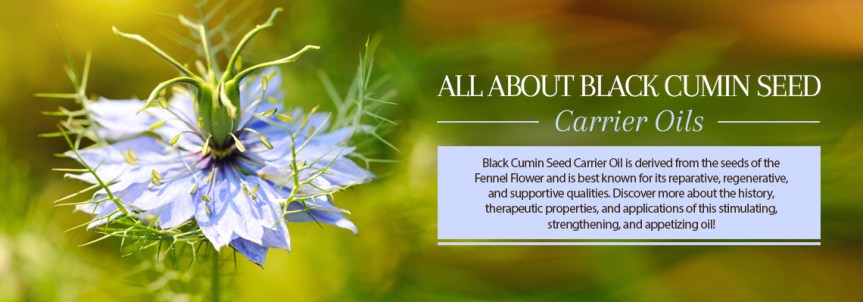
Gaining popularity these days as a weight loss aid and natural healing agent, black cumin seed oil comes with a centuries-old wellness pedigree. Black cumin seeds were popular among the Egyptian pharaohs and were even found in King Tutankhamun’s tomb. Black cumin seed oil — sometimes called black seed oil — boosts the immune system, promotes balanced blood sugar and cholesterol levels, and wards off harmful organisms. The book of Isaiah in the Bible mentions cumin (caraway) seed, and reportedly, the Prophet Mohammed said, “Hold on to the use of the black seed for indeed it has a remedy for every disease except death.”

What Is Black Cumin Seed Oil?

Black cumin seeds come from the plant Nigella sativa, which is part of the buttercup family and native to countries throughout southern Europe and southern Asia. Some people call it black seed, caraway, or kalonji.

Black cumin seed oil…

View original post 1,791 more words

This Wild Edible Winter Mushroom Has A Deadly Look-Alike

Greetings!

First, I want to say “thank you!” to everyone who purchased a medicinal mushroom tincture last week during the online sale.  I didn’t expect this to happen so quickly, though I sold out of my entire inventory and no longer have any products in stock.  If you’re interested in purchasing medicinal mushroom tinctures, I will have more available toward the end of January.

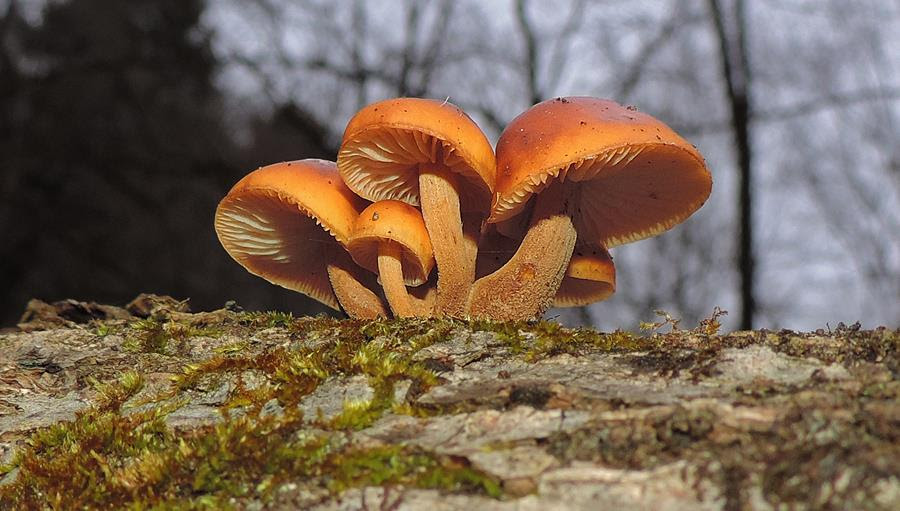
Second, let’s talk about Enoki — a wild edible mushroom you can forage during the coldest months of the year.  This fungus, also known as Enokitake and Velvet Foot, is often overlooked in the wild due to its smaller size.  Interestingly, Enoki is cultivated on a commercial scale and can also be purchased in many grocery stores.

Before you begin your search for wild Enoki mushrooms, however, there’s one thing you should know.

Enoki is not the easiest mushroom to positively identify.  It resembles several other LBMs (little brown mushrooms) that grow in similar habitats during similar seasons.  To make matters a bit riskier, some of these LBMs are very toxic.

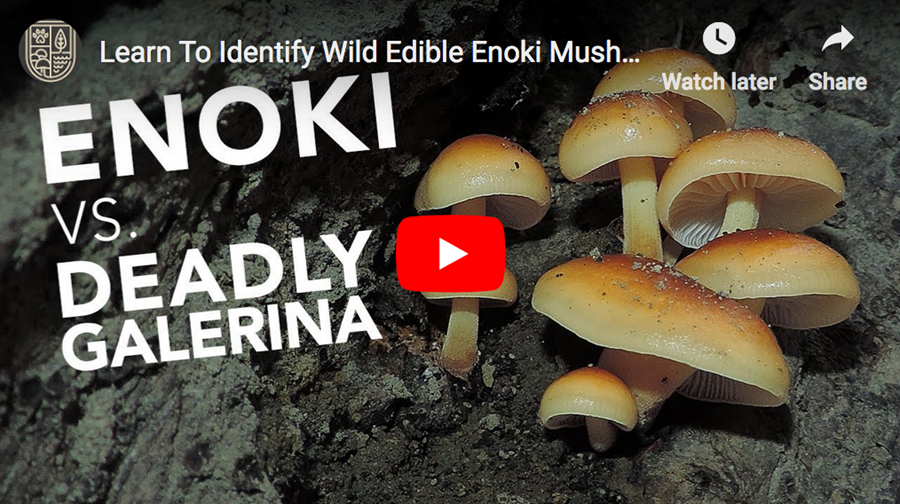
In this new video, I share some tips on positively identifying the wild Enoki mushroom.  I also compare and contrast this species to the Deadly Galerina — a poisonous LBM that could be confused for the edible Enoki mushroom.

If you’re interested in safely and confidently harvesting wild edible mushrooms this winter season, check out the brand new video!

Have you seen any brightly colored fungi recently?  Plenty, including Mock Oysters, can be found even during the remaining days of autumn.  Check out this recent Instagram post to learn more!Click to view post

Thanks for reading and watching, and as always, thank you for your support!

-Adam Haritan

Herb Gardener Gift-Giving Idea: Hori-Hori

The Herb Society of America's avatarThe Herb Society of America Blog

I’ve asked five blog contributors to share their favorite herb-related gift ideas.  HSA’s blog will be running one per day during the first week of December. – Paris Wolfe, Blogmaster

By Beth Schreibman-Gehring, Chairman of Education for The Western Reserve Herb Society unit of The Herb Society of America

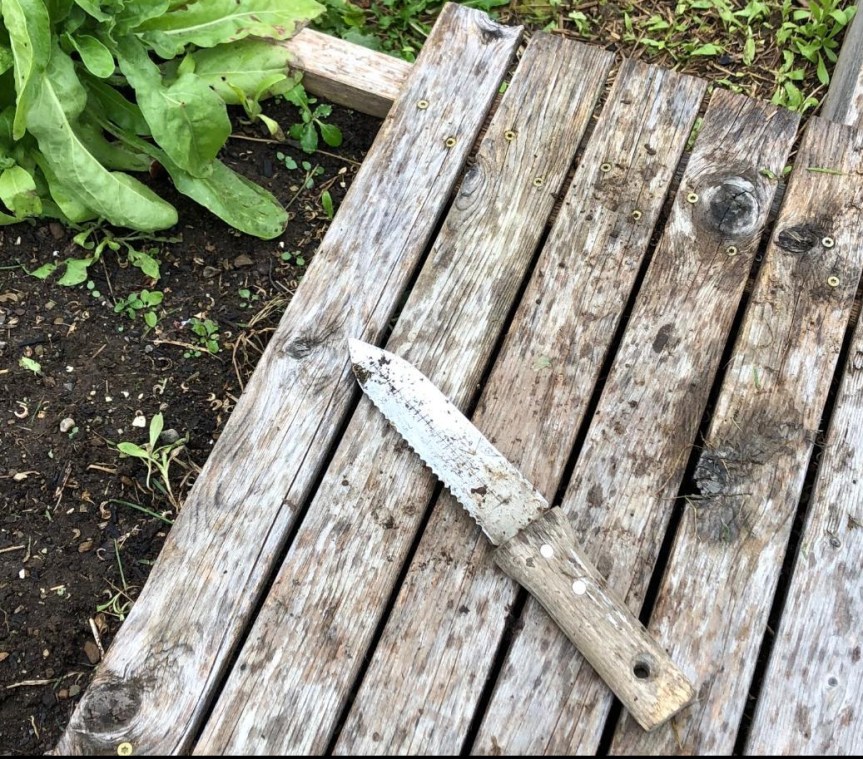
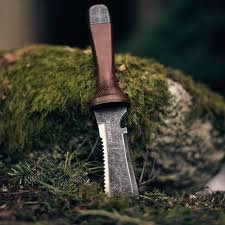
image2My father had over three acres of the most glorious organic gardens, filled with historic roses, lilies, and every kind of beautiful perennial and herb imaginable. I remember perfect summer evenings when he’d wander his gardens with a cocktail in one hand and a sprinkling hose in the other. He taught me everything I know about growing beautiful gardens organically and with a minimum of intervention.

The funny thing about my father is that he didn’t have a garage full of tools. He wasn’t into the latest, greatest gardening anything, well except for permaculture which really isn’t a latest and greatest secret…

View original post 212 more words

Bittersweet … A Tale of Two Sisters

The Herb Society of America's avatarThe Herb Society of America Blog

By Kathleen M Hale, Western Reserve Herb Society

The Sisters’ Shame
We were two daughters of one race;
She was the fairest in the face.
    The wind is blowing in turret and tree.
They were together, and she fell;
Therefore revenge became me well.
    O, the earl was fair to see!

Alfred, Lord Tennyson

bittersweetA lot of legends of magic, revenge and sorcery begin with two sisters. Sometimes they are friends.  Sometimes they are rivals.  But an unspoken message in many stories is, “Don’t pick the wrong one!” Increasingly, North American gardeners are finding themselves faced with this dilemma.  The choice may be between a native plant and its sometimes seductive, sometimes invasive sister, introduced from elsewhere.

Bittersweet gives us such a story. American bittersweet, Celustrus scandens, is seen everywhere this time of year in wreaths and dried arrangements. It has tiny vivid orange fruits…

View original post 434 more words

Home-Grown and Wildcrafted Smudge Sticks: Plant List and Recipes

Dana's avatarThe Druid's Garden

Basket of newly made smudge sticks Basket of newly made smudge sticks

Creating homemade smudge sticks with local ingredients is a wonderful activity to do this time of year.  As the plants die back, you can harvest whatever you aren’t using for other purposes and create a number of beautiful smudges that can be used for many different purposes: clearing, honoring spirits, protection, setting intentions, letting go, bringing in, preparing for ritual or mediation, and much more.

A few years ago, I wrote an initial post on homemade smudge sticks using local ingredients–this has become my most popular post on my blog.  Given that, I wanted to offer a follow-up post with some additional information and share a few smudge stick recipes for specific purposes. For initial instructions on how to make your sticks, please see my first post.  This post expands the plant list that you can use to make smudges and also offers…

View original post 2,497 more words

Making Smudge Sticks from Homegrown Plants and Wildharvested Materials: Step by Step Instructions with Cedar, Rosemary, Sage, Mugwort, and More!

Dana's avatarThe Druid's Garden

I recently posted about my research on Eastern White Cedar, and I wanted to follow-up that post with information on making smudge sticks, inspired by Eastern White Cedar. Smudge sticks are bundles of herbs that are dried and burned for purification and ceremonial uses. They come out of Native American traditions, but today they are broadly used by many for their purification purposes.  I use them as a druid in my ceremonies, to bless and cleanse my house, to cleanse outdoor spaces that are in some kind of energetic funk.  But I also use them practically–as a blessing for my garden at the start of the growing season, as a way to remove hostile energies from my chickens who aren’t getting along, or to pass among friends before sharing a meal.  They are a great way to bring a bit of ceremony and the sacred into the everyday.

Freshly Wrapped Smudges Freshly Wrapped…

View original post 2,564 more words

6 LUNG HERBS for the BODY & MIND

Let’s Create Some Herbal Remedies – When Cold and Flu Season Arrives.

Crooked Bear Creek Organic Herbs's avatarCrooked Bear Creek Organic Herbs

These two recipes are prepared as teas but are not taken in your tea cup – they help with the discomfort of flu season in other ways.

Winter Inhalation

living-herbs-for-cold-flu-thymeThis traditional herbal steam helps open your sinuses, discourages bacterial and viral growth, and reduces pain and inflammation. Remember to stay a comfortable distance from the steaming pot to avoid burning your face.

8 – 12 teaspoons fresh or 4 teaspoons dried eucalyptus leaf {Eucalyptus globulus}

2 – 3 tablespoons fresh or 1 tablespoon dried peppermint leaf

2 – 3 tablespoons fresh or 1 tablespoon dried thyme herb

3 cups purified water

Essential oils of the herbs above {optional}

Place the eucalyptus, peppermint, thyme, and water in a saucepan and stir to thoroughly combine. Bring to a boil, reduce the heat, and simmer, covered, for 5 to 10 minutes. Remove from the heat and uncover. Drape a large towel…

View original post 371 more words