Getting Spooky | Full Blue Crone Moon Hag’s Candle DIY Ritual

Full Blue Crone Moon Hag’s Candle DIY Ritual

This Full Moon is our second Full Moon this month making it a Blue Moon. Full moons offer us illumination and insight. Our intuition is increased and our third eye is open at this time. A Blue Moon offers us a second chance towards illumination.

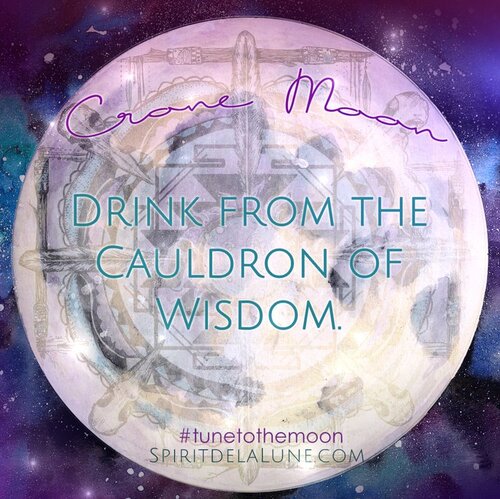
This is also the Crone Moon and Samhain. The Crone Moon represents ancestral wisdom, intuitive knowing and crone energy. On this Samhain Full Moon, the veil is at its thinnest, and our intuition is at its strongest.
Full Blue Crone Moon Hag’s Candle DIY Ritual

The word Samhain means “Summer’s End.” It marks the end of the harvest season, and acts as a way to celebrate the darker months ahead.

A great way to celebrate this time of year is by tapping into fire magick.

Making a “Hag’s candle” on Samhain to be used in the coming winter helps us tap into the Crone Moon energy while we prepare for colder and darker months ahead.

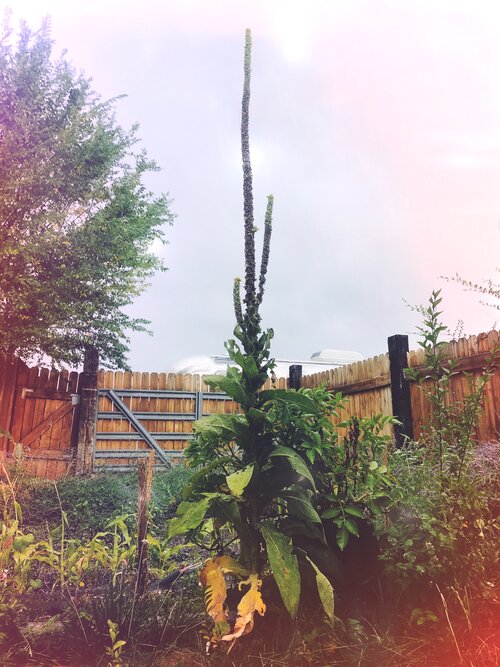
A Hag’s Candle is a candle made from the stalk of a mullein plant.

Mullein is a wild plant that grows almost everywhere. Mullein is great for the lungs, stomach and infection. In folklore, Mullein is said to keep away evil spirits. It offers protection, illumination, courage and crone magick.

Read original article at: Spirit de la Lune ~ Getting Spooky|Full Blue Crone Moon Hag’s Candle DIY Ritual

HSA Webinar: Molé, Pan and Chapulin–Oaxacan Style

The Herb Society of America's avatarThe Herb Society of America Blog

by Jen Munson, HSA Education Chair

Face it, 2020, for the most part, has been a bust! The pandemic has cancelled events, reduced travel, and all but eliminated herbal adventures. As we dream of a future where we can begin to move about the globe more easily and safely, now is the perfect time to research new destinations. mapInterestingly, just south of the US border in Mexico there is a unique community that is home to sixteen distinct indigenous peoples living in a mild climate, enjoying unique botanic diversity. 

Oaxaca, Mexico, is a community known for its culture, crafts, textiles, ceramics, cuisine, and complex use of plants. While Mexico is known for its Day of the Dead celebrations, Oaxaca offers the most spiritual and unique Dia de los Muertos Celebrationcelebrations of them all. The Day of the Dead festival (or Dia de los Muertos) is celebrated from October 31st thru November 2nd. During this…

View original post 259 more words

HSA Webinar: Hamlet’s Poison: The Mystery of Hebanon & Shakespeare’s Other Deadly Plants

The Herb Society of America's avatarThe Herb Society of America Blog

By Jen Munson, HSA Education Chair

‘There’s rosemary, that’s for remembrance; pray, love, remember: and there is pansies. that’s for thoughts.’ (Hamlet 4.5.248)

William Shakespeare’s poetic plays are filled with dramatic imagery and references to plants, herbs, trees, vegetables, and other botanicals. Shakespeare’s awareness of the botanical world was near the level of herbalists of that period, and the use of plants throughout his plays is done with unparalleled sophistication. They are used to enhance ideas and describe characters, as well as for metaphors. For example, Hamlet describes the state of Denmark as “…an unweeded garden / That grows to seed; things rank and gross in nature” (Hamlet 1.22.134-136). 

Plants are used for evil doings and central plot development. They are transformed into potions that are  lust invoking, (Viola tricolor in Midsummer Nights Dream), sleep inducing (Atropa belladonna in Romeo and Juliet), and as poisons…

View original post 246 more words

Herbal Hacks, Part 1: Food and Drink

The Herb Society of America's avatarThe Herb Society of America Blog

We asked and you delivered! Over the summer we asked folks to share how they used herbs to make their lives easier or more fun. We received many great responses, and want to thank everyone who contributed a little snippet of herbal how-to. We received so many responses, in fact, that we’ve decided to offer them in installments, categorized by topic for easy reference. Please enjoy this week’s selection – herbs in food and drink.

Violet banner_Creative Commons via Pxfuel

I love to use fresh herbs as drink garnishes and in ice cubes. Edible flowers and leaves enhance my beverages, from my morning smoothie to my afternoon glass of wine! – Janice Cox

Dried blue cornflower petals sprinkled over salads – or as a garnish on other foods – for a beautiful blue punch of color! Flowers are harvested each year from my garden at the end of a hot day, dried on white cotton…

View original post 687 more words

Natural Perfumery Course

Crooked Bear Creek Organic Herbs's avatarGood Witches Homestead

Blending your own botanical perfume is a delightful, time-tested way to infuse both your home and your body with the plants you connect with most. A true breath of fresh air, the Natural Perfumery Course will empower you to form a new type of relationship with plants—a relationship that lets the plants speak for themselves with woodsy whispers, herbaceous harmonies, and smoky secrets. As the conductor of this olfactory orchestra, you will blend, infuse, tinker, and spritz your way to custom scent combinations for you, your herbal product line, and everyone on your gift list.

The Natural Perfumery Course includes all the information you need to start blending your own botanical perfumes at home today, including over 20 recipes, a special collection of perfumery plant monographs, simple rituals for incorporating them into your lifestyle, expert guidance, and beautifully illustrated downloads for safety, sustainability, techniques, and more. 


Follow your nose and enroll in the Natural Perfumery Course by Herbal Academy

Choose to enroll in…

View original post 23 more words

Getting Results with Herbs, a free training with Rosalee de la Forêt

Crooked Bear Creek Organic Herbs's avatarCrooked Bear Creek Organic Herbs

We are thrilled to share with you that Learning Herbs will open their registration this morning for Taste of Herbs with herbalist and best-selling author Rosalee de la Forêt who has created a transformative online training.

Rosalee writes and teaches with such substance, and depth, but also makes it very easy and practical for people to understand.  In Rosalee’s ‘Taste of Herbs’, she has a way of showing people how to understand and apply the energetics of herbs to every day herbalism and it is quite brilliant.

Click here to register!

Source: Getting Results with Herbs, a free training with Rosalee de la Forêt

View original post

Fresh Flower Crowns and Flower Garlands: Step by Step How-To Guide

Dana's avatarThe Druid's Garden

A woman hikes up to a sacred spring that she visits at least once a season.  From her small bag, she pulls out a beautiful crown of flowers that she had lovingly crafted before leaving home.  Placing the crown upon her head, she dances and sings around the spring, drinking deeply and celebrating life on this early fall.  As a sign of respect and offering, she hangs the flower garland near the spring and carries her sacred water back down the mountain.

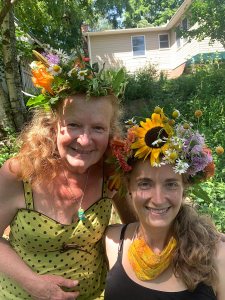
Family wears crowns I made at the bridal shower

I find it interesting that the ancient art of flower crowns garland making is almost non-existent today, at least here within the US.  This tradition has so much potential. The only people who I’ve seen make these delightful crowns are children, who haven’t yet lost their magic or wonder about the world.  And yet, garlands and flower crowns, are…

View original post 1,482 more words

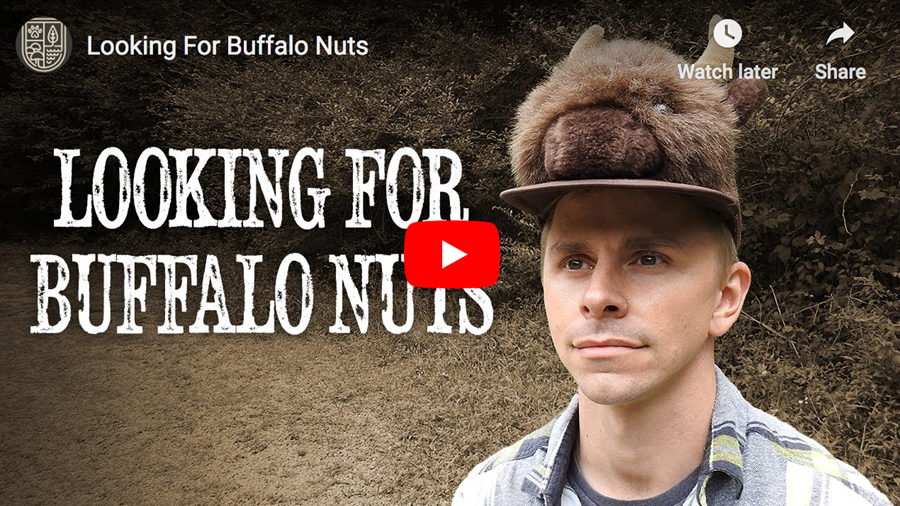
Looking for Buffalo Nuts (New video!) + Nature Photography Workshop

Greetings,

Some plants are easy to find.  Other plants require time, turnpike tolls, and chance encounters with botanists’ field notes in order to pinpoint their precise locations.

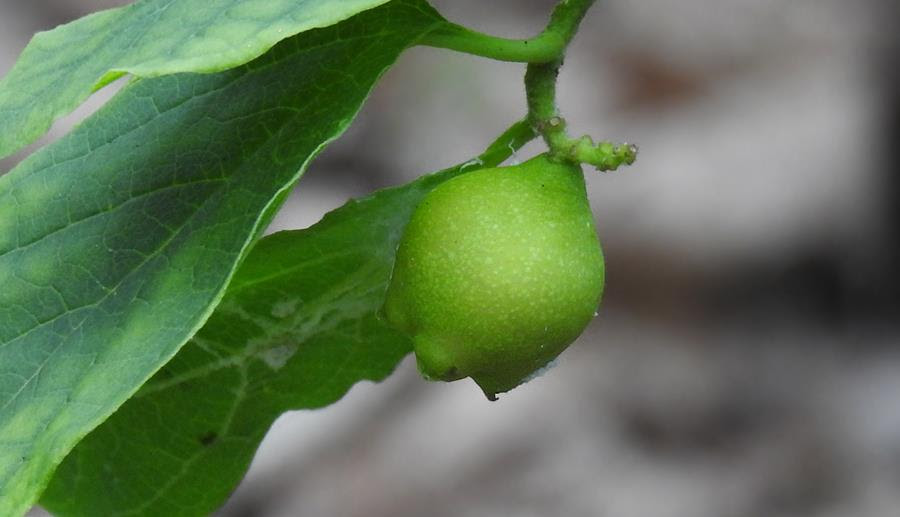
Buffalo Nut, an understory shrub with a rather bizarre lifestyle, falls into the latter category.

My first encounter with Buffalo Nut took place more than 5 years ago.  Since that initial sighting, I had never seen the plant again.

A few weeks ago, I came across a list of plants that a few botanists had compiled regarding the flora of certain forests.  One of those forests was located in the southwestern portion of the state, and one of the plants included on the list was the elusive Buffalo Nut.

Intrigued, I decided to plan a visit to this forest in search of Buffalo Nut, though because I was quite unfamiliar with the area, I knew that I’d be embarking on a small-scale adventure.  What excited me the most was finding its fruits, because years ago when I first discovered the plant, I had only witnessed it in flower.

The trip was planned, though the questions remained.  Would I find the fruits?  Would I even find the plant?  Why are turnpike tolls so expensive?

In this brand new video, I recount the story of my recent adventure in search of an unassuming denizen of the forest.

Click here to watch the video.

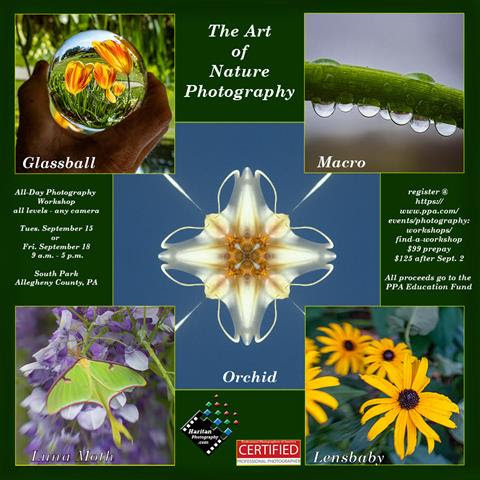
If you are interested in learning artistic nature photography skills, there are two upcoming opportunities to learn directly from an expert in the field.  Michael Haritan (my father) is a photographer with over 30 years of experience.  He will be teaching two separate classes in southwestern Pennsylvania (Allegheny County) on the techniques involved in using the camera to create images worthy of artistic merit.  If you are interested in taking your photography skills to the next level, these all-day classes are definitely worth the investment.

Thanks for reading and watching, and thanks for your continued support!

-Adam Haritan

A Weed Lover’s Manifesto

The Herb Society of America's avatarThe Herb Society of America Blog


By Andrea Jackson

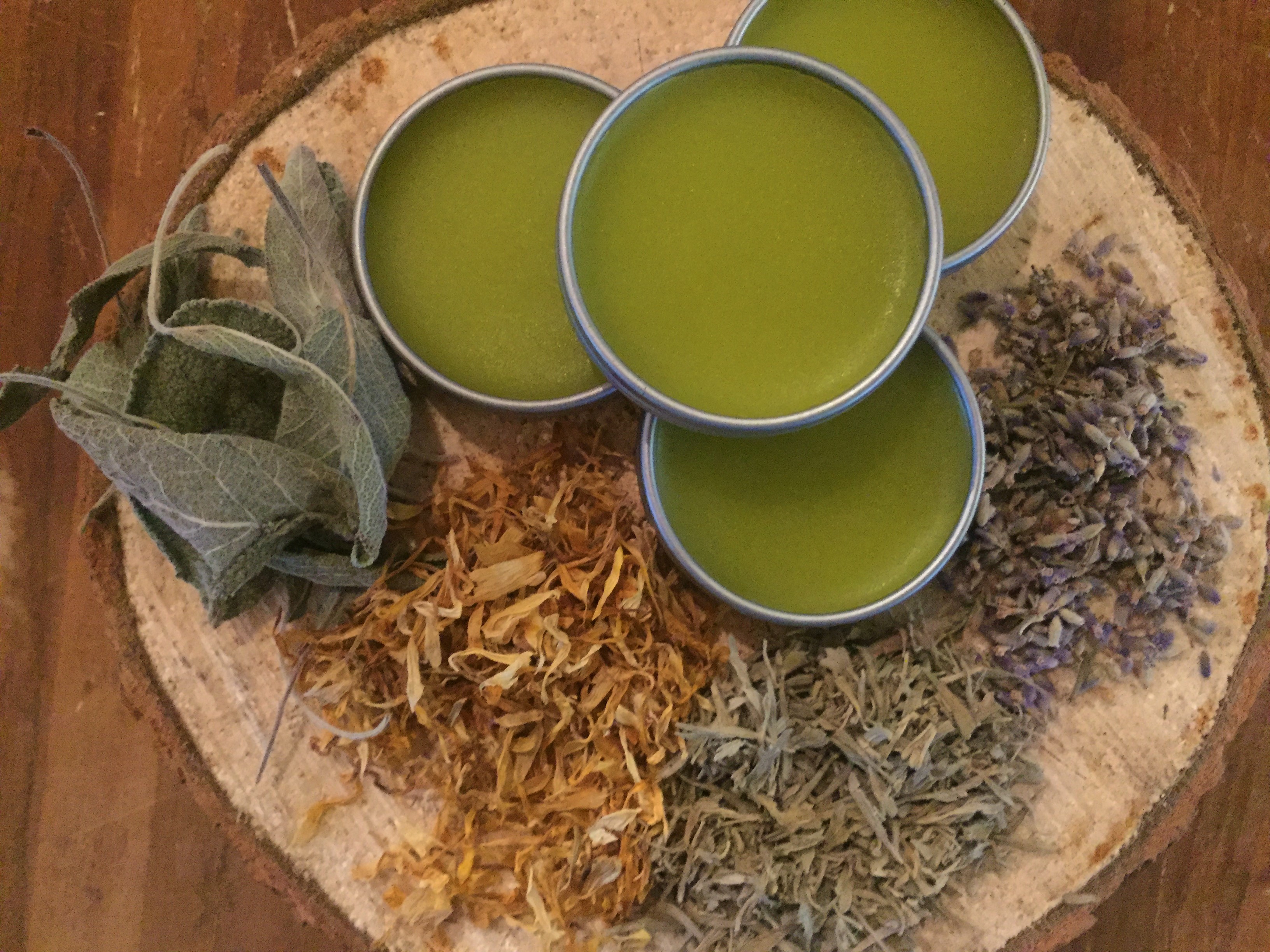
I love weeds. There, I said it.  Don’t worry, I do pull them (there’s a reason why they’re called weeds, after all), but I am much more likely to make a tincture or a salve or something good (yes, good) to eat than to discard them completely.

After all, weeds were really the first herbs. Emerson said “weeds are but an unloved flower.” They have also been called a plant out of place. Consider a field of commercial dandelions with a single forlorn rose bush growing in the middle. Now which one is the weed?

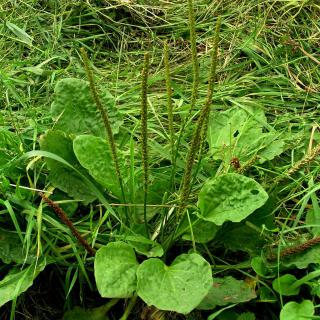
Plantago_major_SZ356869_Freshwater_MCotterill_IWNHASWeeds tell wonderful stories, and as we learn them, they take us on a journey to discover where they came from and how they came to be who they are today. 
For example, there’s the common broadleaf plantain (Plantago major). Broadleaf plantain is everywhere, which is a good thing for…

View original post 584 more words

HSA Webinar: A Recipe for Success

The Herb Society of America's avatarThe Herb Society of America Blog

By Bevin Cohen

I’ve long been amazed by the generous bounty offered to us by Mother Nature. Even as a young boy picking wintergreen berries in the woods, I just couldn’t believe that these tasty treats were available for me to enjoy, in quantities greater than I could ever consume, and the only cost was an afternoon in the shady forest, harvesting the luscious fruits as I listened to the melodious whistling of the birds and the occasional scurried sounds of a startled chipmunk or squirrel. 

As an adult, my appreciation for Nature’s endless gifts has only deepened, and I find IMG_1408myself preaching her message of abundance to anyone willing to listen. Through my work as an author, herbalist, and educator, I’ve been placed in a unique position to share my knowledge, experiences, and passion with audiences the world over, and the core of my message has always remained the…

View original post 517 more words