Land Healing at the Druid’s Garden: Replanting, Forest Healing, and Refugia Update

Dana's avatarThe Druid's Garden

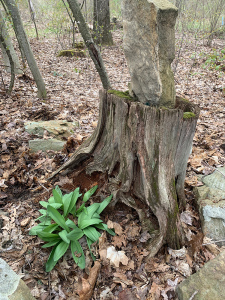
Ramps planted in my Grove of Renewal

Today I wanted to take some time to share some of the updates on the land healing and permaculture practices we are enacting at the Druid’s Garden Homestead.  As I’ve shared in earlier posts, when we purchased this land four years ago, the family who owned it just before us selectively logged about 3 acres, leaving the forest an absolute mess.  The land otherwise was perfect–we have our own spring, a nice sunny area for gardens….and three acres of land in desperate need of healing.  Since land healing is one of my primary forms of spiritual practice, I rolled up my sleeves and purchased the land! As this ongoing land healing project takes shape, I try to check in on the blog every once in a while to share new insights, techniques, and experiences.  Today I want to spend some time offering updates…

View original post 2,117 more words
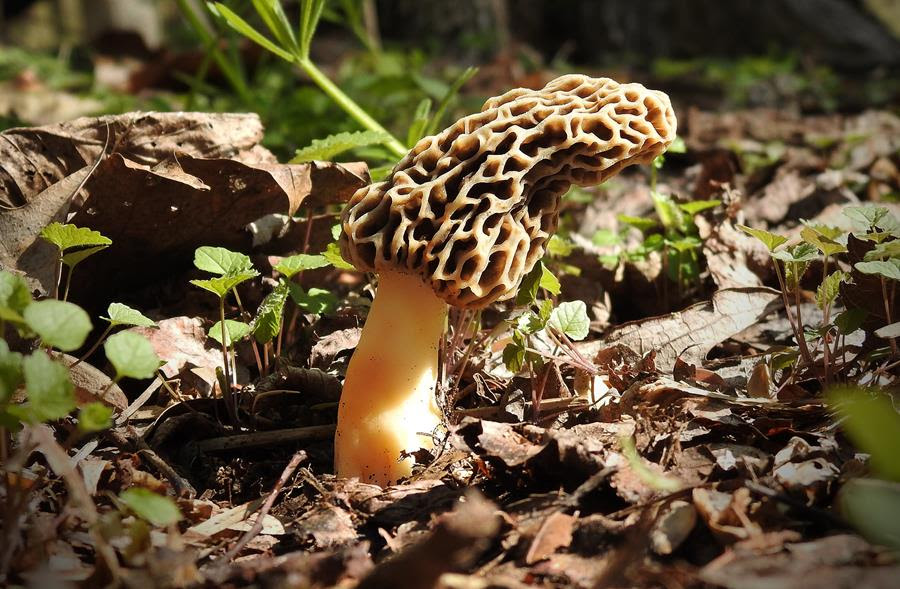
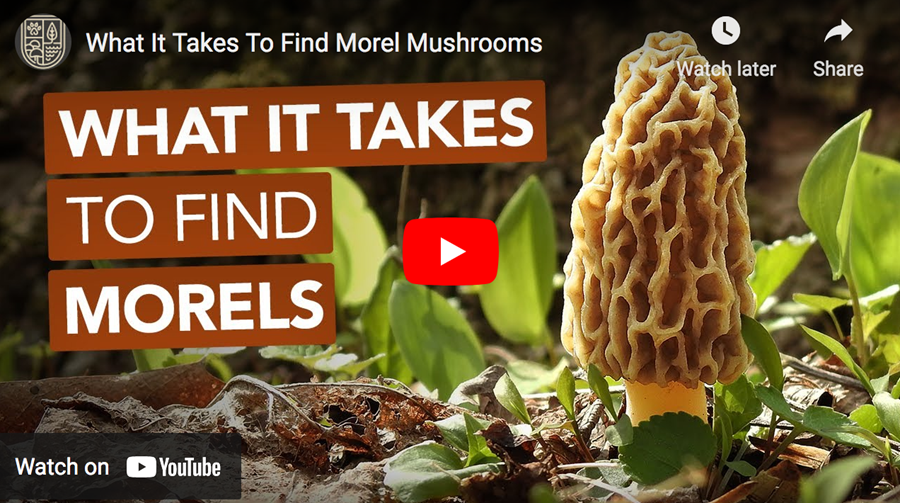
What It Takes To Find Morel Mushrooms

Experience has shown me that morel mushroom hunting involves no less than three general factors.

Luck.

Like a first-time bowler who bowls a 200 game, some people find morel mushroom honey holes without even trying.

Skill.

This is a somewhat more predictable factor.  Without proper awareness of habitat, timing, and tree associations, a successful morel hunt will be impaired.

Persistence.

Any inveterate morel hunter will tell you that leg work is essential.  In order to consistently find, one must fearlessly seek.

During a recent excursion in the woods, I found several morels near elms and tulip poplars.  Instead of harvesting every mushroom and calling it a day, I decided to film a video and analyze the specific factors involved in finding such a bounty.

The following analysis parallels the specific points mentioned in the previous video (“6 Reasons You Can’t Find Morels”) in order to help you better locate these elusive fungi.

You can watch the brand new video here.

Experience has also shown me that encountering spring migratory birds can be just as exciting as finding morels.  This particular bird spent his winter in Central America and has recently returned to the wilds of Pennsylvania.  Have you seen him or heard his song?  Check out the latest Instagram post to learn more.Click to view post

I was a recent guest on the Awake Aware Alive podcast hosted by Jacob Gossel.  In this interview, we discuss many topics including how to read landscapes more effectively, the importance of learning directly from humans, and what I think about ticks.  You can listen to the interview through one of the following links:

Thanks for reading and watching, and thanks for your continued support!

-Adam Haritan

Pineapple Mint – Herb of the Month

The Herb Society of America's avatarThe Herb Society of America Blog

A Two-Color Mint

by Maryann Readal

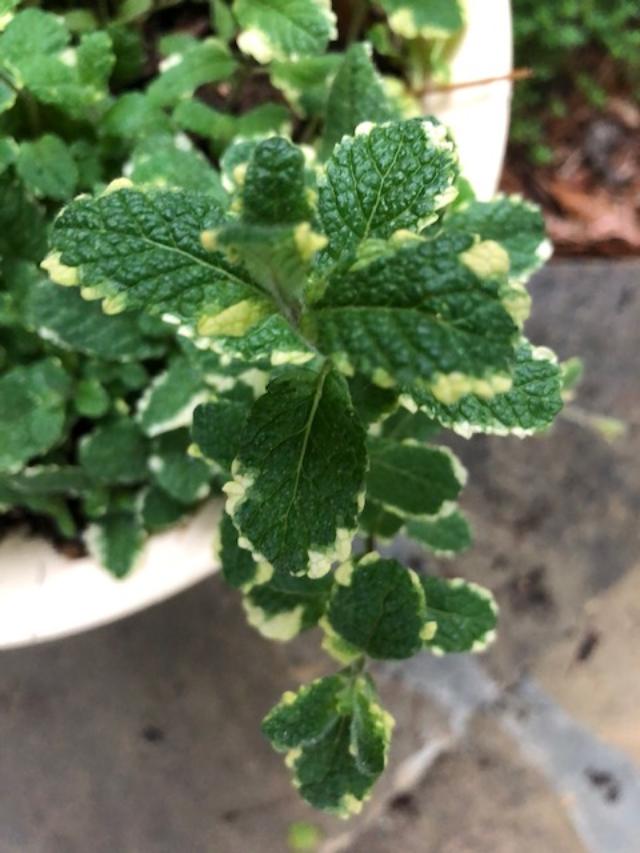
The Herb Society of America’s Herb of the Month for May is pineapple mint, Mentha suaveolens ‘Variegata’.

With its lime green leaves edged with a creamy white ruffle, pineapple mint is a perfect plant for the spring garden. This mint is a variegated cultivar of apple mint (Mentha suaveolens). However, its taste and smell does not remind one of apple mint. It has a sharp initial taste that fades into a light fruity flavor. Like other mints, pineapple mint thrives in a moist, rich soil. It does well in sun or in partial shade. In the south, it may need to be grown in partial shade. Also similar to other mints, pineapple mint can be a fast spreader, so containing it in a pot is a good way to control its growth. It is a nice plant to add to a hanging…

View original post 588 more words

Spring Plantain Herbal Infusion | The School of Aromatic Studies — Crooked Bear Creek Organic Herbs

It’s finally spring and all around there are cleavers, violet flowers, chickweed, plantain, and a few other early spring medicinal plants in the area around us. I am sure if you look around your yard or in a field yet to be touched by modern-day‘ weed killers’ you will stumble upon plantain.  Today we… Continue […]

Spring Plantain Herbal Infusion | The School of Aromatic Studies — Crooked Bear Creek Organic Herbs

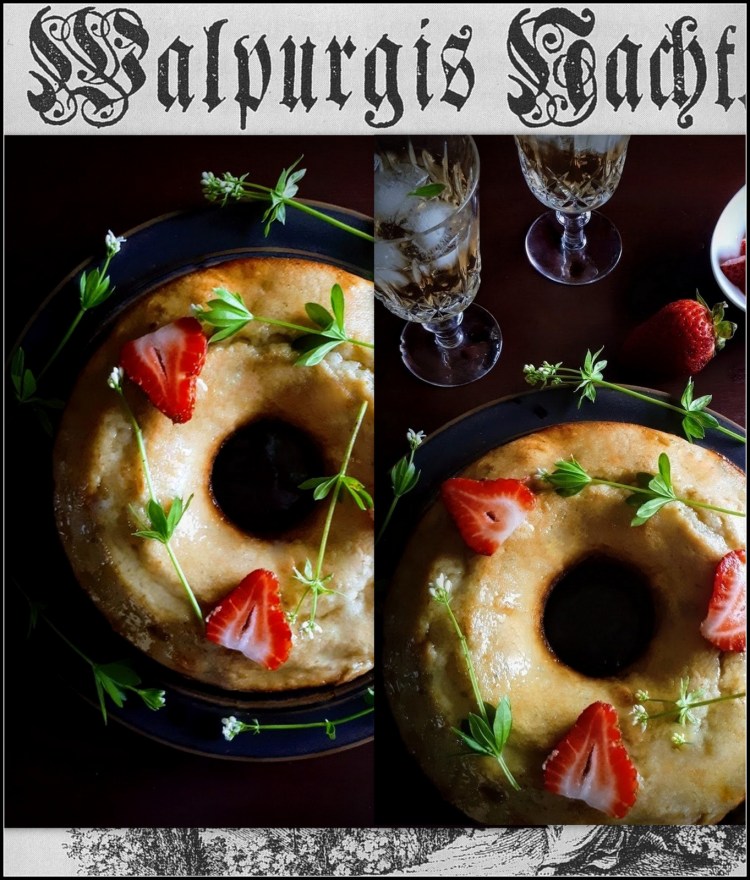
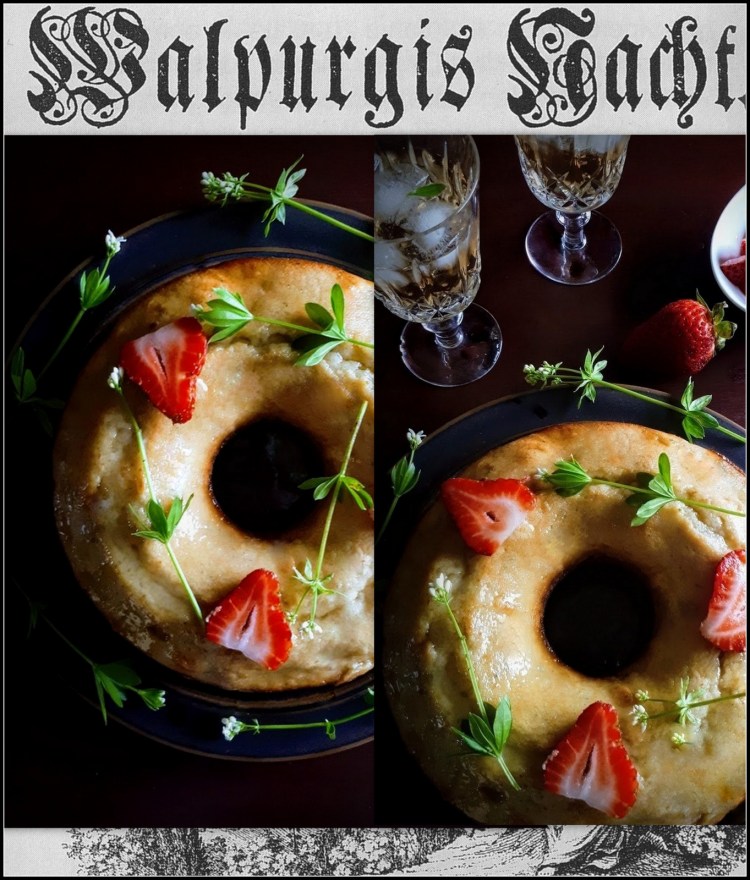
Bewitching Maibowle Cream Cake For Walpurgis Nacht (May Day Eve) – Gather Victoria

Crooked Bear Creek Organic Herbs's avatarGood Witches Homestead

Soon May Day Eve will be upon us – so I’m sharing this recipe posted last year at Gather Patreon. (Patrons will see a new recipe coming soon!) This Maibowle Cream Cake – made and…

Source: Bewitching Maibowle Cream Cake For Walpurgis Nacht (May Day Eve) – Gather Victoria

View original post

Welcoming Spring in the Year 1400

The Herb Society of America's avatarThe Herb Society of America Blog

By Zainab Pashaei

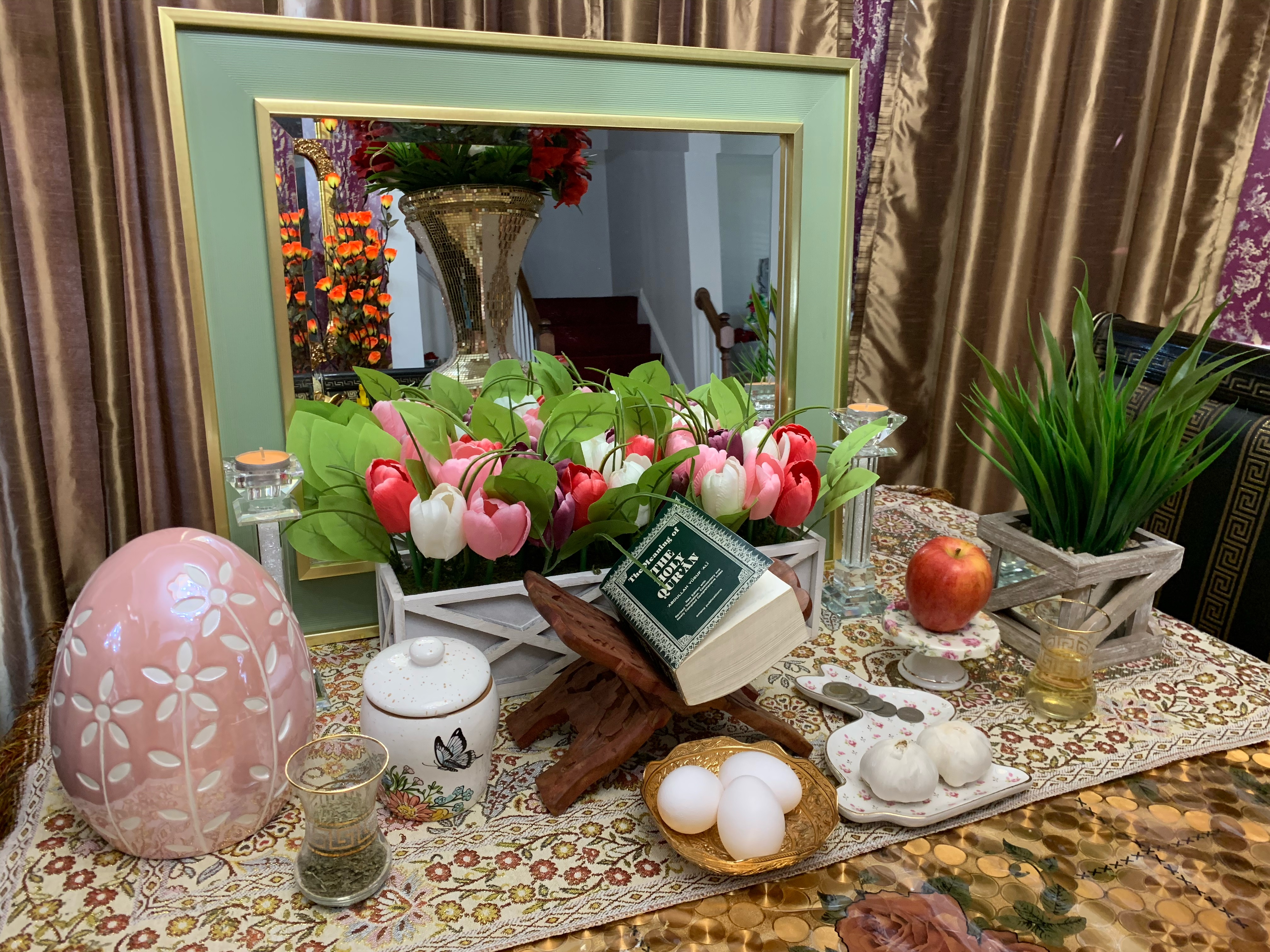
Haft-Sin tableI’m not talking about time travel. Nowruz—the equivalent of the New Year—was just celebrated on the spring equinox in Iran as well as in numerous other countries and among ethnic groups in the Middle East. In Iran, the first month of the year is called Farvardin, which began on March 20, 2021 (spring equinox). Although the year is specifically 1400 in Iran, Iranian traditions for Nowruz are thousands of years old and pre-date the emergence of Islam in the country. In contrast to Western nations, the importance of nature and spring plays a critical role in new year festivities of the nation. Many of these festivities are symbolic and involve herbs, nature, and light (fire).

JumpingDuring the festivities, which start on the Wednesday before the spring equinox, Iranians will gather and jump over fires and light fireworks in observance of Chaharshanbe Suri (loose translation =…
View original post 872 more words

Druid Tree Workings: Cutivating Recpiprocity

Dana's avatarThe Druid's Garden

White spruce resin, locally harvested from my land Norway spruce resin, harvested  with honor and reciprocity from the land

When I was still quite young, my grandfather used to take me and my cousins into the deep forest behind our house and teach us many things about nature.  One of the fun things he taught us, for example, was that you could use spruce gum or white pine resin not only as a chewing gum (something that gave us endless enjoyment) but also to cover over a cut to help heal it or draw out a splinter or stinger. I remember once day we were walking in the woods and I fell on the ground and scraped my knee quite badly on a rock.  He went to a nearby spruce tree and got some of the sticky resin, then carefully spread it on my knee and covered it with a tulip poplar leaf.  The resin stuck the leaf…

View original post 1,783 more words

The Incredibly Tasty Tulip: Chèvre Cheese Balls — Gather Victoria

I’m not sure about you but Vancouver Island is awash in tulips! From pale yellows, crimson reds, pumpkin oranges, deep purples, lustred pinks and snow-white, their luminous colours are stunning. The most unsung of tulips many spring charms, however, is her edibility. With flavours and textures as diverse as her colours, her blooms offer not…

The Incredibly Tasty Tulip: Chèvre Cheese Balls — Gather Victoria

Sacred Trees in the Americas – Spruce (Picea glauca, Picea pungens, Picea spp.)

Dana's avatarThe Druid's Garden

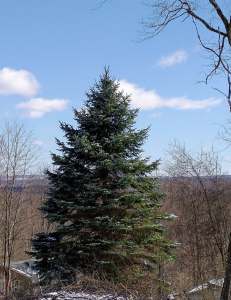
The beautiful blue spruce looking across the landscape The beautiful blue spruce looking across the landscape on a mountain in Western PA

When I lived in a walkable small town, what drew me every day was a line of beautiful blue spruce trees. Right around the corner from my house, they were on my daily walking commute to work.  We used to say hello and do an energy exchange each day. One day that following summer, I watched as the city landscaping people came through and ruthlessly cut them back away from the power lines (they were not growing even close to the lines) and I held space for the trees. Over the next few months, those trees began to heal, and they produced copious amounts of amazing tree resin as a first line of defense.  In the years that followed, eventually, the resin grew hard and the trees invited me to harvest small amounts that could be…

View original post 3,220 more words

HSA Webinar: Shedding Light on the Solanaceae: An Exploration of Our Relationship with Nightshades

The Herb Society of America's avatarThe Herb Society of America Blog

by Jen Munson, HSA Education Chair

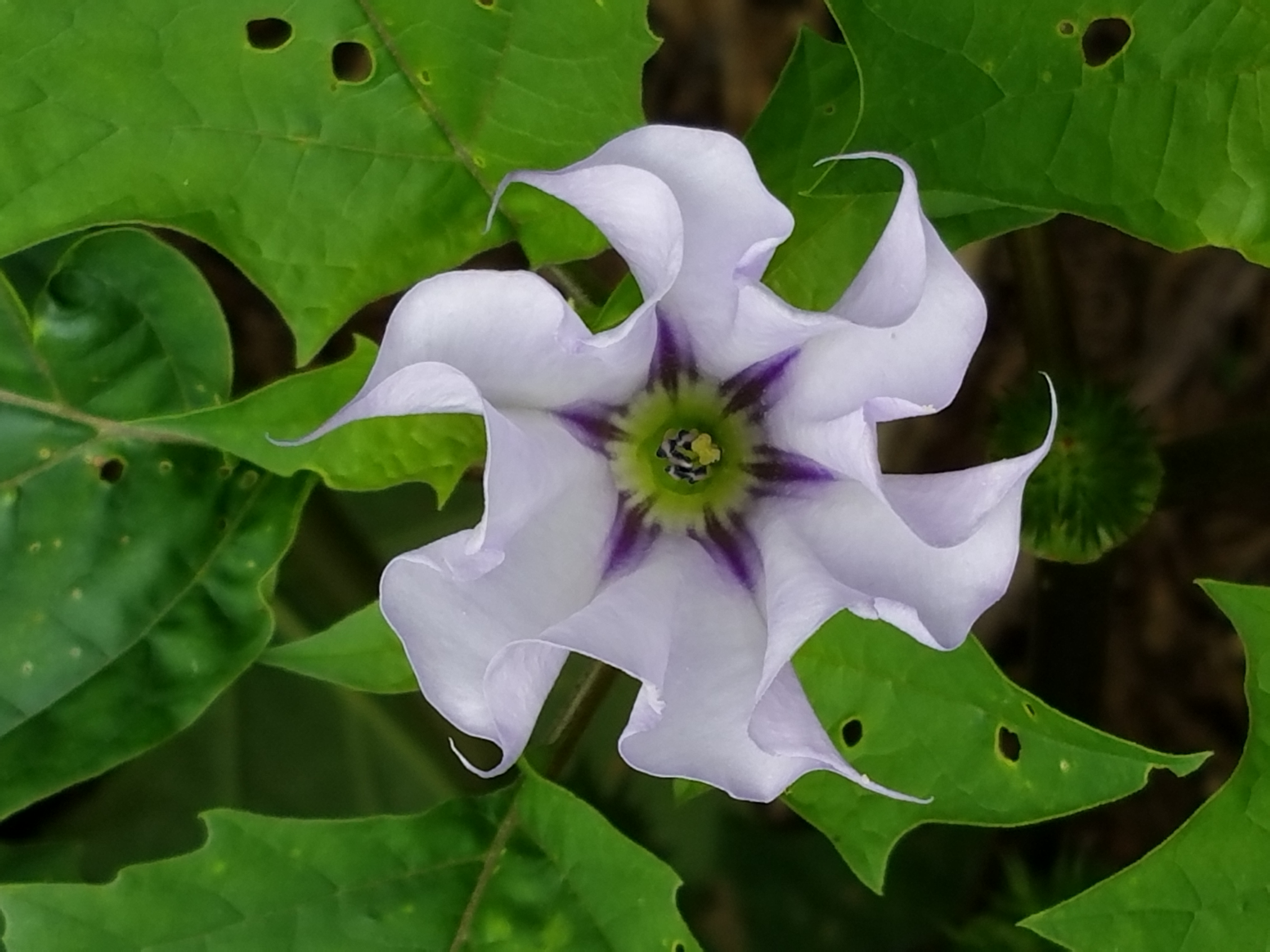
20170811_093151The nightshade family of plants sounds ominous  – how could it not with the use of the words night and shade? The official name of this family is Solanaceae, and these plants are characterized by the shape of the flower, which in some cases feature near perfect pentagrams of petals, sepals, and stamens, and in others the petals are fused to form long tubes.
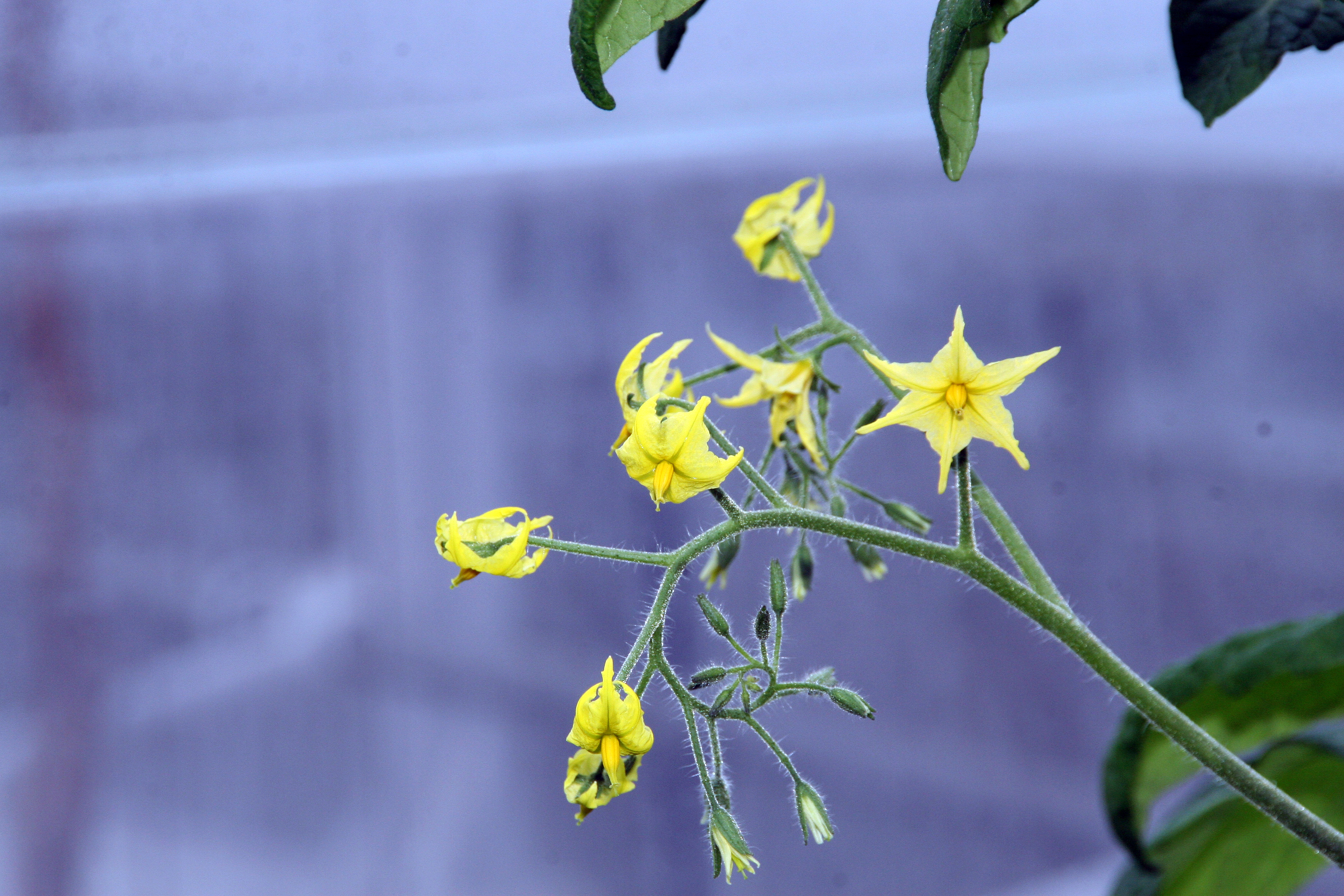
The Solanaceae features nearly 90 genera and 3,000 species, including some of humanity’s most important plants. You may be surprised to learn that many of our everyday foods fall in the nightshade family. These include hot and bell peppers, potatoes, eggplant, and tomatoes. To learn more, join HSA on April 13th at 1pm EDT when National Herb Garden gardener, Erin Holden, joins us for “Shedding Light on the Solanaceae: An Exploration of Our Relationship with Nightshades.” 

Lycopersicon_esculentum_Supersweet_100_0zz by David J StangAlthough many…

View original post 352 more words