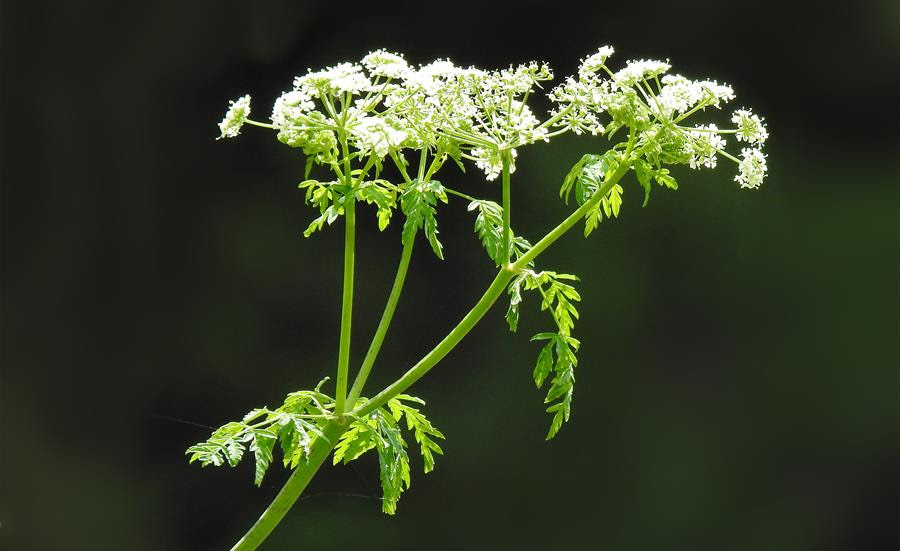

Poison hemlock gets an incredibly bad rap these days.
It’s weedy. It’s aggressive. And it’s lethally toxic.
Here in the United States, poison hemlock grows in almost every single state. Because many of us will inevitably encounter a naturalized population of poison hemlock, it’s important that we learn its key features and its effects on the human body.
The trend these days is to write scathing articles about poison hemlock where personal feelings eclipse objective information. Today, however, I’ll offer something different.
In a new video, I don’t get too angry talking about poison hemlock, but I instead try to remain fairly neutral when discussing its attributes.
If you’re interested in learning more about one of the most toxic plants in the world, check out the brand new video!
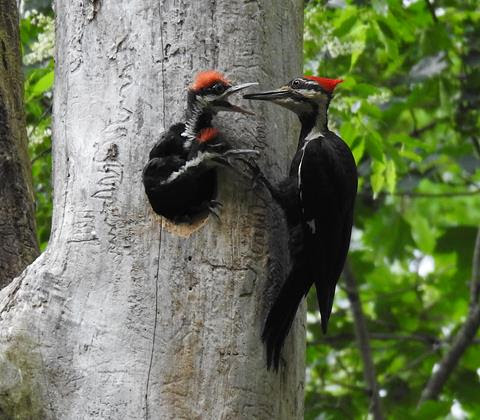
Last year, I stumbled upon a pileated woodpecker nest for the first time. Exactly one year later, I encountered a second site in a different location. To read about my recent experience, and to view more photographs of the nest, check out the latest Instagram post!Click to view post
Thanks for reading and watching, and thanks for your continued support!
-Adam Haritan

 Tea is the most widely consumed beverage in the world, after water. Countless books have been written about tea, which is the leaf product of this herbal shrub,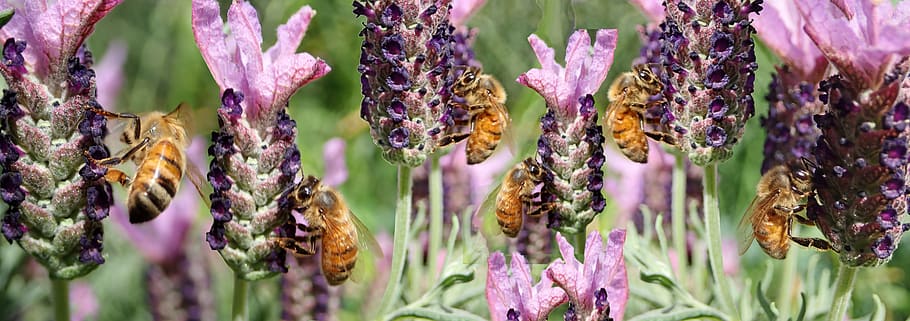
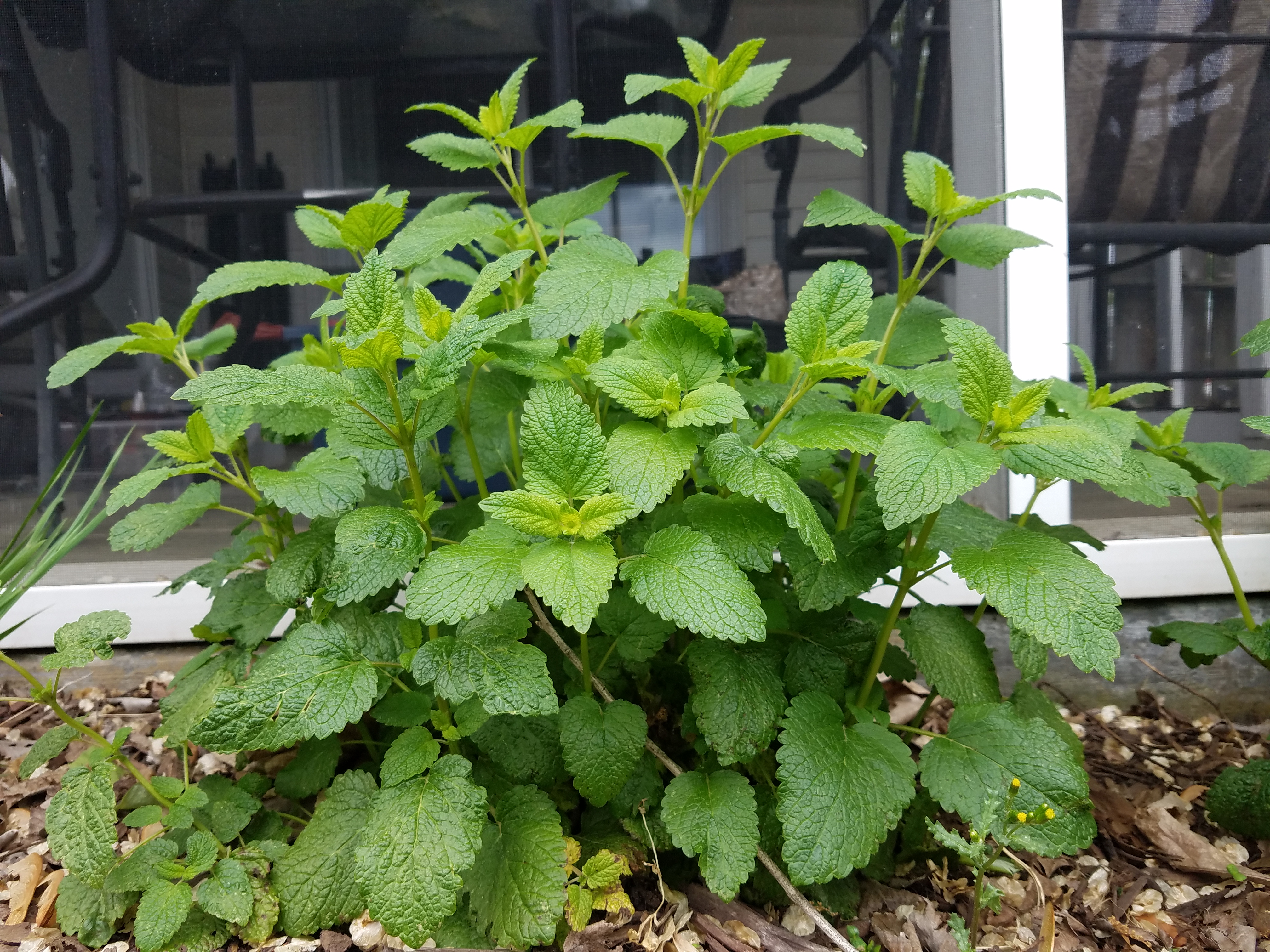 Got a big patch of lemon balm in the garden? Freshen up your sink disposal after trimming the lemon balm leaves to use in salads! Stuff the stems down the drain and whirr away for lemony freshness. – Peg Deppe


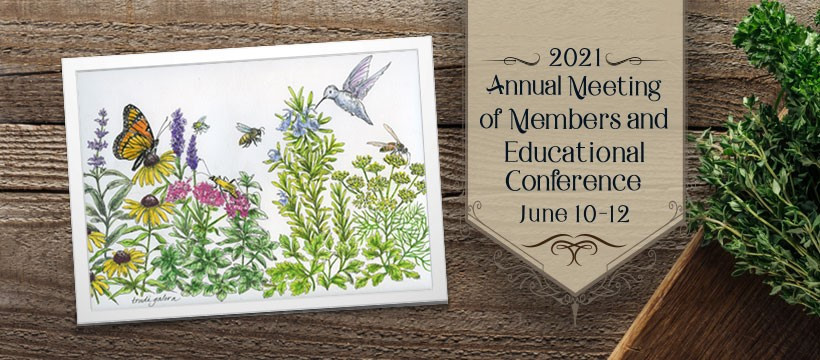
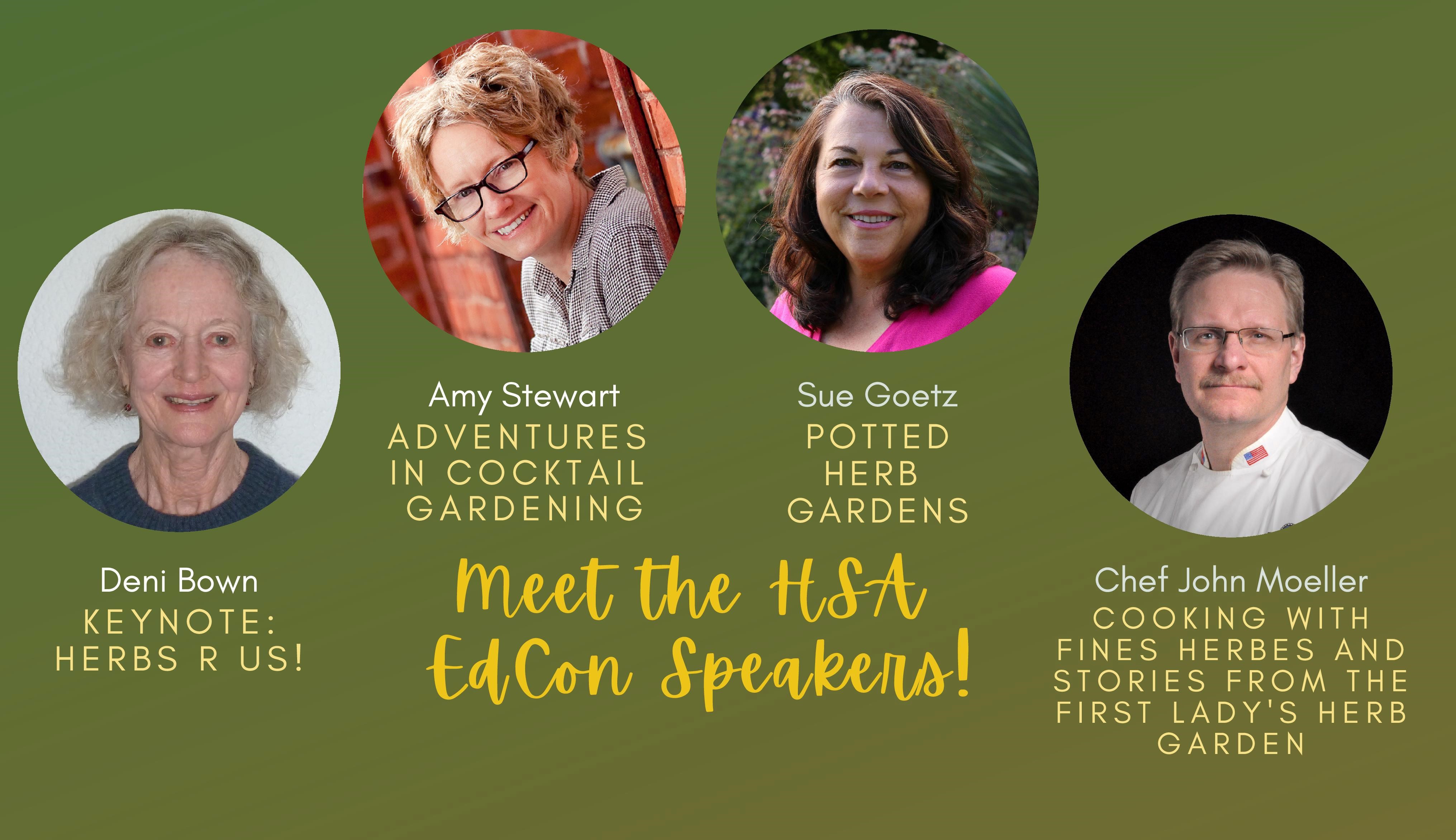 During our Virtual EdCon, you will have the opportunity to enjoy nine outstanding programs featuring presenters from all parts of the country and beyond. Notable HSA member, Deni Bown, joins us from Spain to kick off the educational programming portion of the conference with a keynote titled “Herbs R Us.” Don Haynie, a returning…
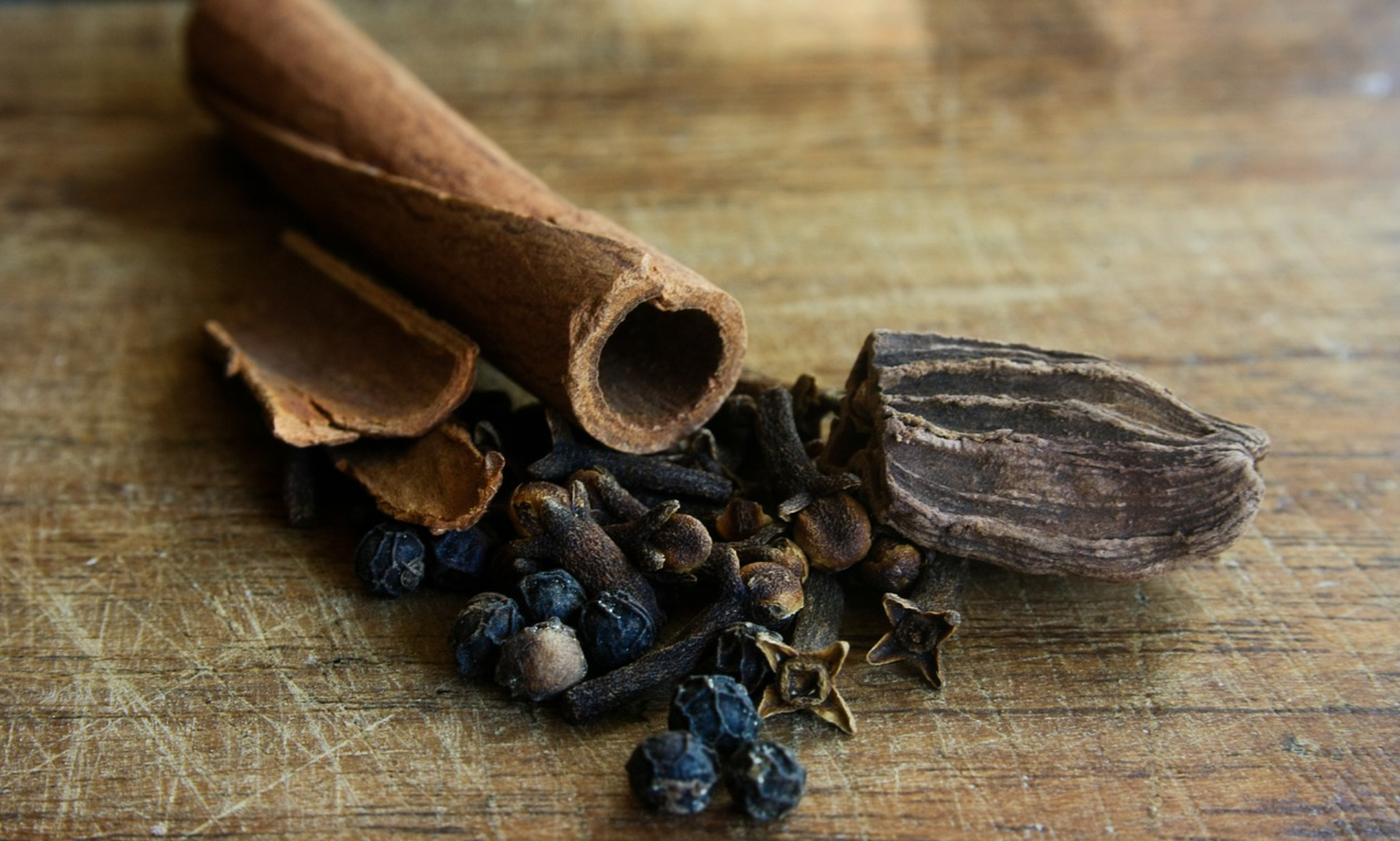 The Herb Society embraces spices as herbs, but what distinguishes an herb from a spice? An herb is the leafy part of a plant, whereas a spice is the “hard” part. So, herbs might include oregano, sage, rosemary, sorrel, and basil, to name a few. Spices, on the other hand, include the bark, root, or seed…think of cinnamon, black pepper, cloves, and nutmeg. Notable exceptions to the herb vs. spice conversation are coriander and dill. Coriander and dill seed are the seeds of the cilantro and dill plants, respectively.

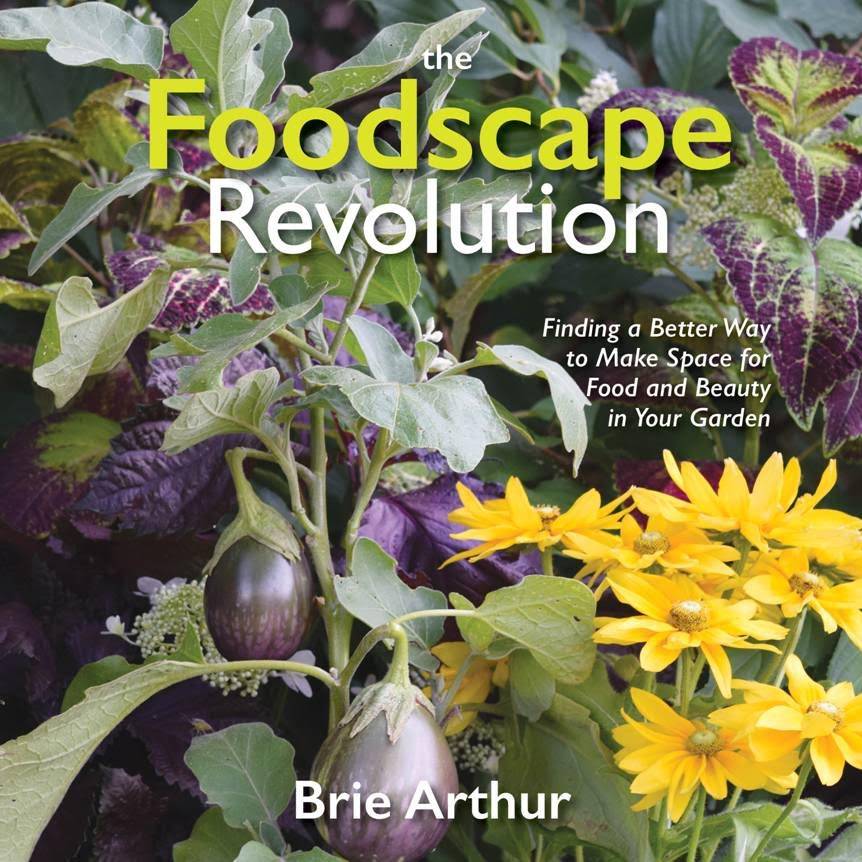 Foodscaping–it’s so simplistic. In its most basic form, it is landscaping with an edible twist. It’s the intersection of the purely ornamental garden with the purely edible or vegetable garden. Herbs, vegetables, berry-producing bushes, and fruit trees intertwine with ornamentals to become design elements.
 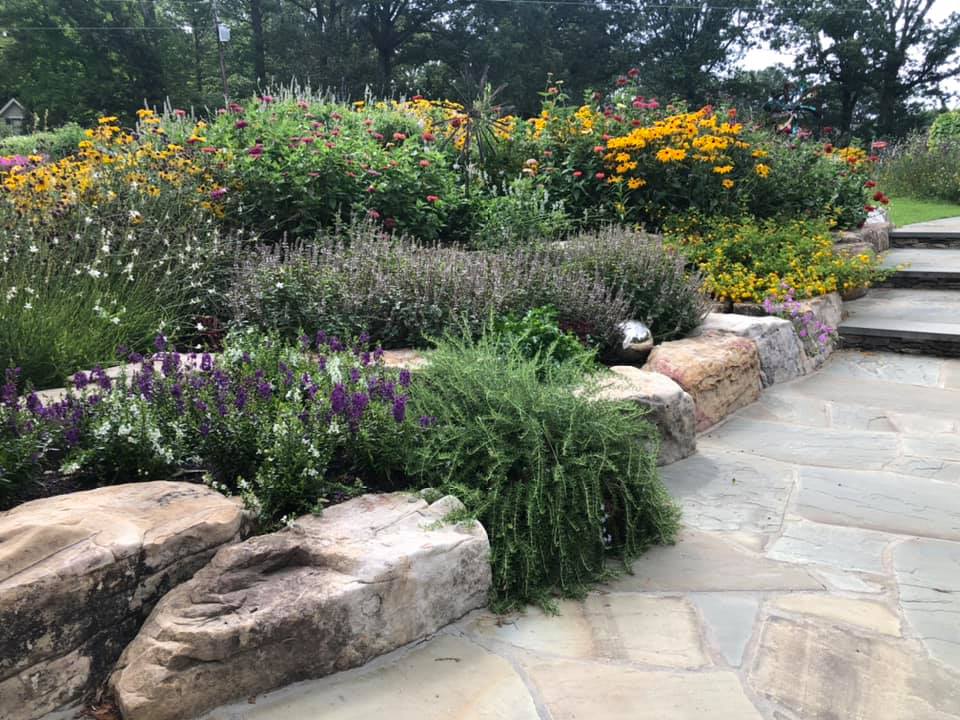 Food in our landscapes is not new. Cottage gardens and the…
 Paths I Walk
You must be logged in to post a comment.