

In 1857, the Ohio State Legislature famously wrote:
The passenger pigeon needs no protection. Wonderfully prolific, having the vast forests of the North as its breeding grounds, traveling hundreds of miles in search of food, it is here today and elsewhere tomorrow…
Forty-five years later, the last wild passenger pigeon was shot and killed in Indiana. In 1914, the last member of the species died in captivity at the Cincinnati Zoo.
The passenger pigeon — a species once numbering in the billions — became extinct in a few short decades.
Barring a miracle in the field of de-extinction, no human alive today will ever see a living passenger pigeon that isn’t a biological novelty. No human alive today will stand in awe as massive flocks of passenger pigeons eclipse the sun and darken the skies.
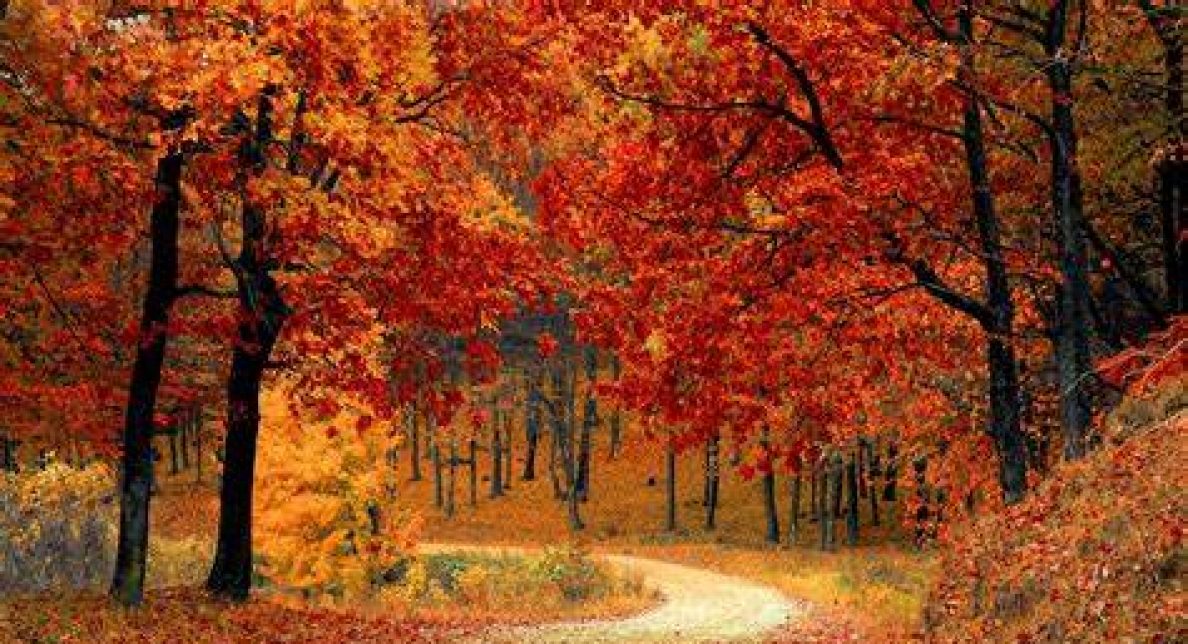
But whether or not scientists actually figure out how to resurrect the dead, there is something many humans can experience today: the legacy left behind by the passenger pigeon on the North American landscape.
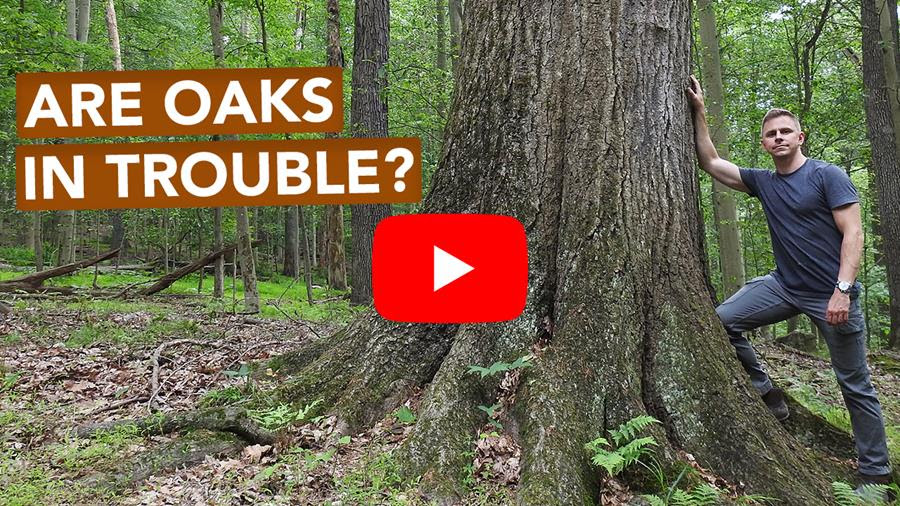
In a brand-new video, I discuss how the passenger pigeon profoundly altered North American forests.

Thanks for reading and watching, and thanks for your continued support!
— Adam Haritan







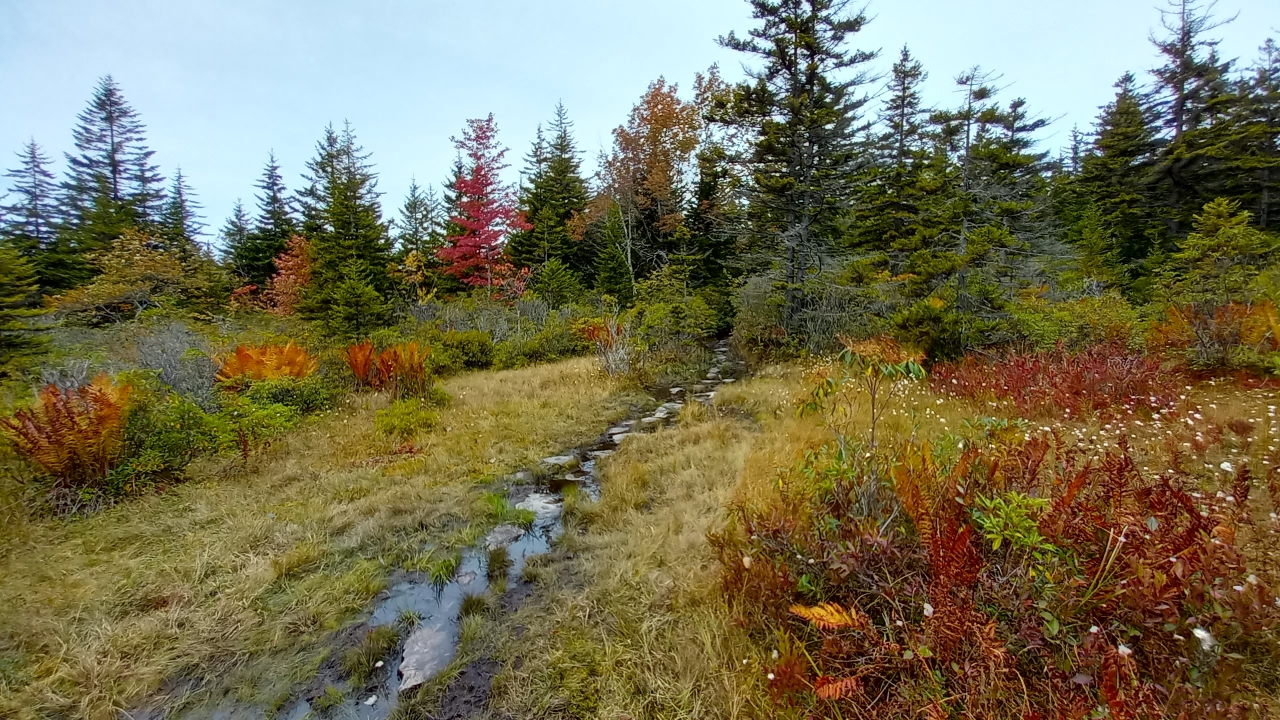 I have a bumper sticker on my car that reads: “I’d rather be lost in the Sods than found in the city.” A friend introduced me to the Dolly Sods Wilderness Area in West Virginia back when I was in college (and back when few people ever ventured that far outside of Washington, DC), and I have been hiking in the West Virginia mountains ever since. They are truly special in so many respects.

You must be logged in to post a comment.