Taking up the Path of the Bard, Part I

Dana's avatarThe Druid's Garden

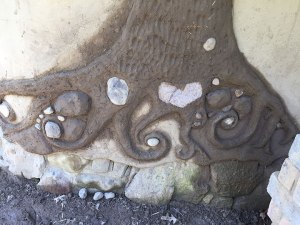
Bardic Artistic Expression through Clay, Sand, and Straw (cob)! Bardic Artistic Expression through Clay, Sand, and Straw (cob)!  (This is part of a tree piece I collaborated on at Strawbale Studio in Michigan)

A group of people sharing stories and songs by the fire. A fine pair of leather shoes. A beautiful woven garment. A tale full of twists and mystery. Finely wrought iron doors. An amazing wood carving on a stump. A marble sculpture. A wildly painted mural on a wall. A cob structure with whimsical trees and forms. A song that reaches deep within you when you hear it.  A rousing speech. Each of these, and so many others, represent the natural creative expressions of humanity. Taking up the path of the bard is one of three paths in the druid tradition (along with the work of the Ovate and the Druid). Yet, many people aren’t sure how to take up the path of the bard because…

View original post 2,441 more words

THE POWER OF LITHOMANCY

Crooked Bear Creek Organic Herbs's avatarGood Witches Homestead

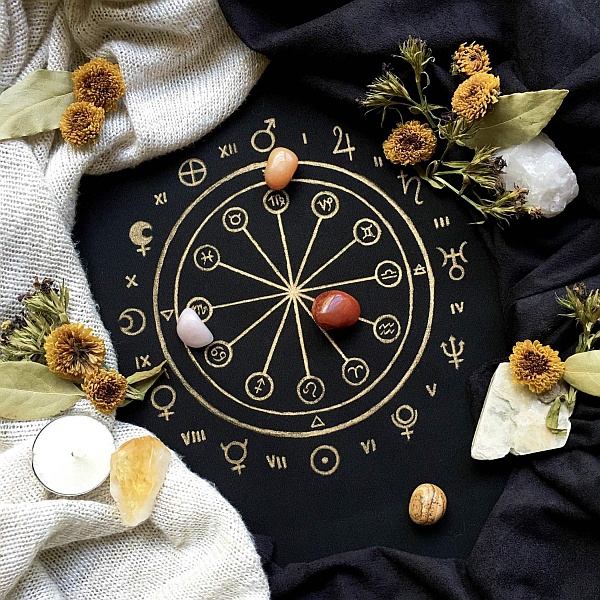
Lithomancy is the psychic art known by terms such as “reading stones, divination by stone, divination by gems, divination by crystals, etc.” Lithomancy is similar to reading runes, tarot cards or tea leaves. It involves casting or picking stones to interpret an omen, foretell the future, or to seek insight on a specific subject.

Lithomancy, the casting of stones is an ancient art. This type of divination is usually associated with both Witchcraft & Shamanism, world-wide.

In France, the French word for witch, ” sorcier ” is used for a male witch & ” sociere” is used for a female witch. The witch or sorcier / sorciere is one who practices Sortilege, literally one who casts lots for the purpose of divination. Sortery is when certain objects have been assigned a meaning or characteristic.  Tarot cards are a form of sortery. Each card is assigned a title and meaning, like 

View original post 3,110 more words

Ozark Encyclopedia – C – Crawdads

Great News! New York Senate Votes to Increase Penalties for Animal Cruelty Offenses

R.T. Fitch's avatarStraight from the Horse's Heart

Story by Natasha Brooks  as published on One Green Planet.org

People convicted of serious animal cruelty crimes will now be banned from owning companion animals.

We have some great news for animals! The New York state Senate passed legislation on June 6, 2017, that would increase penalties for those convicted of animal cruelty. This legislation was sponsored by Republican Senator James Tedisco, and it received support from both major parties. According to Tedisco, “It’s the most bipartisan, nonpartisan day of the session … It’s a privilege to have an animal; it’s your responsibility to take care of them.”

People convicted of serious animal cruelty crimes will now be banned from owning companion animals. Additionally, they voted to double the jail time and fines for these crimes, from two years in prison and a $5,000 fine to four years in prison and a $10,000 fine. Those convicted will…

View original post 136 more words

Full Eclipse August 21, 2017 – Regulus in Virgo: The New Mythmaker Begins

Nevada Passes Law to Restrict Wildlife Trade

R.T. Fitch's avatarStraight from the Horse's Heart

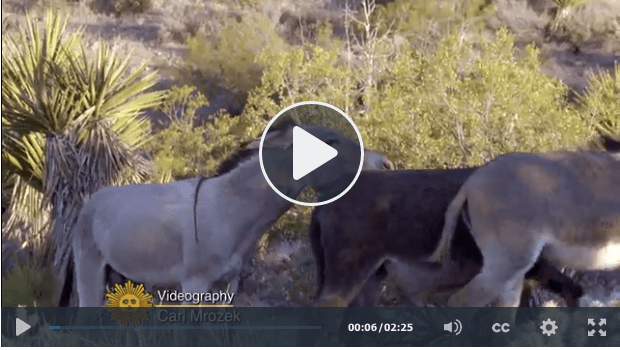
By: Mark Hofberg as published on the International Fund for Animal Welfare

“It is unfortunate that similar protection has not been granted to Nevada’s Wild Horses and Burros.” ~ R.T.


Nevada joins California, Hawaii, Oregon, Washington, New York, and New Jersey as states that have stood up for wildlife within their borders.

Another state has taken decisive action to stop wildlife trafficking.

On Monday, Governor Sandoval of Nevada signed SB 194 into law, making the Silver State the 7th state to restrict the trade of products such as ivory and rhino horn within the state to help save wildlife species.

photo by R.T. Fitch of Wild Horse Freedom Federation

Wildlife poaching and trafficking is one of the principal threats to wildlife around the world, and the US is one of the world’s leading destinations for wildlife products to be traded and sold. Our demand for these products is contributing to…

View original post 223 more words

Planetary Influences ~ Magpie’s Magic Nest

Via Magpie’s Magic Nest

tumblr_ogsspxqU8J1uh93hmo1_500tumblr_ogsspxqU8J1uh93hmo4_500tumblr_ogsspxqU8J1uh93hmo10_500tumblr_ogsspxqU8J1uh93hmo2_500tumblr_ogsspxqU8J1uh93hmo6_500tumblr_ogsspxqU8J1uh93hmo8_500tumblr_ogsspxqU8J1uh93hmo3_500tumblr_ogsspxqU8J1uh93hmo9_1280tumblr_ogsspxqU8J1uh93hmo7_500tumblr_ogsspxqU8J1uh93hmo5_500

A Plea to Save our Wild Horses & Burros from advocate Bonnie Kohleriter

debbiecoffey's avatarStraight from the Horse's Heart

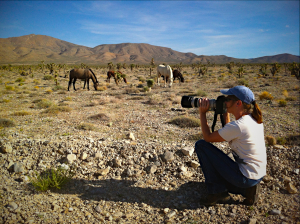
Terry Fitch of Wild Horse Freedom Federation photographing members of the Cold Creek Herd, Sept. 2012 ~ photo by R.T. Fitch

by Bonnie Kohleriter

PLEASE CONSIDER TO INCREASE THE NUMBER OF WILD HORSES AND BURROS ALLOWED ON

  29 M ACRES OF OUR PUBLIC LANDS IN ORDER TO PRESERVE THEIR CONTINUED VIABILITY

CONCURRENTLY PLEASE CONSIDER TO DECREASE THE NUMBER OF ALLOWABLE LIVESTOCK IN

THOSE SAME AREAS TO PRESERVE THE RANGELANDS

THESE STEPS TAKEN WILL PROVIDE A COST SAVINGS TO THE AMERICAN TAXPAYERS

The BLM manages 245 M acres of our public lands and the USFS manages 191 M acres. Wild horses and burros (WHBs) are limited to 27 M acres on BLM land and 2 M acres on USFS land. Only 26,600 WHB are allowed on the BLM 27 M acres and only 2000 on the USFS 2 M acres. In addition, some 400,000 livestock are allowed on the same…

View original post 992 more words

The Shocking Truth About What Happens to ‘Surplus’ Zoo Animals

R.T. Fitch's avatarStraight from the Horse's Heart

by Corrine Henn  as published on One Green Planet

“These surplus animals are often sold and traded through an online database…”

photo by Terry Fitch of Wild Horse Freedom Federation

When we capture animals from the wild and put them in zoos, these animals become commodities. They are stripped of their ability to display natural behaviors and lead a stilted existence filled with stress and boredom. Despite the harm that life in captivity does to zoo animals, both mentally and physically, many zoos run captive breeding programs. As such, zoos can sustain their captive animal populations and the draw of a new baby animal is a great way to get paying visitors in their doors. The only downside to captive breeding is the occurrence of “surplus” animals.

Unlike the many sanctuaries that take in abandoned and abused animals to live out the remainder of their lives, zoos don’t…

View original post 945 more words

Ozark Encyclopedia – C – Copper