Medicinal Herbs: Aconite

Crooked Bear Creek Organic Herbs's avatarGood Witches Homestead

Aconitum napellus

Also, Known As:

  • Aconite
  • Auld Wife’s Huid
  • Blue Rocket
  • Cuckoo’s Cap
  • Friar’s Cap
  • Jacob’s Chariot
  • Monkshood
  • Soldier’s Cap

The aconite is a shrub which sports purplish blue aconite flowers that bloom during the summer as well as during the fall and are generally shaped like a helmet. The form of the flowers is especially intended to draw as well as make use of the bees visiting them, particularly the humble bee. The sepals of aconite have a purple hue – the purple color particularly helps to attract the bees. In addition, the sepals have a fantastic shape and one of the sepals have the shape of a covering. On the other hand, the petals of aconite are simply embodied by the two extremely bizarre nectar-producing parts positioned inside the hood – rather in the shape of a hammer. Aconite flowers have copious stamens that are positioned in a…

View original post 1,166 more words
Holly Wood

Medicinal Herbs: Arnica

Crooked Bear Creek Organic Herbs's avatarGood Witches Homestead

Arnica {Arnica montana}

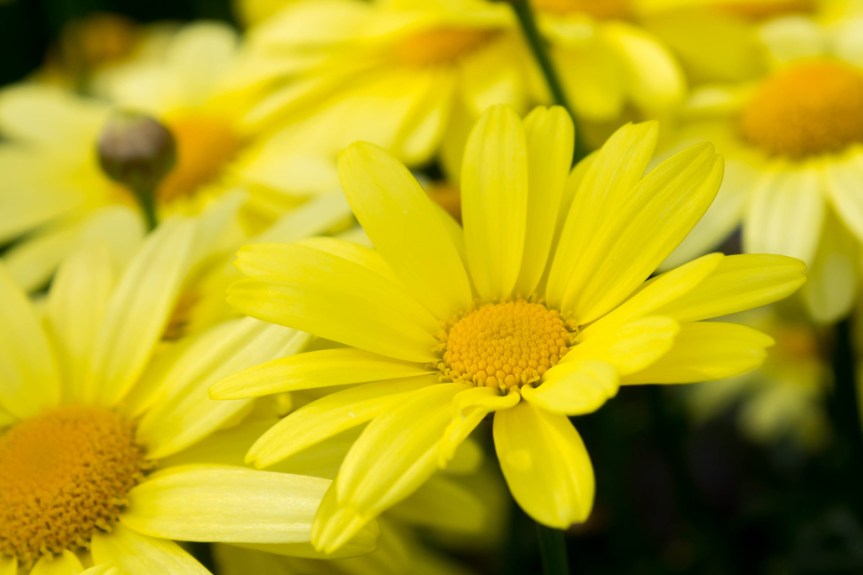
Arnica has been an important topical healing herb since the 15th century. It is a member of the large and varied Asteraceae, or Composite family, along with sunflowers, daisies, lettuce, and chicory. This perennial herb originated in the mountains of Europe and Siberia and is now widely cultivated in North America.

The plant’s genus name derives from arna, Greek for “lamb,” because of the soft, fleecy hair on its green leaves. It reaches an average height of one to two feet and produces daisy-like yellow-orange flowers that begin to bloom in May.

Healing Properties

Arnica’s flower heads, either fresh or dried, are the base of creams, salves, ointments, liniments, or tinctures that are applied to the skin to treat muscle aches, sprains, strains, and bruises. Arnica can also be useful in treating superficial phlebitis, inflamed insect bites, and swelling from broken bones. There…

View original post 428 more words

Medicinal Herbs: Clary Sage

Crooked Bear Creek Organic Herbs's avatarGood Witches Homestead

Clary Sage {Salvia sclarea}

Clary Sage is an ancient herb that has been used by many cultures to medicate the eyes and treat a variety of diseases. This biennial member of the mint family, Lamiaceae, is native to the northern Mediterranean, parts of North Africa, and Central Asia. It is now a commercial crop in the Mediterranean, Russia, the United States, England, Morocco, and Central Europe, cultivated primarily for its essential oils. It still grows wild in many places.

The plant begins as a rosette, and, by its second year, produces strong, hairy stems that reach an average height of three feet. The large, downy green leaves are paired and show a hint of purple. The herb produces lush spikes of lilac or blue flowers that bloom from spring to mid-summer and attract bees and other pollinators.

Healing Properties

Written records of the herb’s healing powers go…

View original post 728 more words

Ozark Encyclopedia – M – Mustard

My grandmother was a BIG believer of in mustard plasters.

Ozark Encyclopedia – M – Mullein

Establishing Sacred Land: Shaping A Shared Vision

Dana's avatarThe Druid's Garden

In Tending the Wild, a book that has deeply shaped my thinking about humans, nature and relationship, M. Kat Anderson reports in her introduction that the concept of “wilderness” had a very different understanding to the native peoples of California.  To the native peoples, “wilderness” was a negative thing; it was land that was essentially “untended” and left on its own. Native peoples saw tending the land–scattering seeds, selective burning, cultivating various kinds of perennial and annual spaces–as necessary for the health and growth of the land.  And the abundance that is reported by early western visitors to California and all of what is now known as North America certainly supported that fact: the land was incredibly rich, diverse, and abundant.

Of course, today, we see “wilderness” as a good thing. It is something that humans haven’t touched, it remains pristine and unbroken. In the post-industrial western…

View original post 2,507 more words

Elder Tree and Elderberry Folklore

Herbal Support for Stress and Trauma: Part 2, Adaptogens

Ancestral Arts's avatarAncestral Apothecary

Adaptogens are some of our best herbal allies to help ourselves cope with chronic stress.  Adaptogens are herbs that help increase the body’s ability to adapt to all kinds of stressors: physical, emotional, environmental, social, and biological.

Adaptogens help build the body’s resistance and reliance to stress by supporting the nervous, immune and endocrine systems. They help to increase the body’s strength, stamina, vitality and immunity.

Many adaptogens have been considered supreme herbal tonics in the cultural systems from which they come.  For example, reishi mushroom was considered in ancient China to be the “herb of immortality”and Holy Basil is considered a panacea in India and in Ayurvedic medicine.

Dosing for adaptogens:  The more we need the adaptogen, the more we need to increase the amount and frequency of dosage.  For lower stress levels, stick to the lower recommended doses.  For higher and acute stress, higher doses more frequently are…

View original post 617 more words

Herbal Support for Stress and Trauma, Part 1: Nervines

Ancestral Arts's avatarAncestral Apothecary

Herbal nervines are herbs that support, strengthen and nourish the nervous system.  They can help with stress, shock, tension, pain, anxiety, depression, insomnia and other nervous systems disorders.  Nervines are great herbal allies to support our bodies during acute or chronic stress.  They also help the body, mind and heart to heal from stress and trauma.

Oatstaw (Avena sativa): Great for nervous exhaustion and burnout; helps with headaches from stress; good for skin rashes caused by stress; good tonic for adrenals, helps with insomnia, helps with detox from drugs and alcohol, high in minerals, very nutritious, works best long term.

  • Dosage: 1-4 cups herbal infusion per day; 10-30 drops of tincture 3 X/ day.

IMG_20150819_171138 Scullcap 

Skullcap (Scutellaria lateriflora): Excellent to calm stress, agitation, tics, tremors or road rage. Useful for insomnia, quiets mind chatter, revitalizing to nerves, helps with insomnia and nervous agitation from grief…

View original post 422 more words