The Wild Mushroom That Tastes Like Garlic

By Adam Haritan

Greetings!

One of the best parts about being a nature enthusiast is getting to meet other nature enthusiasts around the country.  Over the next few months, I’ll be giving talks and leading walks throughout the Northeast and I’d love to meet you!  Here’s the most recent schedule of upcoming events:

July 20-21:  Shelly Conrad – Gary Lincoff 2018 Memorial Foray in Davis, WV
July 26-29:  NEMF Mushroom Foray in Geneseo, NY
August 10-12:  Mushrooms as Food & Medicine in Bruce, WI
September 7-9:  Michigan Mushroom Hunters Club — Fungus Fest in Twin Lake, MI
September 9:  Wild Edibles Walk & Mushroom Outing in Owosso, MI
September 21-23:  Midwest Wild Harvest Festival in Prairie du Chien, WI

For more information on these events, check out the Learn Your Land event calendar.

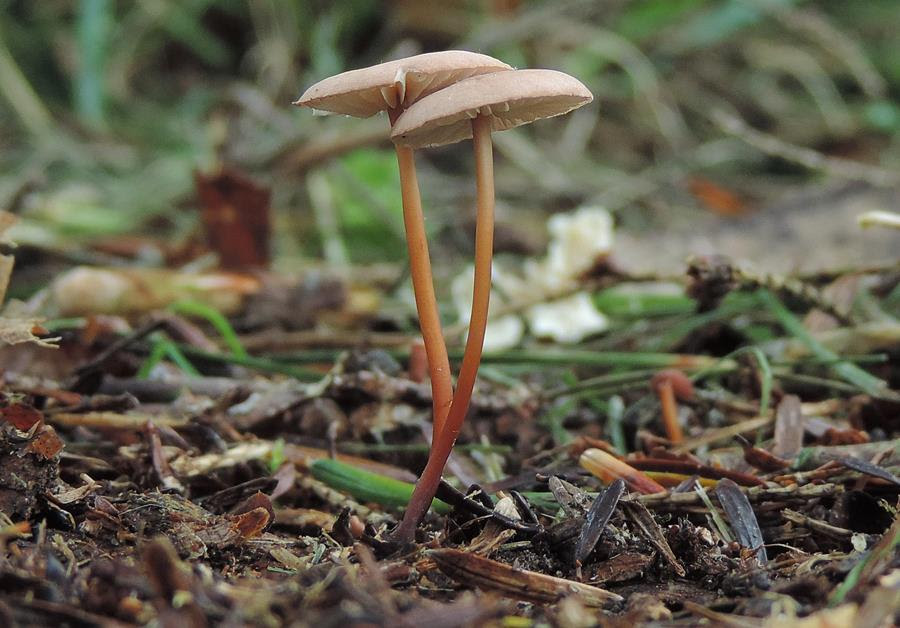
Moving forward, let’s talk about the garlic mushroom.  This edible fungus smells and tastes like garlic, and you can use it as a substitute for garlic in meals.

Strangely enough, this alliaceous mushroom hasn’t made its way into supermarkets, though fortunately it can be found growing profusely underneath coniferous and hardwood trees around the world.  Perhaps it’s even growing in your backyard.

To learn more about this marvelous little mushroom, check out the brand new video!

Speaking of marvelous species, wild orchids are at the top of the list.  This particular orchid is blooming right now, though if you’re interested in observing its flower, be prepared to get your feet wet.  Check out this recent Instagram post to learn more!

Thanks for reading and watching, and as always, thank you for your support!

-Adam Haritan

The Forager’s: Foraging for Summertime Herbs

The Forager’s: Foraging For Summertime Herbs …

Crooked Bear Creek Organic Herbs's avatarCrooked Bear Creek Organic Herbs

Go beyond the confines of the garden and into the wild to find some of nature’s most valuable medicine.

Summer is the perfect time to stock up on nature’s healing gifts. But all too often we walk right by these treasures, not recognizing them as valuable plants. Learning how to identify and then use a variety of edible and medicinal plants in your region can open up a world of botanicals, not only providing you with access to important medicine but also helping you familiarize yourself with the wilderness that abounds.

Five Rules for Sustainable Foraging

Before you head out into the fields and forests to harvest plants, you need to know a bit about foraging ethics, as well as the dangers that certain plants can pose. In an environmentally fragile world, you want to proceed without taking from nature in ways that are harmful.

  1. Properly identify the plant

View original post 2,338 more words

Getting to Know Lyre-Leaf Sage

Getting to know Lyre-leaf Sage …

Crooked Bear Creek Organic Herbs's avatarCrooked Bear Creek Organic Herbs

Having fallen into disuse, this North American species is making a comeback thanks to some notable herbalists and a nod from the Herb Society of America.

Graceful, light-blue wildflowers border the roads and cover swaths of meadows in periwinkle, from the Mid-Atlantic to Missouri and from Florida to Texas. Known as “just a roadside weed” or invasive species, lyre-leaf sage has a lengthy history. A much-valued wild edible and medicinal plant of indigenous people, and a time-honored remedy in the southern folk traditions, this North American sage has been chosen by the Herb Society of America as the Notable Native Herb of 2018.

lyre leaf sage

Lyrata in the Garden

A beautiful, wild, flowering plant, lyre-leaf sage {Salvia lyrata} is part of the Lamiaceae {mint} family along with rosemary and oregano, and it’s closely related to garden sage {Salvia officinalsi}.

The only sage native to the United States, it has reportedly grown as…

View original post 2,060 more words

Elder Mountain’s Folk Smudge – Autumn 2018

Elder Mountain’s Folk Smudge …

Scientists Discover How Chinese Medicinal Plant Makes Anti-Cancer Compound

Chinese Medicinal Plant Makes Anti-Cancer Compound …

Crooked Bear Creek Organic Herbs's avatarCrooked Bear Creek Organic Herbs

New research led by Professor Cathie Martin of the John Innes Centre has revealed how a plant used in traditional Chinese medicine produces compounds which may help to treat cancer and liver diseases.

The Chinese skullcap, Scutellaria baicalensis – otherwise known in Chinese medicine as Huang-Qin – is traditionally used as a treatment for fever, liver and lung complaints.

Scutellaria flower

Previous research on cells cultured in the lab has shown that certain compounds called flavones, found in the roots of this plant, not only have beneficial anti-viral and antioxidant effects, but they can also kill human cancers while leaving healthy cells untouched. In live animal models, these flavones have also halted tumor growth, offering hope that they may one day lead to effective cancer treatments or even cures.

As a group of compounds, the flavones are relatively well understood. But the beneficial flavones found in Huang-Qin roots, such as…

View original post 349 more words

Summer Herbs: Feverfew {Tanacetum parthenium}

Summer Herbs: Feverfew …

Crooked Bear Creek Organic Herbs's avatarCrooked Bear Creek Organic Herbs

Also, Known As:

  • Bride’s Button
  • Compositae
  • Featherfew
  • Featherfoil
  • Febrifuge Plant
  • Feverfew
  • Wild Chamomile

The feverfew herb has been used as an herbal remedy since the time of Dioscorides-78 A.D. The herbal remedies made from the feverfew was used to treat problems such as a headache, the development of menstrual irregularities in women, disorders such as stomachaches, and all types of fevers in particular. The common name of the herb itself is a simple corruption of the name in Latin- febrifuge or the fever reducer. Botanist is still agreed about what proper scientific name to give to this strongly aromatic and perennial herb. The feverfew belongs to the plant family Asteraceae, the disagreement among botanists about naming the plant has been existing for a long time now. The feverfew was in fact, placed into five different genera at different times. At this present time, the herb is known by the botanical name Tanacetum parthenium…

View original post 2,861 more words

6 Bug Repellent Patio Plants

Six Bug Repellent Patio Plants …

Crooked Bear Creek Organic Herbs's avatarCrooked Bear Creek Organic Herbs

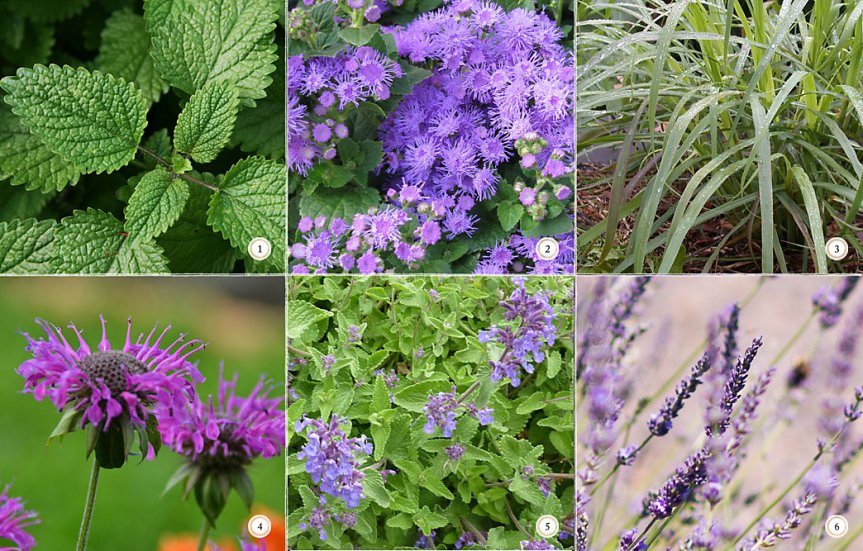
We love to spend our summer days outside with family and friends, but pesky bugs are quick to drive a party indoors. For a chemical-free way to keep insects at bay this season, we asked the experts from our green goods team to recommend their favorite bug repellent plants. Planted near the doorway or transformed into essential oils, these six natural options deter mosquitoes, flies, and more uninvited guests in the summer garden.

1. Lemon Balm (Melissa officinalis): Like many members of the mint family, this herb provides protection against summertime mosquitoes. To make a quick, all-natural bug repellent, crush a handful of lemon balm leaves and rub onto any exposed skin. If you’ve already suffered a bug bite, its soothing oils can limit itching as well. This easy-to-grow herb also has a number of additional applications, from infused teas and vinegar to green salads.

2. Ageratum ‘Artist…

View original post 326 more words

Tips For Growing and Preserving Herbs In The Low Desert

By Crooked Bear Organics

Crooked Bear Creek Organic Herbs's avatarCrooked Bear Creek Organic Herbs

Soil Preparation:

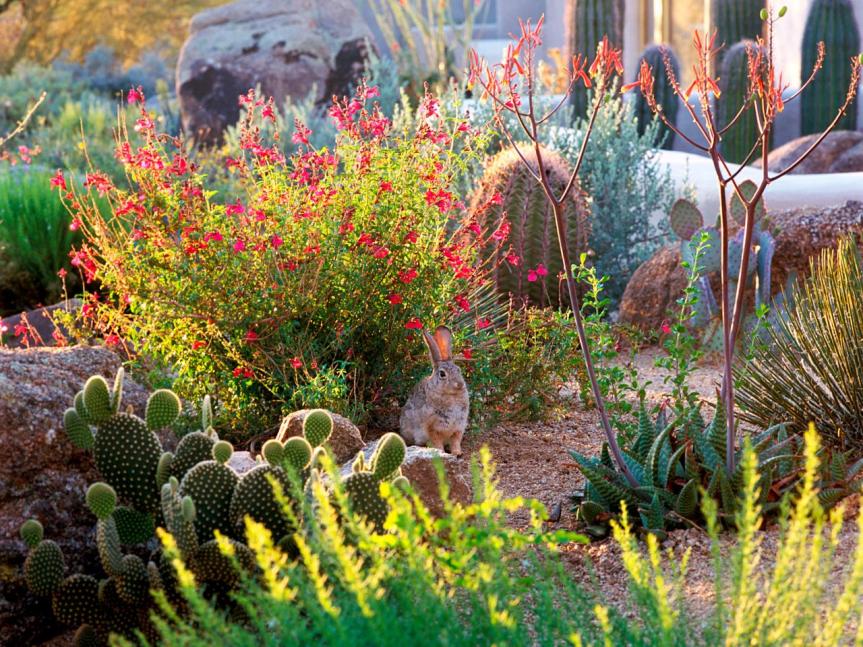
In low desert areas, growers are not blessed with the rich, organic soil we’d prefer to have. Most gardens will need some organic material, soil sulfur, ammonium phosphate, and gypsum. Every year, as a matter of fact, you may need to add organic matter and gypsum. Pay close attention to your garden soil. If you get a soil test, you’ll know what the pH and fertility are and can make any necessary adjustments. If the test indicates your soil needs it, add fertilizer during pre-plant soil preparation, when it is easier to amend the soil; you’ll also find the results more effective. Spade the soil deeply, to a depth of 18 inches, to loosen compact soils. Enrich the soil with plenty of compost and well-rotted manure. It greatly helps gardeners to spade as much as 6 inches of organic material into the top 12 inches of the planting…

View original post 1,437 more words

Southwest Gardening: Sacred Mesquite ~Recipes

By Crooked Bear Organics

Crooked Bear Creek Organic Herbs's avatarCrooked Bear Creek Organic Herbs

Mesquite grows well in desert areas from the southwestern United States to the Andean regions of South America. Traditionally, native peoples of the Southwest depended on mesquite. It provided food, fuel, shelter, weapons, medicine, and cosmetics. As times changed, and as refined sugar and wheat flour became staples, the role of mesquite was diminished.

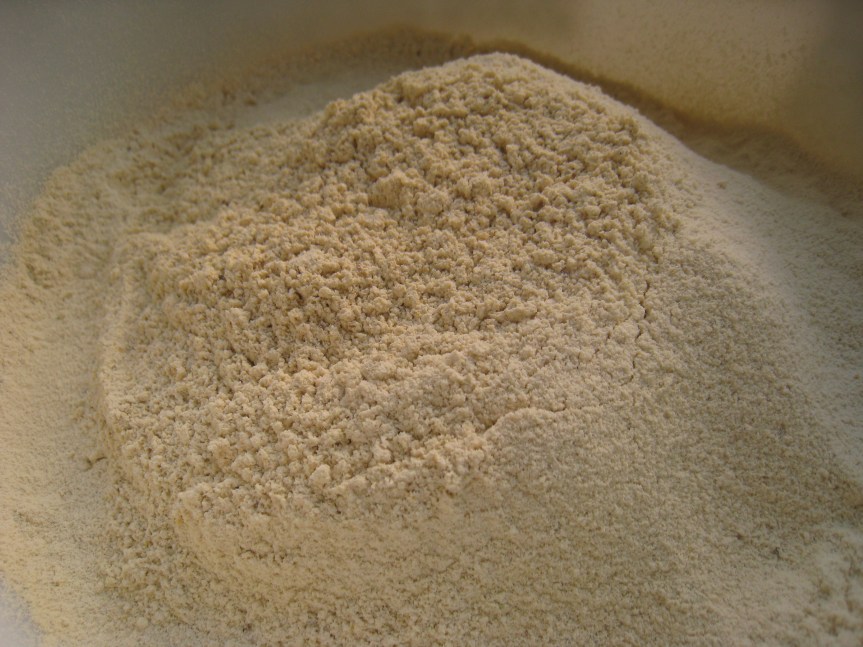
mesquite flour

Mesquite meal was once made by hand-grinding the plant’s seeds and pods on stones. Now modern milling techniques speed up the process, grinding the entire mesquite pod at once, including the protein-rich seed. This produces a meal that is highly nutritious as well as very flavorful. The meal ground from the pod contains 11 to 17 percent protein. High lysine content makes it the perfect addition to other grains that are low in this amino acid.

mesquiteflourfinal400

http://www.mesquiteflour.com/

Although desert dwellers used mesquite pods as a source of food for centuries, when you order and use this product…

View original post 1,746 more words

Southwest Herb Gardening: What To Plant In June, and Watering In June

By Crooked Bear Organics

Crooked Bear Creek Organic Herbs's avatarCrooked Bear Creek Organic Herbs

We recommend most plants be planted in the fall or spring. However, if you must plant during the summer months watering may need to be more frequent and you must be diligent about observing your newly planted plants for signs of water stress. Follow the guidelines in the Watering section.

Many cacti and warm-season succulents can still be planted in the summer. When transplanting cacti and succulents, mark either the south or west side and plant facing the orientation you marked to avoid the burning of tender tissues. Most nurseries will mark the side of the container to help you determine proper planting orientation. However, if the original orientation is not known, newly planted cacti and succulents need to be covered with shade cloth if the plant surface appears to yellow or pale suddenly. Use a shade cloth rated between 30-60% as anything higher will block most of the sunlight and…

View original post 1,557 more words