Cedarwood Essential Oil, Uses, Benefits, Skin Care, Hair Care, Aromatherapy

Crooked Bear Creek Organic Herbs's avatarCrooked Bear Creek Organic Herbs

HISTORY OF CEDARWOOD OIL USAGE

Cedarwood Essential Oil is steam distilled from the wood of the Cedar tree, of which there are several species, such as Cedrus atlantica, Cedrus deodara, Juniperus Mexicana, and Juniperus virginiana, which are more commonly recognized as Atlas, Himalayan, Texan, and Virginian Cedarwood, respectively.

Throughout history, Cedarwood Essential Oil has been used by various cultures, such as Native American and Tibetan communities, to address ailments ranging from minor discomforts, including coughs and hiccups, to more severe illnesses. In Ancient Egypt, Cedarwood Oil’s antimicrobial and insecticidal properties made it valuable for use in mummifying procedures. In these and other societies, Cedarwood was also known to relax the body and mind, making it ideal for use in religious ceremonies and spiritual practices, such as communal prayer and independent meditation. Today, it continues to be used for similar applications as well as for cosmetic applications.

This article highlights…

View original post 1,953 more words

Sweet Basil Essential Oil

Crooked Bear Creek Organic Herbs's avatarCrooked Bear Creek Organic Herbs

Basil Essential Oil is derived from the leaves of the Ocimum basilicum botanical, better known as the Basil herb. This plant receives its name from the Latin word basilius as well as the Greek word basilikón phutón, which means “royal plant,” hence Basil is also known as the Queen of Herbs or l’herbe royale, meaning “royal herb” in French. It may also be referred to as Saint Joseph’s Wort, Great Basil, European Basil, French Basil, Common Basil, or Sweet Basil.

Several religions and spiritual beliefs practice rituals that emphasize the significance of the use of Basil. In Judaism, traditional stories advocate the use of Basil for increased strength during times of fasting. In various Orthodox churches, Basil is often used to either sprinkle or prepare holy water. As well, pots of the herb are often positioned below church altars to pay reverence to the belief that it was…

View original post 2,049 more words

Sweet Orange Essential Oil

Crooked Bear Creek Organic Herbs's avatarCrooked Bear Creek Organic Herbs

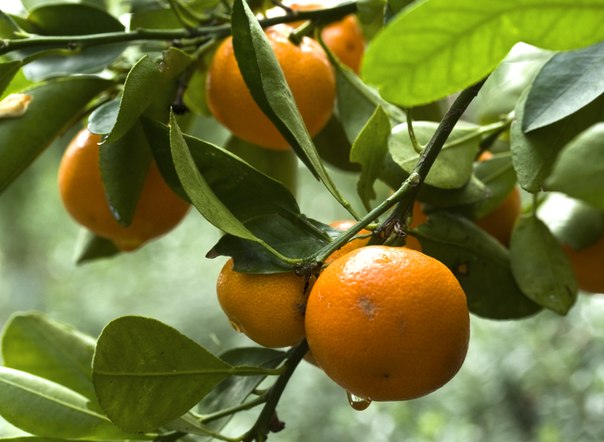
It’s hard to mistake the familiar aroma of Sweet Orange essential oil!

I find myself smiling every time I breathe it in. Sweet Orange (Citrus sinensis) has such a bright, fresh scent that reminds me of warm summer days, feeling happy and healthy and the sense that anything is possible.

In this Spotlight, I’ll share some of the many ways you can use Sweet Orange essential oil, including a recipe for kitchen and bathroom cleaner that actually makes cleaning fun . . . or at least more “sweet!”


1. Use Sweet Orange essential oil to ease tension.

Tension, both physical and emotional, just seems to melt away under Orange’s sunny glow. Got the blues? Use some Orange! It helps everything flow more smoothly. I love Orange in blends that encourage digestion, relaxation, optimistic energy, clear thoughts, and overall health and happiness.

Orange is a great reassuring sidekick. You can keep it…

View original post 3,004 more words

To Long Life & Good Health: A Toast to Anna Perenna & The Coming of Spring — Gather Victoria

Happy Belated Spring Equinox! In this tardy post, we’re going to infuse healing herbs into honeyed wine, and offer a toast to Anna Perenna the Roman Goddess of long life and good health. Her festival and feast were held when her powers were most manifest – at the return of spring. And according to the…

via To Long Life & Good Health: A Toast to Anna Perenna & The Coming of Spring — Gather Victoria

Essential Oil Spotlight: Clove Oil

Crooked Bear Creek Organic Herbs's avatarCrooked Bear Creek Organic Herbs

Clove oil uses are incredibly impressive, ranging from improving blood circulation and reducing inflammation to helping acne and boosting gum health. One of the best-known clove oil uses is to reduce the pain associated with dental problems. Even mainstream toothpaste makers agree that clove oil reduces the pain and swelling that comes with a toothache.

In addition to being a proven anti-inflammatory and pain reducer, one of the common clove oil uses is as a broad-spectrum antimicrobial to keep countless diseases at bay, which is why it can be such a wise choice for boosting your immune system as well as a powerful addition to homemade cleaning products.

Plant Origin of Clove Oil

Indigenous to Indonesia and Madagascar, clove (Eugenia caryophyllata) can be found in nature as the unopened pink flower buds of the tropical evergreen tree. Picked by hand in late summer and again in winter, the buds…

View original post 2,732 more words

Beyond Tea: Aromatic Herbal Infusions for Health and Immunity | New York Institute of Aromatic Studies

Crooked Bear Creek Organic Herbs's avatarCrooked Bear Creek Organic Herbs

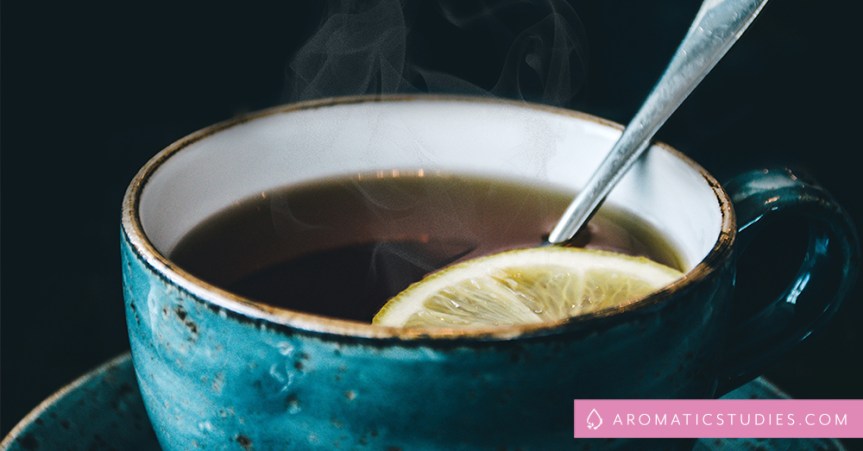
Let’s get right to it. We know we need to stay hydrated and incorporate botanicals (aka “herbs”) into our lives, especially when feeling depleted, sick, overwhelmed (and so much more….). Go over and say hello to your tea kettle: it’s all about drinking botanical infusions.
I often like to pretend I’m fancy and use the word “tisane” when talking about “herbal tea.” Fancy or not, herbal tea = herbal infusion = tisane. Regardless of what you call it, this is about putting herbs in water, applying gentle heat and then enjoying the benefits of this simple but effective way to work with plants.


Stay Hydrated
Every morning when you wake up, have a glass of water to bathe your tissues. Doesn’t that sound FABULOUS? So…decadent! Not so. It is VITAL. Drinking water “…stimulates elimination and acts like an internal shower waking up the body and preparing it for activity” (Catty…

View original post 707 more words

What Are the Health Benefits of Eucalyptus?

Crooked Bear Creek Organic Herbs's avatarCrooked Bear Creek Organic Herbs

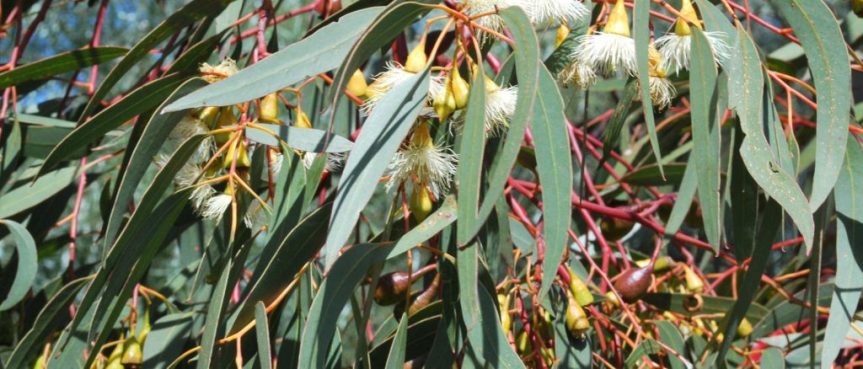
Eucalyptus is a fast-growing evergreen tree native to Australia. As an ingredient in many OTC products, it is used to reduce symptoms of coughs, colds, and congestion. It also features in creams and ointments aimed at relieving muscle and joint pain.

The oil that comes from the eucalyptus tree is used as an antiseptic, a perfume, as an ingredient in cosmetics, as a flavoring, in dental preparations, and in industrial solvents.

Chinese, Indian Ayurvedic, Greek, and other European styles of medicine have incorporated it into the treatment of a range of conditions for thousands of years.

There are over 400 different species of eucalyptus. Eucalyptus globulus, also known as Blue Gum, is the main source of eucalyptus oil used globally.

Leaves are steam distilled to extract the oil, which is a colorless liquid with a strong, sweet, woody scent. It contains 1,8-cineole, also known as eucalyptol.

The leaves also…

View original post 5,193 more words

Food as Medicine: Black Elderberry (Sambucus nigra, Adoxaceae)

Crooked Bear Creek Organic Herbs's avatarCrooked Bear Creek Organic Herbs

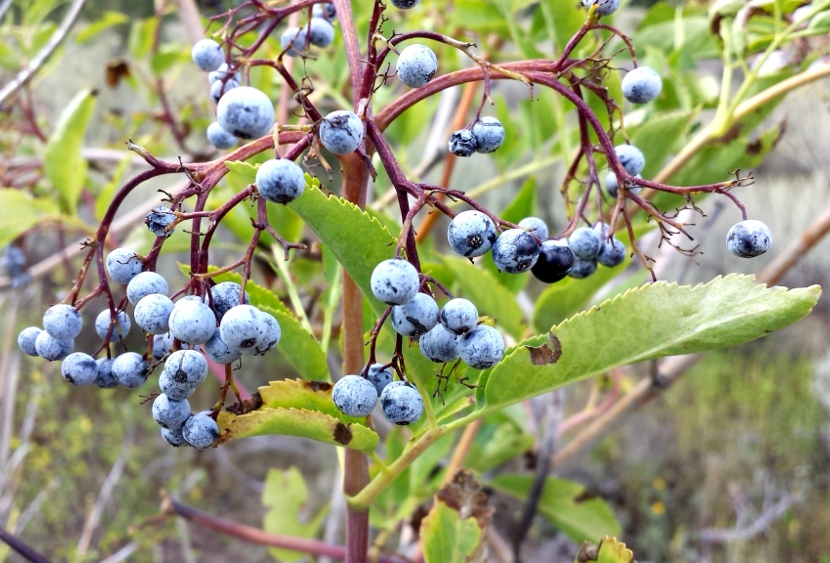
Plants commonly known as elder belong to the genus Sambucus and consist of 20-30 species of deciduous trees and shrubs in the Adoxaceae, or moschatel, family.1-3 Sambucus species are native to forested temperate and subtropical climates and grow to an average height of 32 feet (10 m).1,3 Elder shrubs have light brown or gray stippled bark and narrow, dark green pinnately compound leaves with five to nine toothed leaflets.2,4 In early summer, elder plants produce flat to roundish clusters of tiny, cream-white, saucer-shaped flowers. Depending on the species, the clusters of small fruits, botanically characterized as drupes, are blue-black, black, or red (and rarely, yellow or white).2,3 The only elder species with a history of culinary use are those that produce blue-black or black fruits. Elder species are highly adaptable and readily naturalize in an area, making them potentially invasive outside their native range.3 This…

View original post 3,417 more words

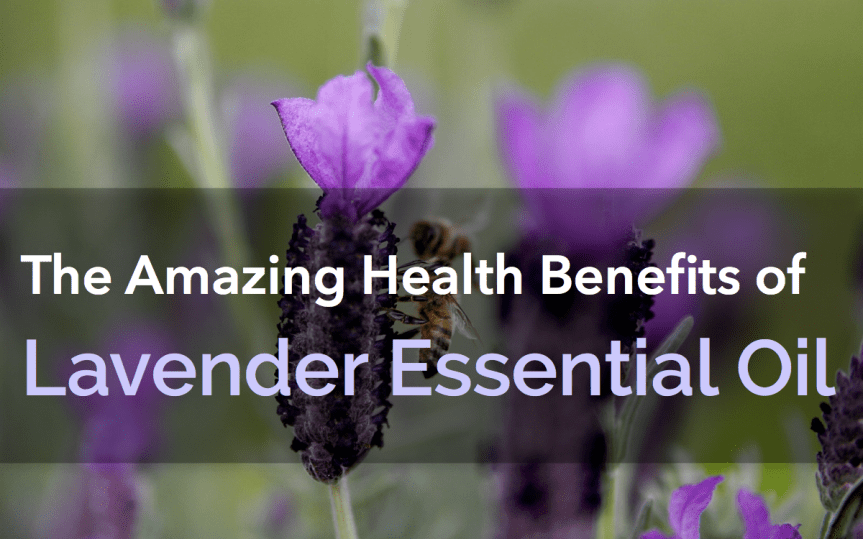
LAVENDER’S MEDICINAL AND AROMATHERAPY USES

Crooked Bear Creek Organic Herbs's avatarCrooked Bear Creek Organic Herbs

There are few scents in this world that evoke the feeling of clean – lavender is one of them. Its common and scientific name originates from lavare, the Latin word for wash or bathe. Lavender was popular as a linen-washing herb in Europe, no doubt due to its pleasant aroma, but it also possesses antiseptic qualities and can help to keep insects at bay. Discouraging or killing insects was paramount before the invention of glass windows and screens, a time when humans often shared the same roof with flea and lice-ridden livestock. Maude Grieve writes in A Modern Herbal (no longer especially modern, as it was written in 1931):

Dried Lavender flowers are still greatly used to perfume linen, their powerful, aromatic odour acting also as a preventative to the attacks of moths and other insects. In America, they find very considerable employment for disinfecting hot rooms and keeping away…

View original post 5,221 more words

HSA Webinar: Growing and Using Herbs of the Southwestern Missions

The Herb Society of America's avatarThe Herb Society of America Blog

Author Jacqueline Soule will be presenting this month’s webinar on Wed, March 25 at 1pm – click here to register. This article is excerpted from her book, Father Kino’s Herbs: Growing and Using Them Today.

Epazote – An Efficacious ‘Erbcover kino

By Dr. Jacqueline A. Soule

Did you know that you can speak at least one word of Nahuatl, the language spoken in Mexico pre-conquest? Epazote is the Nahuatl name for Dysphania ambrosioides (formerly Chenopodium ambrosioides). English common names include wormseed, Jesuit tea, American wormseed, Mexican tea, and Jerusalem oak.

By the time of contact between the New and Old Worlds, epazote had been cultivated for well over a thousand years in southern and southeast coastal Mexico.  It was, and still is, a principal flavoring for a large number of Yucatan and Veracruz dishes and is indispensable for cooking black beans.

Epazote in Cooking

Like the Old World herbs…

View original post 843 more words