A Brief History of Chloroquine

Crooked Bear Creek Organic Herbs's avatarCrooked Bear Creek Organic Herbs

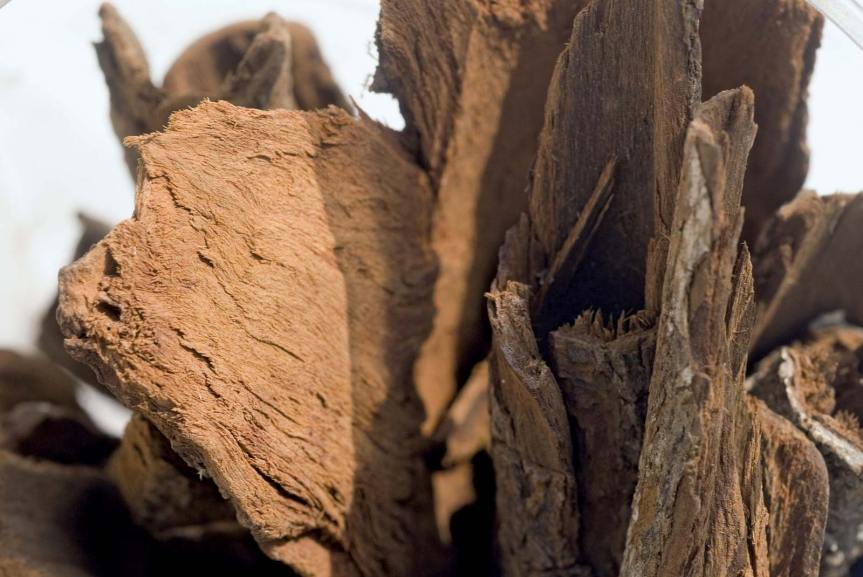
FDA fast-tracks the drug, modeled after the natural substance quinine in cinchona bark, for use in COVID-19 clinical trials

Editor’s note: The nonprofit American Botanical Council (ABC) is disseminating this information to its members and other stakeholders in the medicinal plant community to provide historical insight into the ethnobotanical approach to drug discovery with respect to chloroquine and its derivative hydroxychloroquine. ABC is not recommending the use of chloroquine or hydroxychloroquine, or any of the quinoline alkaloids on which these drugs are modeled, as treatments or for the prevention of COVID-19. This includes any naturally occurring botanicals with similar or related chemistries. Such recommendations must come from appropriate medical and regulatory authorities after appropriate testing is done. ABC emphasizes that the use of these drugs carries a substantial risk of adverse side effects. ABC has always supported the process of modern drug development from medicinal plant and fungal sources, insofar…

View original post 1,729 more words

Essential Oils A Natural Substance

Crooked Bear Creek Organic Herbs's avatarCrooked Bear Creek Organic Herbs

For over several thousands of years, humans have been employing essential oils for therapeutic purposes as well as sustaining good health. In effect, the ancient Egyptians extensively used essential oils. Currently, essential oils are used extensively in lotions meant for external use, aromatherapy, comforting baths and in a great assortment of herbal medications.

Any attempt to define essential oils accurately as well as in a few words is really difficult. For all practical purposes, one may possibly depict essential oils in the form of natural odoriferous (having potent fragrance) compounds that are present in or separated from plant materials. Generally, essential oils are in liquid form (in some exceptional cases they may be in semi-solid form, but seldom found in solid form), are not water-soluble and volatile when they come in contact with steam. Essential oils evaporate at dissimilar paces under normal atmospheric pressure and at room temperature. Therefore, they are…

View original post 4,686 more words

Benefits and Use of Peppermint Oil

Crooked Bear Creek Organic Herbs's avatarCrooked Bear Creek Organic Herbs

The next few posts will be about an herb we grow commercially on our farm in Oregon. I can not bestow enough accolades for the use of peppermint whether it be the plant or the essential oil. We have grown peppermint for over 30 years on 2400 acres, grown commercially and shipped worldwide, it has to be one of the most commonly used oils in the world, but few really know the virtues of peppermint.

I and my daughter are constantly creating uses for this oil, from salves {we created a muscle salve for Hubbie after his farming accident when a water line {wheel} came down on top of him and crushed his spine. If it had not been for our German Shepherd Mountain my husband’s injuries would have been far more severe than what had initially occurred. He would have been stuck in a foot and half of the…

View original post 3,653 more words

What Are The Health Benefits of Clary Sage Oil?

Crooked Bear Creek Organic Herbs's avatarCrooked Bear Creek Organic Herbs

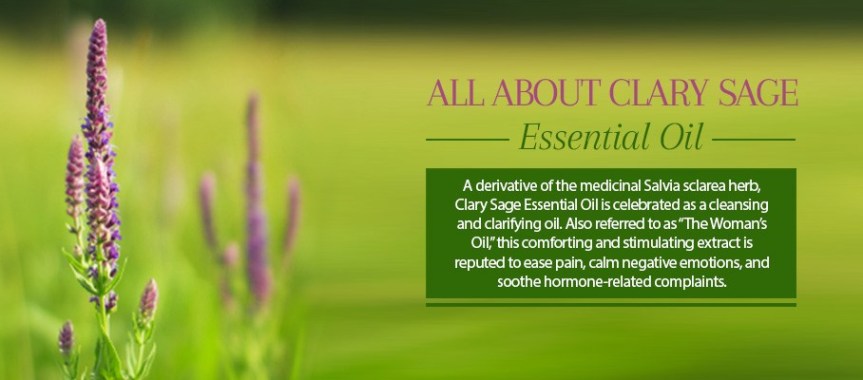
Clary sage, also known as Salvia sclarea, is a plant native to the northern Mediterranean Basin. It is widely used for medicinal purposes and as a spice.

Many parts of the clary sage plant can be used, including the leaves, flowers, stems, and seeds. In alternative health practices, clary sage essential oil is used in aromatherapy.

In this article, we take a look at the uses and suggested health benefits of clary sage oil. We will also look at whether there is any scientific evidence to back these claims up. We also examine how the oil is used, and what side effects could occur.

Uses for clary sage oil

Clary sage oil

Clary sage oil may have properties such as antidepressant effects, improved digestion, and stress relief.

Aromatherapists and related alternative health practitioners often use clary sage as an essential oil in their treatments, and supporters believe it has many health…

View original post 1,044 more words

Immunity, Four Thieves Vinegar

Crooked Bear Creek Organic Herbs's avatarCrooked Bear Creek Organic Herbs

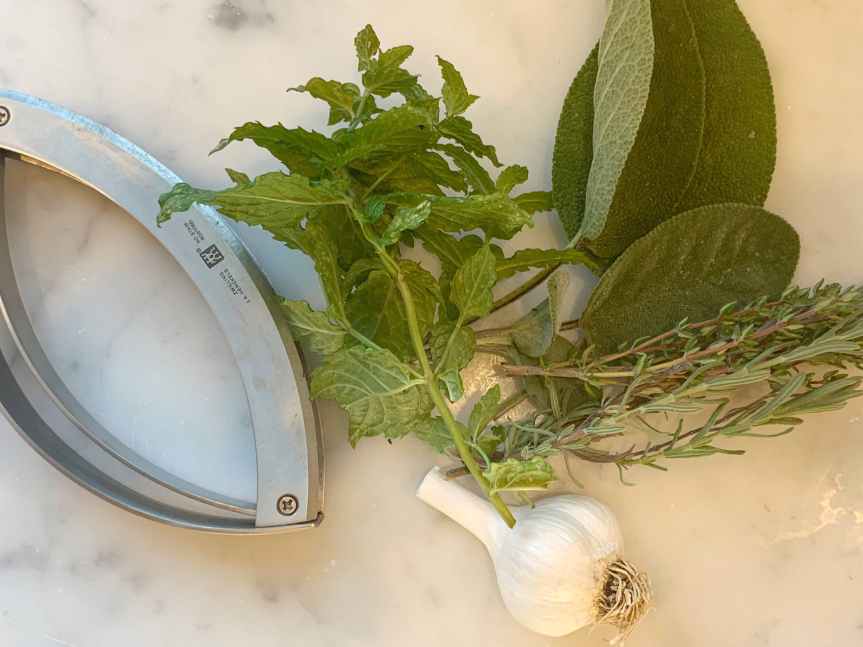
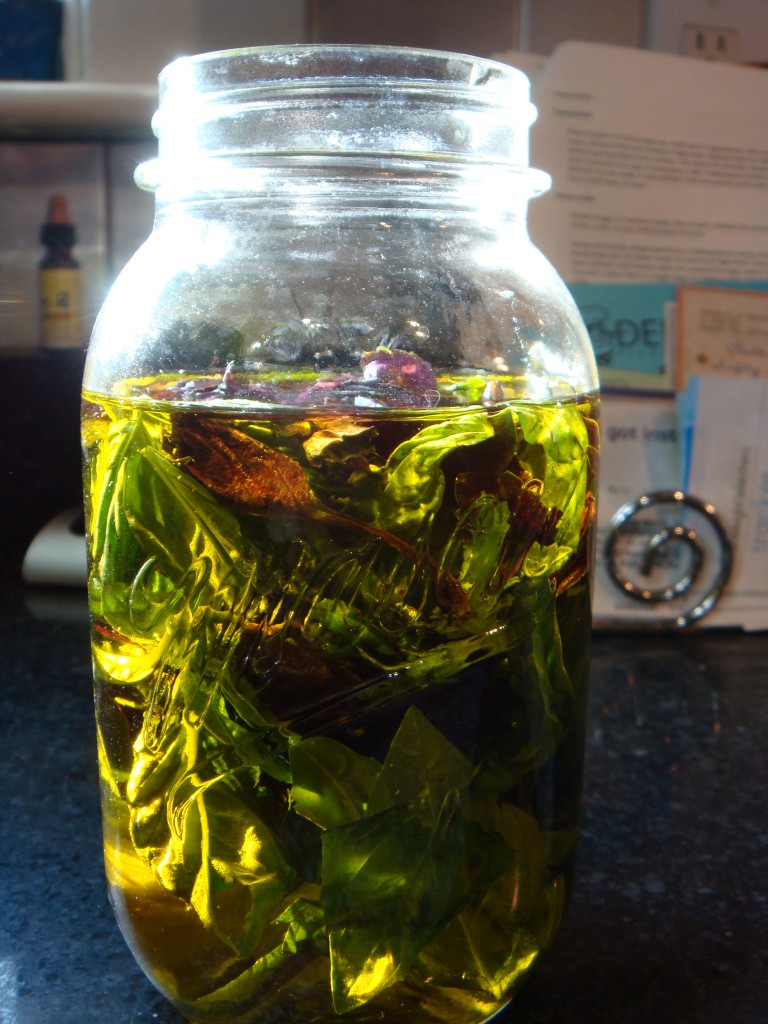
There are so many wonderful cold and flu prevention remedies that have been passed down amongst herbalists for centuries. This is my personal variation of a recipe called Four Thieves Vinegar, an infusion of herbs in vinegar, that has been around as a remedy since at least since medieval times.

Four Thieves Vinegar was believed to provide protection from the plague (likely wishful thinking, though garlic and the other herbs in the preparation are antimicrobial), and has almost as many variations on its origin story as its legend.

Classically this remedy four key herbs in it – lavender, sage, mint, and rosemary or thyme. I prefer making mine without the lavender because I don’t love the taste of lavender in my salad dressing – which is how I love to use this blend – making it part of using herbs as both food and medicine.

Here’s the recipe:

Ingredients:

  • ¼ cup…

View original post 279 more words

Health Benefits of Myrrh {Commiphora molmol syn. C. myrrha}

Crooked Bear Creek Organic Herbs's avatarCrooked Bear Creek Organic Herbs

Also, Known As:

  • Bola
  • Gum Myrrh Tree
  • Mu-Yao
  • Myrrh

Myrrh is indigenous to Ethiopia and Somalia in Africa as well as the Arabian Peninsula and belongs to the small trees of the family Burseraceae. Basically, myrrh is said to be an oleo-gum-resin or a combination of capricious oil, gum, and resin (a semi-solid substance contained in the sap secreted by plants) and acquired from the Commiphora myrrha, Commiphora molmol (popularly known as the Somali myrrh), Commiphora mada, gascariensis (also known as the Abyssian myrrh or syn. C. abyssinica, and other different species of Commiphora. Myrrh comprises asymmetrical masses or tear-fashioned portions that are either reddish-brown or dark yellow in color. These substances either radiate involuntarily or from the openings in the bark of the plants. The different varieties of the herb, like the Somali and Arabian myrrh, are termed according to their respective sources of origin.

Most present-day herbal medicine…

View original post 1,669 more words

STRENGTHEN WITH FRANKINCENSE

Crooked Bear Creek Organic Herbs's avatarCrooked Bear Creek Organic Herbs

Frankincense Essential Oil is an eminent and versatile oil that can be used on almost any part of the body for almost any ailment. The positive effects of Frankincense Oil are powerful and have beneficial impacts on interconnected body systems. It is famed for its ability to strengthen and invigorate the respiratory system, stimulate the immune system, reduce the appearance of aging, diminish anxiety, and eliminate bacteria, both on surfaces and in the air. It can be used in numerous body care products ranging from skin and hair care to emotional care through aromatherapy. This article highlights what can be achieved with natural homemade recipes that use the advantages of Frankincense Essential Oil.

USING FRANKINCENSE OIL IN A DIFFUSER TO RELIEVE STRESS AND ENHANCE FOCUS

Frankincense Essential Oil can be added to a diffuser or vaporizer and inhaled for its sedative, earthy fragrance that is known to enhance the mood…

View original post 2,484 more words

Cedarwood Essential Oil, Uses, Benefits, Skin Care, Hair Care, Aromatherapy

Crooked Bear Creek Organic Herbs's avatarCrooked Bear Creek Organic Herbs

HISTORY OF CEDARWOOD OIL USAGE

Cedarwood Essential Oil is steam distilled from the wood of the Cedar tree, of which there are several species, such as Cedrus atlantica, Cedrus deodara, Juniperus Mexicana, and Juniperus virginiana, which are more commonly recognized as Atlas, Himalayan, Texan, and Virginian Cedarwood, respectively.

Throughout history, Cedarwood Essential Oil has been used by various cultures, such as Native American and Tibetan communities, to address ailments ranging from minor discomforts, including coughs and hiccups, to more severe illnesses. In Ancient Egypt, Cedarwood Oil’s antimicrobial and insecticidal properties made it valuable for use in mummifying procedures. In these and other societies, Cedarwood was also known to relax the body and mind, making it ideal for use in religious ceremonies and spiritual practices, such as communal prayer and independent meditation. Today, it continues to be used for similar applications as well as for cosmetic applications.

This article highlights…

View original post 1,953 more words

Sweet Basil Essential Oil

Crooked Bear Creek Organic Herbs's avatarCrooked Bear Creek Organic Herbs

Basil Essential Oil is derived from the leaves of the Ocimum basilicum botanical, better known as the Basil herb. This plant receives its name from the Latin word basilius as well as the Greek word basilikón phutón, which means “royal plant,” hence Basil is also known as the Queen of Herbs or l’herbe royale, meaning “royal herb” in French. It may also be referred to as Saint Joseph’s Wort, Great Basil, European Basil, French Basil, Common Basil, or Sweet Basil.

Several religions and spiritual beliefs practice rituals that emphasize the significance of the use of Basil. In Judaism, traditional stories advocate the use of Basil for increased strength during times of fasting. In various Orthodox churches, Basil is often used to either sprinkle or prepare holy water. As well, pots of the herb are often positioned below church altars to pay reverence to the belief that it was…

View original post 2,049 more words

Sweet Orange Essential Oil

Crooked Bear Creek Organic Herbs's avatarCrooked Bear Creek Organic Herbs

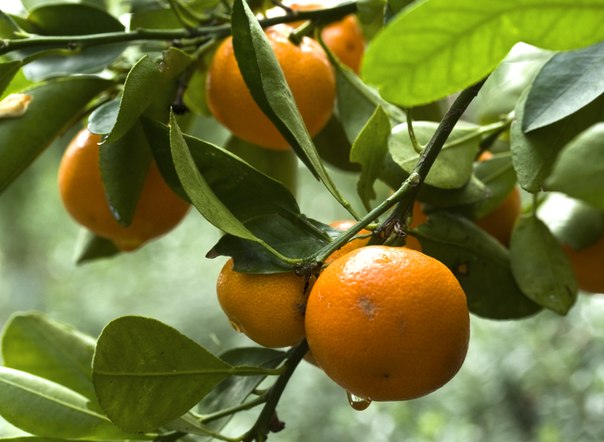
It’s hard to mistake the familiar aroma of Sweet Orange essential oil!

I find myself smiling every time I breathe it in. Sweet Orange (Citrus sinensis) has such a bright, fresh scent that reminds me of warm summer days, feeling happy and healthy and the sense that anything is possible.

In this Spotlight, I’ll share some of the many ways you can use Sweet Orange essential oil, including a recipe for kitchen and bathroom cleaner that actually makes cleaning fun . . . or at least more “sweet!”


1. Use Sweet Orange essential oil to ease tension.

Tension, both physical and emotional, just seems to melt away under Orange’s sunny glow. Got the blues? Use some Orange! It helps everything flow more smoothly. I love Orange in blends that encourage digestion, relaxation, optimistic energy, clear thoughts, and overall health and happiness.

Orange is a great reassuring sidekick. You can keep it…

View original post 3,004 more words