Getting to Know Lyre-Leaf Sage

Getting to know Lyre-leaf Sage …

Crooked Bear Creek Organic Herbs's avatarCrooked Bear Creek Organic Herbs

Having fallen into disuse, this North American species is making a comeback thanks to some notable herbalists and a nod from the Herb Society of America.

Graceful, light-blue wildflowers border the roads and cover swaths of meadows in periwinkle, from the Mid-Atlantic to Missouri and from Florida to Texas. Known as “just a roadside weed” or invasive species, lyre-leaf sage has a lengthy history. A much-valued wild edible and medicinal plant of indigenous people, and a time-honored remedy in the southern folk traditions, this North American sage has been chosen by the Herb Society of America as the Notable Native Herb of 2018.

lyre leaf sage

Lyrata in the Garden

A beautiful, wild, flowering plant, lyre-leaf sage {Salvia lyrata} is part of the Lamiaceae {mint} family along with rosemary and oregano, and it’s closely related to garden sage {Salvia officinalsi}.

The only sage native to the United States, it has reportedly grown as…

View original post 2,060 more words

Scientists Discover How Chinese Medicinal Plant Makes Anti-Cancer Compound

Chinese Medicinal Plant Makes Anti-Cancer Compound …

Crooked Bear Creek Organic Herbs's avatarCrooked Bear Creek Organic Herbs

New research led by Professor Cathie Martin of the John Innes Centre has revealed how a plant used in traditional Chinese medicine produces compounds which may help to treat cancer and liver diseases.

The Chinese skullcap, Scutellaria baicalensis – otherwise known in Chinese medicine as Huang-Qin – is traditionally used as a treatment for fever, liver and lung complaints.

Scutellaria flower

Previous research on cells cultured in the lab has shown that certain compounds called flavones, found in the roots of this plant, not only have beneficial anti-viral and antioxidant effects, but they can also kill human cancers while leaving healthy cells untouched. In live animal models, these flavones have also halted tumor growth, offering hope that they may one day lead to effective cancer treatments or even cures.

As a group of compounds, the flavones are relatively well understood. But the beneficial flavones found in Huang-Qin roots, such as…

View original post 349 more words

Summer Herbs: Feverfew {Tanacetum parthenium}

Summer Herbs: Feverfew …

Crooked Bear Creek Organic Herbs's avatarCrooked Bear Creek Organic Herbs

Also, Known As:

  • Bride’s Button
  • Compositae
  • Featherfew
  • Featherfoil
  • Febrifuge Plant
  • Feverfew
  • Wild Chamomile

The feverfew herb has been used as an herbal remedy since the time of Dioscorides-78 A.D. The herbal remedies made from the feverfew was used to treat problems such as a headache, the development of menstrual irregularities in women, disorders such as stomachaches, and all types of fevers in particular. The common name of the herb itself is a simple corruption of the name in Latin- febrifuge or the fever reducer. Botanist is still agreed about what proper scientific name to give to this strongly aromatic and perennial herb. The feverfew belongs to the plant family Asteraceae, the disagreement among botanists about naming the plant has been existing for a long time now. The feverfew was in fact, placed into five different genera at different times. At this present time, the herb is known by the botanical name Tanacetum parthenium…

View original post 2,861 more words

Southwest Gardening: Sacred Mesquite ~Recipes

By Crooked Bear Organics

Crooked Bear Creek Organic Herbs's avatarCrooked Bear Creek Organic Herbs

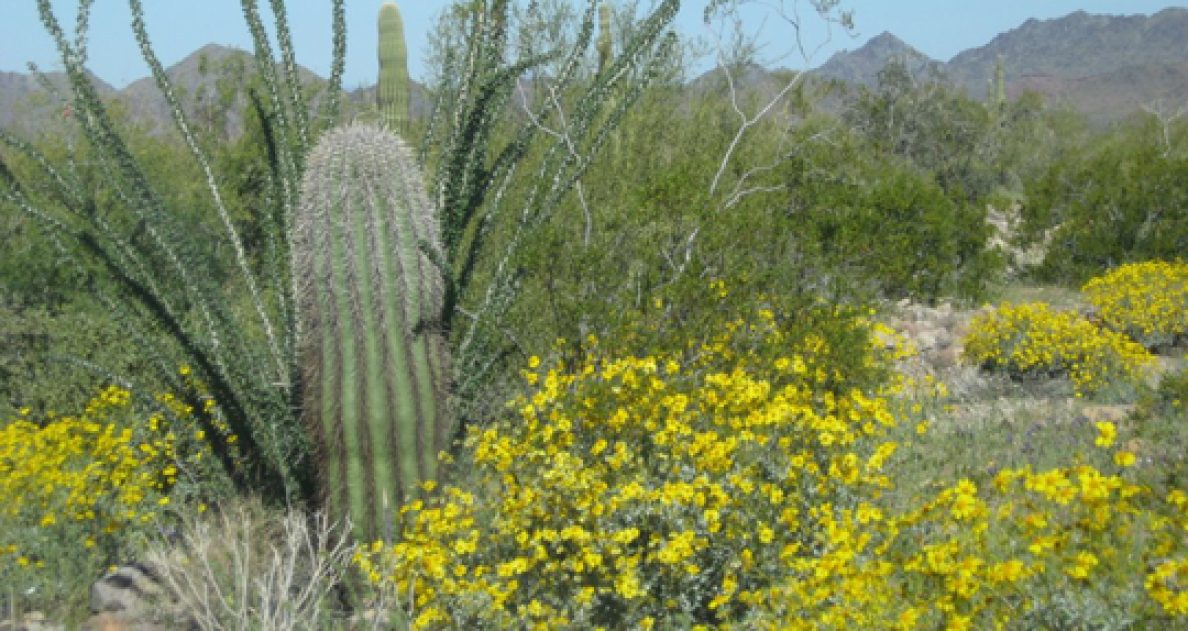
Mesquite grows well in desert areas from the southwestern United States to the Andean regions of South America. Traditionally, native peoples of the Southwest depended on mesquite. It provided food, fuel, shelter, weapons, medicine, and cosmetics. As times changed, and as refined sugar and wheat flour became staples, the role of mesquite was diminished.

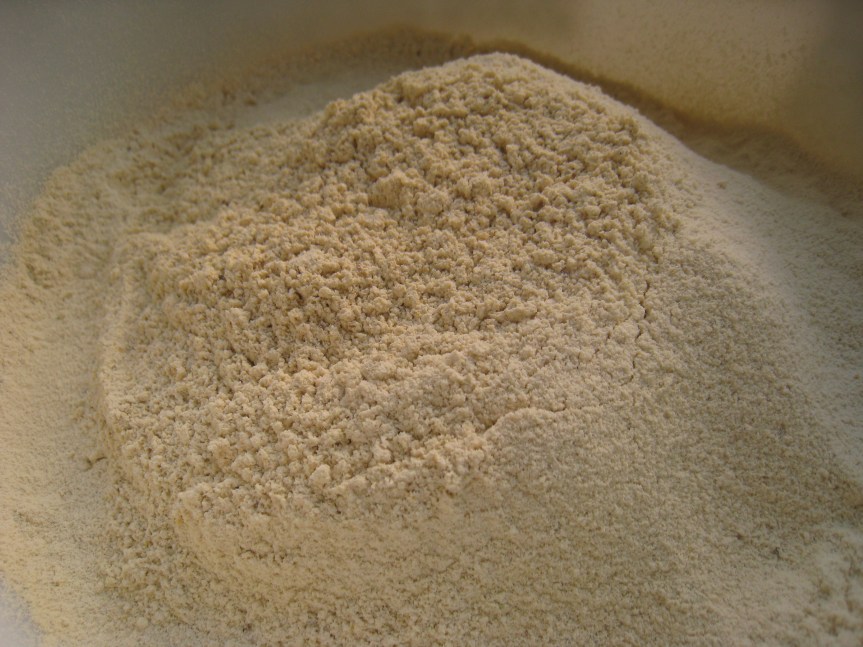
mesquite flour

Mesquite meal was once made by hand-grinding the plant’s seeds and pods on stones. Now modern milling techniques speed up the process, grinding the entire mesquite pod at once, including the protein-rich seed. This produces a meal that is highly nutritious as well as very flavorful. The meal ground from the pod contains 11 to 17 percent protein. High lysine content makes it the perfect addition to other grains that are low in this amino acid.

mesquiteflourfinal400

http://www.mesquiteflour.com/

Although desert dwellers used mesquite pods as a source of food for centuries, when you order and use this product…

View original post 1,746 more words

The Spice Pantry: Clove

By Crooked Bear Creek Organics

Crooked Bear Creek Organic Herbs's avatarCrooked Bear Creek Organic Herbs

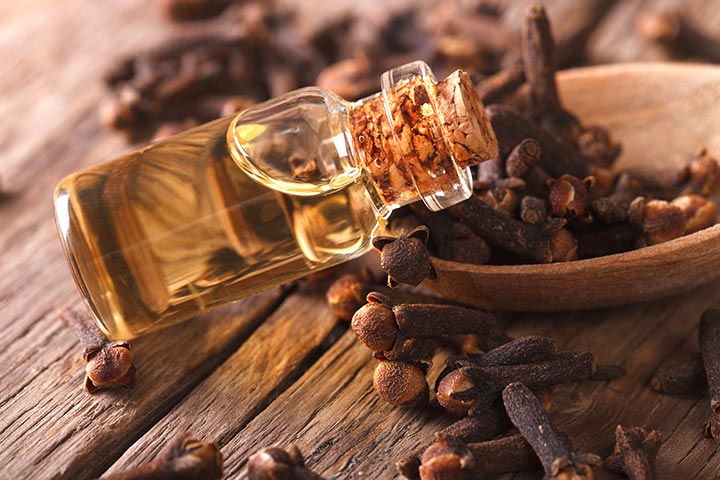
Eugenia carpophyll Ata syn. Syzygium aromaticum

Also, Known As:

  • Clove

The association of the clove with human society is old indeed. The ancient Chinese Han dynasty – lasting from 207 B.C. to A.D. 220, gives us our first clue to the uses of the fragrant clove. Chinese physicians of that era wrote that the court visitors to the emperor were required to hold cloves in their mouths while they addressed the emperor, it would be reasonable to believe that this was to save the ruler from the bad breath of the visitors. The clove is a pungent and aromatic floral bud, and its use as a spice reached Europe around the 4th century A.D. when commercial trading really started with the Arabs who in turn acquired these dried and fragrant buds from the cultures to the east in Asia. The spice trade leading to great competition among European seafaring nations…

View original post 1,900 more words

The Spice Pantry: Benefits Of Cinnamon And Honey

By Crooked Bear Creek Organics

Crooked Bear Creek Organic Herbs's avatarCrooked Bear Creek Organic Herbs

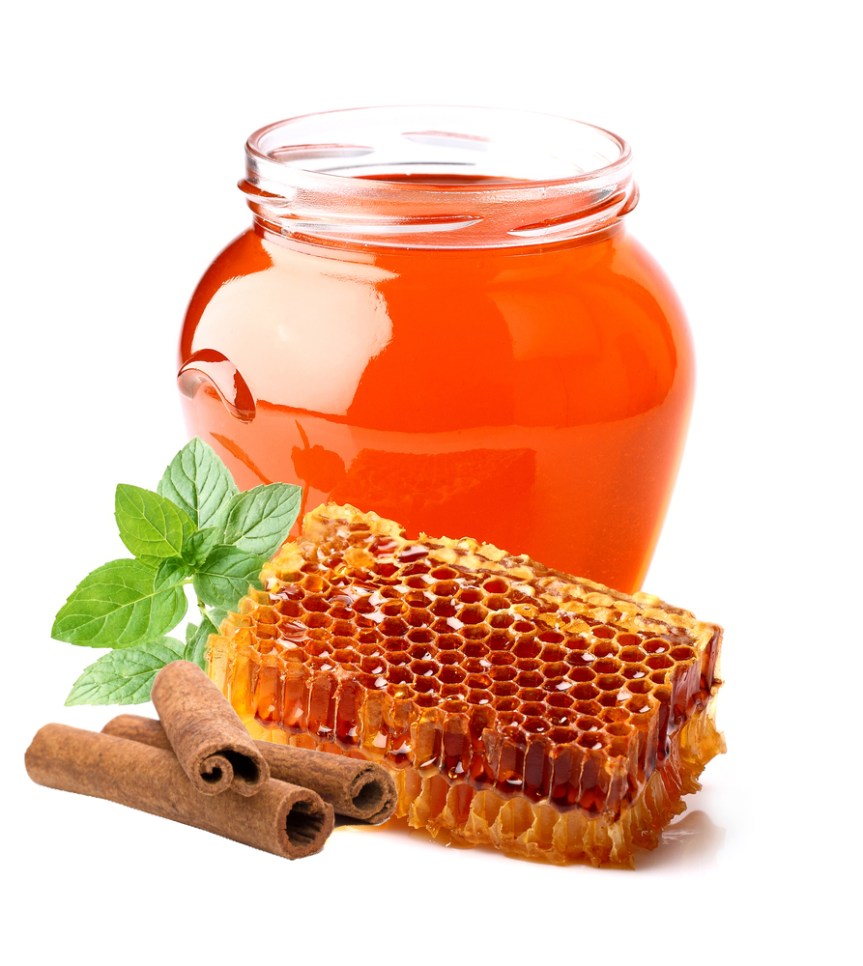
Since ancient times, people have been using a blend of cinnamon and honey to heal several ailments. While honey is readily available in most countries across the globe, contemporary scientists also acknowledge the benefits of honey as a ‘Ram Ban’ or extremely useful medication for almost all types of maladies. What is more significant is the fact that ingestion of honey does not lead to any unfavorable aftereffects in any type of ailment.

According to contemporary science, despite being sweet, taking honey as a medication and in measured dosages is also beneficial for people suffering from diabetes and does not cause any damage. The January 1995 edition of a Canadian magazine called the Weekly World News has published a directory of the maladies that can be healed by taking cinnamon and honey. The report of the magazine is based on the findings of the different studies undertaken by the scientists in the West. The disease-specific findings vis-à-vis…

View original post 1,393 more words

Sacred Tree of India: Amla {Phyllanthus emblica}

By Crooked Bear Creek Organics

Crooked Bear Creek Organic Herbs's avatarCrooked Bear Creek Organic Herbs

Also, Known As:

  • Amla
  • Indian Gooseberry

Amla (botanical name Phyllanthus Emblica) is an elegant ornamental tree, which usually grows up to a height of 60 feet (18 meters). In some rare cases, the tree may even be 100 feet (30 meters) tall. The bark of amla tree is somewhat smooth and has a light greyish-brown hue. Similar to the bark of guava, amla also peels off its bark in thin flakes. Although amla is a deciduous tree, which sheds its leaves and branches from time to time, the tree is rarely found completely bare. Hence, this tree is often described as an evergreen species. Amla trees bear tiny, oblong-shaped leaves that grow up to a length of anything between 1/2 inch and 3/4 inch (1.25 cm and 2.0 cm) in length and they are just 1/8 inch (3 mm) broad. These miniature leaves are disposed of distichously (arranged alternately in…

View original post 3,113 more words

Medicinal Value of Tea Tree {Melaleuca alternifolia}

By Crooked Bear Creek Organics

Crooked Bear Creek Organic Herbs's avatarCrooked Bear Creek Organic Herbs

Also, Known As:

  • Cajeput Tree
  • Melaleuca
  • Manuka
  • Tea Tree

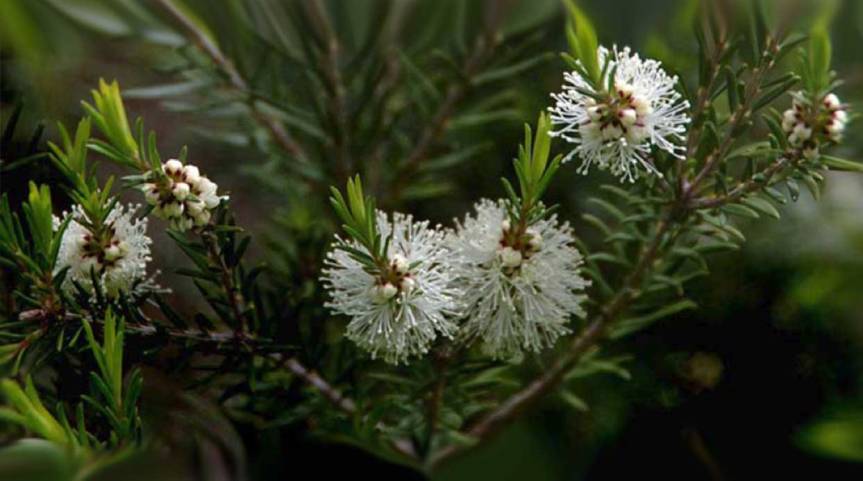
The tea tree is not the common tea plant that produces both black and green tea. In fact, leaves of this tea tree are known as Melaleuca alternifolia and belong to the family Myrtaceae that has long been used by the aboriginals as an antiseptic. This tea tree was first discovered in 1770 when Captain James Cook dropped anchor off the coast of New South Wales and his sailors went aground and prepared a perfumed tea from the leaves of a tree growing in the marshy valley there. Because of the aromatic tea prepared by the sailors, it is called the tea tree and should not be mistaken to be the common tea plant.

In fact, the aboriginals residing in New South Wales used the volatile oil obtained from the leaves of the tea tree to heal scratches, burns, cuts, insect bites, athlete’s…

View original post 1,270 more words

Powerful Herbal Pain Relief

By Crooked Bear Creek Organics

Crooked Bear Creek Organic Herbs's avatarCrooked Bear Creek Organic Herbs

A few days ago, I had the pleasure of visiting the home of a gracious woman who deals in antiques. As I admired the many fine pieces displayed there, I came to realize that I, too, am something of a period piece a baby boomer who’s fundamentally sound but sporting the odd creaky hinge or two.
Fortunately, the herbal apothecary holds promise. Its medicines are good alternatives to non-steroidal anti-inflammatory drugs for chronic, mild to moderate aches and can reduce the need for prescription drugs.
More than 100 plants are known to have pain-relieving properties, but some are really outstanding. Reporting on herbal painkillers for arthritis, a review of clinical trials in the Clinical Journal of Pain says devil’s claw {Harpagophytum procumbens}, capsaicin from hot chiles {Capsicum spp.}, gamma-linolenic acid {GLA} from seed oils, and certain blended herbal extracts are especially good. Other studies indicate broader pain-relieving…

View original post 4,174 more words

Herb Guide: Bay Laurel

By Crooked Bear Creek Organics

Crooked Bear Creek Organic Herbs's avatarCrooked Bear Creek Organic Herbs

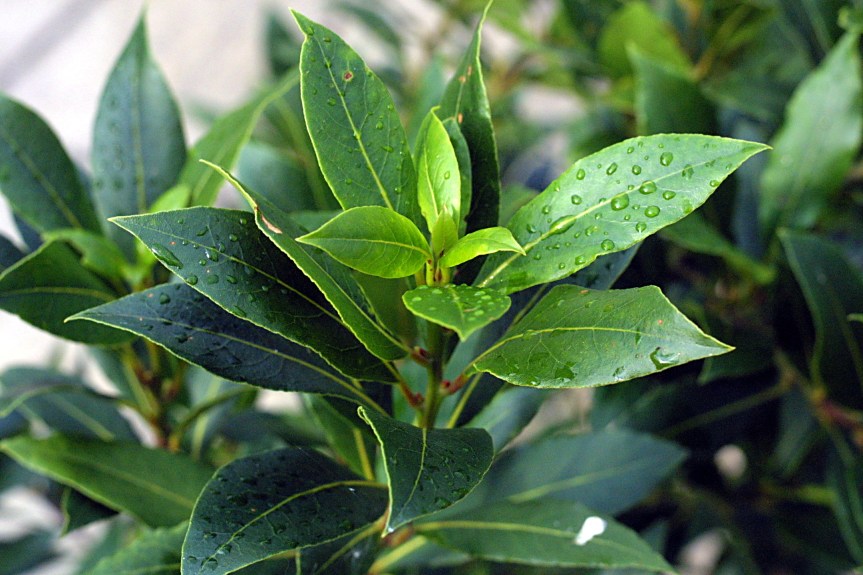
Laurus nobilis

Also, Known As:

  • Bay Laurel
  • Sweet Bay

The herb known as the bay laurel or the sweet bay is native to Asia Minor and the Mediterranean region in general – it is a small evergreen shrub or tree. The early Greeks and Romans admired the bay laurel for its beauty and used the aromatic leaves in many different ways. Bay laurel possesses leathery leaves that are lanceolate and pointed in shape. The leaves also have the maximum oil content during early and mid-summer and this oil content tends to decrease in other seasons. The name “bay” is used to refer to several botanicals – for example, the West Indian bay – botanical name Pimenta racemosa, and the California bay – botanical name Umbellularia californica. Therefore, any of these plants can be called by the name “bay” in the existing herb literature; what is more, some other plants are…

View original post 2,420 more words