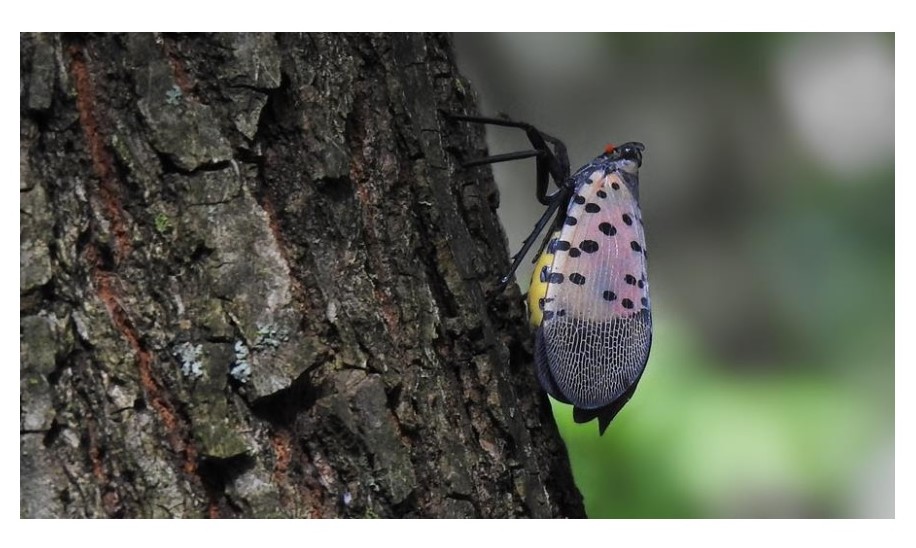
| The devil was on one shoulder. An angel on the other. Both were telling me how to proceed, but I couldn’t decipher which voice belonged to which entity. “Cut the bag open,” one voice instructed.” Leave it alone,” said the other. Apparently, my former sense of good and evil was blurred. Who was the devil, and who was the angel? It all started when I was driving on a backcountry road in Pennsylvania. I encountered a stand of tree-of-heaven (Ailanthus altissima) whose trunks were adorned with plastic contraptions. “Spotted lanternfly traps,” I thought to myself. Curious to see how effective the contraptions were, I pulled over. The traps were constructed 5 feet from the bases of the trees. Each trap was clearly occupied. I decided to take a closer look. The first trap held dozens of spiders and beetles — some of them alive, many of them dead. The number of spotted lanternflies within this trap equaled exactly zero. I then checked trap number two. Like the first trap, this one also held dozens of spiders and beetles. The number of spotted lanternflies within this trap also equaled exactly zero. Every trap was like this. None contained a single spotted lanternfly. All imprisoned spiders and beetles. Thinking what my role in all of this should be, I soon found myself accompanied by two supernatural advisors — one on each shoulder. Cut the bags open? Or walk away? Cutting them open — or at least permanently disabling the traps — would release the living insects and ensure that no more would perish. Doing so, however, would benefit spotted lanternflies — insects that are deemed invasive and destructive in North America. What was the right thing to do? Questions on the topic of invasive species weren’t new to me. They had materialized before. What was right? What was wrong? What was good? What was bad? Who belonged? Who didn’t? After much pondering over the years, I’ve come to realize that questions will always be plentiful. In a brand new video, I ask several questions on the fascinating topic of invasive species. Few of these questions have simple answers, but all are deeply considered. If you are interested in hearing my thoughts, you can watch the video here. Thank you for your support. — Adam Haritan |


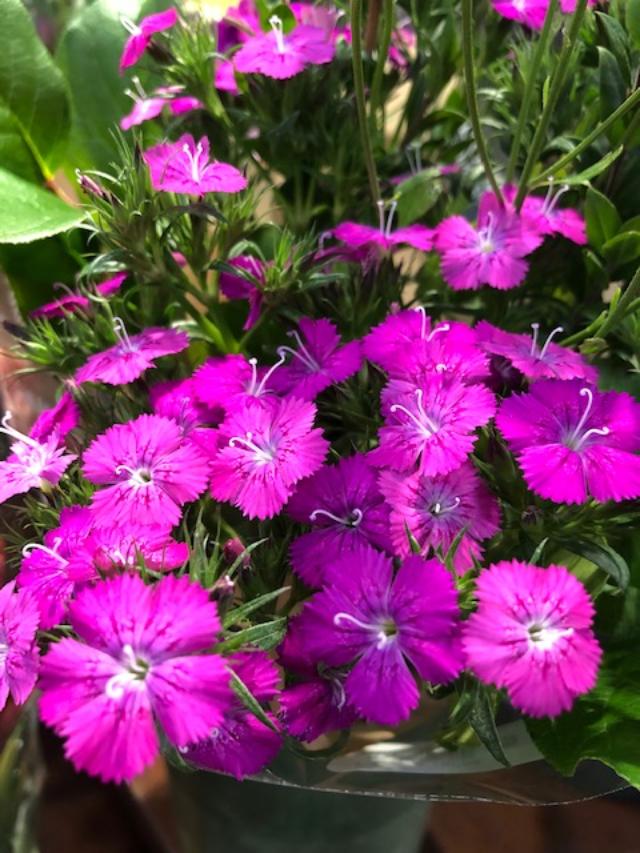 Dianthus is The Herb Society’s Herb of the Month for April. The timing is perfect as the weather is beginning to be spring-like, and these plants are now available in our garden shops. The Greek botanist, Theophrastus (371-287 BCE), is credited with giving these flowers their name. He combined the Greek word for dios, “divine,” with anthos, “flower” and came up with dianthus.Dianthus have been cultivated and bred for over 2,000 years, and many different colors and flower types have been developed along the way. With successive breeding, however, many of the cultivars have lost their native clove-like scent.
  Are you interested in learning more about the herbal uses of plants from around the world? Are you ready to challenge your horticultural skills in a public garden setting? Are you enthusiastic about sharing that knowledge with people? Then, consider joining our team!
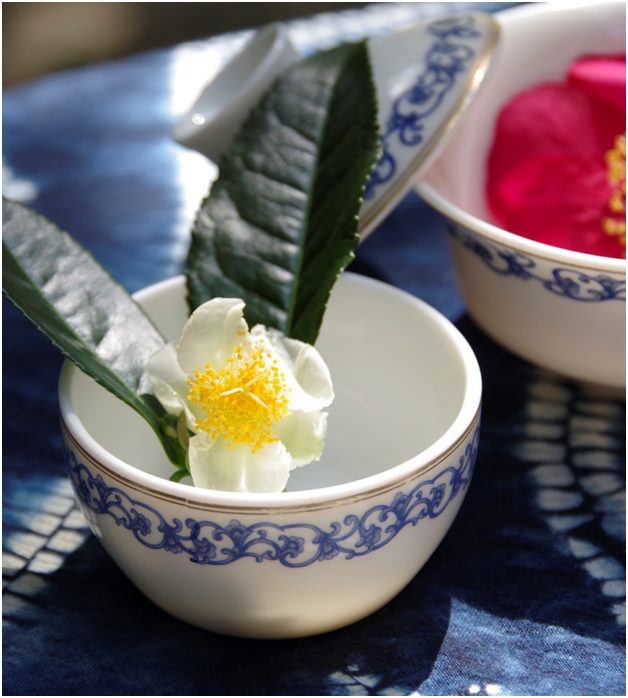 Many gardeners are surprised to learn that
 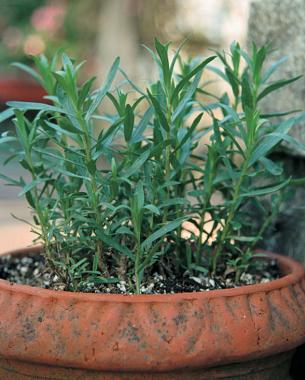 It pays to pay attention to plant labels. Especially in the case of tarragon–especially if you are planning to use tarragon in your cooking. If you are growing tarragon for culinary purposes, be sure the label on the plant or seed that you buy says “French tarragon” or Artemisia dracunculus ‘Sativa’, to be sure. If the label says only “tarragon,” you may be purchasing Russian tarragon, which is not the tarragon you want for your roast chicken or béarnaise sauce.
  When I think of herbs for Christmas, I always think of the Simon and Garfunkel “Scarborough Fair” song: “Are you going to Scarborough Fair? Parsley, sage, rosemary, and thyme.” Sure, there is peppermint and plenty of spices, but these herbs seem to be the most popular during the holidays. I think that is because these plants are still green in the garden. In my USDA Hardiness Zone 7 Virginia garden, I can still pick these plants in December to use in the kitchen. My mint plants, always in containers, overwinter well, and I can harvest spearmint and peppermint.
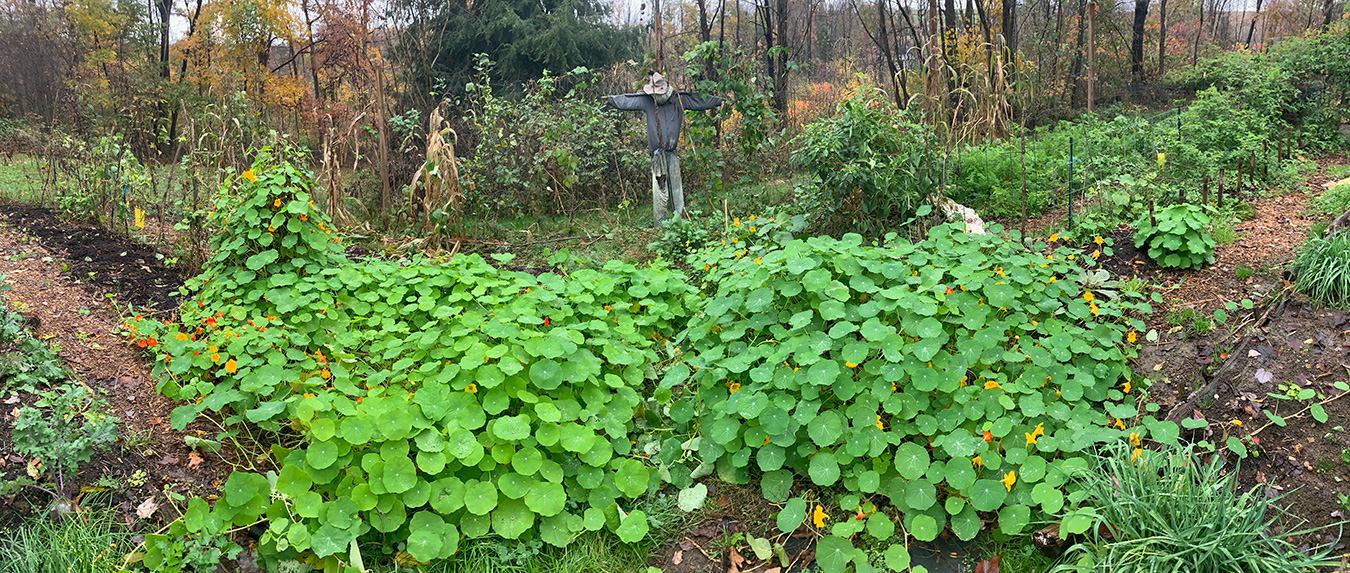

 Paths I Walk
You must be logged in to post a comment.