Let Us Stroll the Primrose Path of Dalliance

The Herb Society of America's avatarThe Herb Society of America Blog

By Kathleen M Hale, Western Reserve Herb Society

20190505_163700The botanical family name of the common or English primrose, Primula, comes from the diminutive of the Latin word for “first.” And the common name “primrose,” derived from prima rosa (“first rose”), is also a reference to the primrose being one of the first flowers of spring. This is not the evening primrose (Oenethera), or any of the other, more ornate, forms of Primula. This is the quintessentially English cottage garden flower.

Of course, it is then described as “vulgaris.” Sounds harsh. But this is not a matter of judgment of the primrose’s character. It’s just that, where the primrose is happy, it is very happy. It grows and spreads in abundance in cool, moist places.

This does not describe the micro-climate in most of our homes when primroses beckon so invitingly from the grocery store aisles shortly after the winter holiday…

View original post 281 more words
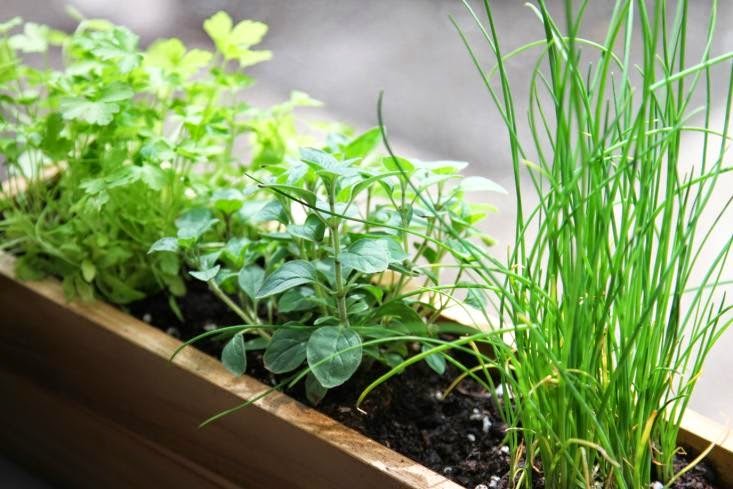
Herbs for Your Windowsill

Crooked Bear Creek Organic Herbs's avatarCrooked Bear Creek Organic Herbs

Like the idea of growing your own medicinal plants? Look no further than your windowsill or patio garden for these four standbys of ours: lemon balm, sage thyme, and peppermint. These herbs are familiar to us from grandma’s recipes and as lyrics in songs, but they may be less familiar as medicine. Lemon balm, also known as “hearts delight” and the “gladdening” herb, has long been treasured for its ability to soothe the nerves and uplift the spirit. An old Arabian proverb says that “balm makes the heart merry and joyful.” From ancient times, though, sage was used for digestive troubles, heartburn, depression, and even dementia. Thyme is excellent for treating sore throats and bronchitis. Make thyme tea with honey to soothe those colds and coughs. And women listen up, for bloating and digestive issues associated with our monthly cycle thyme is an excellent soother and diuretic. Another great herb for digestion…

View original post 305 more words

Lemon Balm Infused Oil

The Business of Herbalism

Crooked Bear Creek Organic Herbs's avatarGood Witches Homestead

Botanical medicine, the art, and science of collecting, preparing, and utilizing plants for healing, is one of the oldest healing methods in human history. The World Health Organization estimates that 80 percent of the world’s population presently uses herbal medicine for some aspect of primary healthcare.

There is a wide range, however, in what is marketed as herbal medicine. The effectiveness of botanical medicine necessarily depends on the quality and vitality of the original plant material and on the care and attention brought to harvesting, processing, and storage. These issues are crucial to the quality of any product we consume; they are especially important when we use remedies as medicine for healing.

As the natural products industry has grown—it was measured to be $5 billion in the United States alone in 2009—compromises have been made along the chain of production that undermine the integrity and efficacy of the medicines produced…

View original post 1,758 more words

Native foods including rare strains of corn, beans and squash making a comeback

Druidry for the 21st Century: Plant-Based Spiritual Supplies and Global Demand

Dana's avatarThe Druid's Garden

Can you even imagine druidry without plants or trees?  Plants and trees are some of our strongest allies for the work that we do, and are often connected to almost everything that we do spiritually. Plant spirits are teachers, guides, and allies.  From before we had recorded history in any culture, the plant spirits were there, growing with us, guiding us, healing us, and supporting us on our journey. Today’s modern druid practice continues that tradition: we burn plants for smoke cleansing, clearing, and helping to energize spaces. We use trees as part of divination and sacred rites. We use plants as healers, for magical healing and physical healing, and to connect with on deep levels.  Plants have long been friends of humans–and have long walked beside us, hand in hand, as we do our sacred work.  And today, we’ll explore ways we can offer that same kind of honor…

View original post 3,203 more words

Medicinal and Culinary Uses for the Shy Violet

Crooked Bear Creek Organic Herbs's avatarCrooked Bear Creek Organic Herbs

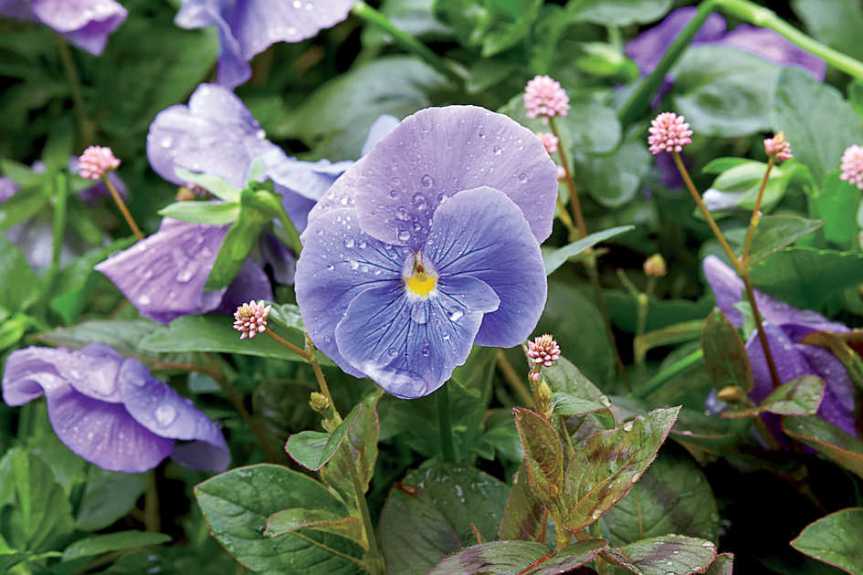
While violets’ delicate blossoms are a treat only for the observant, the plant has enjoyed a long history of medicinal and culinary use.

Leigh Hunt, an English Romantic essayist, and poet is the first known author of the phrase “shrinking violet.” In 1820, he published a passage describing a bit of woodland in The Indicator, a poetry magazine: “There was the buttercup, struggling from a white to a dirty yellow; and a faint-colored poppy; and here and there by the thorny underwood a shrinking violet.”

Hunt was almost certainly referring to the native English, or sweet, violet (Viola odorata). This shy plant can often go unremarked underfoot, and it carries its small, slightly recurved flowers level with or just below its leaves. The phrase “shrinking violet” took a few decades to catch on — but when it did, it spread rapidly, much as its parent plant does…

View original post 1,865 more words

The Druid’s Garden: Principles of Sacred Gardening

Dana's avatarThe Druid's Garden

Part of my own Druid's Garden! Part of my own Druid’s Garden!
One of the greatest blessings of gardening and growing things is the deep energetic connections that you can develop with plants. When I grow a pepper in my garden, I have developed a relationship with that plant from the time I planted the seed in February, where I tend it and keep it sheltered from the winter weather, to the planting and mulching of that small pepper in late May. This relationship continues as I nurture it into maturity throughout the summer, where flowers and the actual peppers start to emerge. I monitor that pepper plant for insects and disease and do what I can to ensure its success. Finally, I watch the peppers grow large and fat in the heat of the summer. At that point, I have an eight-month relationship with that pepper plant. When I eat the pepper in late August, I know…

View original post 2,836 more words

Let Spring Begin…

Crooked Bear Creek Organic Herbs's avatarGood Witches Homestead

Spring is a time of new beginnings and fresh starts.  It’s a time to let go of old habits, get rid of old or unwanted things, and give yourself a new start in life. Whether you’re looking to do a deep cleaning of your house or health, we’ve got the natural products to help you do it.

So, what are you waiting for? Take advantage of this time of year to enjoy the simple things in life and take the first steps towards a new you!

Good until 3/04/2019

A Little Something Worth Trying

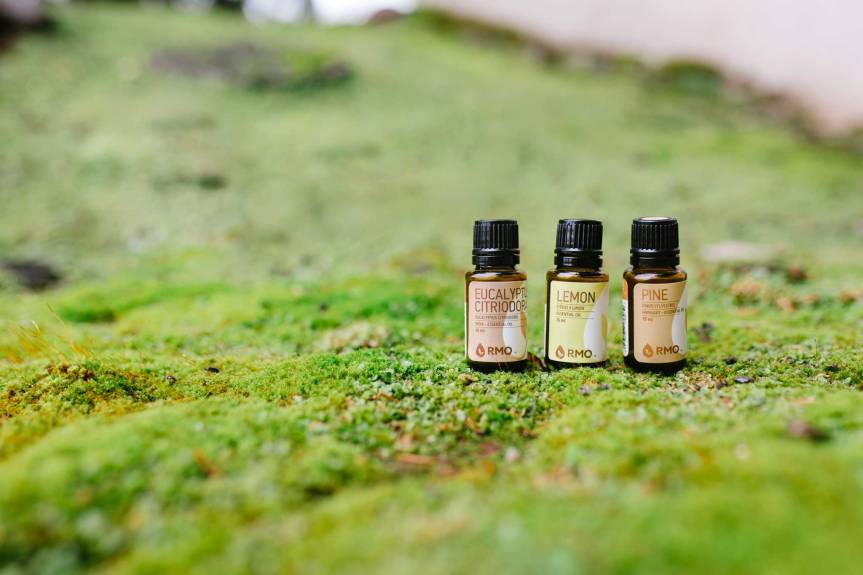
Forest Fresh Diffuser Blend

Step in to spring and warmer weather with this diffuser blend. It’ll have you wanting to head out to green mountainsides for a spring picnic!

Spring Vernal Equinox

Date When: March 20, 2019; March 20, 2020

Ah, Spring! A time when “a…

View original post 371 more words

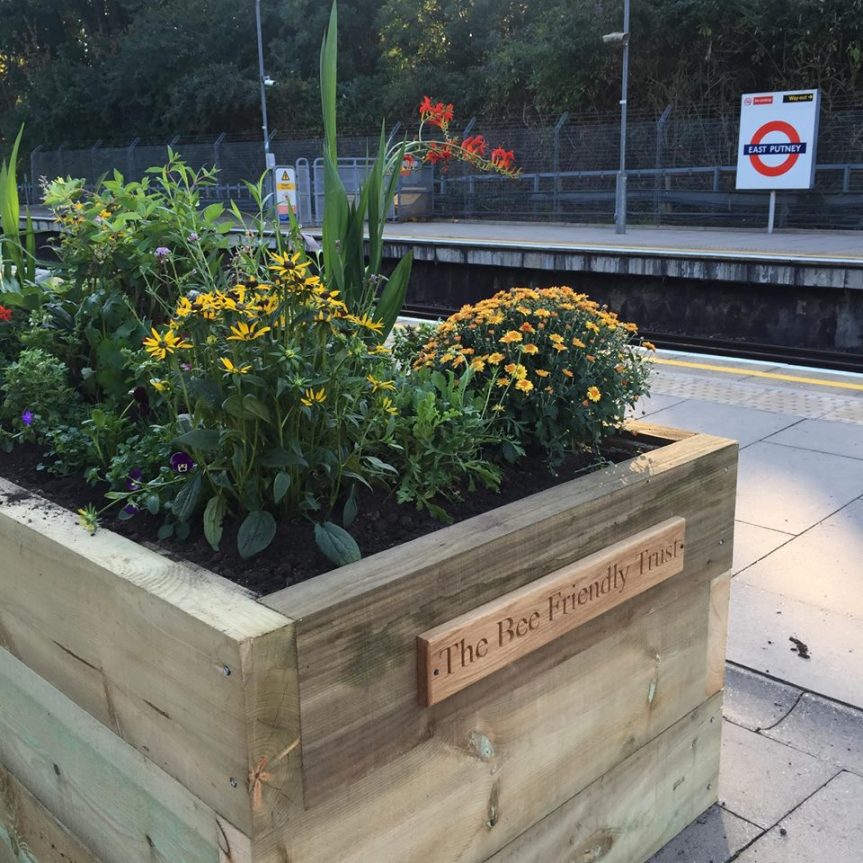
The Bee Friendly Trust transforming station platforms into habitats for honeybees to thrive