HSA Webinar: A Recipe for Success

The Herb Society of America's avatarThe Herb Society of America Blog

By Bevin Cohen

I’ve long been amazed by the generous bounty offered to us by Mother Nature. Even as a young boy picking wintergreen berries in the woods, I just couldn’t believe that these tasty treats were available for me to enjoy, in quantities greater than I could ever consume, and the only cost was an afternoon in the shady forest, harvesting the luscious fruits as I listened to the melodious whistling of the birds and the occasional scurried sounds of a startled chipmunk or squirrel. 

As an adult, my appreciation for Nature’s endless gifts has only deepened, and I find IMG_1408myself preaching her message of abundance to anyone willing to listen. Through my work as an author, herbalist, and educator, I’ve been placed in a unique position to share my knowledge, experiences, and passion with audiences the world over, and the core of my message has always remained the…

View original post 517 more words

Nose-Twisting Nasturtiums

The Herb Society of America's avatarThe Herb Society of America Blog

By Susan Belsinger

Bloody Mary1Plant Profile
Family: Tropaeolaceae
Scientific name: Tropaeolum majus
Common names: nasturtium, Indian cress, trophy cress, trophywort
Native Habitat: Peru, parts of South America
Plant Type: Annual
Growth Habit: Dwarf bushy cultivars grow from 8 to 18 inches in height, while the climbers can easily reach 6 to 10 feet, or more.
Hardiness: Hardy in frost-free locations
Light: Best in full sun; can tolerate a few hours of shade, which produces more leaves with fewer flowers
Water: Moist but not wet; will tolerate some drought
Soil: Friable and porous garden loam, well-drained soil; does well in containers
                                                                                   Propagation

View original post 1,243 more words

Lift Your Personal Power, Health, and Success with Herbs of the Sun | Guest Contributor

Crooked Bear Creek Organic Herbs's avatarGood Witches Homestead

Herbs of the Sun: angelica, ash, bay, calendula, chamomile, celandine, eyebright, frankincense, juniper, mistletoe, rosemary, saffron, safflower, Saint-John’swort, sunflower, tormentilla, walnuts

THEIR PROPERTIES:

Colors: gold, orange
Energies: self-confidence, success, vitality, courage, authority, dignity, fame, self-knowledge
Number: 1
Metal: gold
Stones/materials: diamond, citrine, yellow jasper, topaz
Deities: Ra, Apollo, Helios, Lugh, Isis, Diana, Brigit

In Astrology, the Sun and Moon are called “Planets” for ease of interpretation, but they are obviously not Planets in the scientific sense. In medicinal terms, the Sun could be considered the great restorative. Even as the returning Sun allows plant life to flourish on the Earth, the herbs attributed to the Sun act to restore health and vitality. They stimulate and balance the human health system that suffers from either excess or deficiency.

Many of the plants attributed to the Sun may be considered Solar simply on the…

View original post 835 more words

A Day In the Garden – Urban Moonshine

Crooked Bear Creek Organic Herbs's avatarCrooked Bear Creek Organic Herbs

GO INTO THE GARDEN EVERY DAY, NO MATTER WHAT.

That’s the promise I made at the start of the season. It will be a daily ritual, a practice to keep me in tune with the growth and health of the garden, and a sure way not to miss a bit of garden gossip. Like a bustling city full of honking horns, buses whizzing by, and street conversations half-heard, there is endless activity to observe. Cucumber beetles rapidly working to destroy the cucumber crop. Birds ravishing the cherry tree singing loudly to their friends to join in on the feast. Earthworms patiently turning the soil underfoot. Never a dull moment, but you need to go to the garden every day to keep up.

That has been my biggest lesson gardening this year. If you’re not there to enjoy the first ripe strawberries, the squirrels will be happy to take on that…

View original post 1,040 more words

Amazing Anise Hyssop

The Herb Society of America's avatarThe Herb Society of America Blog

By Susan Belsinger

Agastache foeniculum

——————–Agastache foeniculum——————-

While commonly called anise hyssop, the odor is more similar to French tarragon, though sweeter, with a hint of basil. The foliage and flowers taste similar to the aroma—sweet, with the licorice of tarragon and basil—and just a bit floral.

All of the thirty or so Agastache species are good for honey production and make great ornamental perennials. The flowering plants go well with the silver-leaved species of mountain mint (Pycnanthemum), which flower about the same time in the July garden and also provide good bee forage. The young, broad, dark green leaves of A. foeniculum, tinged purple in cool weather, are attractive with spring bulbs such as yellow daffodils.

Agastache species do not have GRAS status, even though the leaves of many species have been used for centuries as a substitute for French tarragon, infused in syrups…

View original post 827 more words

Crafting Herbal Extracts…. – My Herbal Adventures…

Crooked Bear Creek Organic Herbs's avatarCrooked Bear Creek Organic Herbs

I shared Anne’s email with you and a bit of her website for she is my herbalist, my go-to for tinctures, extracts, balms, etc. I have complete trust in her expertise, the products she endeavors to create, her passion, and drive. I am honored and pleased to introduce you to Anne, my herbalist, and friend.

By the way, here is the link to Anne’s shop…

https://www.etsy.com/shop/AnnesBackyardHerbal

by aspiringherbalist

I have now been crafting herbal extracts, mainly; Tinctures, Glycerites, Vinegars & Skincare Oil infusions, for 4 years now. Even though I am no expert and consider myself a novice, I have learned a new lesson every year. As I learn and read and discover new ways of determining how to best create a plant extract that is both effective & well-rounded, I also have to consider its flavor, consistency and taste. I have experimented with different combinations of solvents over the…

View original post 937 more words

It’s A Lavender Season! Lavender Association of Colorado

Crooked Bear Creek Organic Herbs's avatarCrooked Bear Creek Organic Herbs

The cultivar of the Month

Lavender coloradoJune 2020 Cultivar of the Month
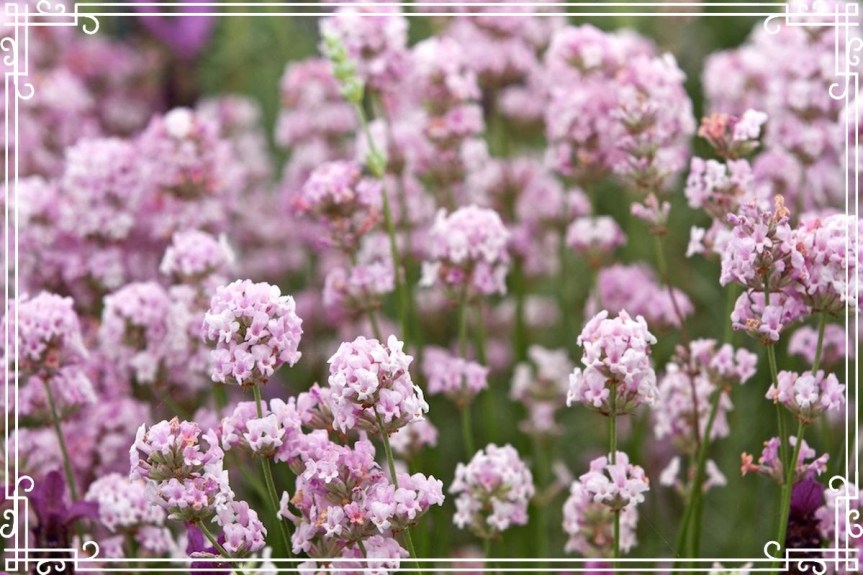
Lavandula angustifolia ‘Hidcote Pink’

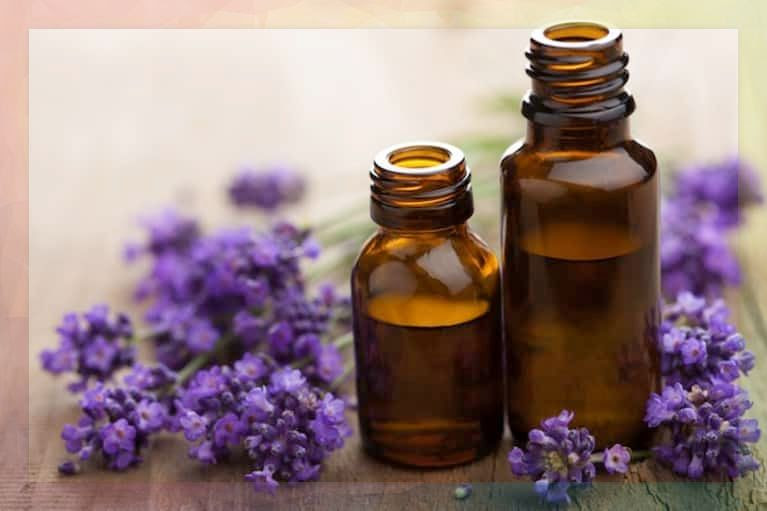
Hidcote Pink is another versatile lavender grown in Colorado.  It is an excellent culinary variety.  It produces an exceptionally sweet oil that several growers use in conjunction with other lavender essential oils to make unique blends.  Planted with purple lavenders, the pink flowers make the purple flowers “pop” in the landscape.
Hidcote Pink is not really good for crafting as in drying it loses its pink color and dries to a brown.
Hidcote Pink plants are 30-40″ tall.  Stems are in the 6-10″ range.  Spacing the plants 36″ apart should allow them to remain separate over the years.
Hidcote Pink was developed by Major Lawrence Johnston in Gloucester, England, and became available around 1958.  It is hardy in zones 5-9.  It blooms once in the spring.

lavender dilution

Dilution The Key To Using Essential Oils Safely

We…

View original post 739 more words

Introduction to Sacred Gardening: Connection, Reciprocity, and Honoring Life — The Druid’s Garden

Walking into a sacred garden is like walking into another world, one full of joy, happiness, and wholeness. Fruit hanging from happy branches, plants coming up from all angles inviting a nibble, a taste, a touch. The pathways spiral and you get lost, looking at flowers, breathing in the fresh air, and tasting the tart […]

via Introduction to Sacred Gardening: Connection, Reciprocity, and Honoring Life — The Druid’s Garden

A Safe Bug Spray That Really Works: Natural Mosquito Repellent

Crooked Bear Creek Organic Herbs's avatarCrooked Bear Creek Organic Herbs

Summer is prime time for enjoying the outdoors. But more often than not, there’s a dark cloud hanging over that backyard barbecue: bugs – and especially mosquitoes. These blood-seeking fun busters expertly follow their senses right to your skin. But if you can repel them with one quick application of bug spray, then what’s the problem? It turns out that many old-fashioned bug sprays contain neurotoxic ingredients that may increase cancer risk. But, worry not – there are plenty of nontoxic essential oil blends that repel the bugs, without the bite to your health.

Why Should We Use Natural Mosquito Repellent?

Mosquito bites are not just annoying. They can also transmit diseases such as malaria, Zika, and dengue fever, among others. So, it’s important to guard against them. Mosquitoes are guided by their sense of smell, which is equipped with hundreds of odor-receptor proteins, and they’re attracted to the carbon dioxide we…

View original post 2,121 more words

Wild Foragers, Violets, Spring Enchantments

Crooked Bear Creek Organic Herbs's avatarGood Witches Homestead

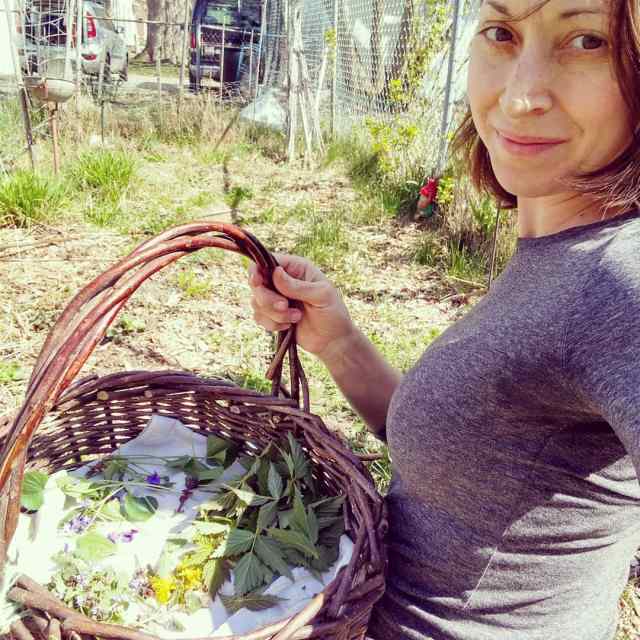
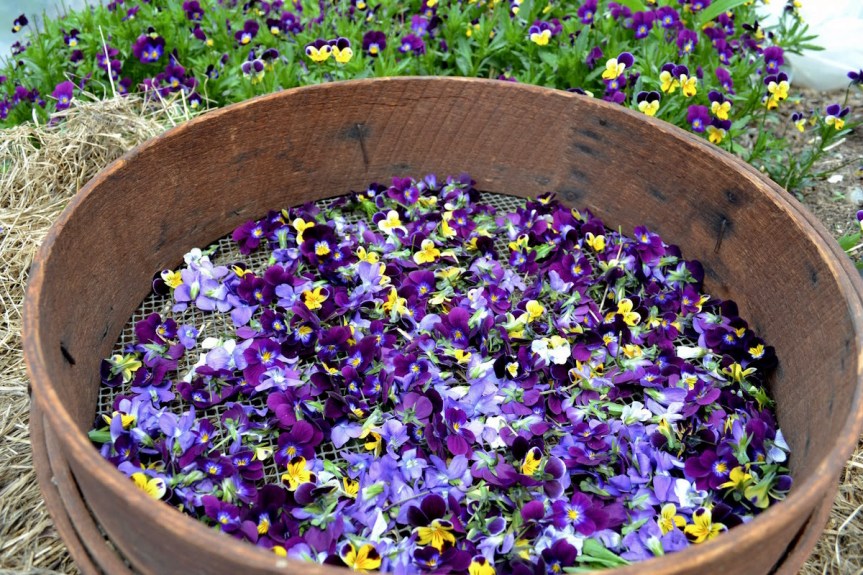
Violet has been on our minds this spring as we see her pretty little flowers blooming here in southeastern Utah. Violets are one of the earliest wild plants to appear in the season, and we are reminded of her beauty as well as her long history of culinary and herbal use that may have us deciding to seize spring for all that it is!

Violet, being rich in vitamin C, indeed has our attention for a supportive immune boost! 

We love to harvest the fresh leaves and flowers to incorporate into springtime salads, juices, and refreshing smoothies. Violet, of course, also makes a really lovely tea, vinegar, or syrup, not only for the vitamin C content but also for soothing respiratory symptoms. 
Violet has a cooling and moistening energy, and its demulcent and expectorant properties are soothing to a sore throat, dry cough, and other respiratory irritation.
The recipe for…

View original post 449 more words