
Good food is bestowed upon those who scout.
This is especially true when we consider what it takes to harvest pawpaws.
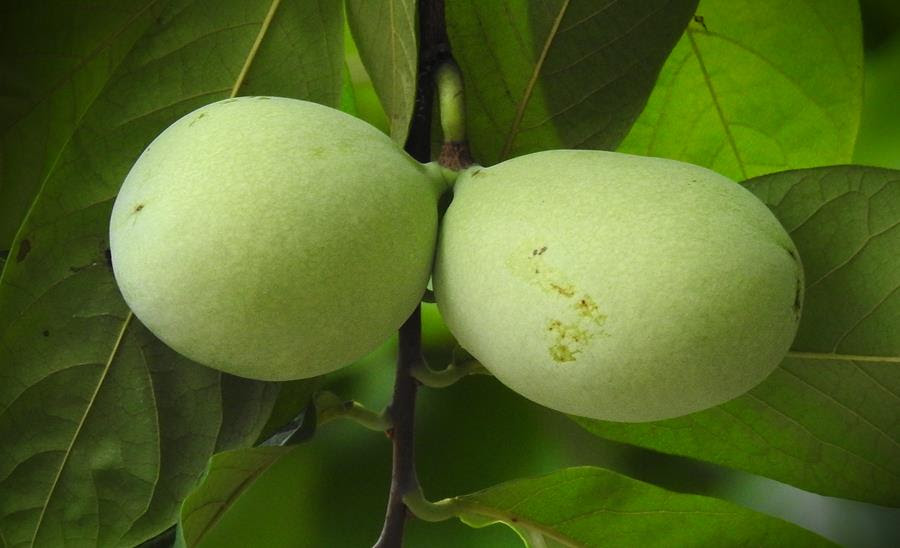
Pawpaws are incredibly delicious fruits that are produced by pawpaw trees (Asimina triloba). Green and kidney-shaped, these tropical-tasting berries are considered to be the largest edible fruits produced by any native North American tree.
Many people are interested in finding pawpaws for the first time this year. Some people will wait until the fruits are ripe in September to begin their search.
I would suggest another approach: begin your search right now.
Scouting the land in advance is an essential part of harvesting wild food. When preparatory work has been done ahead of time, successful harvests are much more likely to occur. Such is the case when we understand what it takes to find pawpaws.
What does preparatory work look like? How do we begin our search for pawpaws? What kinds of habitats are worth exploring?
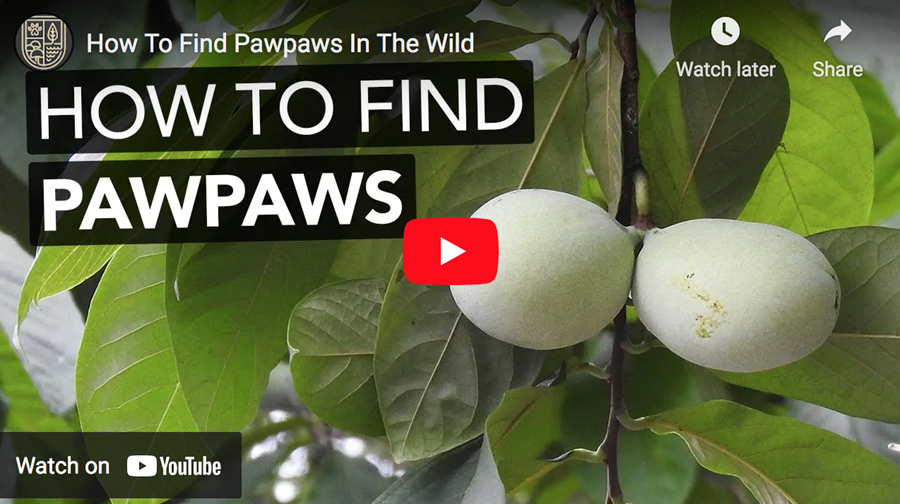
I answer all those questions in a brand new video. If you are interested in harvesting pawpaws this year, check it out!

I was a recent guest on the Silvercore Podcast hosted by Travis Bader. In this conversation, we chat about foraging, the importance of learning trees, and why money is necessary to protect land. You can listen to the interview here.
Thanks for reading and watching, and thanks for your continued support!
-Adam Haritan


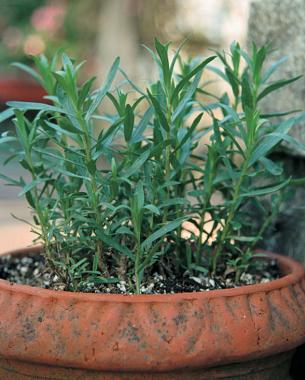 It pays to pay attention to plant labels. Especially in the case of tarragon–especially if you are planning to use tarragon in your cooking. If you are growing tarragon for culinary purposes, be sure the label on the plant or seed that you buy says “French tarragon” or Artemisia dracunculus ‘Sativa’, to be sure. If the label says only “tarragon,” you may be purchasing Russian tarragon, which is not the tarragon you want for your roast chicken or béarnaise sauce.
 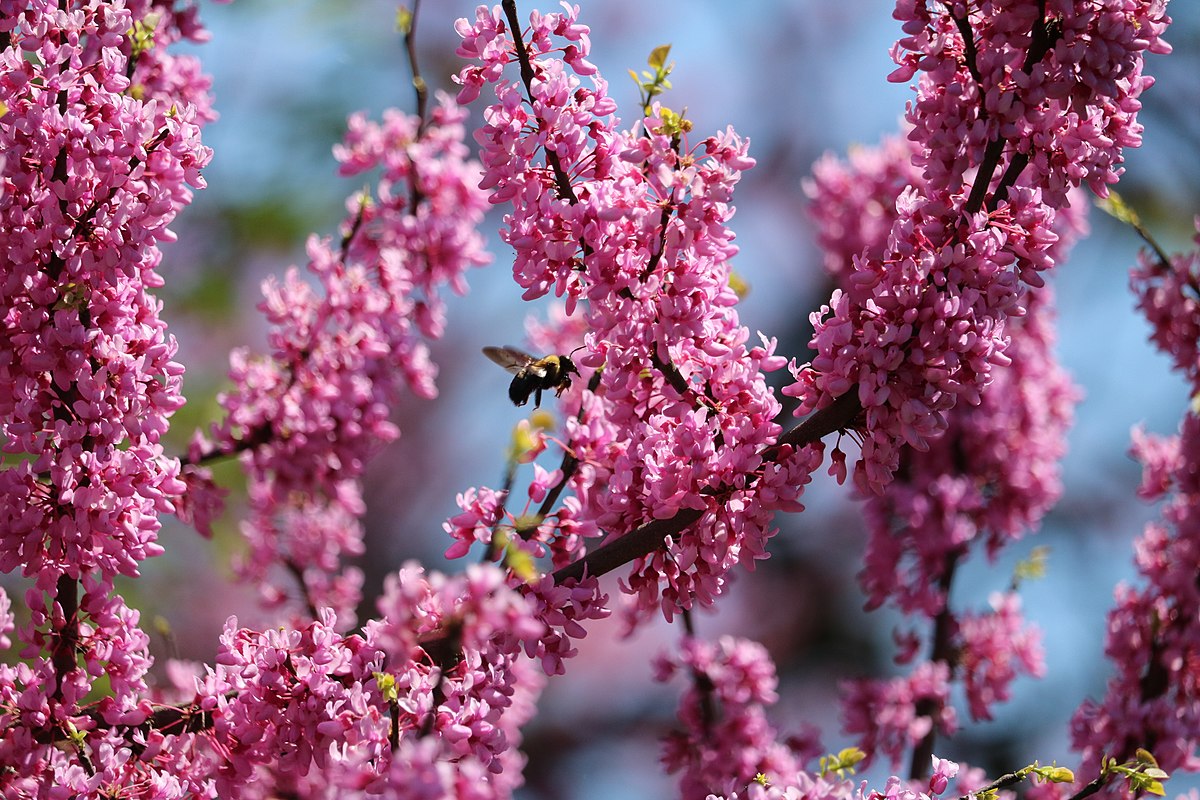 Here in Texas, there’s a saying: “We have two seasons – summer and winter.” That’s not quite true; but if you’re not paying attention, spring can slip right past. And the last thing I want is to miss a single day of our glorious, but ephemeral, spring.

 Paths I Walk
You must be logged in to post a comment.