Foraging & Cooking with Ornamental Purple Plum Blossom: Spring Floral Confections — Gather Victoria

For me, the heady sweet almond-like fragrance of the Ornamental Purple Plum is the very essence of spring. Standing beneath their sensual pink and rose flower-laden branches on a sun-warmed afternoon is an absolutely swoon-worthy experience. Sadly underutilized as a culinary ingredient, plum blossom has a unique scent and flavour which infuses beautifully in cream,…

via Foraging & Cooking with Ornamental Purple Plum Blossom: Spring Floral Confections — Gather Victoria
11 Coffee Alternatives to Help You Kick the Habit

Crooked Bear Creek Organic Herbs's avatarCrooked Bear Creek Organic Herbs

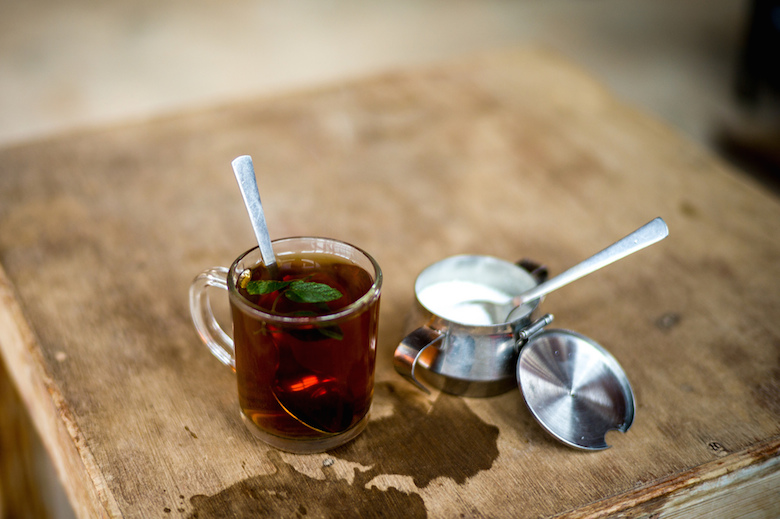
A cup of joe is a key part of many people’s morning routine. Coffee isn’t just aromatic and delicious — it promotes alertness and focus, suppresses appetite, and even aids with digestion.

Coffee acts as a stimulant, which means that it can increase your blood pressure and heart rate; it also gives some people headaches. And while it helps digestion in some people, it can cause stomach pain and indigestion in others, especially people who drink several cups a day.

Maybe your healthcare provider recommended that you reduce your coffee intake or remove it from your diet entirely. Or perhaps you just want to live coffee-free for personal reasons. No matter the reason, we have good news.

Several delicious drinks can ease your transition away from coffee while still providing some or all of the same effects. Many of these coffee substitutes have more natural sugar and no bitter taste, unlike coffee. Here…

View original post 1,852 more words

Svalbard Global Seed Vault: The “Noah’s Ark of Plant Diversity” protecting the world’s seed resources

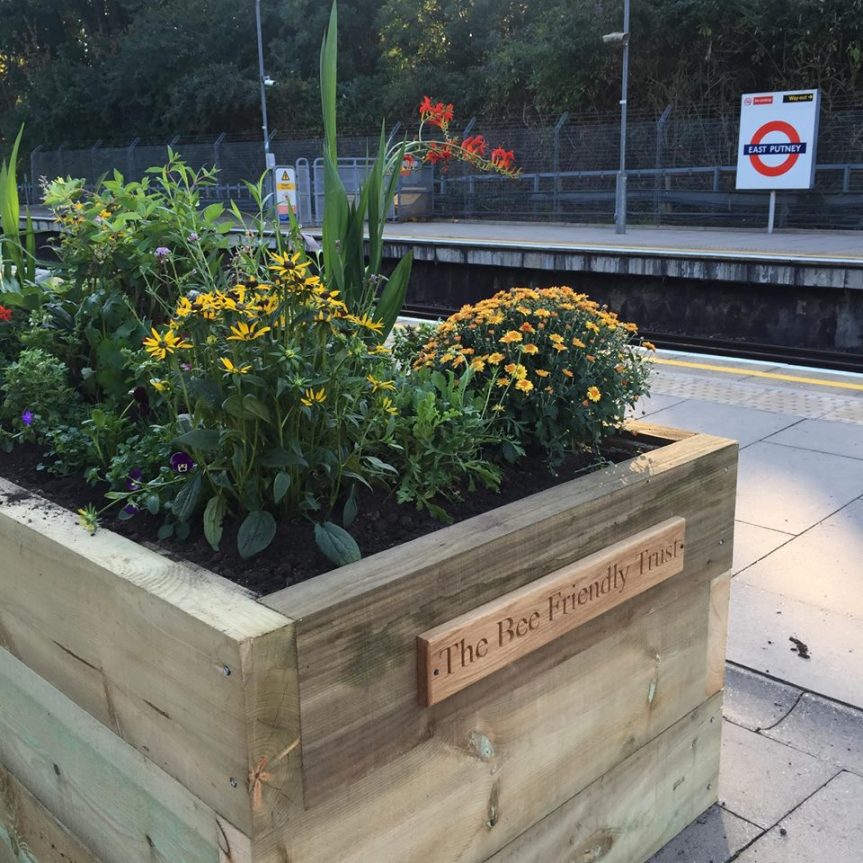
The Bee Friendly Trust transforming station platforms into habitats for honeybees to thrive

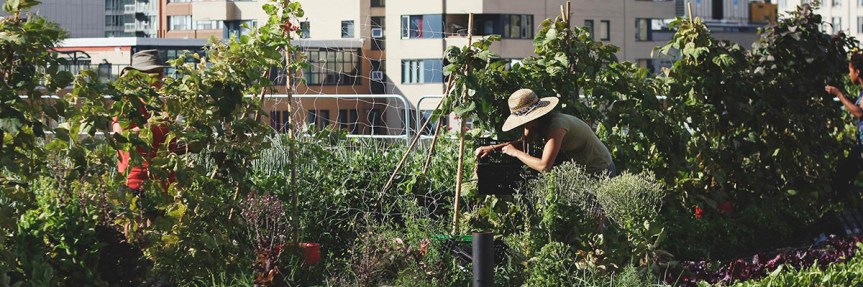
Ryerson Urban Farm: Student-led rooftop farm creating opportunities to learn about growing food

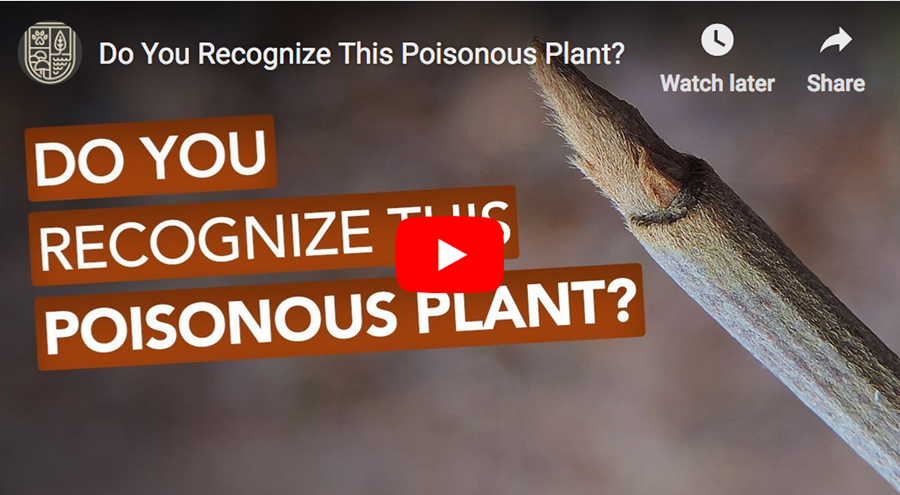
Do You Recognize This Poisonous Plant?

Greetings!

Before I share this week’s video with you, I wanted to provide a quick update regarding the online mushroom foraging video course.  If you’re unaware, I’ve been very busy creating an extensive course designed to teach the necessary skills involved in confidently and successfully foraging wild mushrooms through every season.  The entire course will be available online, and it will feature over 60 brand new instructional videos with guided lessons on:

  • Mushroom ecology
  • Mushroom biology
  • Fungal taxonomy
  • Edible mushrooms
  • Poisonous mushrooms
  • Medicinal mushrooms and extraction techniques
  • Cooking wild mushrooms
  • Mushroom hunting resources

… and lots more.

This project has been a labor of intense love for the past two years and I’m really excited to share it with you!  Registration is set to be open early May, and the best way to stay up-to-date with the release of this course is to continue checking these emails.  Updates will also be posted to the Learn Your Land website shortly.

And now on to this week’s video!

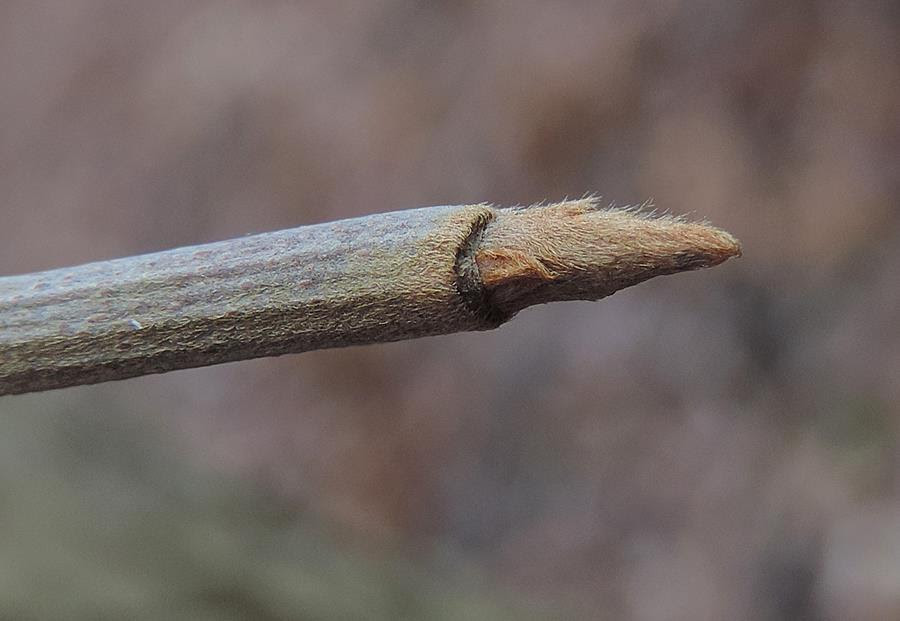
During a recent walk through the woods, I was happy to unexpectedly see a particular medicinal plant whose winter buds and twigs I enjoy.  Upon closer inspection, I realized that not all the buds and twigs in front of me belonged to this medicinal species.

Instead, many shoots around my desired plant actually belonged to a poisonous species.

Luckily, I left the woods unscathed, though I thought I’d film the situation for anyone interested in safely foraging wild medicinal plants.

Do you recognize this poisonous plant?  Check out the brand new video to learn more!

I recently had the pleasure of being interviewed by Sam Sycamore from the Good Life Revival Podcast.  In this interview, we talk about the intersection of health and nature connection, the benefits of knowing how to read the land, and lots more!  You can listen and download the interview here.

Thanks for reading, watching, and/or listening… and as always, thank you for your support!

-Adam Haritan

See more of Adam’s videos at: Learn You Land

How to select, prepare, store and preserve Sage [Infographic]

ecogreenlover's avatarecogreenlove

Sage is a prevalent herb used worldwide in cooking and herbal medicine. Whether you opt for the fresh or dried form, sage adds a warm, pine-like flavor with hints of rosemary and citrus to any dish.

View original post 294 more words

Golden Bread Magic for The Feast of The Ovens — Gather Victoria

When the landscape outside your window resembles an arctic tundra – as mine currently does – there is nothing better to turn to than warm bread fresh out of the oven. So appropriately, this hearty and flavour-filled loaf is dedicated to the Roman Goddess of Ovens, Fornax, and her February festival of baking. It’s a…

via Golden Bread Magic for The Feast of The Ovens — Gather Victoria

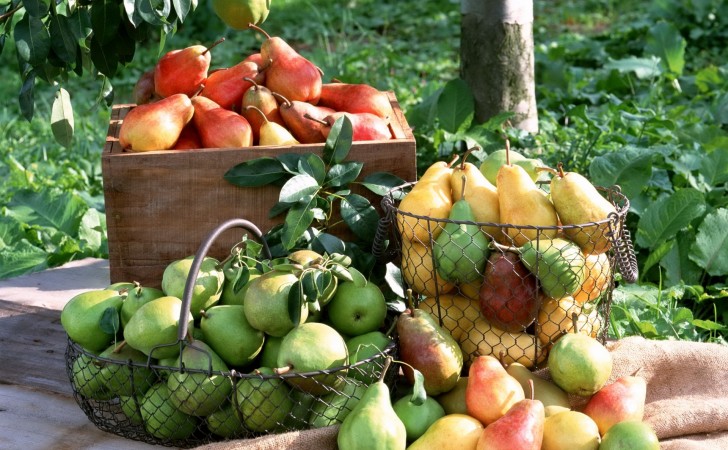
Food as Medicine: Pear (Pyrus communis and P. pyrifolia, Rosaceae)

Crooked Bear Creek Organic Herbs's avatarCrooked Bear Creek Organic Herbs

The genus Pyrus consists of 30 deciduous species and is closely related to the genus Malus, which includes apples (Malus spp.). Both genera are part of the economically important Rosaceae family.1,2 Similar to apples, Pyrus fruits are classified as pomes, where the seeds are contained in a central, compartmentalized core.3 The Pyrus genus is native to Europe, Asia, the Middle East, and North Africa.Capable of living for more than 250 years, the pear tree is one of the longest-living fruit trees.1 Cultivated pears are derived from one or two wild pear species widely distributed in Europe and western Asia.2 Of the 5,000 varieties cultivated worldwide, the two species grown commercially are the European pear (P. communis) with its juicy, aromatic, bell-shaped fruit, and the Asian pear (P. pyrifolia) with its crisp and crunchy, apple-like shape and texture.1,2,

The…

View original post 3,242 more words

Primrose; The Flower of February

Crooked Bear Creek Organic Herbs's avatarGood Witches Homestead

COMMON NAME:  primrose
GENUS:  Primula
SPECIES, HYBRIDS, CULTIVARS:
P. denticulata-lavender, purple, or white flowers; grows to 12 inches. P. japonica ‘Millar Crimson’-flowers whorled around 24-inch stem; blooms May-June. P. polyanthus-best known; colors are red, pink, blue, gold, and white, all with small yellow eyes.
FAMILY:  Primulaceae
BLOOMS:  spring
TYPE:  perennial
DESCRIPTION:  Primroses form an attractive rosette of crinkly, light green leaves. The flowers are generally brightly colored and occur in tight bundles on individual stems above the leaves.
CULTIVATION:  Needing partial shade, primroses thrive in well-drained, rich soil. They are indigenous to cool, moist meadows and woodland environments  Duplicating these conditions as closely as possible will create the best growing conditions for primroses. The soil should not be allowed to dry completely. To retain vigorously blooming plants, divide clumps every four to five years. Seeds should be sown in midsummer for bloom the following spring.

Primrose is beloved…

View original post 705 more words