Cinnamon is the name for several plant species in the laurel family (Lauraceae). It is a small tropical evergreen tree with aromatic leaves and bark. The spice, cinnamon, is the bark of the tree which has been shaved, rolled, and dried into the familiar tubes called “quills.”
The two most common cinnamon species are “true” or Ceylon cinnamon (Cinnamomum verum) and cassia cinnamon (Cinnamomum aromaticum). “True” cinnamon is grown in Sri Lanka. Cassia cinnamon is grown in Southeast Asia and is the one found in the spice section of your grocery store. The two cinnamons differ in taste and color, with the “true” cinnamon having a more subtle, delicate flavor and a lighter color. It is also more expensive. The picture is a good illustration of the difference between the two cinnamons. The cinnamon on the left is the coarser cassia cinnamon. The…
To determine whether a mushroom is edible or not, time is one factor worth considering.
A mushroom that has been eaten for centuries with few adverse events reported is a mushroom that most people would consider to be edible.
On the other hand, a mushroom with a centuries-old reputation of being toxic is certainly a mushroom whose edibility should be called into serious question, even in modern times.
But not all mushrooms fit neatly into those two categories.
Take the Yellow Knight, for instance.
The Yellow Knight is a wild mushroom that had been safely eaten for centuries. In the 1990s, however, consumption of the Yellow Knight suddenly and unexpectedly became linked to multiple human poisonings. Some of these poisonings resulted in death.
During a recent walk through a pine forest, I encountered the infamous Yellow Knight mushroom. After careful consideration, I decided to harvest the mushroom and cook it, and in the following video I explain why I would do such a thing.
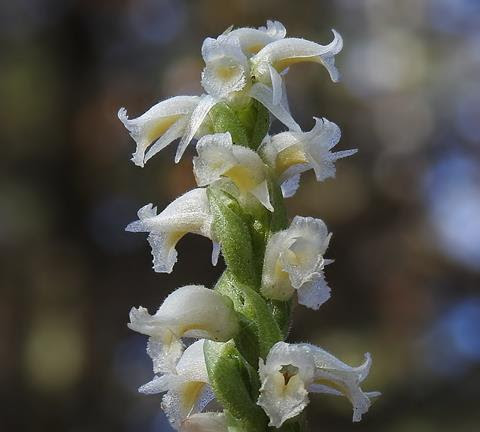
Deeper into the forest full of Yellow Knight mushrooms, this wildflower was blossoming under red pine trees. Known as Yellow Ladies’ Tresses, this orchid is involved in a tangled web of specialized relationships. Check out this recent Instagram post to learn more.Click to view post
Thanks for reading and watching, and thanks for your continued support!
The tamarind tree (Tamarindus indica) is one of many tropical herbal trees. Its leaves, bark, wood, roots, and fruits have many uses. The tamarind tree is also an evergreen, long-lived landscape tree, reaching a height of 40 to 60 feet tall and a width of up to 25 feet wide. Its pinnate leaves close up at night. The branches droop to the ground, making it a graceful shade tree. A mature tree can produce up to 350-500 pounds of fruit each year. It is native to tropical Africa and is in the Fabaceae family.
One of the earliest documented uses of tamarind was found in the Ganges Valley of India, where wood charcoal dating back to 1300 BCE was discovered. Tamarind was mentioned in ancient Indian scriptures as early as 1200 BCE. Arab physicians were reported to be the first to use the fruit pulp…
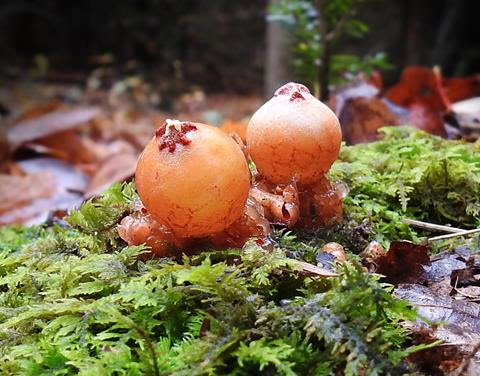
Stinkhorns, with their presumptuous shapes and foul odors, are truly some of the strangest creatures in the biological world. Any rational person could be forgiven for assuming that such bizarre fungi couldn’t possibly be edible.
Fortunately, however, nature isn’t always rational, and foul-smelling entities with presumptuous shapes can sometimes be eaten.
Take Ravenel’s Stinkhorn, for instance.
This strongly-scented fungus grows in wood chips and along trails during the autumn months. As it turns out, Ravenel’s Stinkhorn is considered to be edible with one caveat: only its immature “eggs” are supposedly fit to be eaten.
During a recent walk, I encountered quite a few of these funny-looking stinkhorns growing alongside their primordial eggs. Rather than snap a few photographs and flee the scene, I decided to harvest a few eggs and see for myself just how edible these quirky creatures could be.
If you are interested in hearing my candid thoughts on eating one of the strangest mushrooms in the world, check out the brand new video!
Face it, 2020, for the most part, has been a bust! The pandemic has cancelled events, reduced travel, and all but eliminated herbal adventures. As we dream of a future where we can begin to move about the globe more easily and safely, now is the perfect time to research new destinations. Interestingly, just south of the US border in Mexico there is a unique community that is home to sixteen distinct indigenous peoples living in a mild climate, enjoying unique botanic diversity.
Oaxaca, Mexico, is a community known for its culture, crafts, textiles, ceramics, cuisine, and complex use of plants. While Mexico is known for its Day of the Dead celebrations, Oaxaca offers the most spiritual and unique celebrations of them all. The Day of the Dead festival (or Dia de los Muertos) is celebrated from October 31st thru November 2nd. During this…
We asked and you delivered! Over the summer we asked folks to share how they used herbs to make their lives easier or more fun. We received many great responses, and want to thank everyone who contributed a little snippet of herbal how-to. We received so many responses, in fact, that we’ve decided to offer them in installments, categorized by topic for easy reference. Please enjoy this week’s selection – herbs in food and drink.
I love to use fresh herbs as drink garnishes and in ice cubes. Edible flowers and leaves enhance my beverages, from my morning smoothie to my afternoon glass of wine! – Janice Cox
Dried blue cornflower petals sprinkled over salads – or as a garnish on other foods – for a beautiful blue punch of color! Flowers are harvested each year from my garden at the end of a hot day, dried on white cotton…
With the cooler temperatures of September and October, the abundance of the Oaks come forth. In my area, we have abundant oaks of a variety of species: white oak, chestnut oak, eastern red oak, swamp oak, and much more. Each of these oaks, every 2-3 years, produces an amazing crop of nuts that simply drop at your feet. Acorn was once a staple food crop of many different peoples around the world–and in some places, it still is. Here in North America, acorns and chestnuts were primary food sources for native American people. Cultures subsided–and thrived–on annual acorn harvests and the bread, cakes, grits, and other foods that can be made with processed acorns. I really enjoy processing acorns and using them as ritual foods for both the fall equinox and Samhain.
Thus, in this post, we’ll explore the magic of the acorn, how to process acorns…
October’s recipe is extra exciting to share, not only because we are showcasing our newly available Craft-Grade Pear Spirits, but because fall flavors like Clove and Cinnamon and ripe Pear happen to be an all-time, cozy-inducing favorite. We now have our Certified Organic Craft-Grade Pear in house, and it was hard to choose what recipe to make with this fragrant, juicy, and delicious spirit.
Our Spiced Pear Liquor is a perfect addition to give you all the Autumn feels. As the evenings get darker a little earlier, you can brighten them up with this seasonal warming spiced liquor. It’s a great addition to your baking recipes or to make delicious cocktails. A favorite libation of mine is adding a dash of this flavorful liquor to a dry apple cider and poured over ice.
You can experiment with different spice blends and quantities to make it perfectly yours. As with all…
Before I share a brand new video with you, I want to provide a reminder that today — Monday, September 28th— is the last day to register for Foraging Wild Mushrooms. After midnight, registration will be closed for the season.
If you want to learn the skills involved in safely and successfully harvesting wild mushrooms with confidence, Foraging Wild Mushrooms can help you achieve that goal.
Now on to this week’s brand new video — a video in which we take a look at the discrepancies involved in classifying nature.
Over the years I’ve come to realize that things in nature don’t always fit so neatly into human-constructed categories.
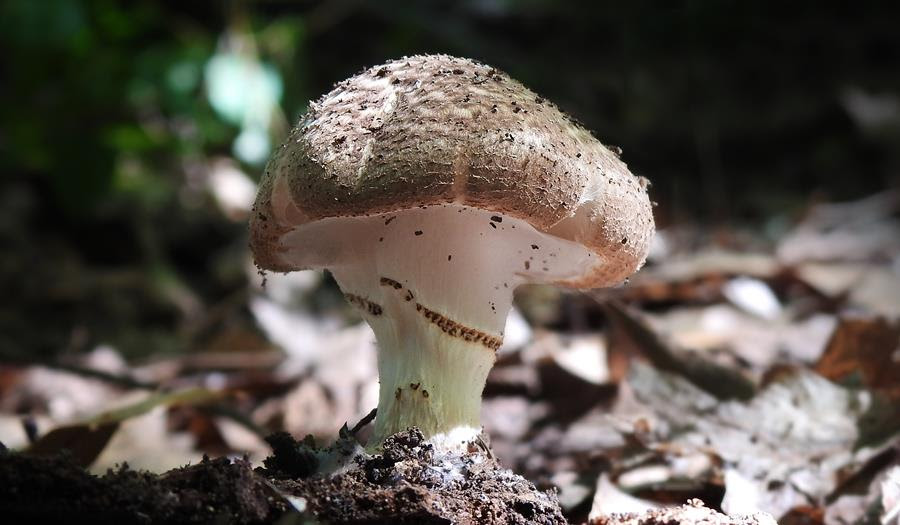
Take the Freckled Dapperling, for instance.
The Freckled Dapperling is a wild mushroom that grows on plant debris during the autumn season. Some sources claim that the Freckled Dapperling is edible; others state that it’s inedible; and plenty of other sources claim that it’s poisonous.
Needless to say, the Freckled Dapperling is a mushroom that’s certainly worthy of our attention, and in the following video, I do my best to answer some very important questions about this fascinating fungus.
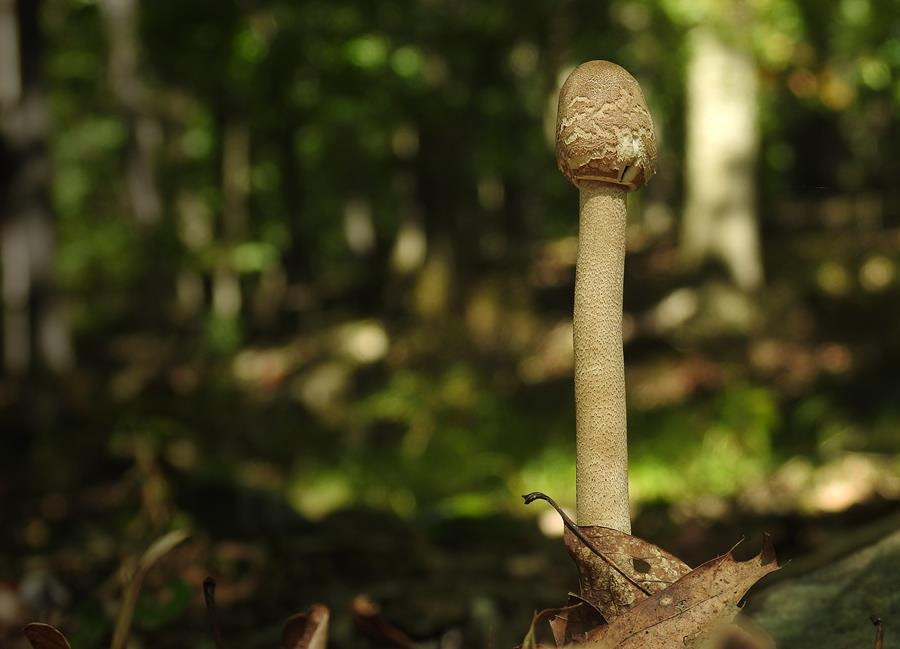
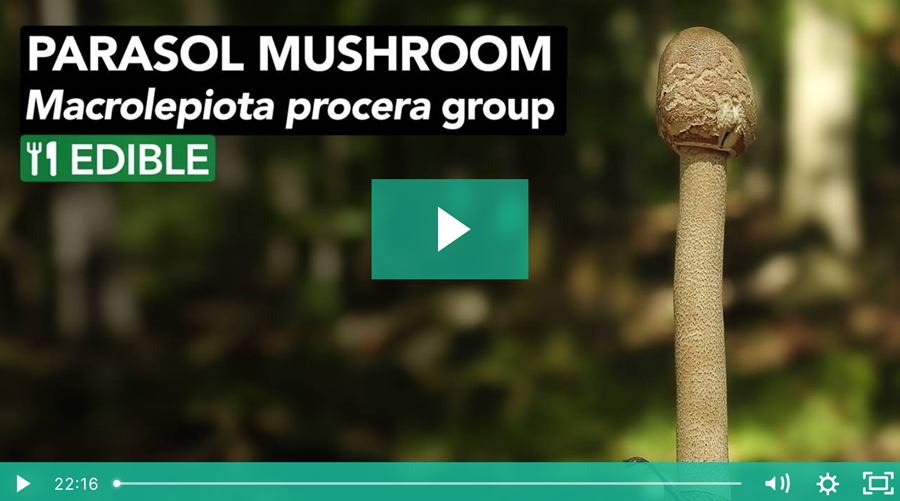
An autumn mushroom that you may see over the next few weeks is the Parasol Mushroom. Edible, delicious, and easily spotted in the woods, the Parasol Mushroom is a favorite amongst many foragers for its nutty smell and taste.
The Parasol Mushroom, however, is not the easiest mushroom to positively identify because it shares similar features with several other species — some of which are toxic. Many field guides and online articles fail to include a sufficient number of images and offer little help in identifying the Parasol Mushroom. Such lack of detail can leave readers with more questions than answers, and ultimately with no Parasol Mushrooms for dinner!
To address this issue and to assist with the identification process, I created an extremely detailed video outlining all the important pieces of information that any forager needs to know in order to safely and confidently harvest the Parasol Mushroom for the table. This video is one of over 75 exclusive videos featured in Foraging Wild Mushrooms — a four-season online course designed to help you confidently and successfully forage wild mushrooms.
Registration for Foraging Wild Mushrooms is open until Monday, September 28th at midnight. After September 28th, registration will be closed.
If you’ve ever considered harvesting wild mushrooms but didn’t know where to start, or where to go, or how to discern between edible and poisonous species, Foraging Wild Mushrooms will equip you with the skills necessary to ensure that your harvests are safe and successful.
A portion of all proceeds derived from course sales will be donated to the Western Pennsylvania Conservancy — a nonprofit organization whose mission it is to protect and restore exceptional places and forests for the benefit of present and future generations.
Thanks for reading and watching, and thanks for your continued support!

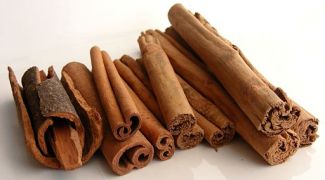 The two most common cinnamon species are “true” or Ceylon cinnamon (Cinnamomum verum) and cassia cinnamon (Cinnamomum aromaticum). “True” cinnamon is grown in Sri Lanka. Cassia cinnamon is grown in Southeast Asia and is the one found in the spice section of your grocery store. The two cinnamons differ in taste and color, with the “true” cinnamon having a more subtle, delicate flavor and a lighter color. It is also more expensive. The picture is a good illustration of the difference between the two cinnamons. The cinnamon on the left is the coarser cassia cinnamon. The…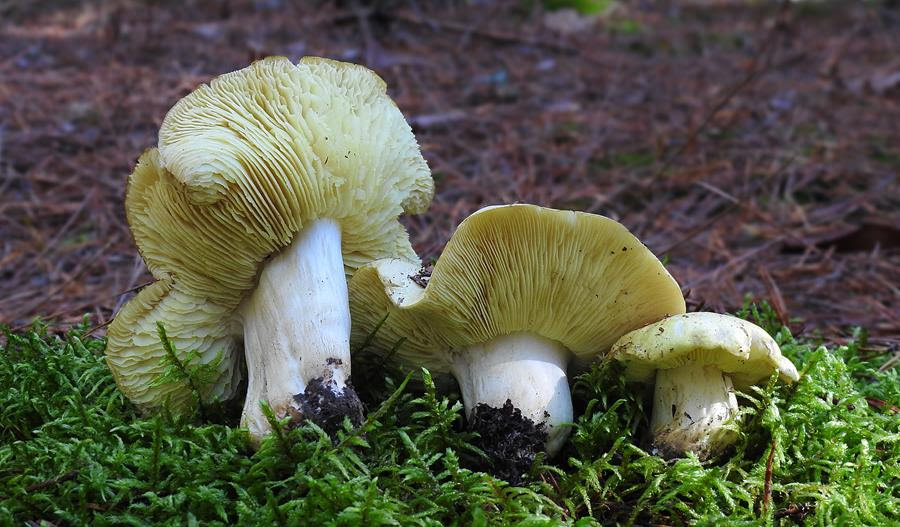

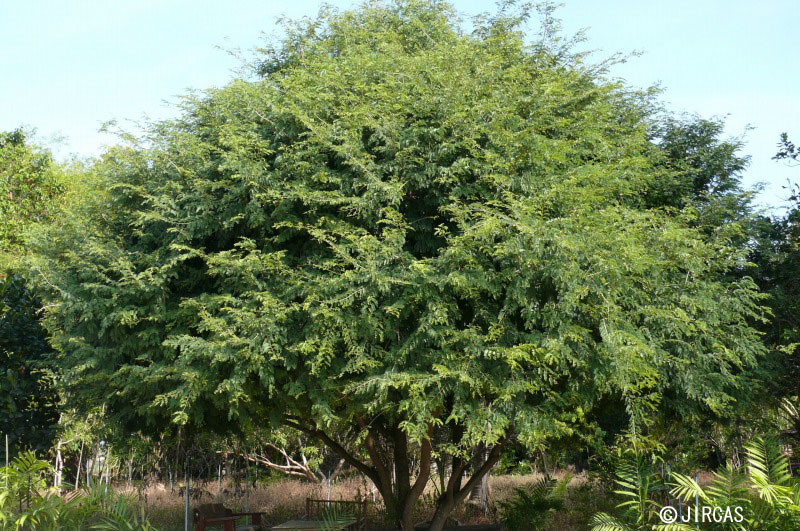 is also an evergreen, long-lived landscape tree, reaching a height of 40 to 60 feet tall and a width of up to 25 feet wide. Its pinnate leaves close up at night. The branches droop to the ground, making it a graceful shade tree. A mature tree can produce up to 350-500 pounds of fruit each year. It is native to tropical Africa and is in the Fabaceae family.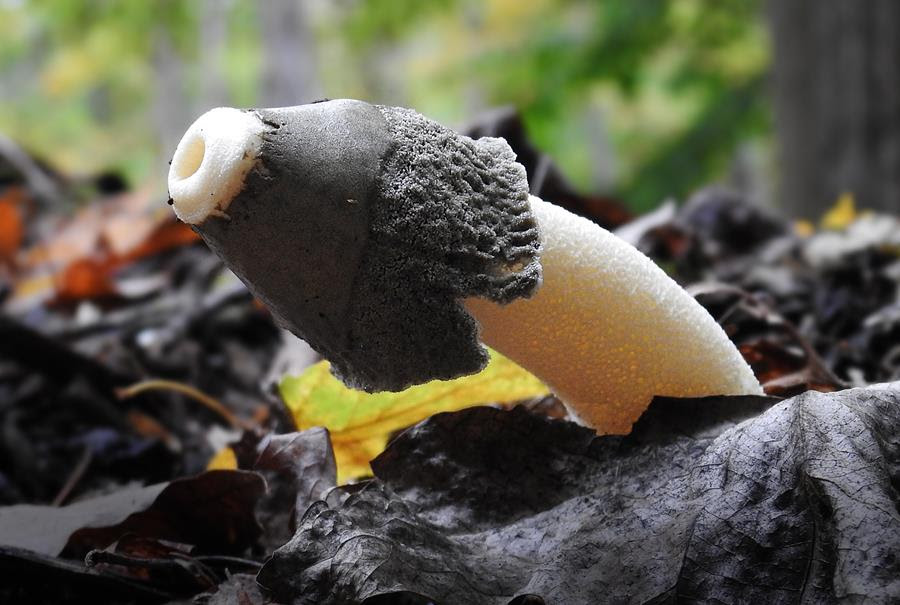

 Interestingly, just south of the US border in Mexico there is a unique community that is home to sixteen distinct indigenous peoples living in a mild climate, enjoying unique botanic diversity.
  celebrations of them all. The Day of the Dead festival (or Dia de los Muertos) is celebrated from October 31st thru November 2nd. During this…



 Paths I Walk
You must be logged in to post a comment.