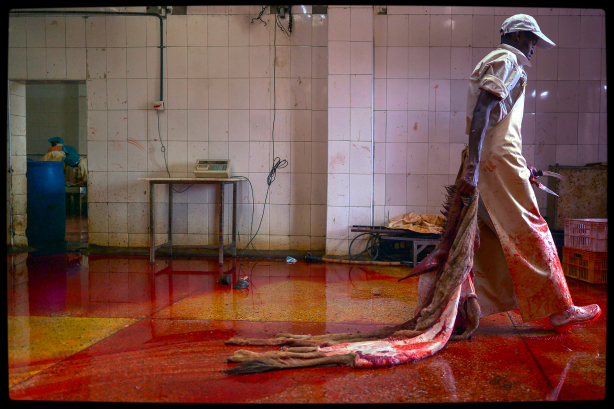
Brazil Debates Fate of Millions of Idled Donkeys

by R.T. Fitch

R.T. Fitch's avatarStraight from the Horse's Heart

APODI, Brazil—The dependable donkey once did it all here in northeast Brazil, from hauling in the harvest to carrying children to remote schoolhouses. Now so many of these ubiquitous beasts of burden populate this vast swath of rural Brazil that they have become a problem—and for some, an opportunity.

Modernity and the skyrocketing sale of motorcycles have demoted the burro from its long-held status. Once cherished here for their hardy load-carrying, donkeys are increasingly seen as a nuisance as they saunter into traffic or munch greenery in people’s yards.

“Today, a donkey is born and nobody wants it,” lamented Eribaldo Nobre, 53, whose family used donkeys to lug fresh water home when he was a child. “Progress made this animal worthless.”

Enter China, where soaring demand for protein has put…

View original post 922 more words

Astonishing California bill would shut down free speech, require fact-checkers

by John Rappaport

Sacred Landscapes, Part IV: Sacred Time, Sacred Space

by The Druid’s Garden

Dana's avatarThe Druid's Garden

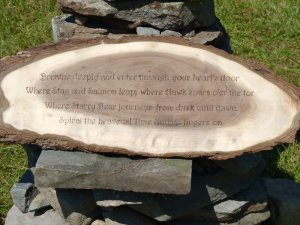
A woodburned sign bidding druids to enter a sacred space A woodburned sign bidding druids to enter a sacred space

“This is sacred time, this is sacred space.” At the end of the opening of every OBOD ritual, this powerful statement is made.  But what does “sacred time, sacred space” really mean? What is “the sacred” and how do we know it?  What is sacred in the context of American Druidry, where we do not have an abundance of ancient stone circles or accessible sacred sites? In this post, I want to spend some time today thinking about the ways we might enact the sacred in our own lives and lands as part of building sacred landscapes and re-enchanting our land.

In my first post in this series, I talked about the “disenchantment” of the world through industrialization and the rise of a religious tradition that did not acknowledge the land as sacred. And truly, a disenchanted worldview–where…

View original post 2,070 more words

ARTEMISIA MOONTIME ELIXIR: A RECIPE FOR DREAM MAGIC

By Gather Victoria

“Has artemisia come to help us unlock the deep dreams that day to day living has swept seemingly out of reach? Has she come to guard us and protect us while we realign ourselves with the strength of feminine energy? Has she come–with her liver cleansing and digestive tonic– to help ease the pain of […]

via Artemisia Moontime Elixir:  A Recipe For Dream Magic — gather

The Health Benefits of Alfalfa

By Crooked Bear Creek Organics

Crooked Bear Creek Organic Herbs's avatarCrooked Bear Creek Organic Herbs

We grow and cultivate alfalfa as a commercial crop, to feed our livestock and as well, I grow some around the house. I make sprouts, a herbal tea and I love the gorgeous little flowers in the late spring, early summer.

Medicago sativa

Also, Known As:

  • Alfalfa
  • Buffalo Herb
  • Lucerne
  • Mu-su
  • Purple Medic

Alfalfa is a common sight in many temperate grasslands of the world. Alfalfa belongs to pea family (Fabaceae). The herbal remedies made utilizing the alfalfa have been generally prescribed by herbalist for the treatment of a variety of ailments and disorders, the alfalfa can be taken in the form of an herbal tea and it is also used in the form of herbal tablets or capsules, at times the dried plant itself is consumed by patients. The effectiveness of the herbal remedies made from the alfalfa in treating disorders is available from many testimonials written by people who…

View original post 2,025 more words

Sacred Landscapes, Part III: Ley Lines and the Energy of the Earth

by The Druid’s Garden

Dana's avatarThe Druid's Garden

Over the last two weeks, we’ve been exploring the idea of re-enchanting the world. Two weeks ago, I introduced the idea of re-enchantment through a discussion Max Weber’s claims that the world has been “disenchanted” by industrialization. Re-enchanting, then, is potential work that we as druids and earth-centered spiritual people might do. If we want to do this re-enchantment, however, we need to draw upon and better understand the ways in which ancient humans created sacred landscapes. In last week’s post, we explored the historical understanding of “ley lines” and alignments on the earth to understand some of the physical tools that ancient humans worldwide used to enchant the world. Today’s post continues this discussion in a more metaphysical sense–understanding the more modern “ley line theory” as it applies to earth energy and considering the energetic work we might do.

Ley Lines as Energy

Line of stumps in January - strong telluric energy. Line of stumps in…

View original post 2,512 more words