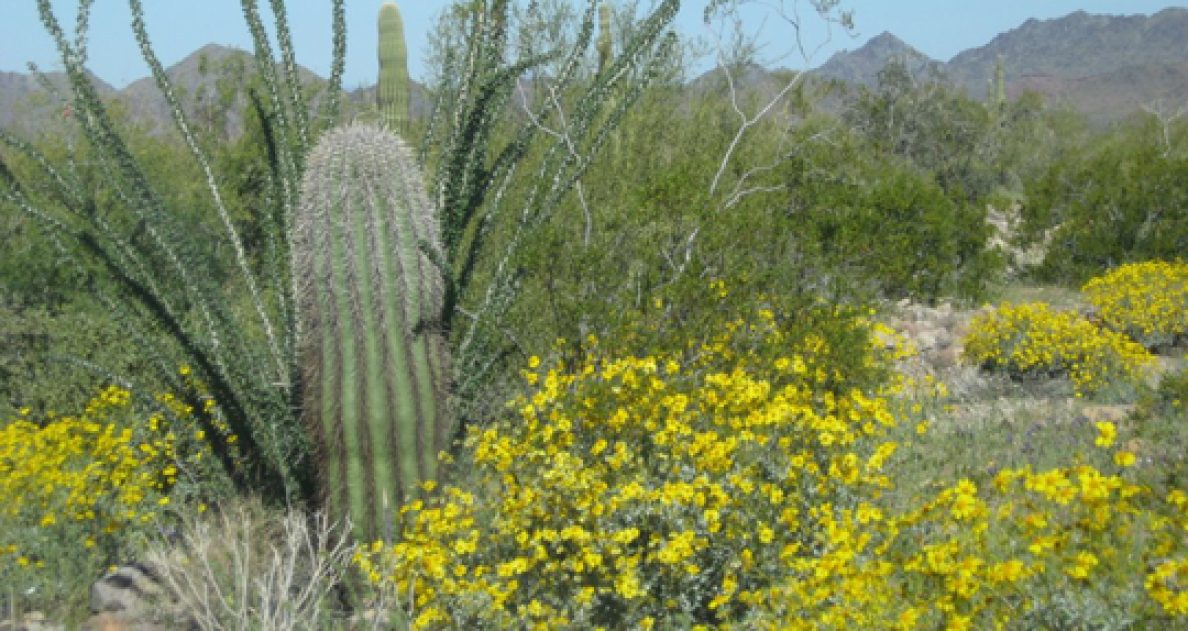

Elder {Sambucus nigra}
Also, Known As:
- Bourtree
- Elder
- Elder-berry
- Elder-flower
- European Elder
- Pipe Tree
The plant called the elder is used to describe a bushy shrub like plant that can reach a few feet in height as shrub-like forms normally do or it may be referring to a tree reaching up to fifty feet in height – the elderberries which are borne on both types of plants range and differ markedly in the shape and taste. The flowers are usually formed in aromatic clusters of many star-shaped and white colored flowers, which can vary from bunches with flat-topped to the globular types of arrangement. When ripened, these will mature to produce berrylike and limb sagging fruits which can range in color from stark blue to an amber, and even red to a complete black – the variation in the taste of these elderberries is also markedly different.
The long and hollow stems which tend to be very straight were used by the early Native American tribes for making arrow shafts as such stems become woodier with age, such stems were particularly selected during the springtime, they were typically then left to dry with their leaves still on them to be turned into arrows. The native tribes also used the woody stems for other purposes, and they often took out the soft and poisonous pith within the stem using hot sticks, these were sometimes employed as spouts to collect maple sap and the sap of other resinous trees. Such stems were often also bored with holes and fashioned into flutes for making music. One reason, the elder is often called the “tree of music” lies in its use in this role, even though its main uses was as an herbal medication. The elder stems were also turned into animal bugles to pipe elk like sounds and some traditional native hunters still reliant on the old ways of tracking game have often used the stem to bugle elk-thus the elderberry stem whistle has often been employed to successfully lure a handsome elk buck during a hunt. The areas in which the elderberry plant is likely to grow includes very rich and moist soils, especially those soils found in heavily forested areas, the plant also grows well in the soils in rocky slopes and often prefers soils in cool ravines which are heavy in moisture. The plant is considered a native inhabitant of both hemispheres and grows mostly in the temperate and subtropical regions of the world.
The elderberry is actually a drupe which is berrylike in appearance; the elderberry consists of three to five single-seeded nut – lets or stones in the fruiting body. Traditionally, eating too many berries is believed to cause digestive problems and the traditional wisdom suggests that only a few berries can be eaten raw at any one time so as to avoid disrupting the stomach. The taste of the elderberries is not remarkable and the taste is better when they are taken along with other edible berries, raw berries are not preferred by people and in general, the berries are much better to eat in the dried or cooked form. The elderberries are used as a decongestant and in the treatment of some conditions which can induce the excessive accumulation of mucus within the lungs of the affected person. These include disorders such as common asthma, problems such as bronchitis, the common cold, diseases such as influenza. In addition, phlegm production is also induced by smoking or the inhalation of second-hand smoke. The elimination of such accumulated yellow or green mucus from the body is aided by drinking some fresh elderberry juice, particularly the juice of the red drupes – this herbal remedy is excellent for the removal of excess mucus in the respiratory passages.
Plant Parts Used:
Flowers, berries, bark. […]
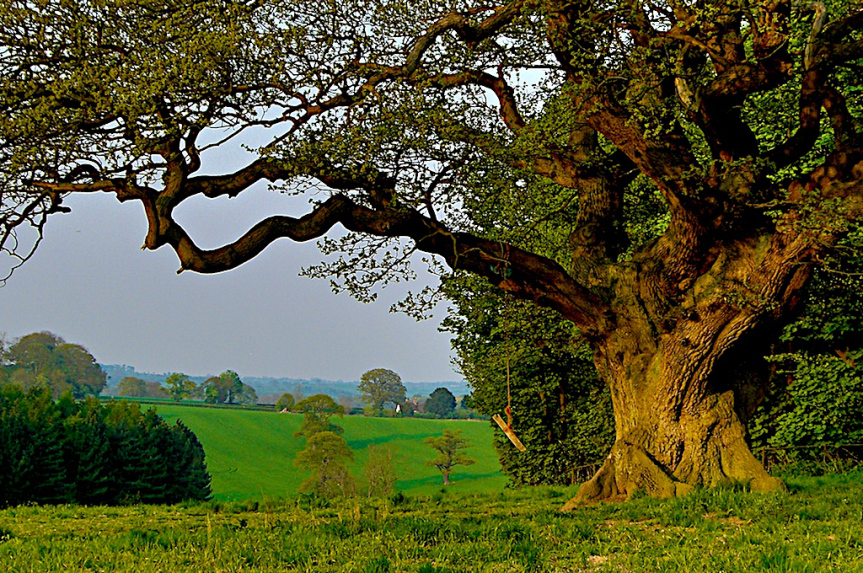
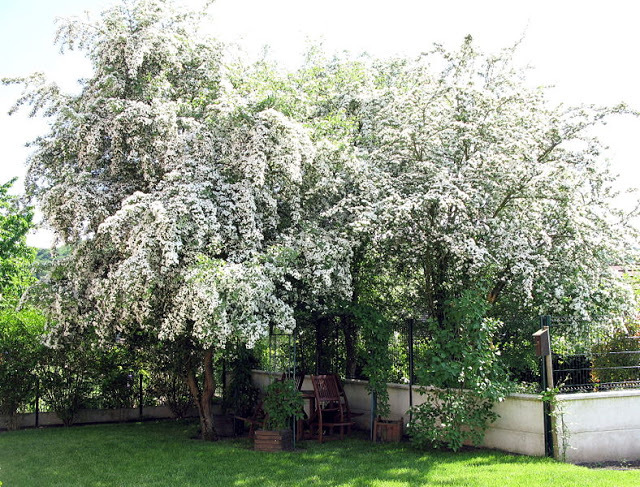
 Hawthorn berries possess a potent and effective astringent effect – this is very effective in the treatment of problems such as diarrhea and dysentery in patients. The digestive system also benefits due to the relaxant action possessed by the hawthorn leaves, flowers and berries – the herbal remedy also boosts the appetite. At the same time, it acts in relieving abdominal distension and in the removal of stagnation of food in the intestinal tract. Hawthorn herbal remedies also have an effective relaxing effect on the functioning of the nervous system, the herb aids in relieving excessive stress and anxiety, it helps in calming mental agitation, it lessens restlessness and reduces nervous palpitations. The herb also induces sleepiness in people affected by insomnia. The herbal remedies made from the hawthorn also have a diuretic action on the body, it aids in relieving fluid retention in the body and helps dissolve deposits of kidney stones and gravel. The herb is helpful to women in menopause, as it aids in removing debility or night sweats in those affected by them. The hawthorn berries can be made into an herbal decoction, which can be used as an astringent gargle for sore throats as well as an herbal douche for women affected by excessive vaginal discharges.
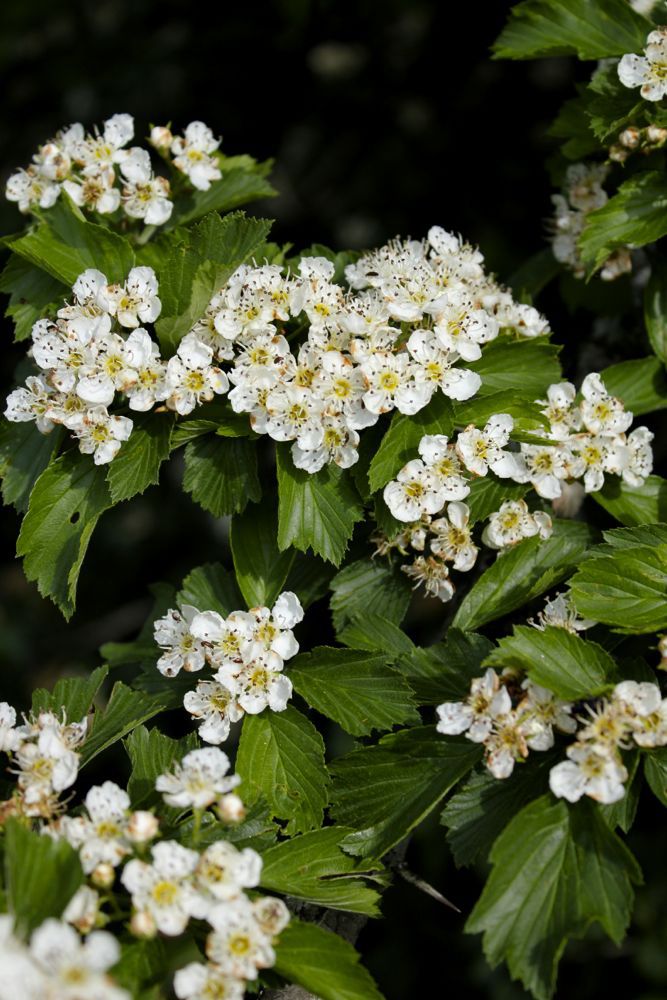 The hawthorn family of herbs is represented by a family of one hundred to two hundred related species of small trees and shrubs, found in the North American continent, with huge populations in the eastern part of the United States of America. This family of related plants has a very confusing and difficult taxonomy. Though no longer used for most, the hawthorn herb was initially divided into many species. At least 1,100 specific names were published, most of which are no longer accepted. At the same time, many different varieties of the plant are recognized, and hybrids of the herb do exist in the wild. The hawthorn family serves as an important source of food for wildlife; these plants also serve as foliage and cover for animals. The many species which bear fruits that can persist over the winter are particularly of great value to different animal communities in the forest. The many varieties of the hawthorn are utilized in environmental plantings in many forestation projects. Hawthorn plants are very hardy and can tolerate conditions in many different sites with a variety of climatic and soil conditions, due to this, the plants have been planted for stabilizing river banks, and have also been used to shelter reverie belts, as well as being used for erosion control of the soil.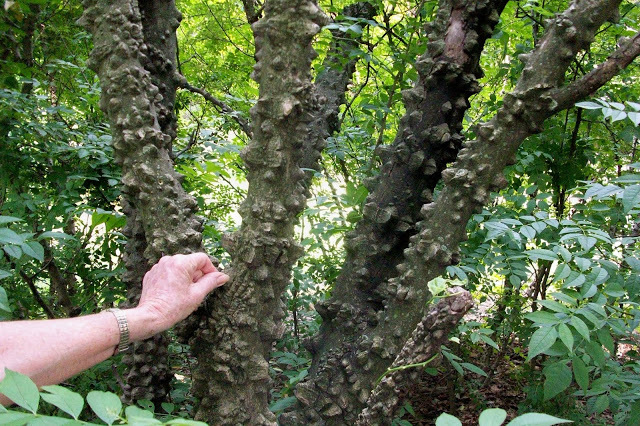



 Paths I Walk
You must be logged in to post a comment.