Happy Winter Solstice! I’m sharing this recipe from the Gather Victoria Winter Magic ECookbook because it encapsulates the archetypal drama of the season – the rebirth of the light. And that meant plenty of cakes, cookies, and confections for the old winter witches like Frau Holle! Their symbols are very much alive in our holiday…
This is a good question to ponder, but it’s a difficult question to answer unless clarification is provided.
How much land are we talking about? And what is the time frame in question?
Even with such clarification, answers do not come easy. The original question often persists and we are prompted to further refine our inquiry.
What did the eastern forests look like 300 years ago? Which trees were present, and what was the composition of the trees in these earlier forests?
American chestnut, it turns out, can help us answer those questions.
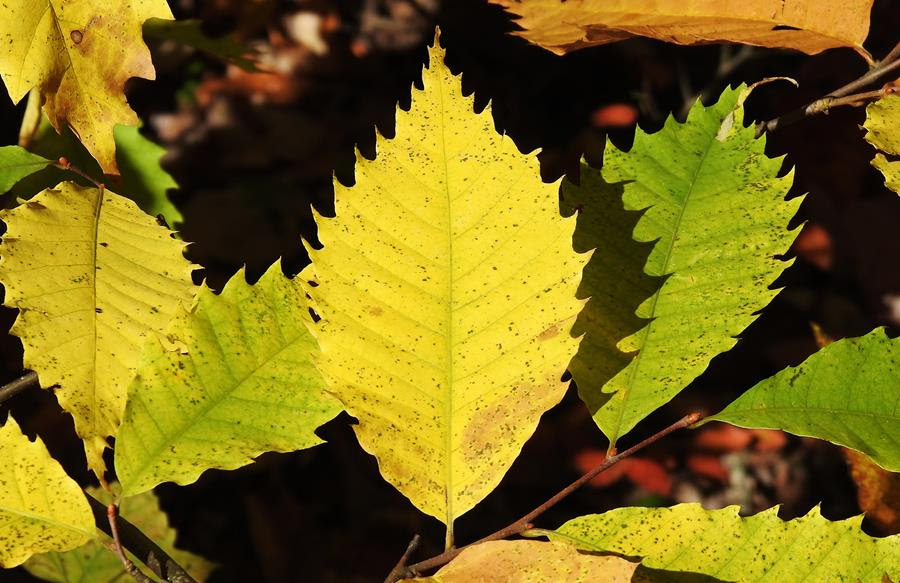
American chestnut (Castanea dentata) is a tree whose numbers have dwindled over the past 100 years. A fungal disease known as chestnut blight has been the major culprit, but other factors have contributed to the decline of mature American chestnut trees in eastern forests.
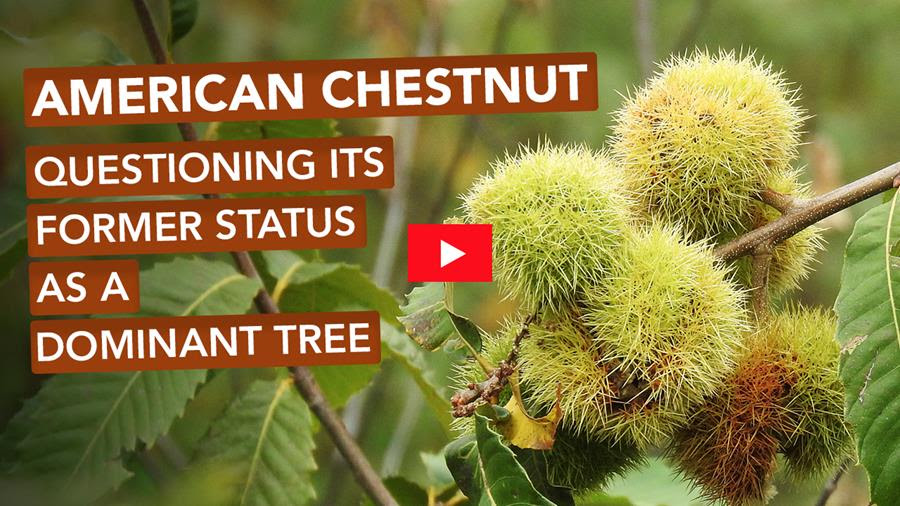
When we study accounts of American chestnut, we routinely hear the same thing: “American chestnut was a dominant tree in eastern North America prior to the introduction of chestnut blight.”
We also hear this: “One in every four hardwood trees in eastern North America was an American chestnut.”
Believing both statements to be true, we might imagine an unbroken expanse of chestnut trees in eastern North America. The proverbial squirrel might have been able to travel from Maine to Florida on chestnut tree limbs without ever touching the ground.
But was that ever the case? Was American chestnut really the most dominant tree in eastern North America?
Or, have the claims been exaggerated? Could it be possible that American chestnut was not so dominant of a tree in these earlier forests?
That’s the topic of this week’s brand new video. If you are interested in learning what the land might have looked like in the not too distant past, check it out!
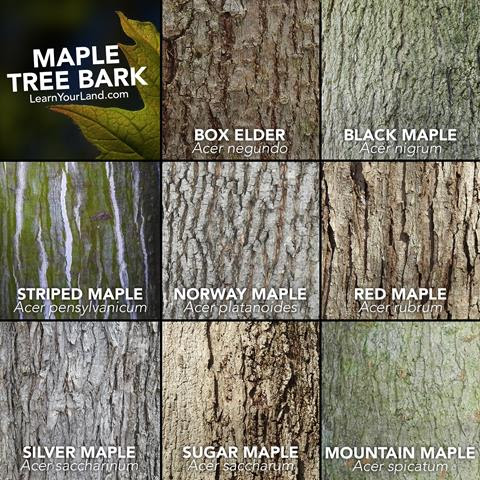
Most maples are leafless this time of year in eastern North America. Fortunately, bark features are still available and very useful for proper identification. Check out these side-by-side images of 8 different maple trees to assist you with your winter identification skills.Click to view post
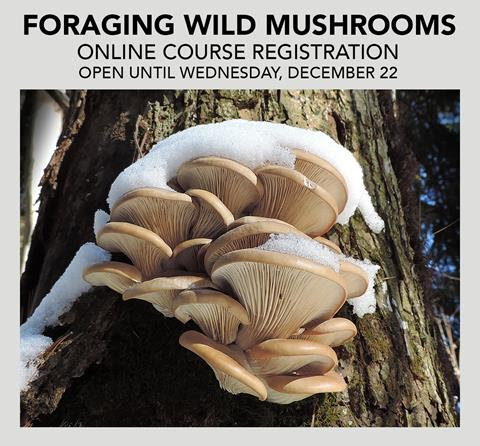
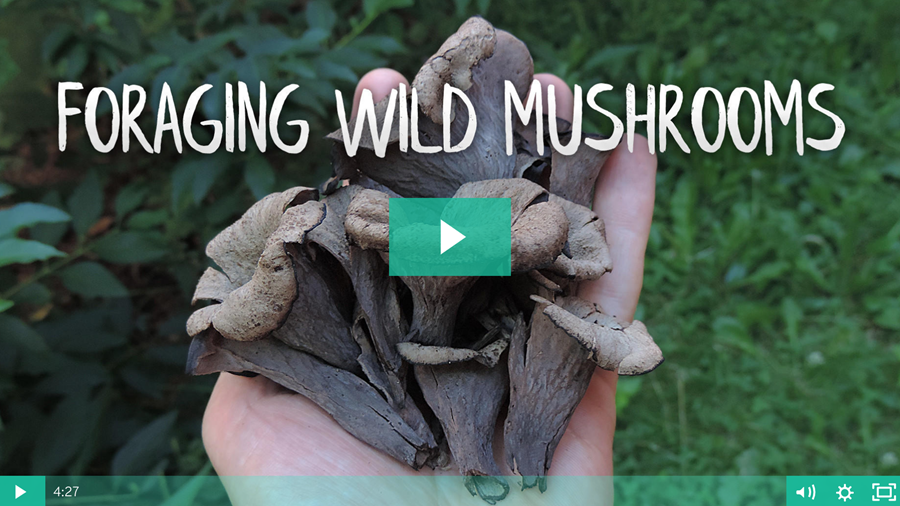
If you are eager to pursue educational opportunities during the winter months, check out Foraging Wild Mushrooms.This 4-season online course is designed to help you safely, successfully, and confidently forage wild mushrooms from the forest, from the field, and from your own backyard.Click to learn more
Thanks for reading and watching, and thanks for your continued support!
Nothing really needs to be said. Nothing more needs to happen. The fact that such an encounter occurs at all in the 21st century is enough.
But occasionally something else does happen, and silence is broken not by statements or declarations but by questions and inquiries.
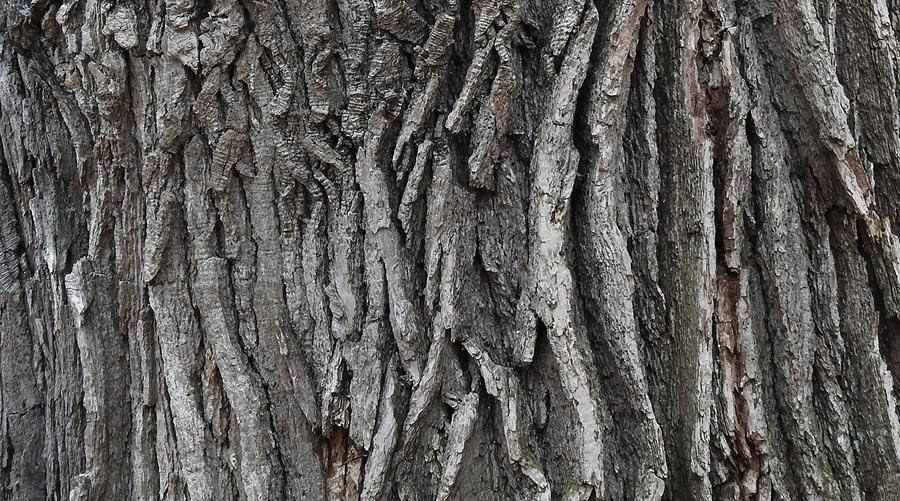
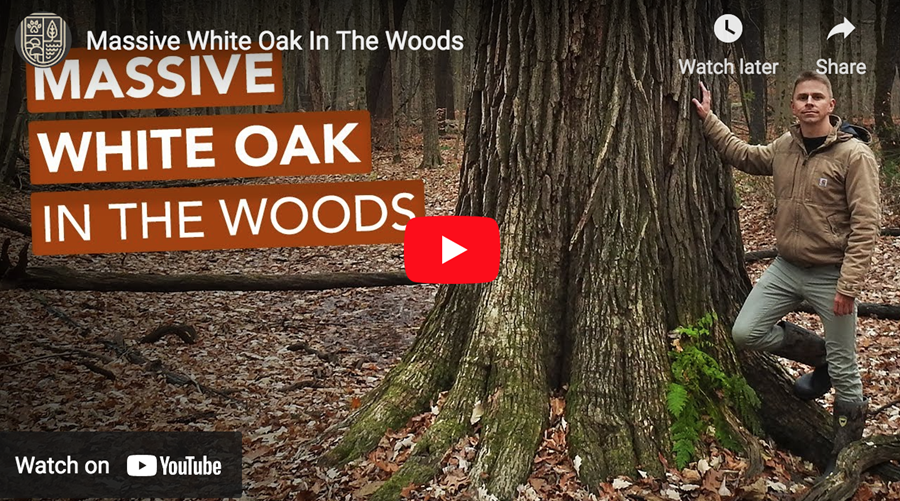
A few years ago, I encountered a massive white oak (Quercus alba) in the woods. With deeply furrowed bark and a wide-spreading canopy, the tree was certainly the largest forest-dwelling white oak I had ever seen.
Since that first encounter, I have returned to see the massive white oak on numerous occasions. In every instance, curiosity has prompted my meddling mind to ask questions.
During the most recent encounter, I decided to wonder aloud (and on camera) about Quercus alba — a species that was once regarded as being the most common tree in many forests. Over the years, however, white oak has slipped in status. No longer does it hold the title of being the most common tree in many forests.
How did this happen? And which trees took its place?
If you are interested in seeing a massive old growth white oak, all while learning how an incredibly common tree became less common over time (despite a relative increase in forested land), check out the brand new video!
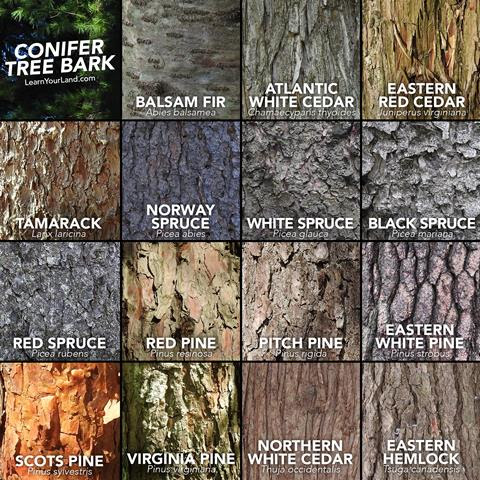
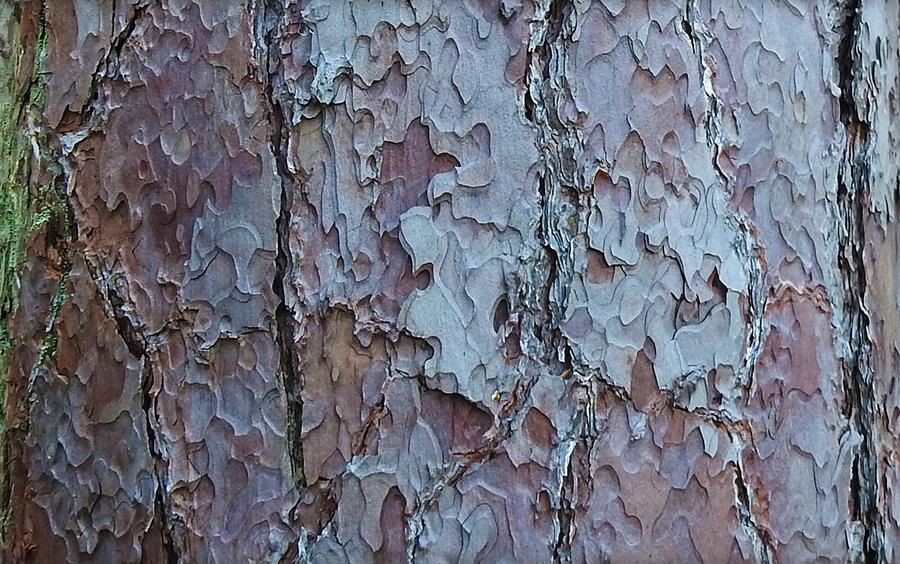
Conifers display huge variation in bark features. If you are interested in identifying conifer trees by bark alone, check out these side-by-side images of 15 different conifer trees that grow in eastern North America.Click to view post
Thanks for reading and watching, and thanks for your continued support!
Among the common, the uncommon exists. Learning the uncommon among the common helps us see in new ways what has been in front of us all along.
Take red pine, for instance.
Where I live in western Pennsylvania, red pine (Pinus resinosa) is a common sight. Many county and state parks contain large tracts of land that host nothing but red pine plantations. These plantations, believe it or not, are considered by fundamentalists to be “ecological deserts” — a category that also includes parking lots and golf courses.
Red pine, it seems, can’t catch a break. Because of the bias against its ubiquity and against its purported ecological disservice, it’s no wonder that people rarely take any time to marvel underneath a red pine tree.
But there is something that we should know about red pine. Among the common, the uncommon exists.
Red pine is not common in every context. To provide two examples — “natural” stands of red pine are quite uncommon in my home state of Pennsylvania, and across the entire range of red pine, old growth red pine forests occupy less than 1% of their original range.
What’s more, old growth red pine forests are far from ecological deserts. Researchers consider these forests to be critical for maintaining biodiversity at stand and landscape levels.
To gain some insight on the matter, I decided to visit a “natural” stand of red pine. Not too surprisingly, I did not discover an ecological desert. Instead, I encountered a diverse ecosystem containing red pines that were approximately 250 years old and approaching old growth status.
Speaking of uncommon (or very common, depending on where you live), I recently encountered this melanistic eastern gray squirrel foraging for acorns. The presence of melanism across the range of gray squirrels is really low (less than 1%). In some areas, though, it can be higher than 50%. To learn more about black squirrels, check out the latest Instagram post!Click to view post
Thanks for reading and watching, and thanks for your continued support!
Before I share a brand new video with you, I want to provide a reminder that today — Tuesday, September 28th— is the last day to register for Foraging Wild Mushrooms.
After today, registration will be closed for the season. If you want to learn the skills involved in safely and successfully harvesting wild mushrooms with confidence, Foraging Wild Mushrooms can help you achieve that goal.
The best mushroom books aren’t always mushroom-related.
Take the Tao Te Ching, for instance. This piece of Chinese philosophical literature was written approximately 2,500 years ago. The word “mushroom” is not mentioned anywhere in the text, but the Tao Te Ching might be one of the best mushroom books I have ever read.
To see what I mean, let’s look at a few words from verse 47.
“The world may be known without leaving the house… The further you go, the less you know.”
How does this apply to mushrooms?
Replace world with mushrooms, and we soon realize that we do not have to travel too far to understand the fungal kingdom.
Tropical jungles, alpine bogs, and distant countries might seem like they have what a mushroom hunter needs. But that’s almost never entirely true. If we haven’t learned as much as a human is capable of learning at home, then we have work to do… at home.
In other words, if we have not learned the mushrooms that grow in our yards, then it might be a good idea to focus on those particular mushrooms before leaving the house (to use the Taoists’ words).
To inspire you to do this kind of work, I filmed a video that focuses only on yard-dwelling mushrooms. Some of the mushrooms grow in the grass. Others grow in your flower beds. All of the mushrooms can be found at home.
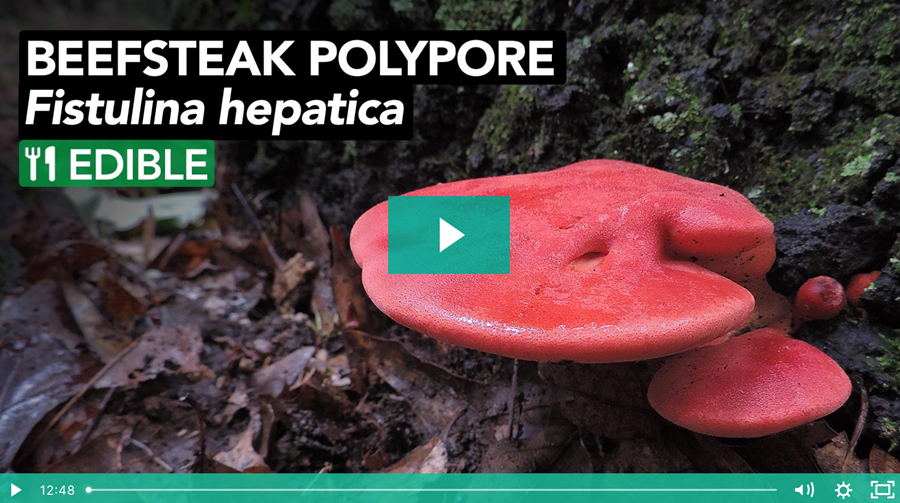
Over the next few weeks, a strange wild mushroom will appear from the trunks of oaks and other deciduous trees.
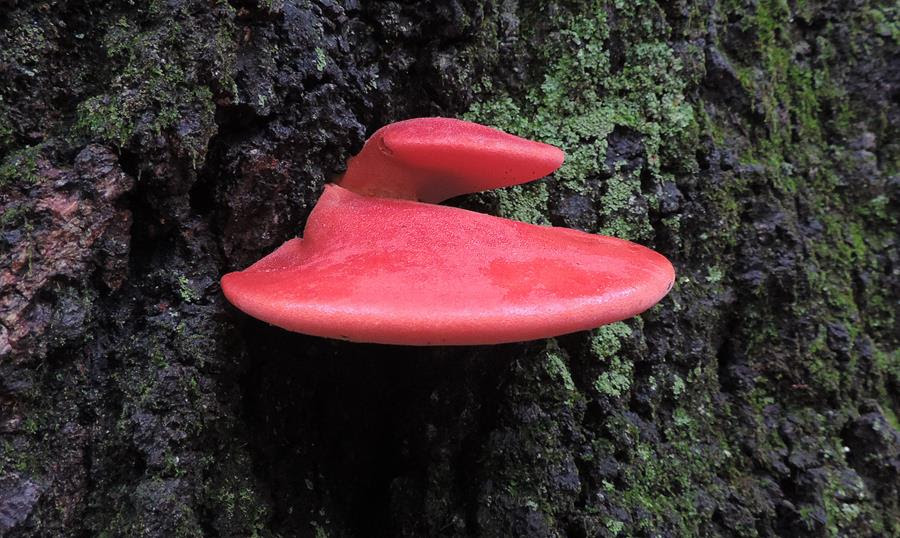
At first glance, this fungus resembles a scarlet-colored spaceship. Upon closer inspection, and especially upon internal inspection, this mushroom literally looks like raw meat. Its taste — a bit sour, a bit mushroomy — is reminiscent of a tangy portobello mushroom.
The Beefsteak Polypore is a mushroom unlike any other. In some parts of Europe, this species is considered to be rare. Here in North America, summer and autumn sightings of the Beefsteak Polypore aren’t infrequent, though they’re not incredibly common either.
Needless to say, the Beefsteak Polypore is one mushroom worth adding to your must-see list of 2021.
This video is one of over 80 exclusive videos featured in Foraging Wild Mushrooms — a four-season online course designed to help you confidently and successfully forage wild mushrooms.
Registration for Foraging Wild Mushrooms is open until Tuesday, September 28th. After that, registration will be closed.
There’s no shortage of reasons to explore the woods these days, though if you feel like you need some inspiration, consider at least two motivating factors that mushrooms offer:
Nutritious wild food
Nature connection
In anticipation and celebration of the autumn mushroom season, I’m excited to announce that Foraging Wild Mushrooms is currently open for enrollment.
This 4-season online course is designed to help you safely, successfully, and confidently forage wild mushrooms from the forest, from the field, and even from your own backyard.
Whether you’re interested in foraging for food, for medicine, for study, or just for fun, Foraging Wild Mushrooms covers the most important lessons to get you started.
In addition to over 80 step-by-step exclusive and instructional videos included within the course, you’ll also receive:
Supplemental handouts covering mushroom anatomy, terminology, and biology that you can download and print for easy viewing.
A 42-page guide to medicinal mushrooms that summarizes the latest research on the most popular medicinal fungi with over 75 peer-reviewed references.
Immediate and lifetime access to all materials.
Please note that enrollment for Foraging Wild Mushrooms is open for one week only — from today until Tuesday, September 28th. After that, enrollment will be closed for the season.
As is the case with all enrollment periods, a portion of all proceeds derived from course sales will be used for land conservation.
To learn more about the course, check out this video which gives an overview of what you can expect.
Thank you, as always, for your continued support! —Adam Haritan
Oh my, it is almost the Autumn Equinox! This means it’s time to share this rustic Crabapple Galette inspired by the Great Mother goddess Modron and the great Fairy Queen Morgan Le Fay. Crabapples and berries have long played a role in the magical lore of the Second Harvest or Mabon. (You can learn more…
The Fall Equinox is traditionally about harvest, harvesting the fruits of your labor and the fruits of the land in preparation for the coming of winter. This model of the wheel of the year focuses on earned outcomes: you’ve planted your crops, you’ve tended them all season, you’ve invested the time, and now, you are able to receive the rewards of your efforts. And a lot of our own understanding of the celebration of these seasons works on that narrative: planning, planting, tending, harvesting, and the cycle of the seasons. This same cycle is expected, perhaps, anticipated, in our everyday lives. For example, if you put the effort into getting degrees and starting a career, or if you put in a ton of hard effort at your workplace, you will eventually be rewarded with a harvest, a payoff, and a sense of stability. There’s this large sense that…
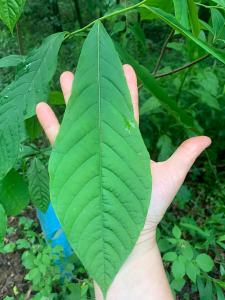
The PawPaw is a tree that is so wild and unique and wonderful, and yet, is often quite unknown–it is the only native citrus tree we have in the upper east East Coast and midwest areas. Like some of the other trees I have recently shared in this series, Paw Paw is an underappreciated and under-recognized tree. Within the bushcraft and permaculture circles, it is quite well known as an amazing tree to find, plant, and tend. One of the reasons that PawPaw is probably not more well known has, unsurprisingly, everything to do with the commercial viability of the fruits. PawPaw fruit is absolutely delicious but it only stays good for a few days after picking–so it would never survive the rigors of modern industrial agriculture. You can occasionally find it at a good farmer’s market, and it is well worth…










 Paths I Walk
You must be logged in to post a comment.